

Welcome back to Thebeerchaser. If you are seeing this post through an e-mail, please visit the blog by clicking on the title at the top to see all of the photos and the narrative is not clipped or shortened. (External photo attribution at the end of the post) (#1)
In my first post on Don Wilburn, I related a bit about his heroic aerial missions during World War II and the long overdue award of the Distinguished Flying Cross, his time at George Washington University including his friendship with my dad at the SAE house and a bit about his beautiful wife, Jeannette. https://thebeerchaser.com/2025/06/29/beerchaser-notable-captain-don-wilburn-us-army-air-corps-part-i/
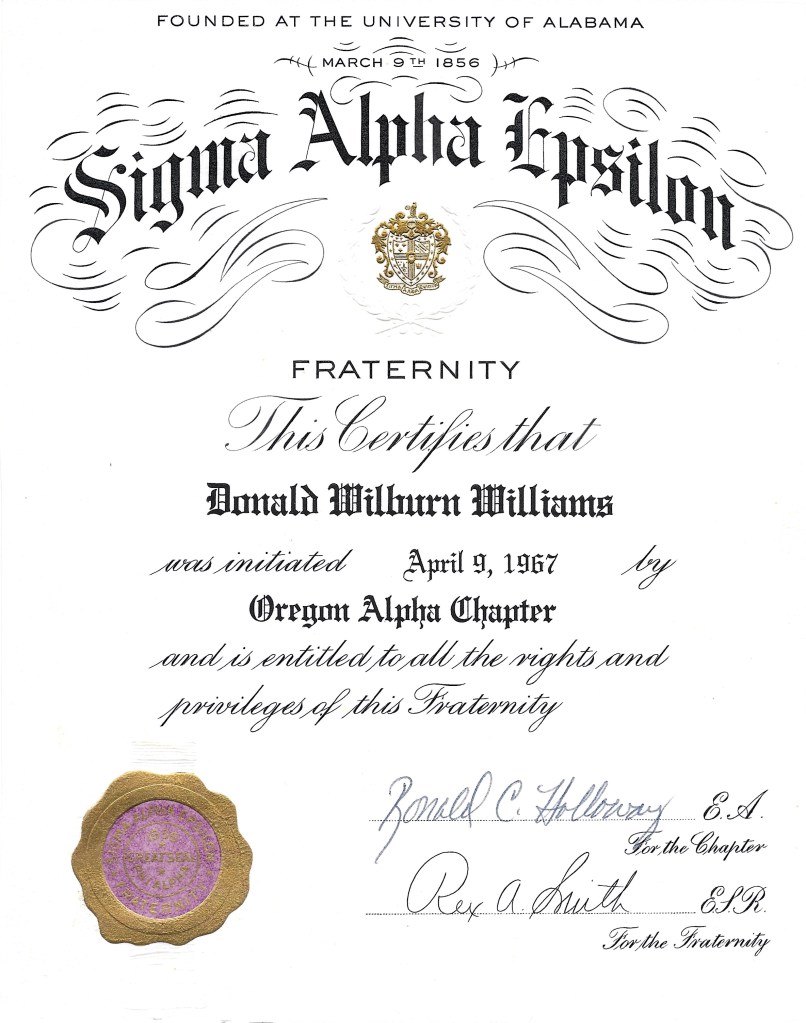
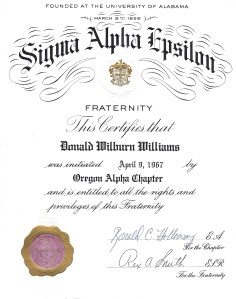
In this post, you will learn more about the top-secret mission known as Operation Rusty, the other participants in this undertaking including Elliott Roosevelt (son of FDR) who was the chief navigator on their B-17 named the “Blue Goose.” The background on this mission is compelling and it will convey why I’m honored that my dad – FDW – named me – his first son, after his best friend and fraternity brother. (#2)
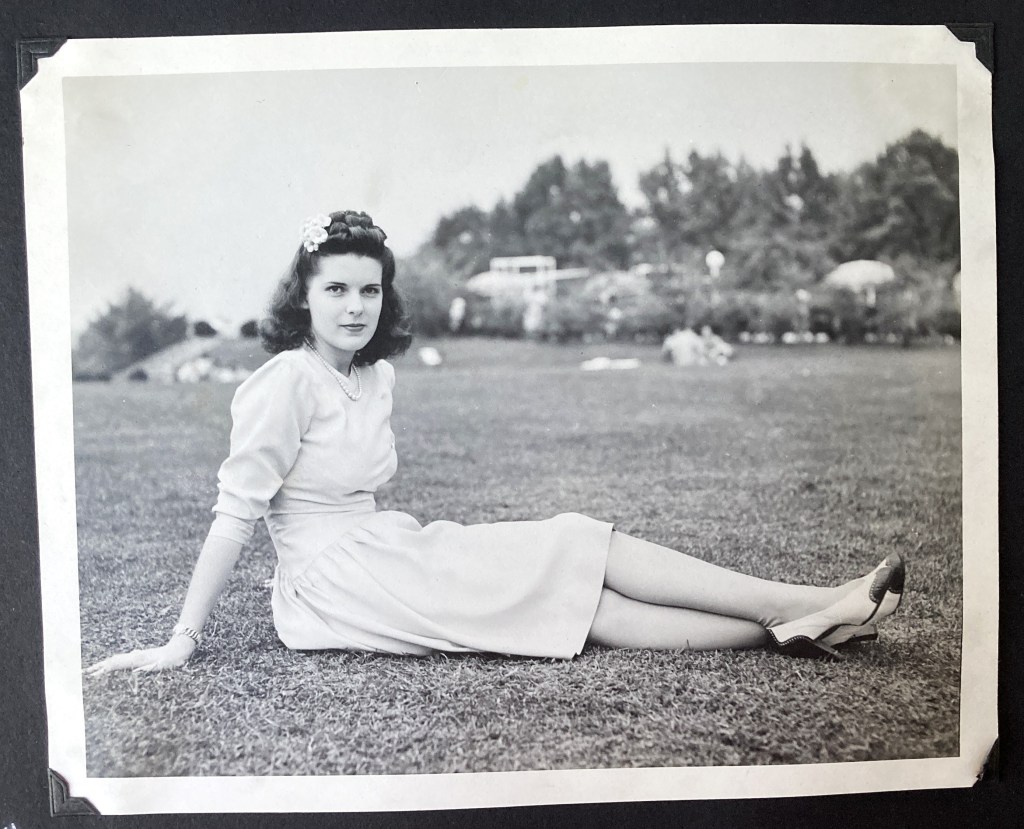
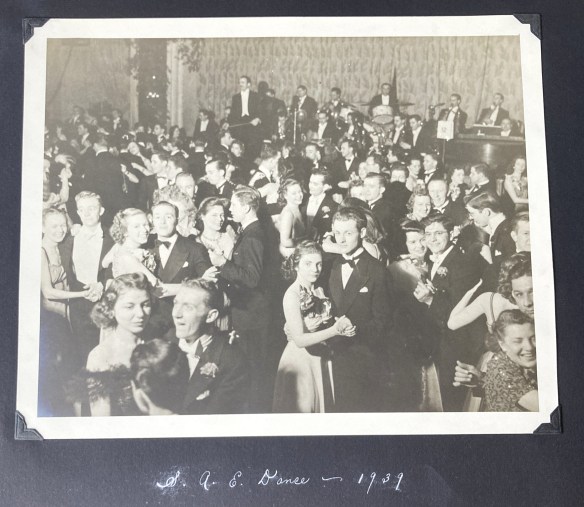
Don Wilburn met his future wife, Jeannette Stehman, when he was an SAE at George Washington University. She graduated from Washington–Lee High School in Arlington, Virginia. Jeannette attended SAE house dances at the Washington City Rho chapter such as the one shown from her photo album in the attached picture dated 1939. Don and Jeannette are in the middle of the picture.
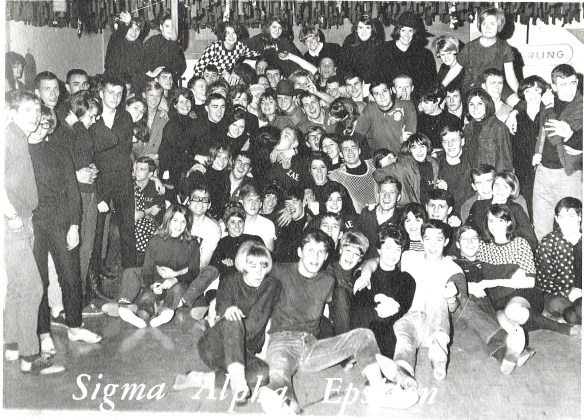
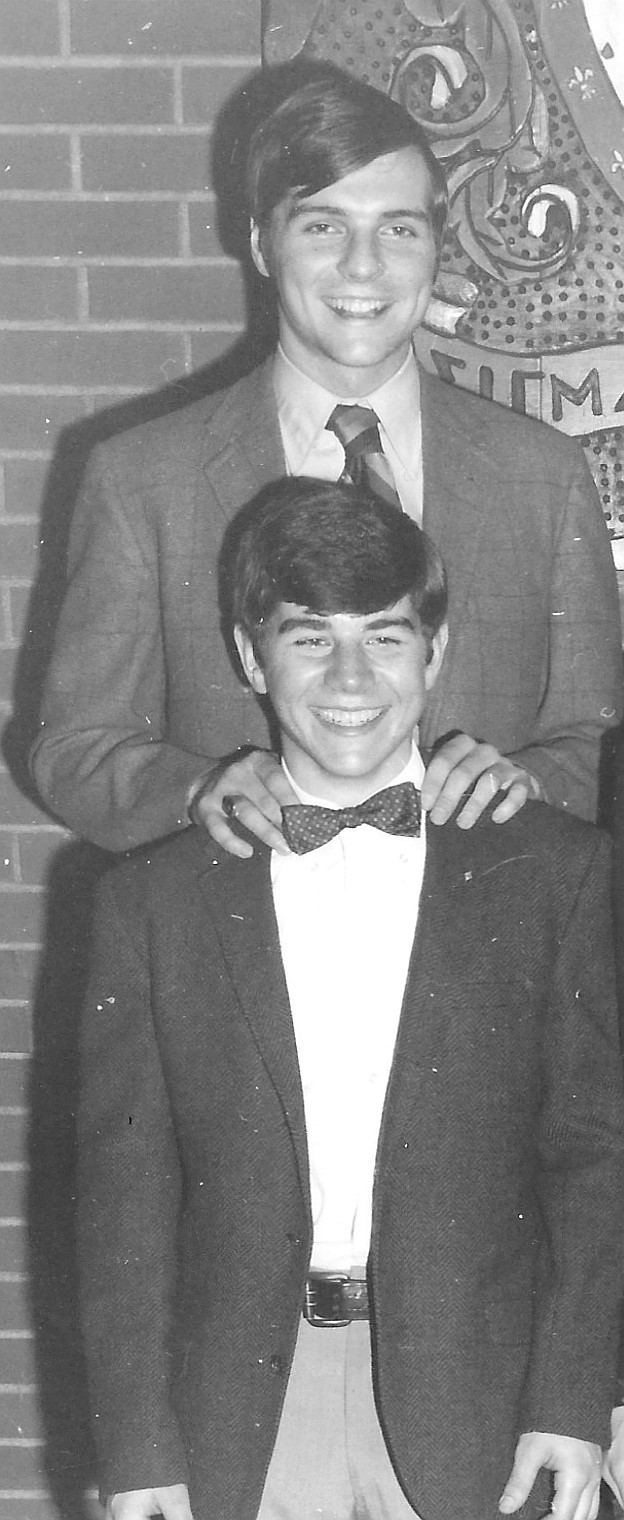
You can see that these were more formal affairs than the equivalent SAE functions I attended at Oregon State University such as the one shown below from a house dance in 1967. (We didn’t have a combo playing Big Band music.) (#3)
Don’s goal had always been to be a military pilot, and he applied for Flying Cadet Training in June, 1938 and then had both initial and advanced pilot training in Texas in 1939-40. He was commissioned as a 2nd Lieutenant and received his pilot rating in November 1939.
His primary duties were Intelligence and Operations and Don trained in aerial mapping photography and flew mapping missions in Alaska and across Canada. Even with his rigorous training and duties as an officer, he took correspondence courses at the University of Texas and his regular letters to Jeannette chronicle his service.
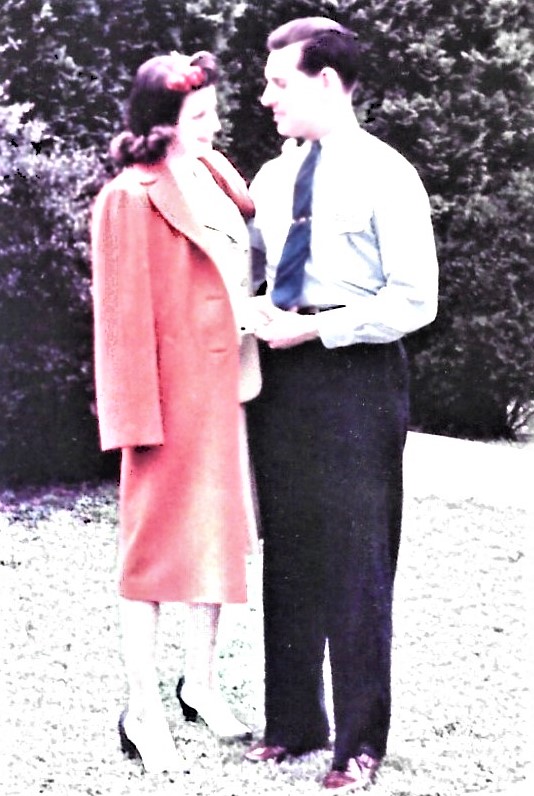
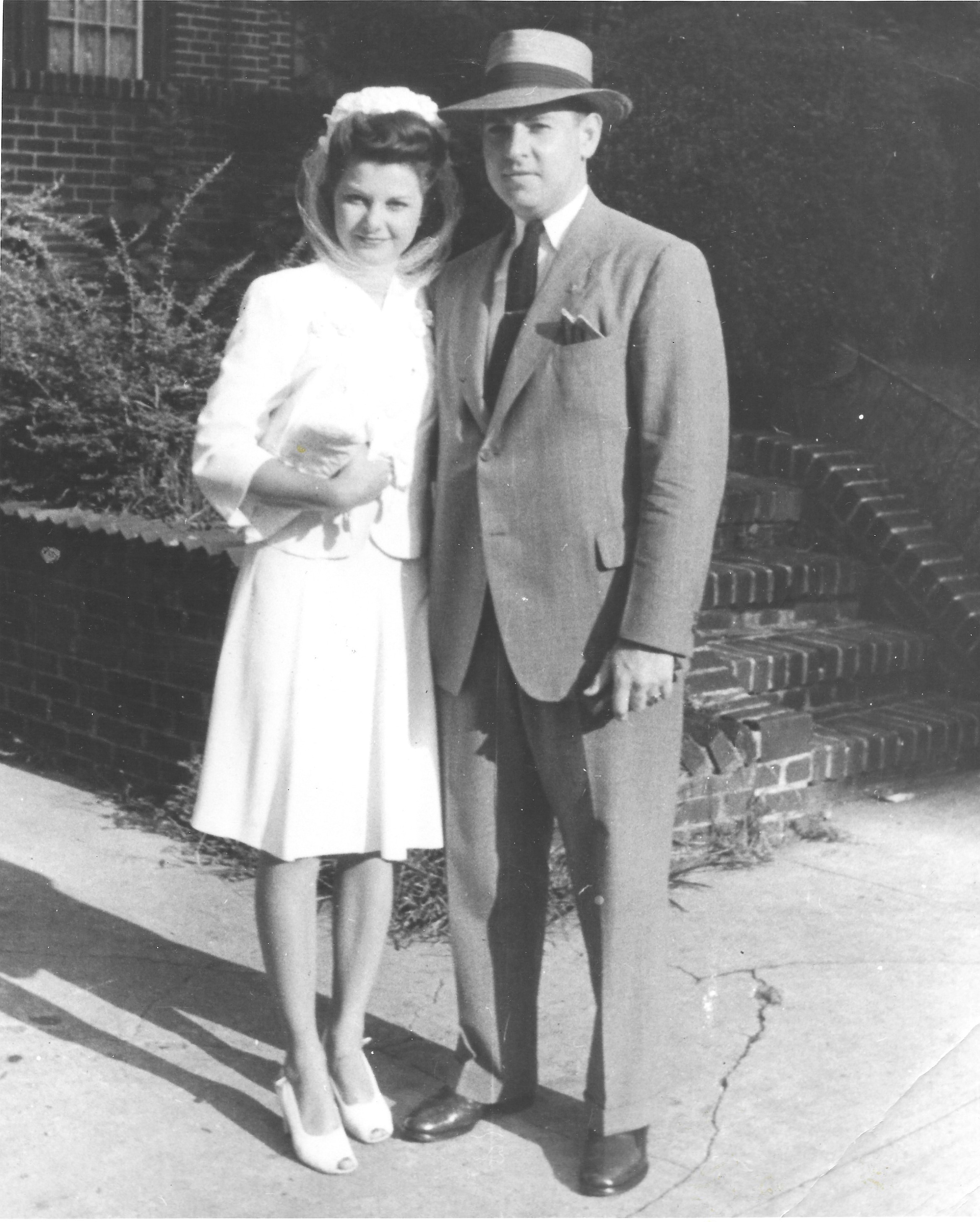
They began dating exclusively, when he returned to Bolling Field in DC in November 1941. With the strong presumption that Don would be undertaking mission overseas, they decided to get married. (#4 – #6)
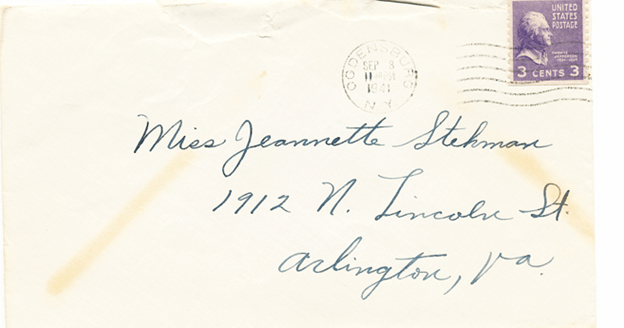
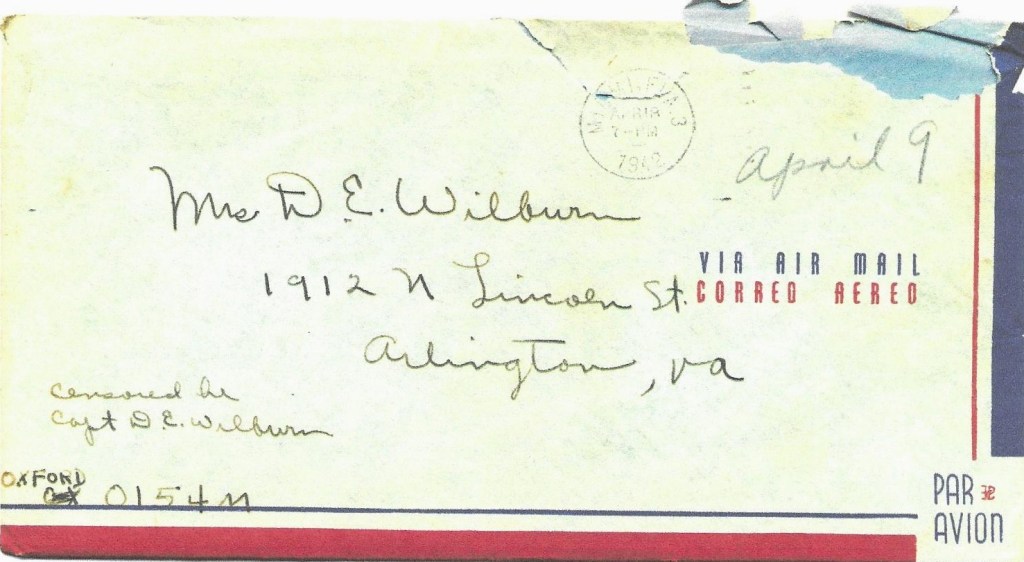
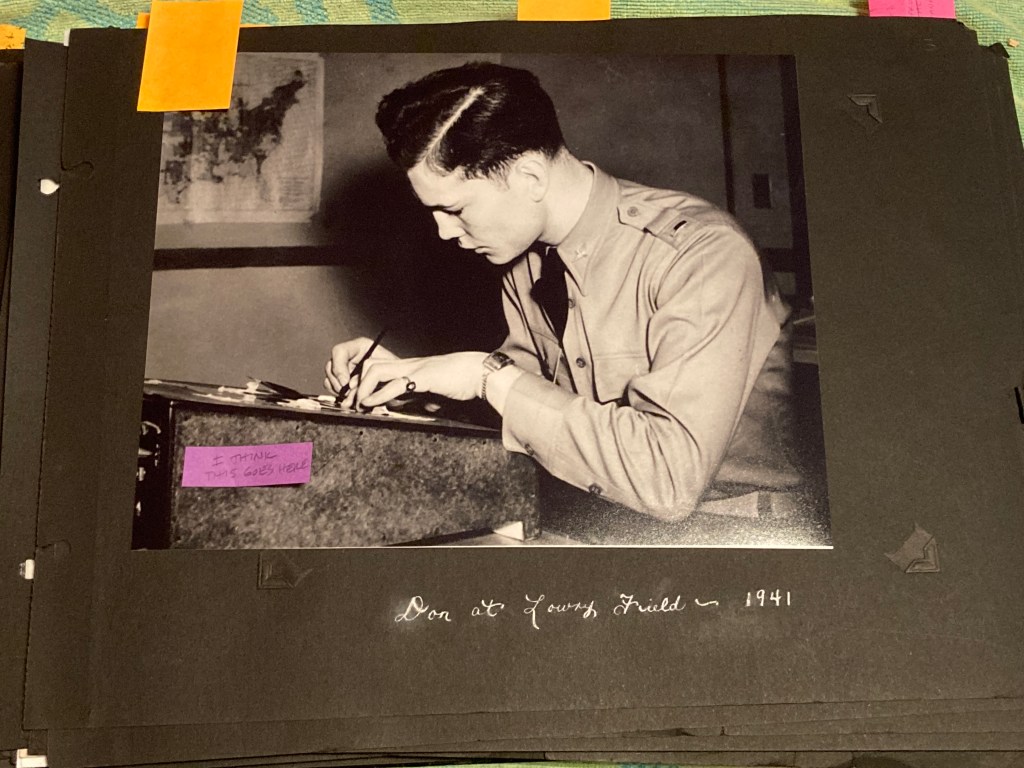
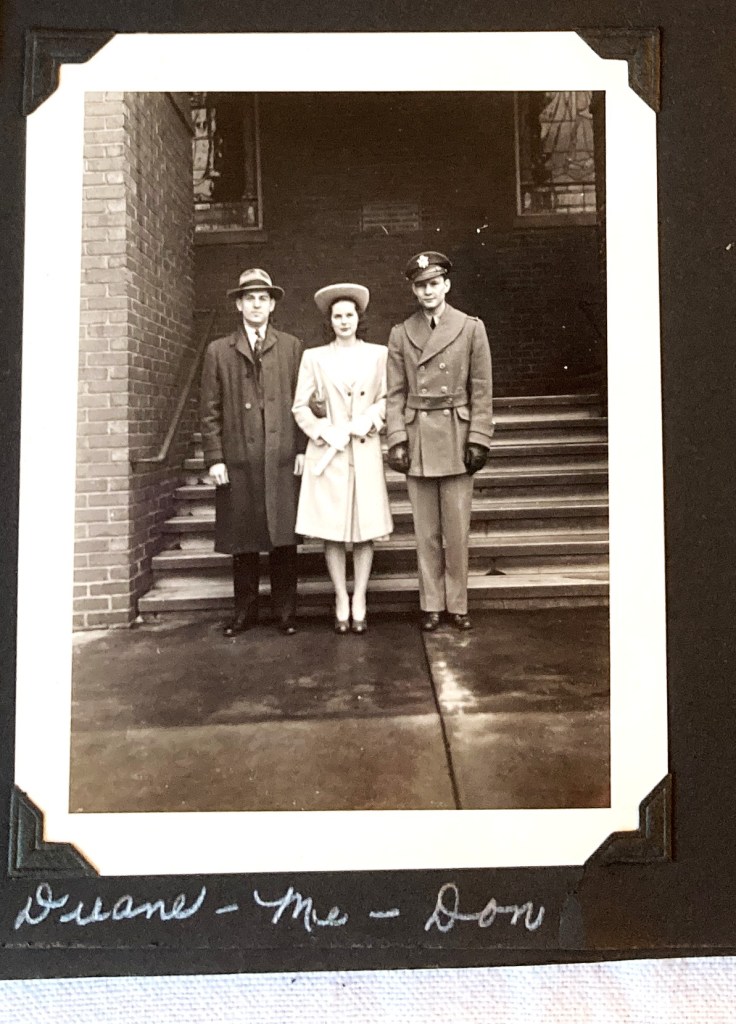
Duane Williams, Don’s fraternity brother, who had moved to New York and gone to work for American Airlines, made the flight arrangements and traveled to the wedding site with them in Bristol, Tennessee on Feb. 25, 1942. (#7)
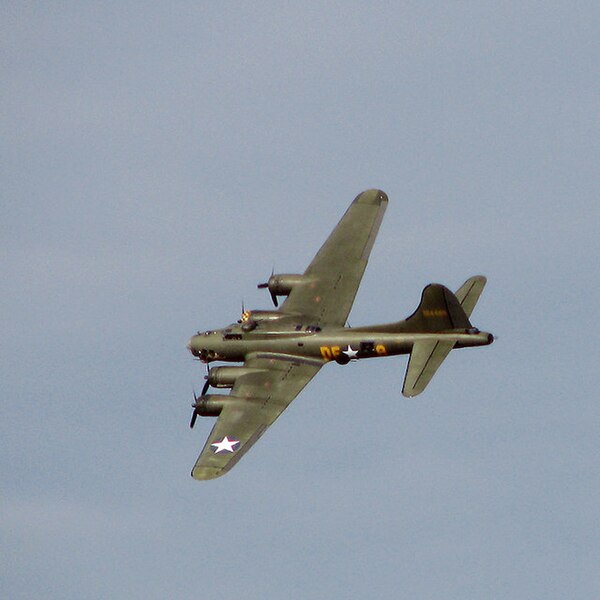
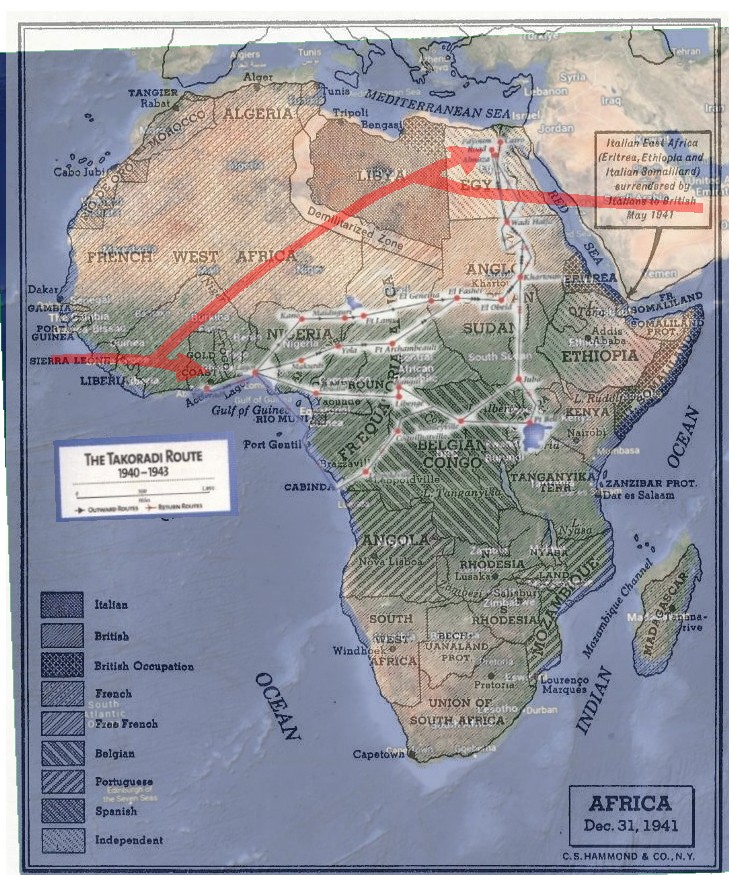
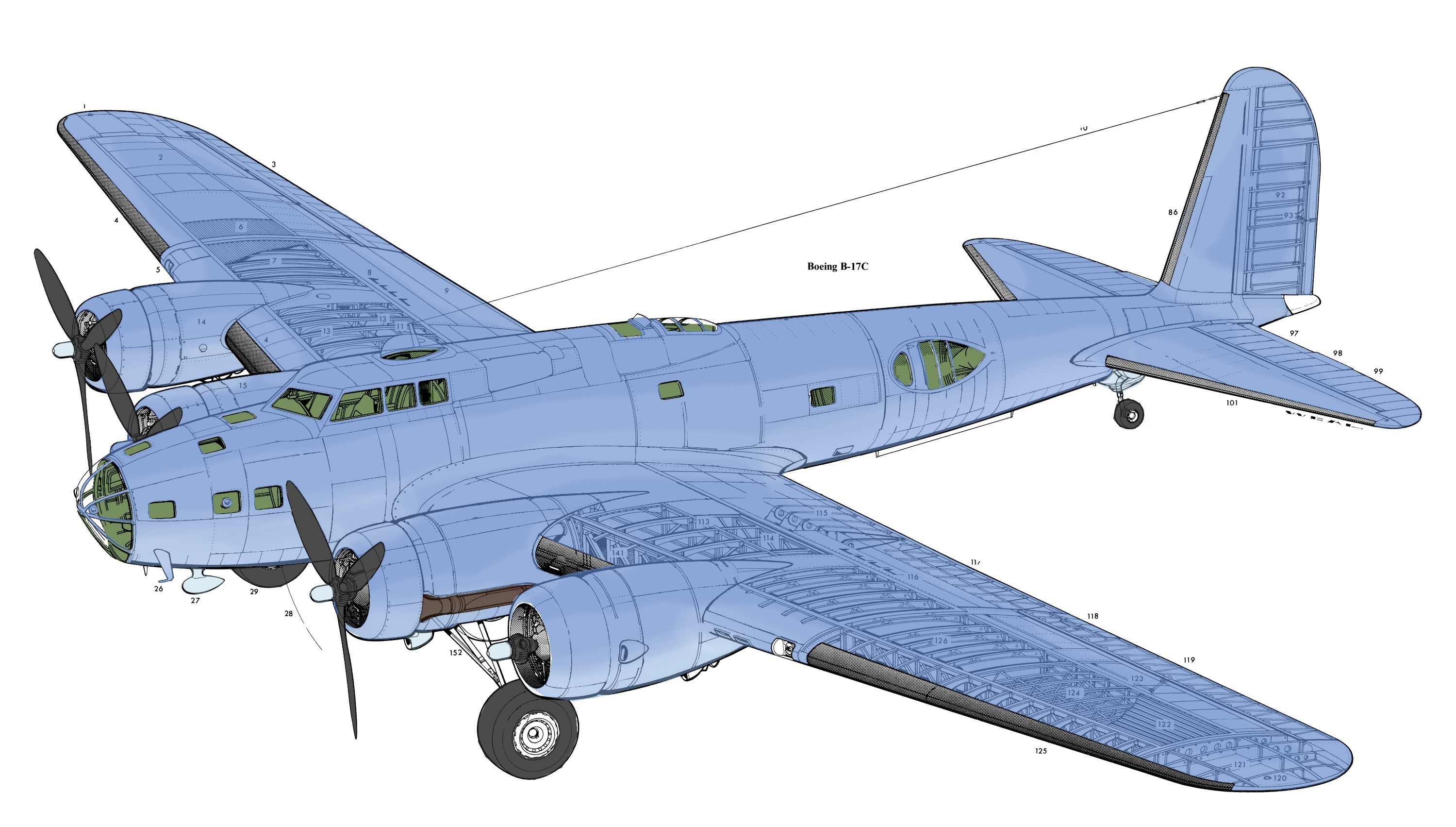
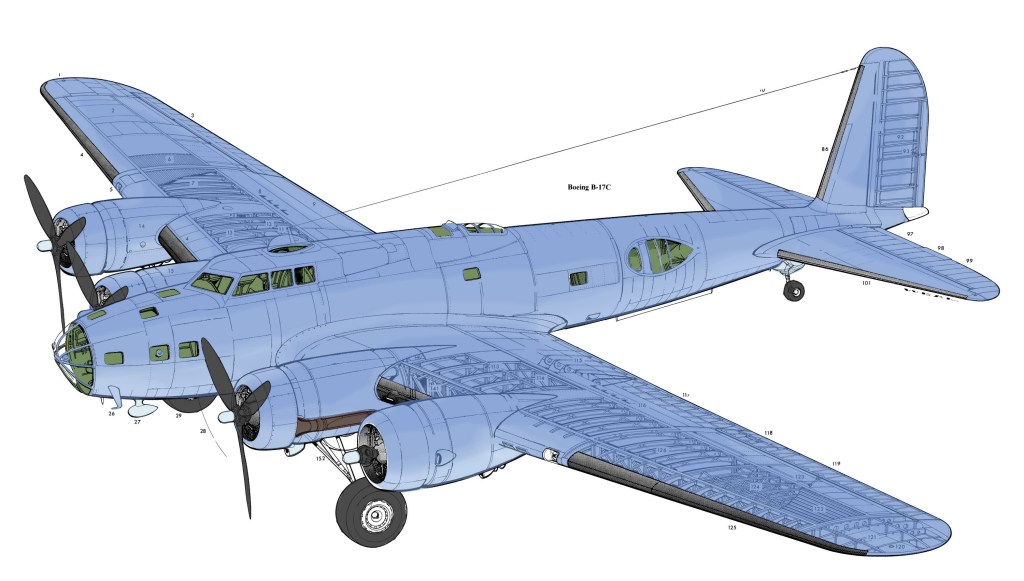
The timing was fortuitous because Don was assigned to a top-secret mission named “Operation Rusty” on March 3, 1942 – less than two weeks later. It was an aerial photo mapping mission based in Accra, Gold Coast and the objective was to map North Africa along the Mediterranean and as far as China. He, as co-pilot, assisted in flying one of two B-17 Flying Fortresses equipped for extended long range operation, at high altitudes.
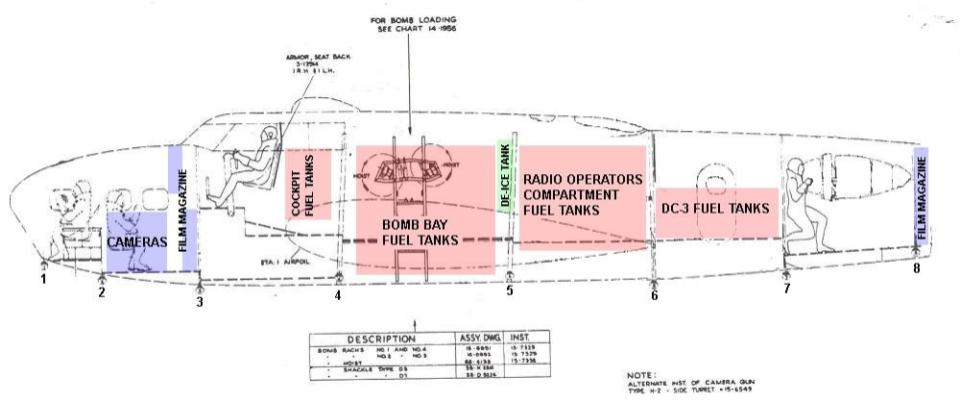
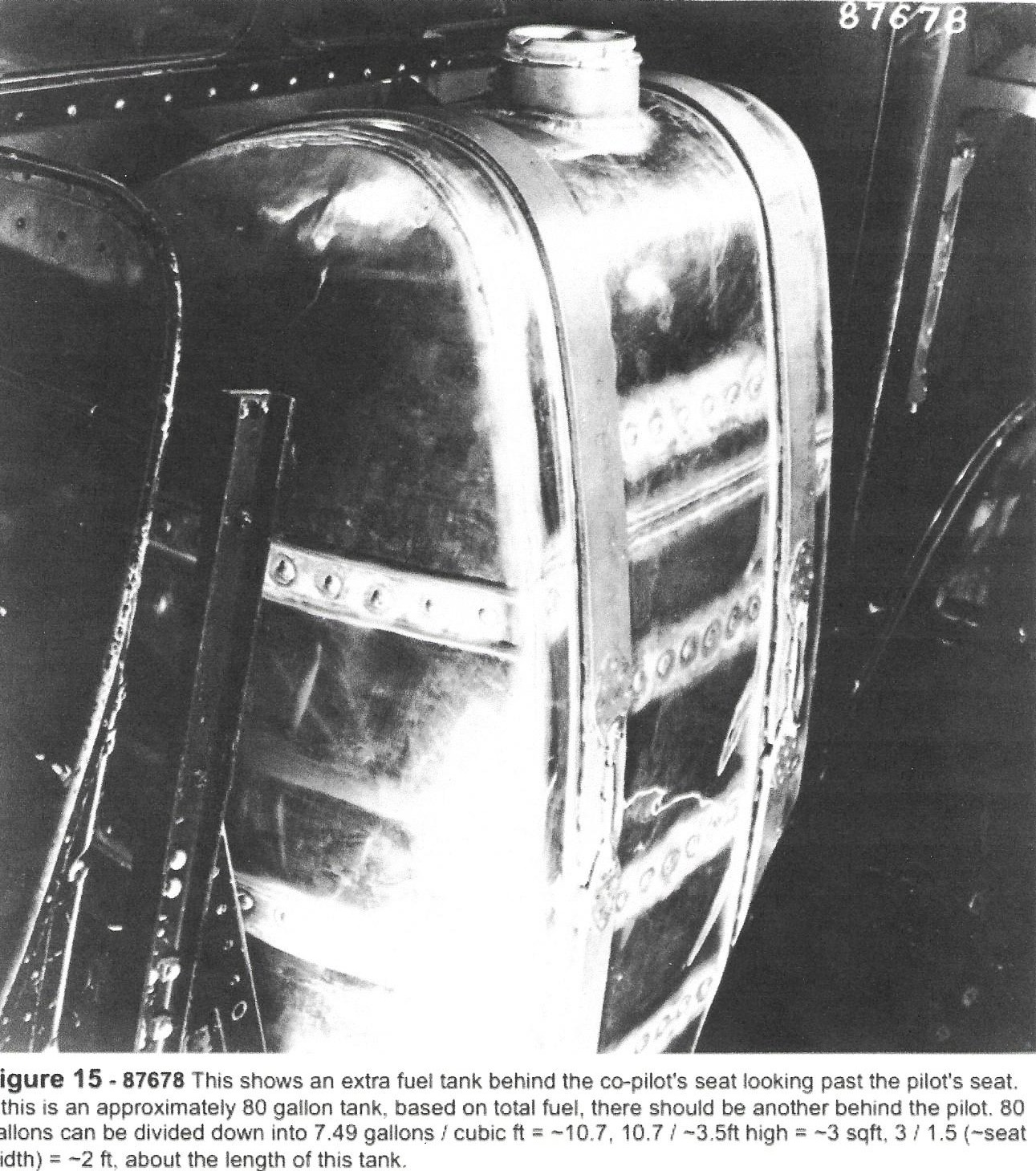
And were those two planes modified! “Two Boeing B‑17B ‘special flights’ were heavily modified by United Airlines at Cheyenne to carry six Fairchild K-17 cameras in a trimetrogon layout and extra long-range fuel tanks. They were painted haze-blue with identification marks removed.” A complete itemization of the alterations can be found at https://www.wikitree.com/wiki/Space:Operation_Rusty#About_the_Aircraft
Interviewed after the War, one of the crew members, Lt. William Teague (23) said:
“Our Flying Fortress had to be equipped with cameras and plenty of gas tanks. Each plane had a 3,900-gallon capacity. It was impossible to carry guns of any sort on the bombers. Weight was so carefully allotted that we weren’t even allowed to carry coins in our pockets. In case of enemy attack, our only weapon was altitude, but that was enough.” (#8) (#9 – #12)
He met Captain Elliott Roosevelt, son of the President, who was his chief navigator for the missions shortly after that point. Don’s letters indicate that he and Elliott visited the White House a few times to discuss the mission with FDR. Roosevelt ultimately became a general in the Army Air Force.
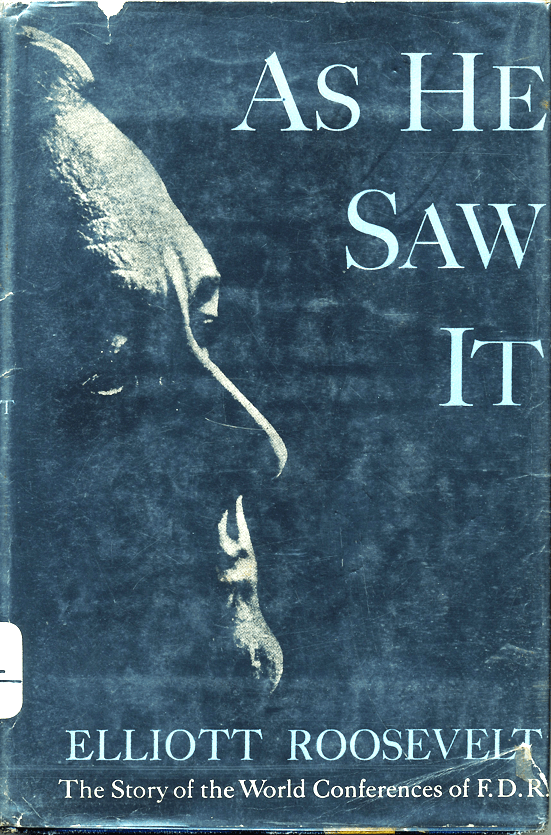
The excerpt below from pages 51 – 56 of Roosevelt’s book (As he saw it by Elliott Roosevelt | Goodreads) provides fascinating insight on Operation Rusty.
“….unexpectedly, secret orders came through directing that I report to the commander of the First Mapping Group at Bolling Field, in Washington. There was so much secrecy attending my orders, and the nature of my future assignment, that my hopes were really soaring. Must be something big and important. Surely some sort of overseas assignment.
Well, it was an overseas assignment, all right, but when I found out what it was,
I was a little disgusted. It had code name: RUSTY PROJECT, and it seemed so tame to me that it was more than rusty, it was broken. I was one of two navigators to be assigned to do aerial intelligence and mapping photography of large parts of northern Africa. Africa!
Just before we left, I had a talk with Father, one of our after-breakfast-before-the-day’s-work chats, during which I told him with some disappointment about my supposedly ‘super’ assignment.
To be sure, it was top-secret, but I figured it was possible the Commander-in-Chief knew about it already. He did, and he quickly undertook to explain to me why my job was in fact more important than I had thereto-fore believed. Like all of his explanations, it also served to give me more perspective on the problems and strategies of global warfare, too. He began by glowing with pleasure when I told him what my job was to be.” (#13) (#14)
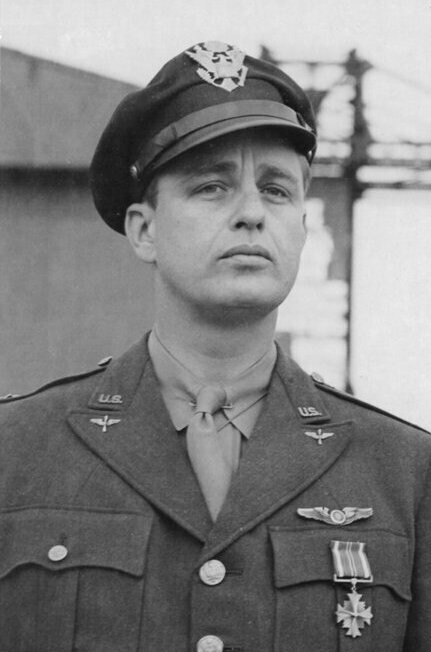
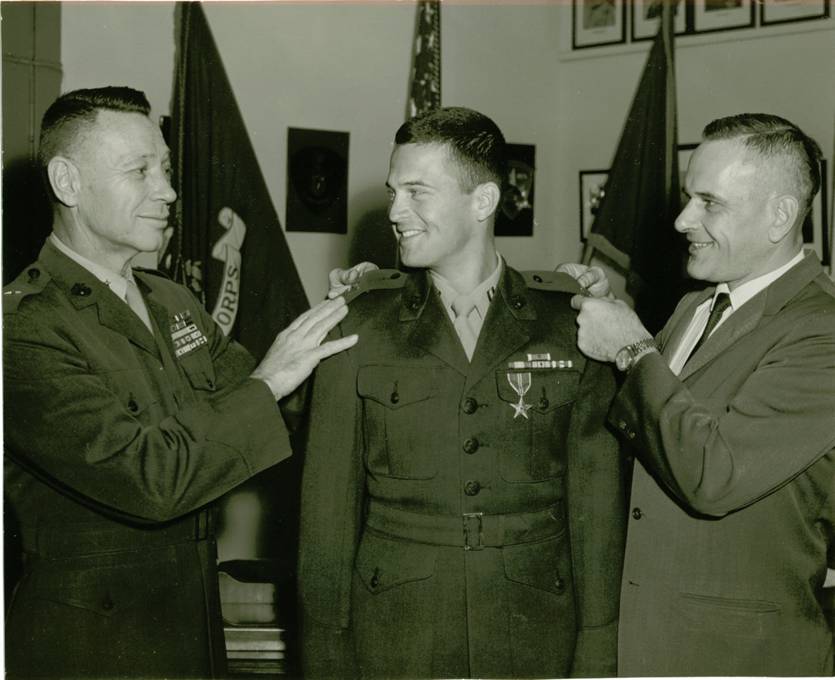
After the completion of one part of the mission, Don’s letter indicated that he was the last out of the B-17. The crew was standing around and Elliott Roosevelt pinned his own captain’s bars on Don. Roosevelt had just been promoted to major and also wanted to immediately recognize Don’s new rank. (#15)
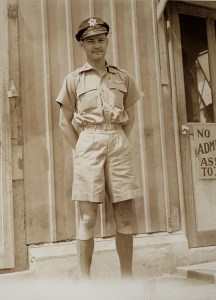
Promoted to Captain.
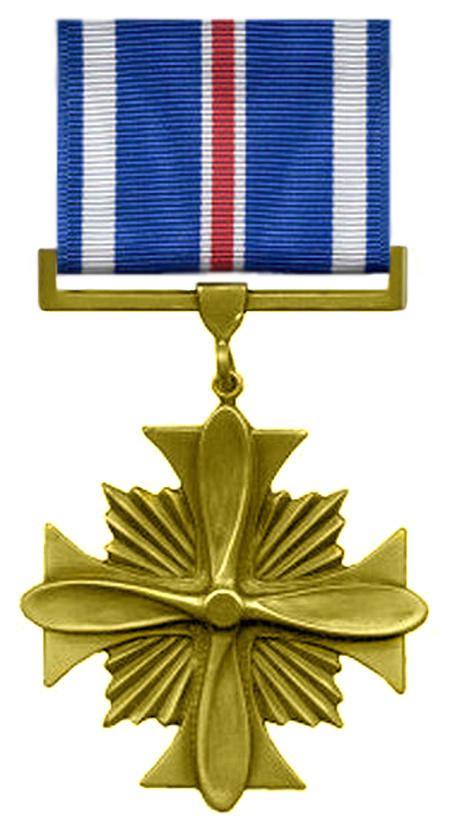
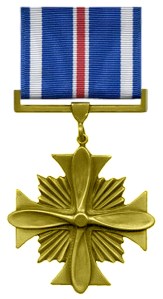
This description of Don Wilburn’s role on the final flight of Operation Rusty in April 1942 is solid evidence of why the DFC was eventually awarded. Jason Garver, friend of the Wilburn family has done extensive research and documentation and his description for WikiTree is below:
“40,000 miles, of which nearly half were flown while taking 18,000 photographs in direct preparation for the invasion, were a success. All that was left was for the B-17 to return to its remote base in Accra and transfer the film back to the US to make maps. Less than 1000 miles from this goal, disaster struck in the form of a runaway propeller that threatened to tear the aircraft apart.
To make matters worse this put the aircraft into an uncontrolled plummet that lost 17,000 feet in minutes. If any bailout had been attempted, Elliott and the cameraman would have been left hopelessly trapped in the cramped nose. With a crash a minute or so away, this is where Don Wilburn’s piloting skills came to the rescue. As if righting a plummeting, damaged aircraft was not enough, 800 miles still lie between them and the airfield. Don’s skillful actions made it successful, with everyone and all the film plates safe.
Don Wilburn’s ability to recover from the catastrophic failure and his safe landing of the severely damaged aircraft was critical in getting photographs and intelligence immediately back to The Pentagon. Don Wilburn’s plane was the only aircraft that could get the photographs needed, and crashing would have killed Elliott Roosevelt, causing a huge blow to America’s morale as a whole.” (#16) (#17 – #18)
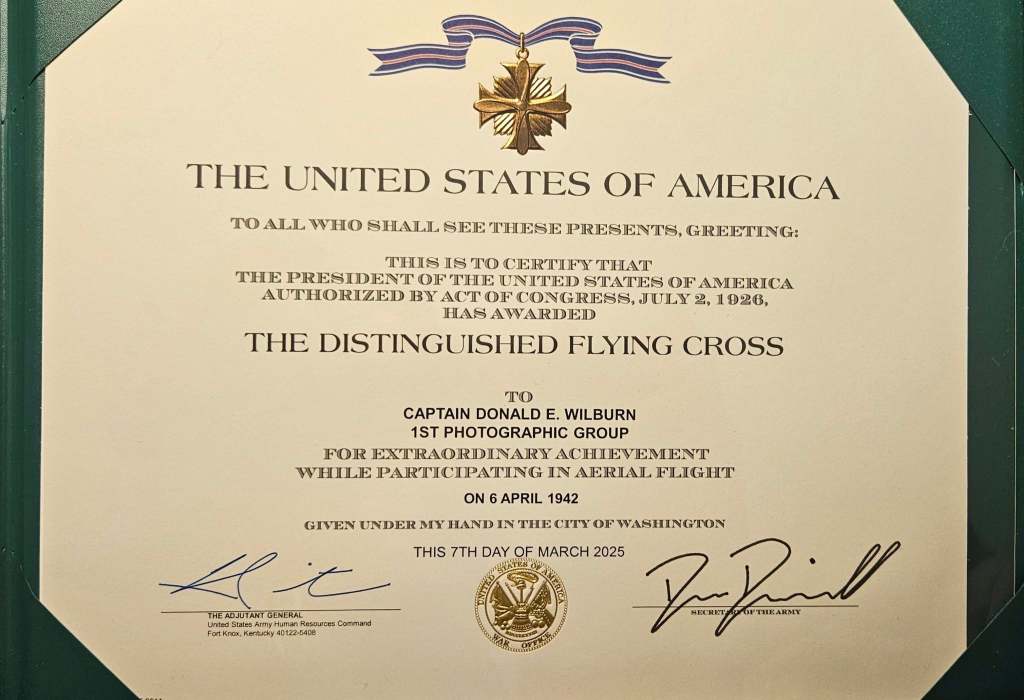
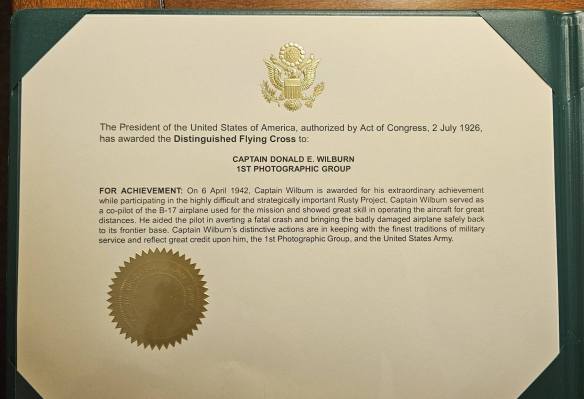
By the time they got back to Accra the aircraft was so damaged by vibration that it could not be repaired. Don removed the clock from the instrument panel and gave it to younger brother Gene when he returned to the States.
Another excerpt from Roosevelt’s book affirms the close call:
“Almost had to come down in the desert the last day. One engine nearly dropped off 850 miles from base over the desert but it froze and hung by hair & and after landing…the plane practically fell apart.”
Don’s aerial skills were also evident when they encountered German Messerschmidt 109’s and he eluded them by climbing and then ducking into clouds – remember there was no armament and no weaponry on the Blue Goose. (#19)
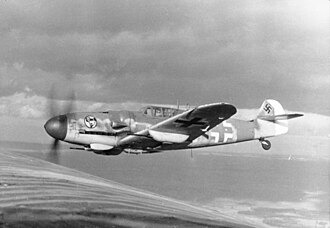
Eluded the Luftwaffe by evasion
Why did it take so long for Don Wilburn to receive the Distinguished Flying Cross – eighty-three years? Tragically, after arriving back in Washington DC in 1942, he was assigned to duty at MacDill Field in Florida and on a solo flight to the base, he was killed when his plane went down in bad weather on June 1, 1942.
The recommendation for the DFC was first made in 1942 by Colonel Paul Cullen – the commanding officer on the flight where Don’s piloting saved his crew and the plane. Cullen ultimately rose to the rank of Brigadier General.
He was lost on March 23, 1951, along with four senior Strategic Air Command staffers and fifty fliers who mysteriously disappeared with their C-124 transport over the Atlantic Ocean. https://en.wikipedia.org/wiki/1951_Atlantic_C-124_disappearance (#20) (#21)

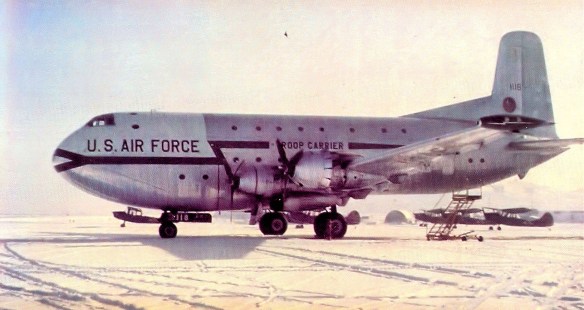
Cullen and the senior staffers were enroute to England to set up the 7th Air Division, which would spearhead any air assault against the Soviet Union, during a time of increasing tensions with the Communist bloc as the Korean War intensified.
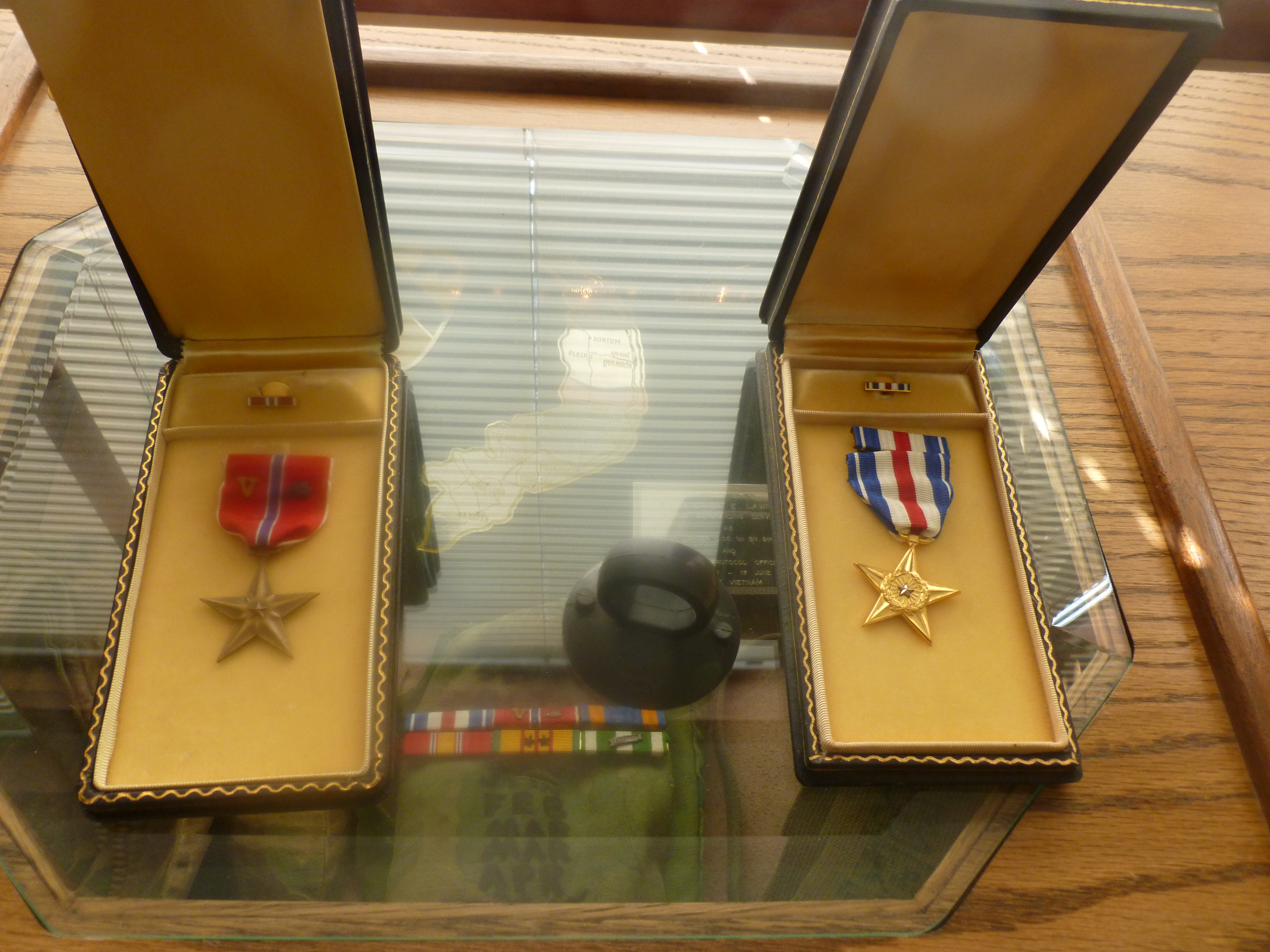
So, the only ones to pursue the DFC were brother, Gene and friends, Jason and Laura Garver and Sue Froehlich (Jeanette Wilburn Froelich’s daughter). With the help of Senator Chris Van Hollen of Maryland, it was finally presented to Gene Wilburn in May 2025. They also collaborated on a submission to the Library of Congress which is now in the archives. Donald Ernest Wilburn Collection | Library of Congress
Captain Wilburn was also honored by the establishment of the Wilburn Area at Bolling Field on July 11, 1942. Don’s parents and Gene were at the dedication of the plaque marking the Area. (#22 – #23)


Mission Success but Tragedy to Accomplish
Any account of Operation Rusty would be incomplete without including details of the flight crew lost on the second B-17 involved in the project:
“In the first days of April 1942, the mission began. The second B-17 went missing, no wreckage was ever found…Now, the entire mission depended on one aircraft and one crew. B-17B tail number 38-223, under the command of Captain Lovell S. Stuber, departed from Borinquen Field (modern-day Ramey Air Force Base), Puerto Rico, for Trinidad on 9 April 1942.
Contact was lost at 1242 Greenwich Civil Time…with the last coordinates being 16°01′12″N 64°12′00″W, with the assumed loss of all on board.”
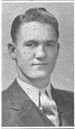
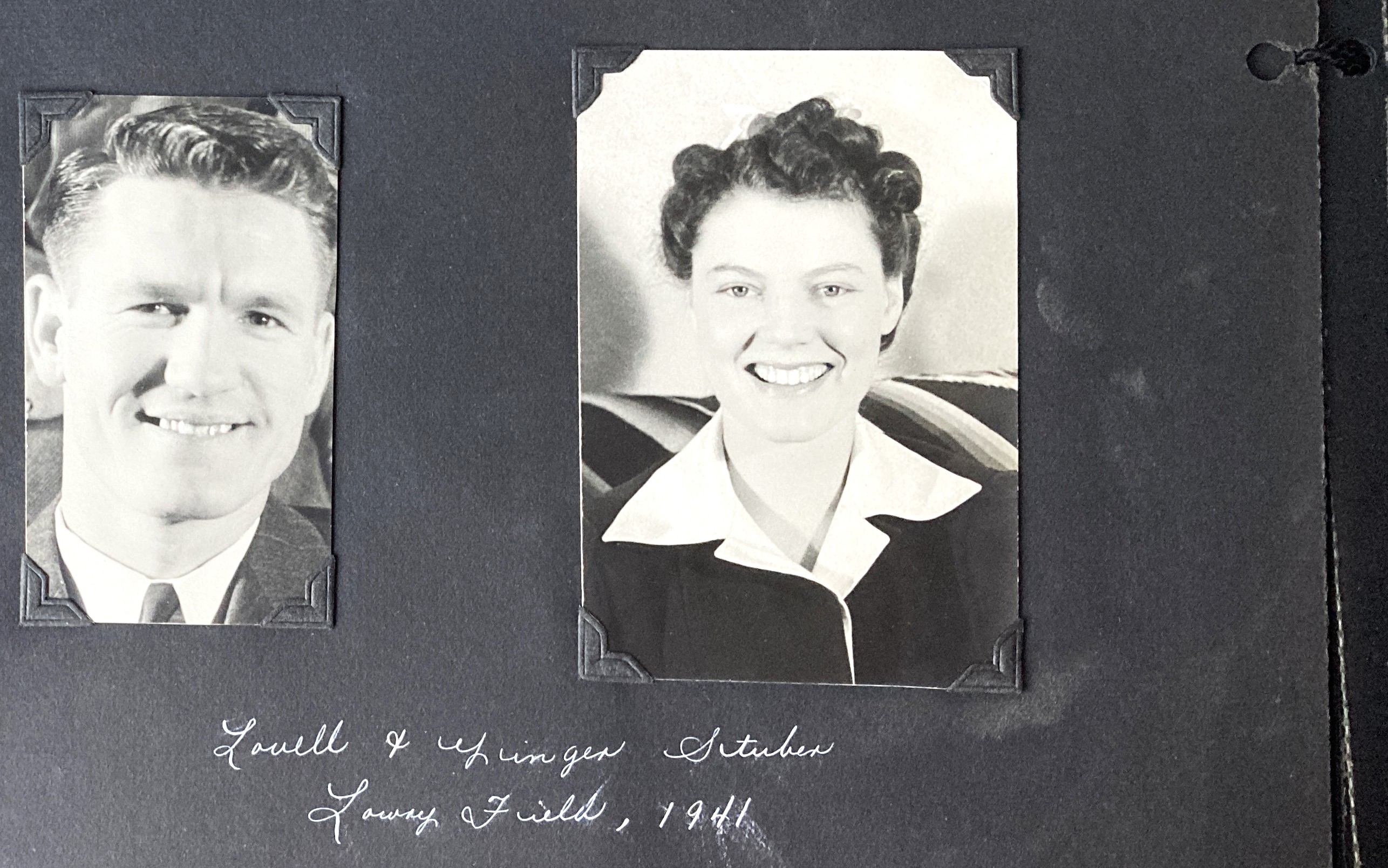
Lovell “Stube” Stuber and his wife, Ginger socialized with Don and Jeannette and were friends before the mission. There are photos in Jeannette’s album of the couples. Tragically, Captain Stuber left a widow and baby boy when his plane was lost. (#24) (#25)
In Closing
The story of Operation Rusty and those who participated in the successful mission is one of patriotism, extraordinary service and exemplary performance. The crew of the second Flying Fortress gave the last full measure of devotion for their country and were a critical part of the Allied war strategy.
The brotherly love of Gene Wilburn along with the perseverance of Jason and Laura Garver and Sue Froelich in pursuing the Distinguished Flying Cross for Don Wilburn is a remarkable story in itself.
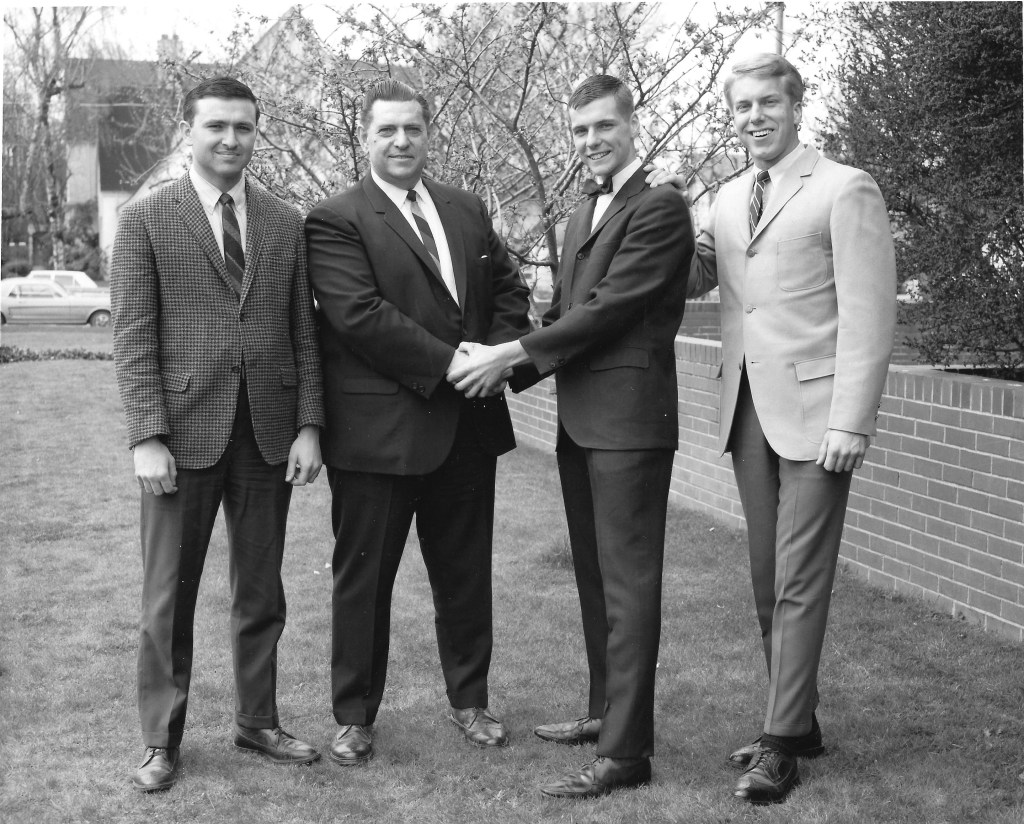
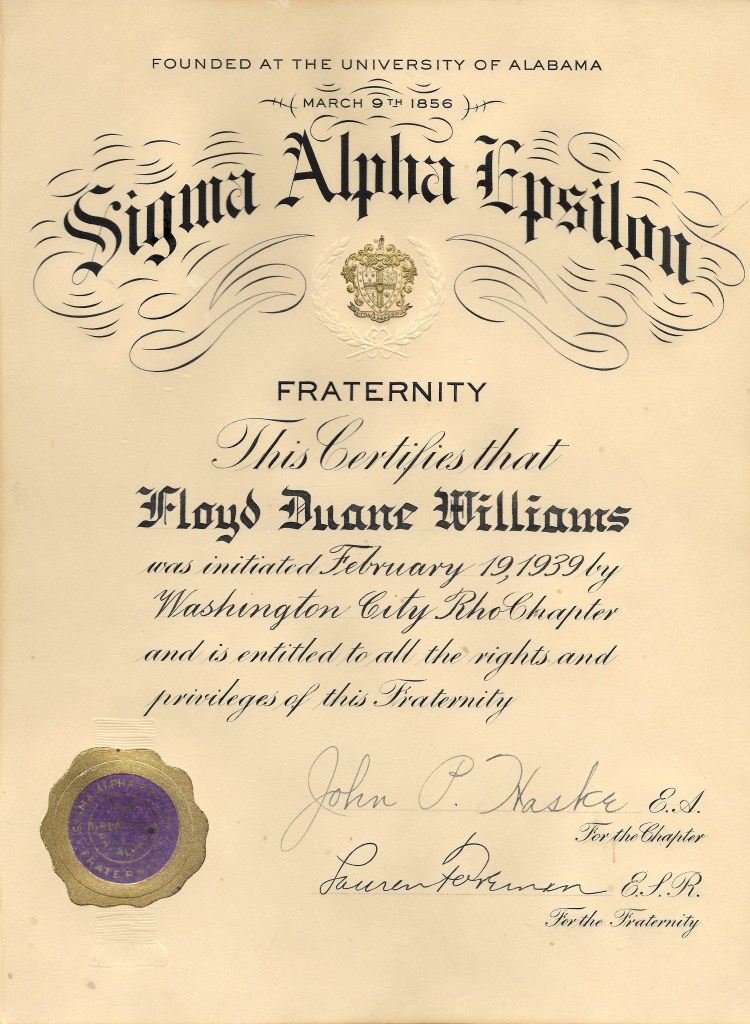
I’m also thankful to Sue Froelich for reaching out with the comment on this blog almost three years ago. While I knew that my namesake, Don Williams, was a wonderful friend of my dad and served as a pilot in the War, only to be killed in a tragic plane crash in the States, I never knew about Operation Rusty and his critical role in it. This makes the legacy of the gesture by my parents even more meaningful.
External Photo Attribution
#1 – #7, #15, #25. Photo Album of Jeannette Wilburn Stehman.
#8. Wikimedia Commons (File:Boeing B-17 Flying Fortress “Sally B” – geograph.org.uk – 4649104.jpg – Wikimedia Commons) Licensed under the Creative Commons Attribution-Share Alike 2.0 Generic license. Author: Evelyn Simak – 6 September 2015.
#9 – #12. Wikietree.com (https://www.wikitree.com/wiki/Space:Operation_Rusty).
#13. Public Domain – Wikimedia Commons (File:Lt Col Elliott Roosevelt (cropped).jpg – Wikimedia Commons) Author: US Army – 27 December.
#14. Amazon.com (As He Saw It: The Story of the World Conferences of F.D.R.: Elliott Roosevelt: Amazon.com: Books).
#15. Public Domain – Wikimedia Commons (File:Dfc-usa.jpg – Wikimedia Commons) The graphic is a representation of an award or decoration of the United States military. It is in the public domain because it contains materials that originally came from a U.S. military award.
#17. – #19. Facebook (https://www.facebook.com/photo/?fbid=122107407968856600&set=a.122098683860856600).
#19. Wikimedia Commons (File:Bundesarchiv Bild 101I-662-6659-37, Flugzeug Messerschmitt Me 109.jpg – Wikimedia Commons) This file is licensed under the Creative Commons Attribution-Share Alike 3.0 Germany license. Attribution: Bundesarchiv, Bild 101I-662-6659-37 / Hebenstreit / CC-BY-SA 3.0. This image was provided to Wikimedia Commons by the German Federal Archive (Deutsches Bundesarchiv) as part of a cooperation project.
#20. Public Domain – Wikimedia Commons (File:Brigadier General Paul T. Cullen.jpg – Wikimedia Commons) Author: US Air Force – circa 1949.
#21. Public Domain – Wikimedia Commons (22d TCS Douglas C-124A-DL Globemaster II 51-118 – 1951 Atlantic C-124 disappearance – Wikipedia) This image or file is a work of a U.S. Air Force Airman or employee, taken or made as part of that person’s official duties. Author: US Air Force – 1952.
#22 – #23 Facebook Page of Jason Garver ((3) Fans of the B-17 Flying Fortress | Facebook).
#24. Captain Lovell Stuber – Wikitree (Captain Lovell Stuber (https://www.wikitree.com/wiki/Stuber-182).







.jpg)


