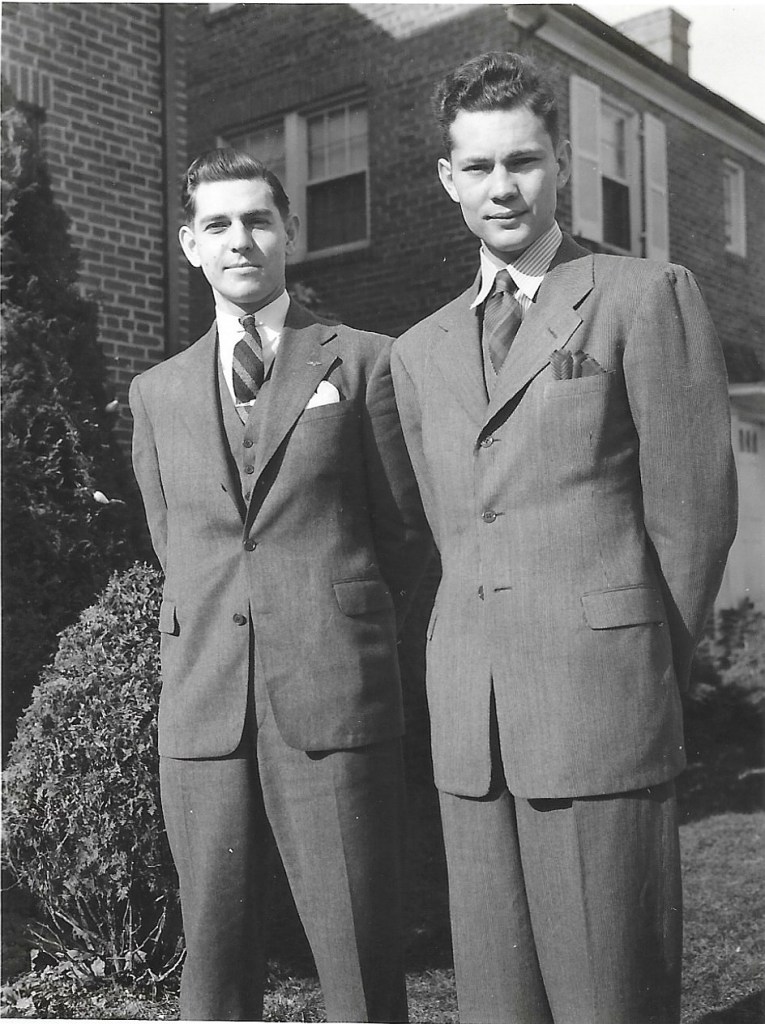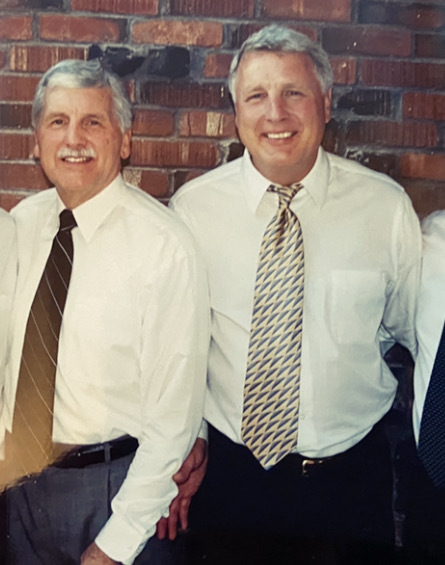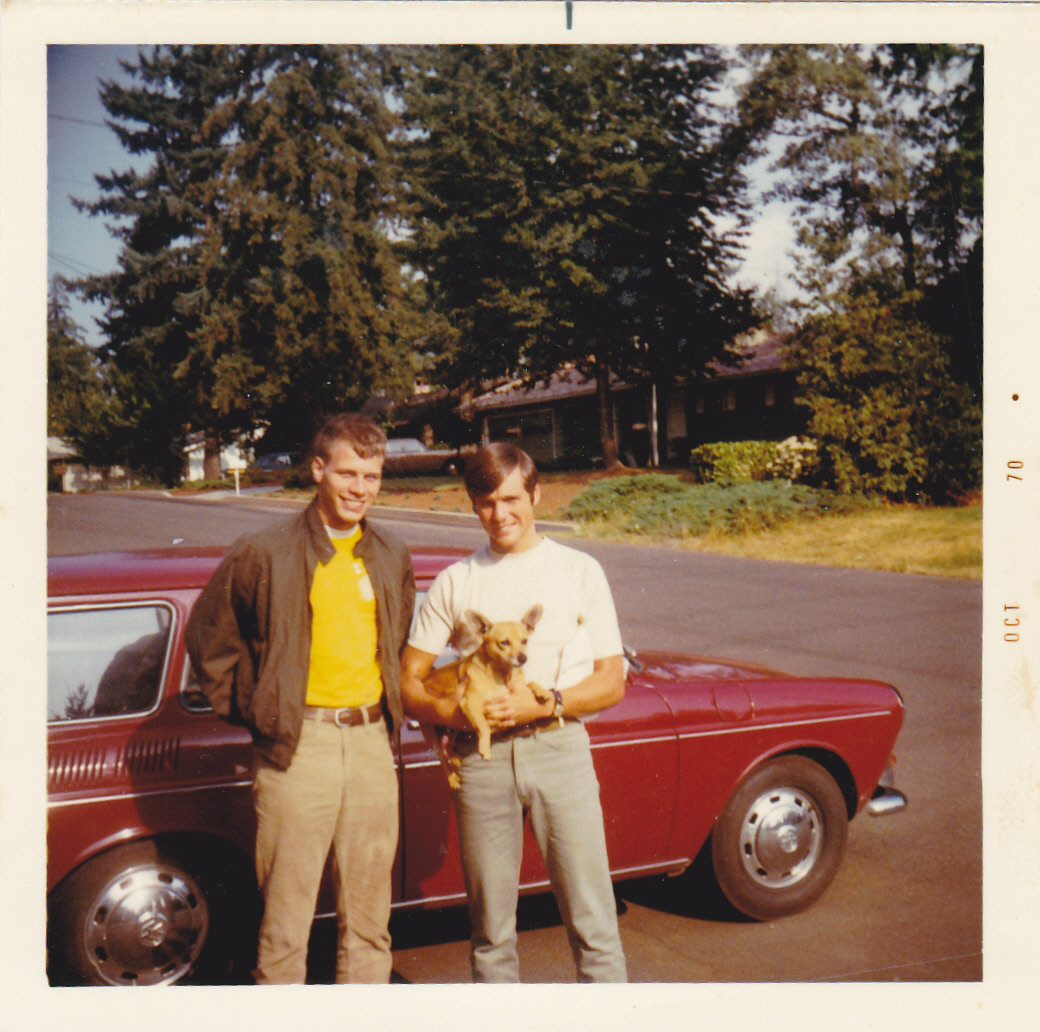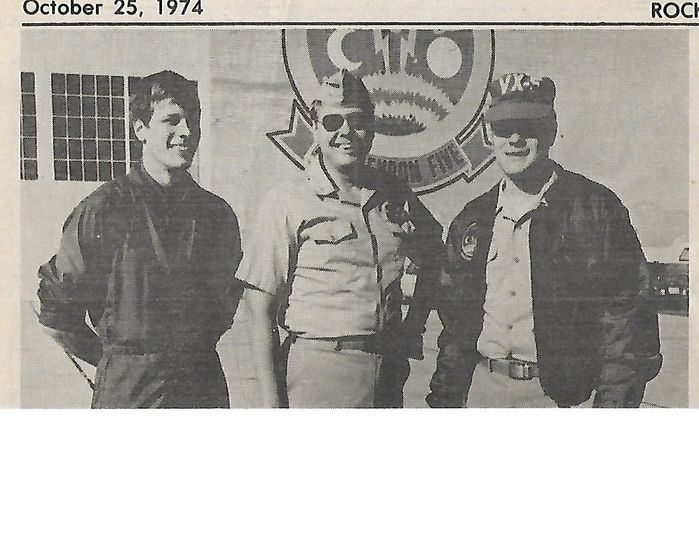
Beerchaser Notables – Captain Don Wilburn, US Army Air Corps – Part II

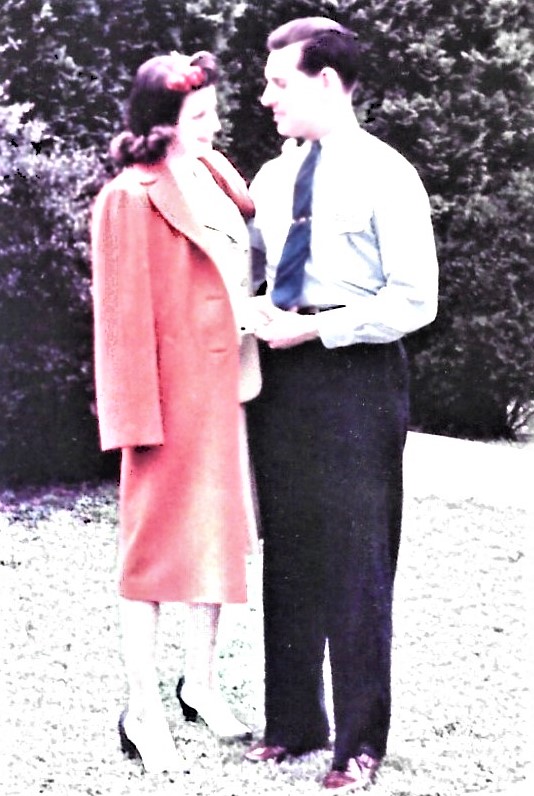
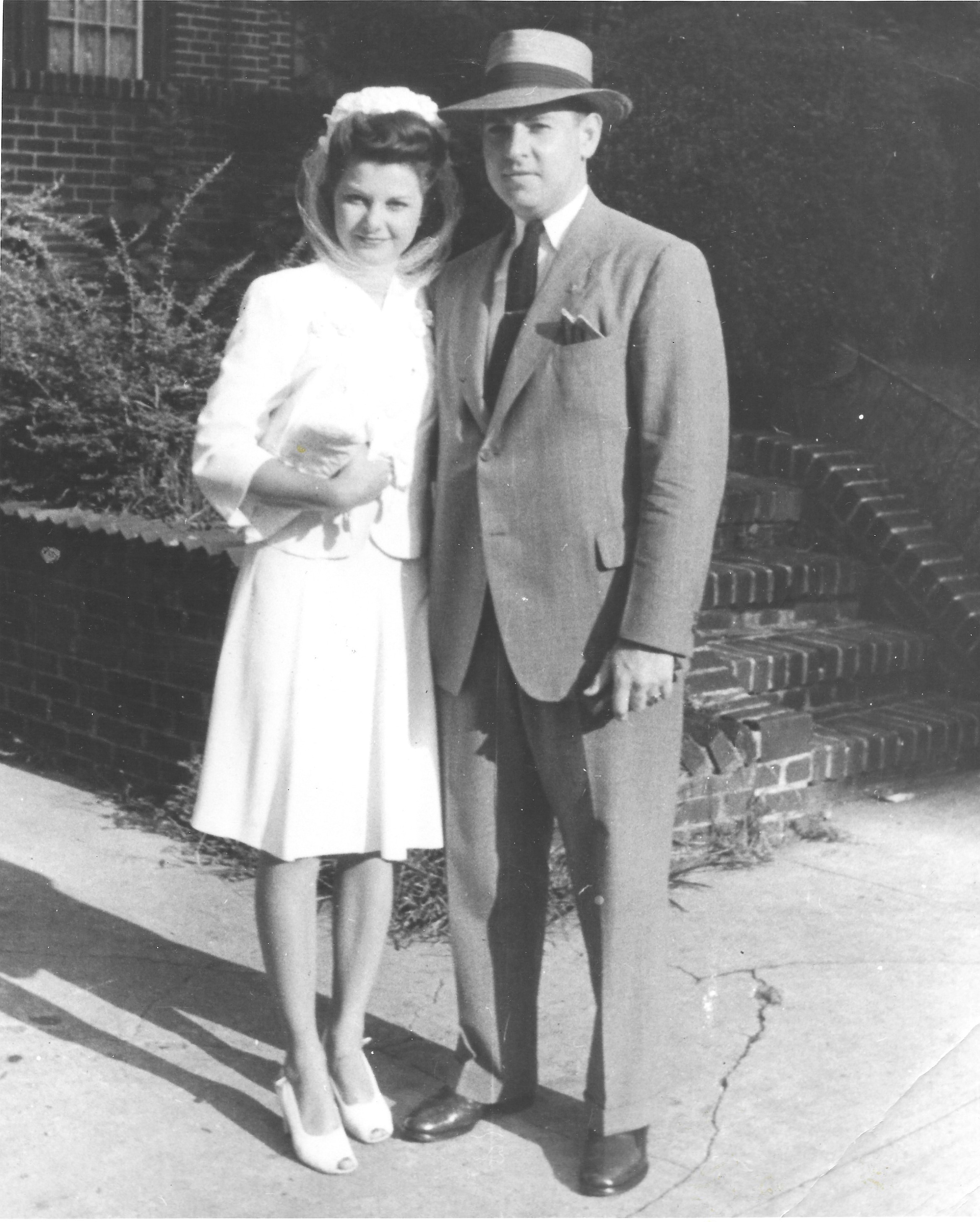
Don and Jeannette Wilburn

Welcome back to Thebeerchaser. If you are seeing this post through an e-mail, please visit the blog by clicking on the title at the top to see all of the photos and the narrative is not clipped or shortened. (External photo attribution at the end of the post) (#1)

In my first post on Don Wilburn, I related a bit about his heroic aerial missions during World War II and the long overdue award of the Distinguished Flying Cross, his time at George Washington University including his friendship with my dad at the SAE house and a bit about his beautiful wife, Jeannette. https://thebeerchaser.com/2025/06/29/beerchaser-notable-captain-don-wilburn-us-army-air-corps-part-i/

In this post, you will learn more about the top-secret mission known as Operation Rusty, the other participants in this undertaking including Elliott Roosevelt (son of FDR) who was the chief navigator on their B-17 named the “Blue Goose.”  The background on this mission is compelling and it will convey why I’m honored that my dad – FDW – named me – his first son, after his best friend and fraternity brother. (#2)
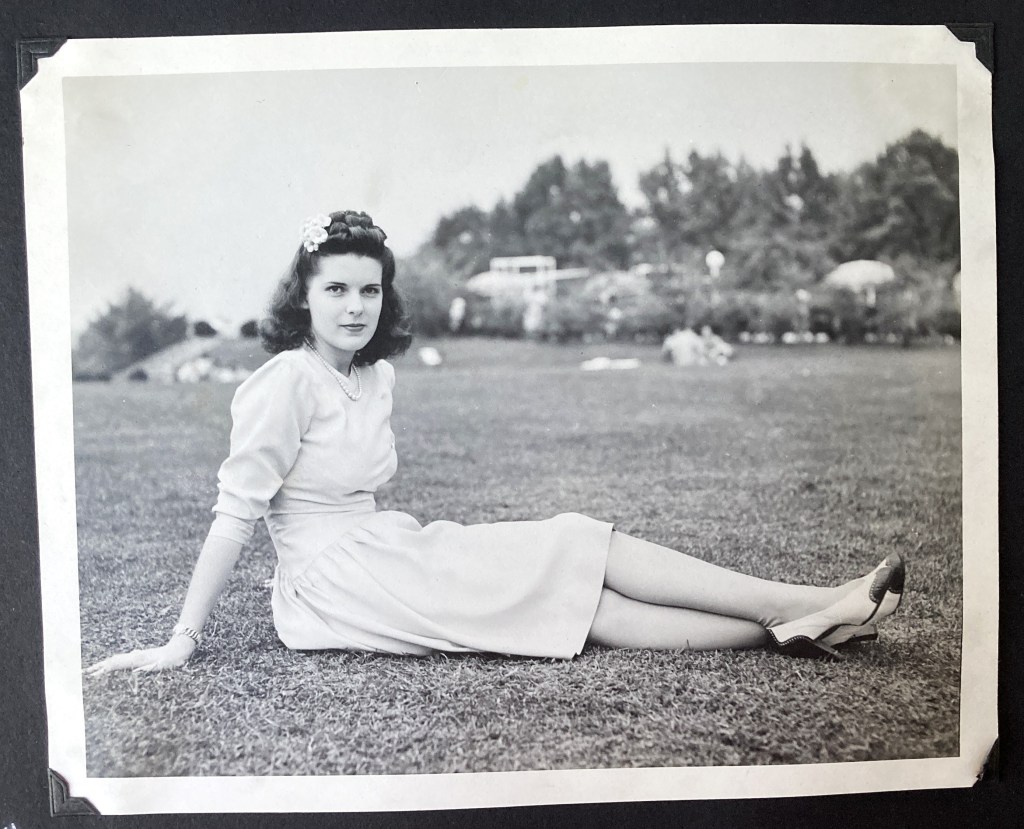
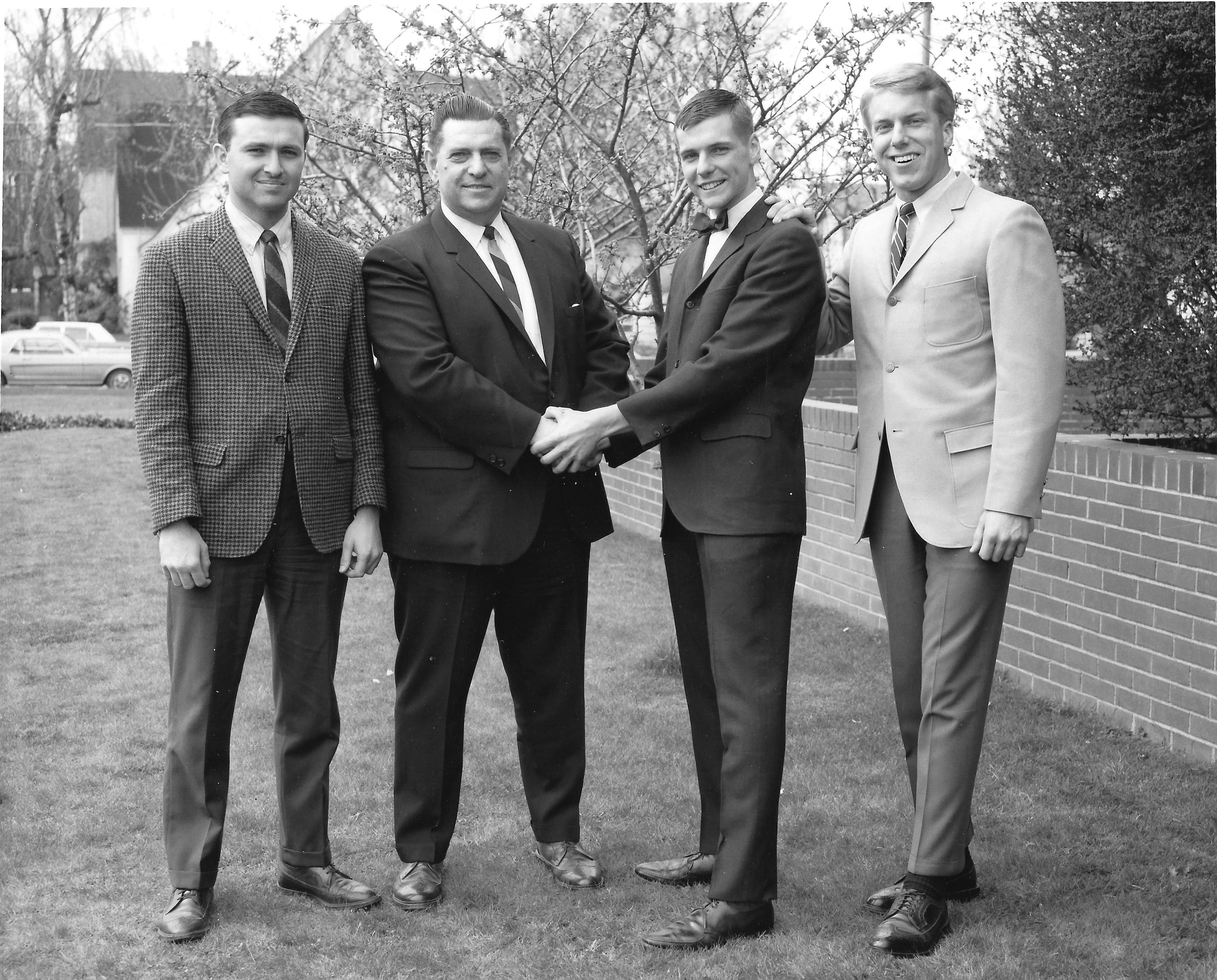
Don Wilburn met his future wife, Jeannette Stehman, when he was an SAE at George Washington University.  She graduated from Washington–Lee High School in Arlington, Virginia.  Jeannette attended SAE house dances at the Washington City Rho chapter such as the one shown from her photo album in the attached picture dated 1939.  Don and Jeannette are in the middle of the picture. 

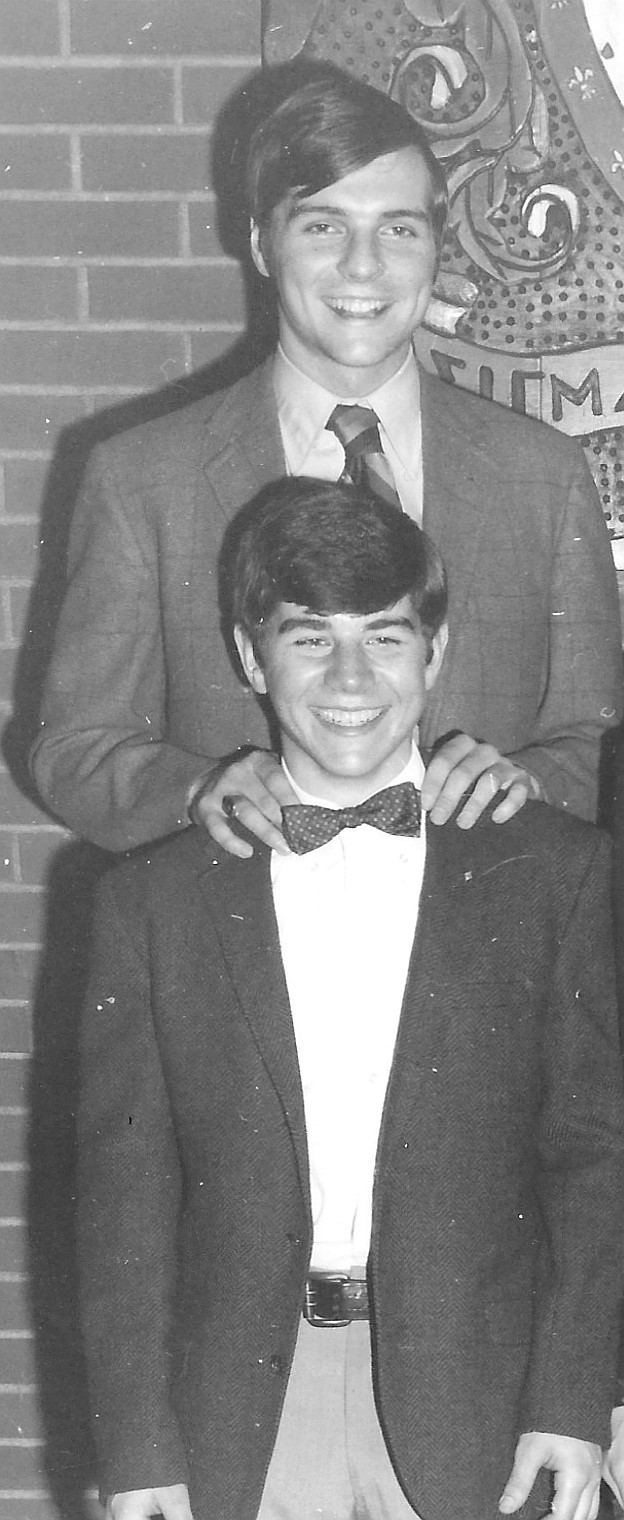
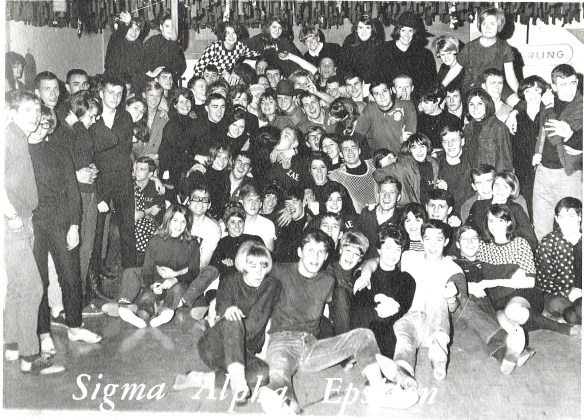
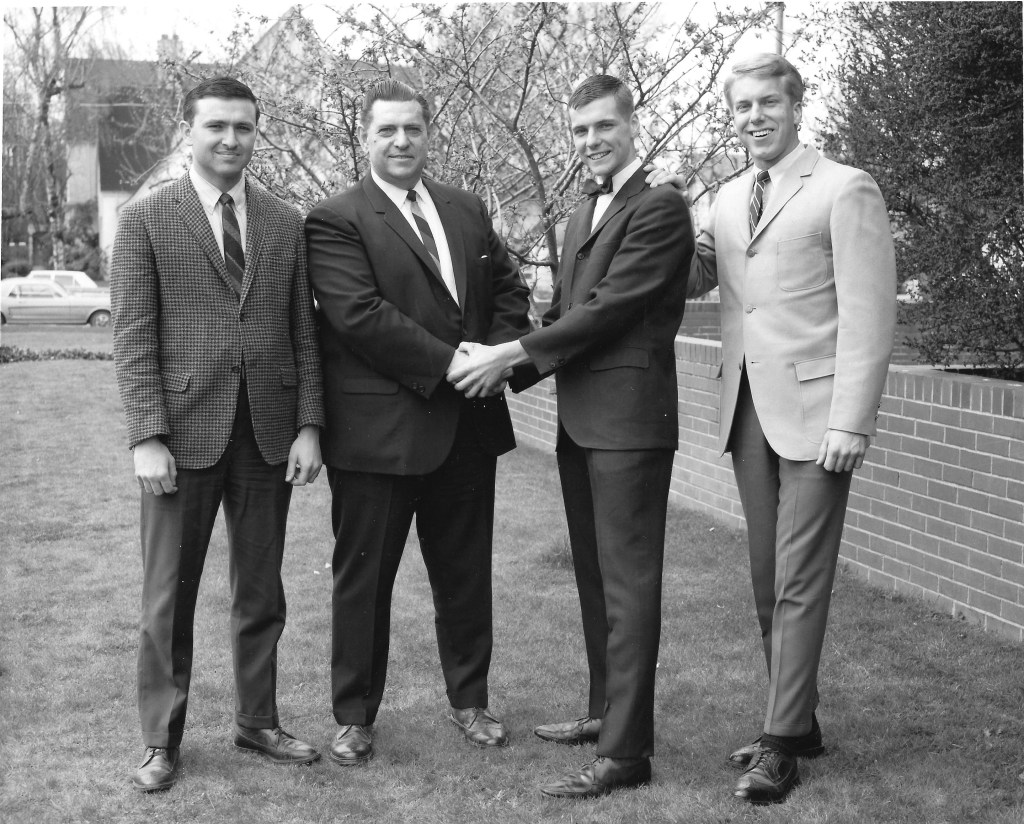
You can see that these were more formal affairs than the equivalent SAE functions I attended at Oregon State University such as the one shown below from a house dance in 1967. (We didn’t have a combo playing Big Band music.) (#3)
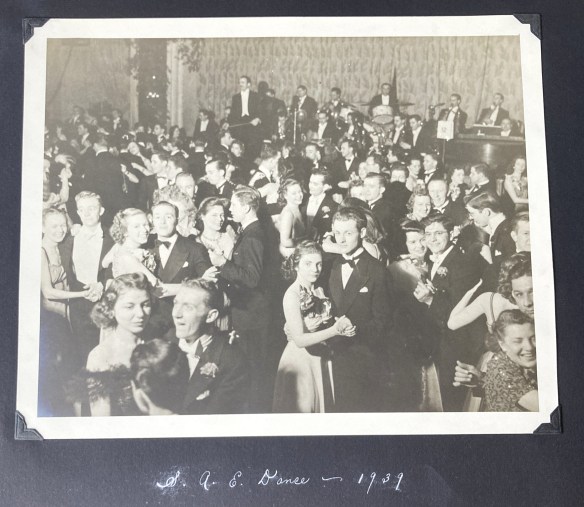
George Washington University – 1939
Oregon State University – 1967

Don’s goal had always been to be a military pilot, and he applied for Flying Cadet Training in June, 1938 and then had both initial and advanced pilot training in Texas in 1939-40. He was commissioned as a 2nd Lieutenant and received his pilot rating in November 1939.

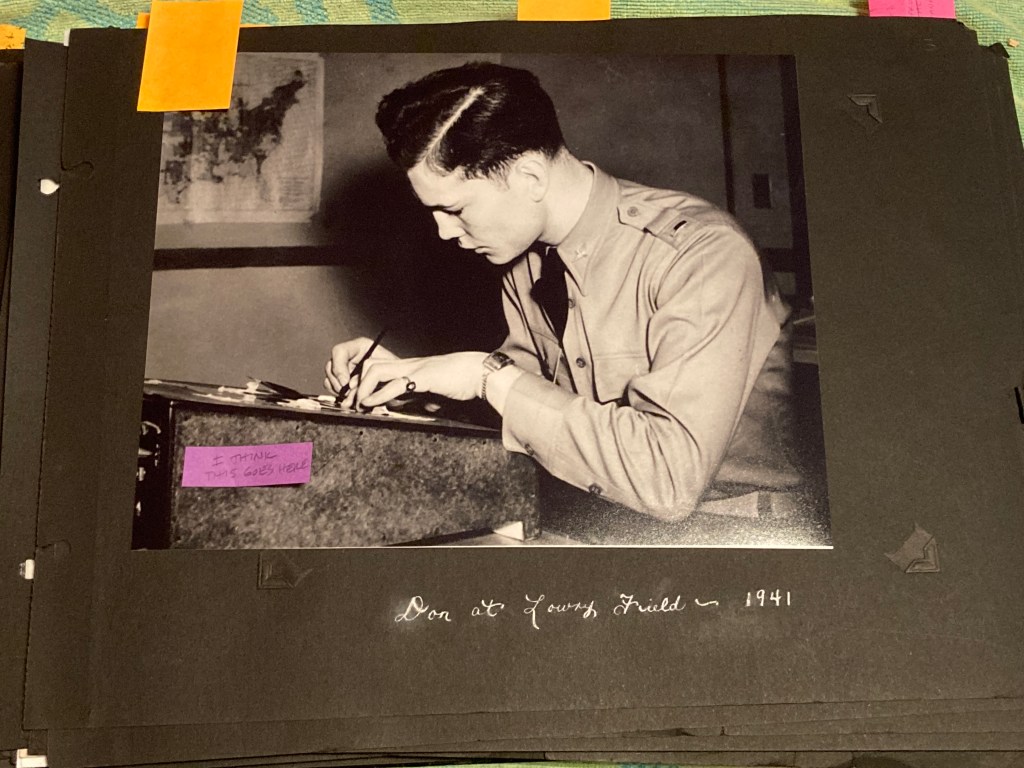
His primary duties were Intelligence and Operations and Don trained in aerial mapping photography and flew mapping missions in Alaska and across Canada.  Even with his rigorous training and duties as an officer, he took correspondence courses at the University of Texas and his regular letters to Jeannette chronicle his service.

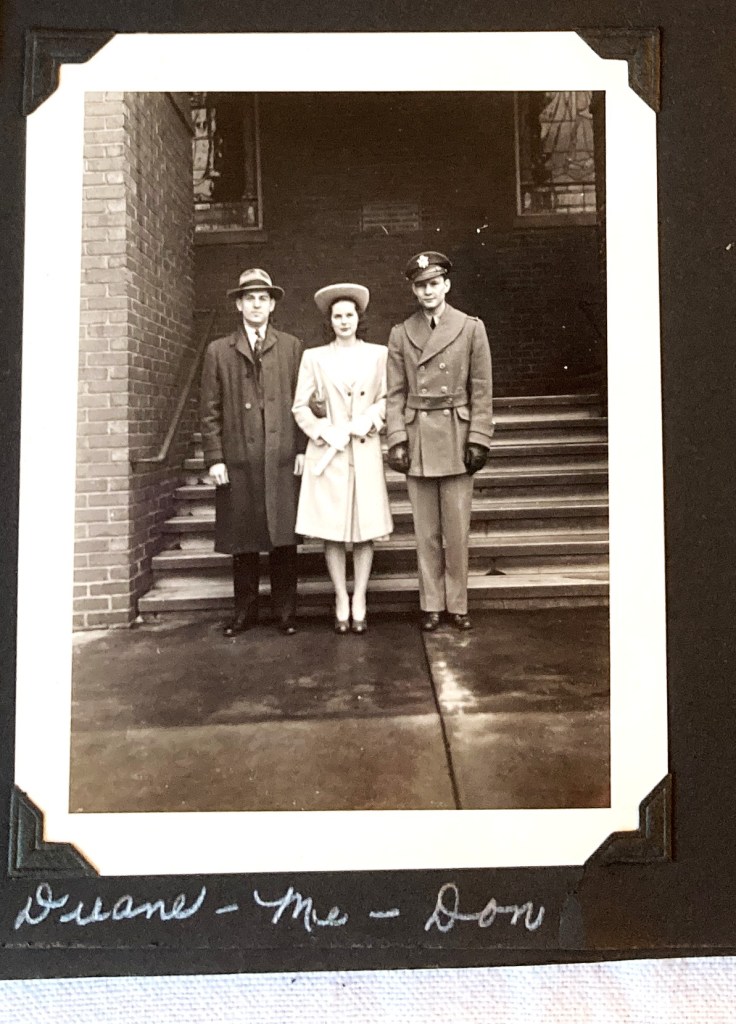
They began dating exclusively, when he returned to Bolling Field in DC in November 1941.  With the strong presumption that Don would be undertaking mission overseas, they decided to get married. (#4 – #6)
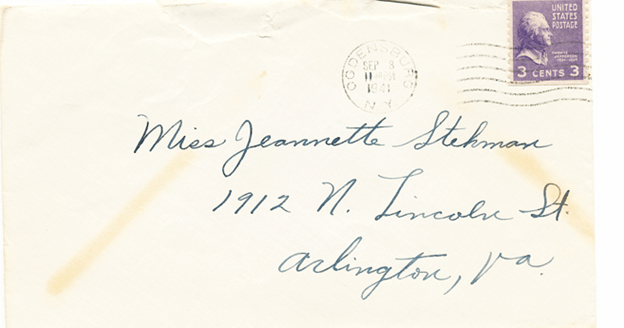
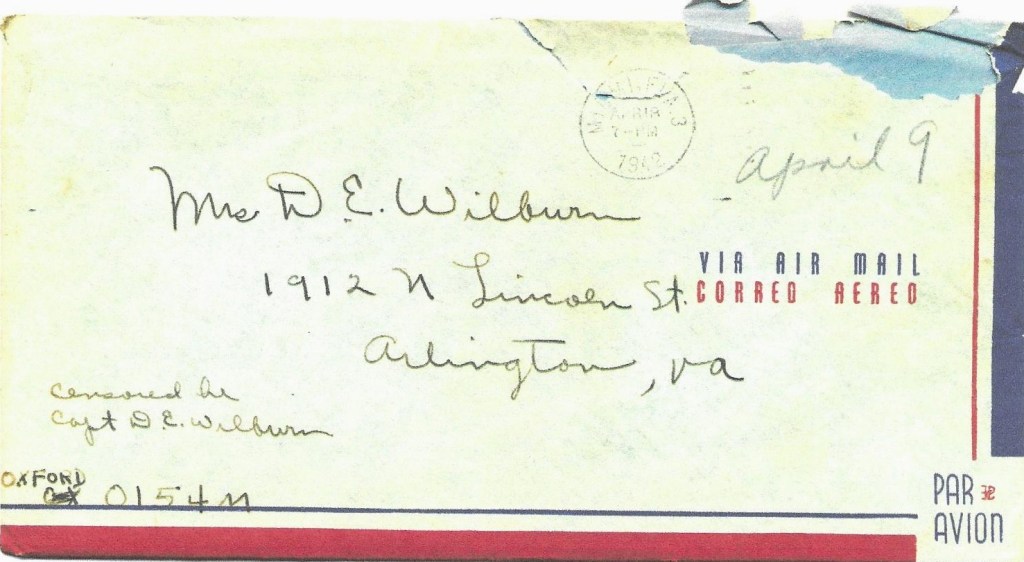
Duane Williams, Don’s fraternity brother, who had moved to New York and gone to work for American Airlines, made the flight arrangements and traveled to the wedding site with them in Bristol, Tennessee on Feb. 25, 1942. (#7)
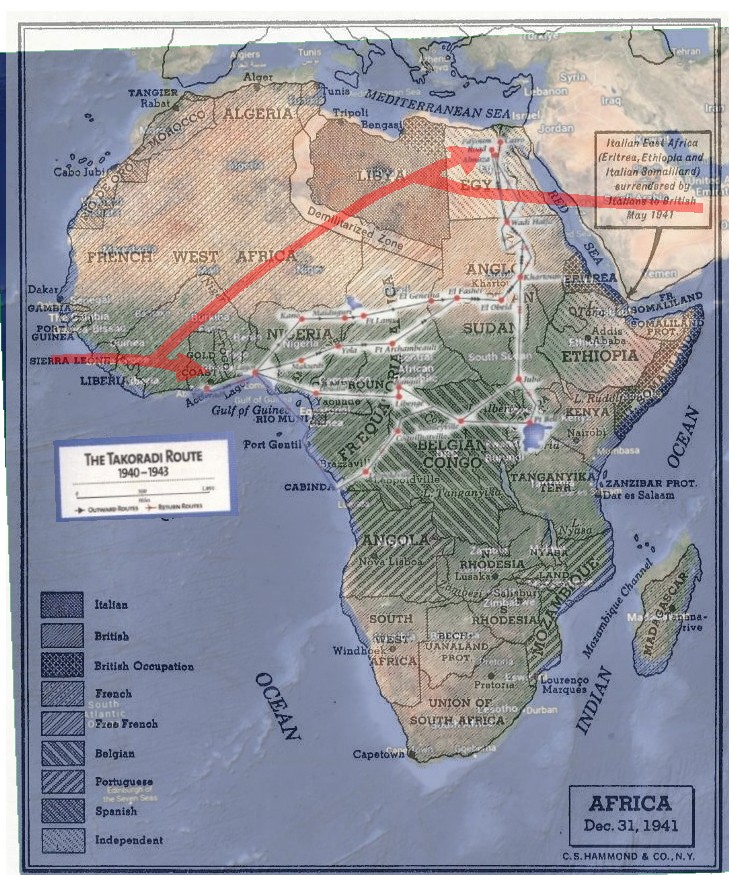
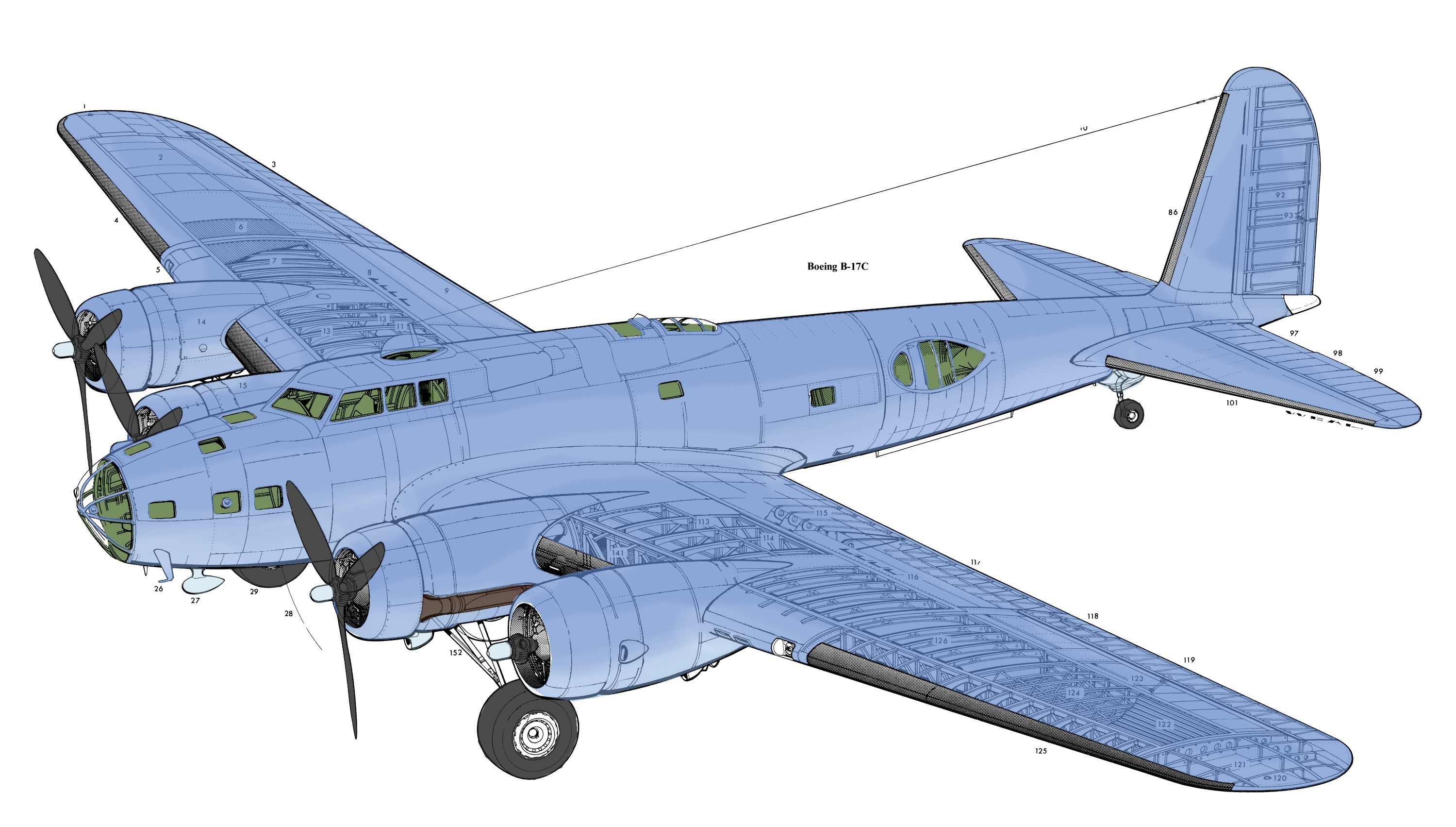
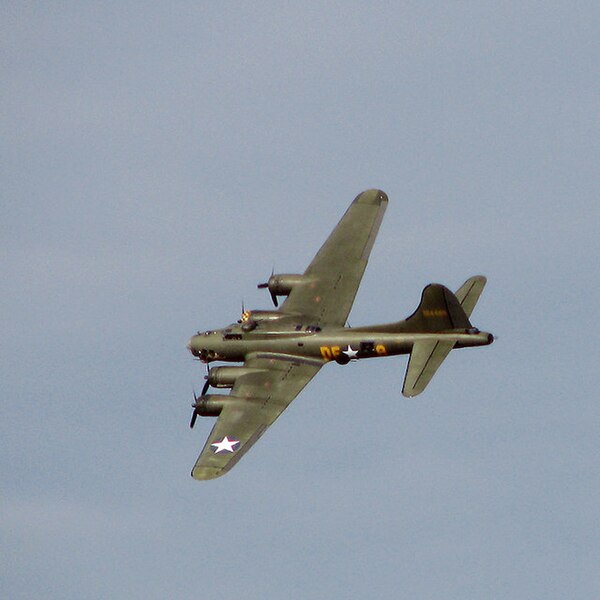
The timing was fortuitous because Don was assigned to a top-secret mission named “Operation Rusty” on March 3, 1942 – less than two weeks later.  It was an aerial photo mapping mission based in Accra, Gold Coast and the objective was to map North Africa along the Mediterranean and as far as China.  He, as co-pilot, assisted in flying one of two B-17 Flying Fortresses equipped for extended long range operation, at high altitudes.

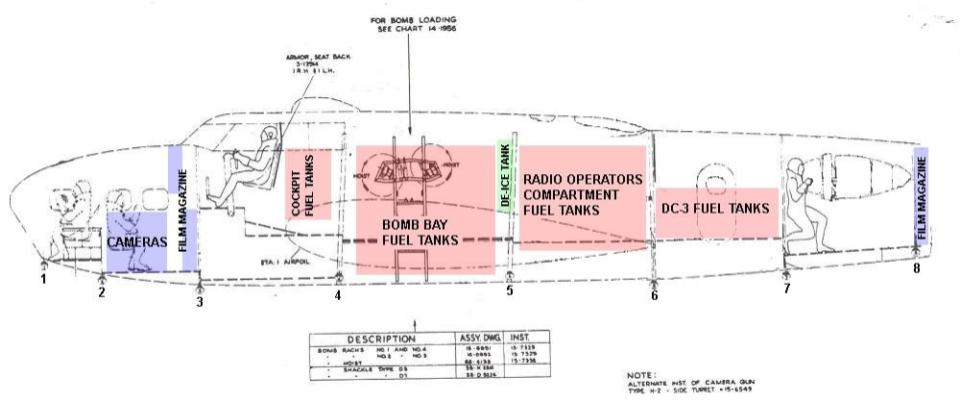
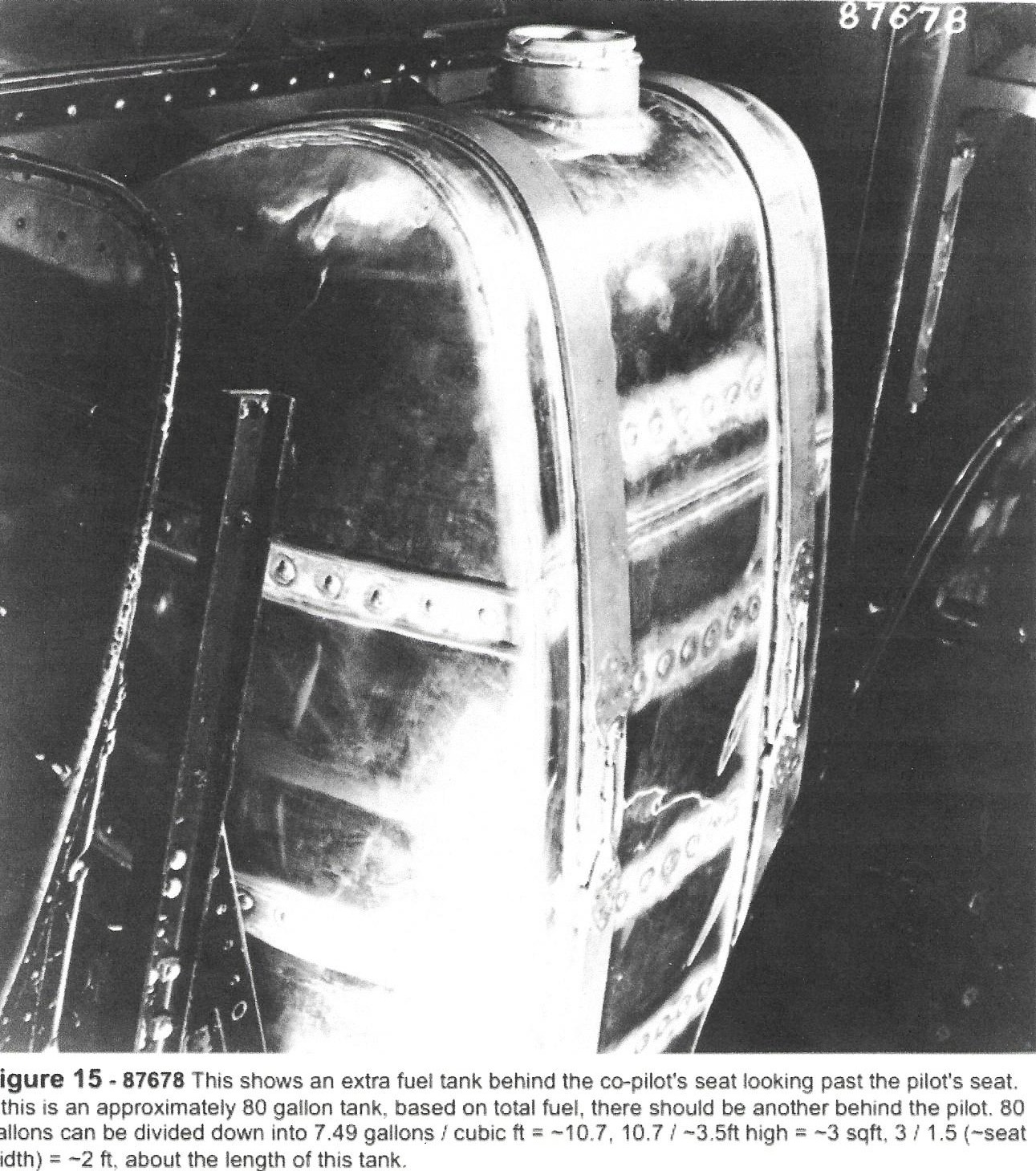
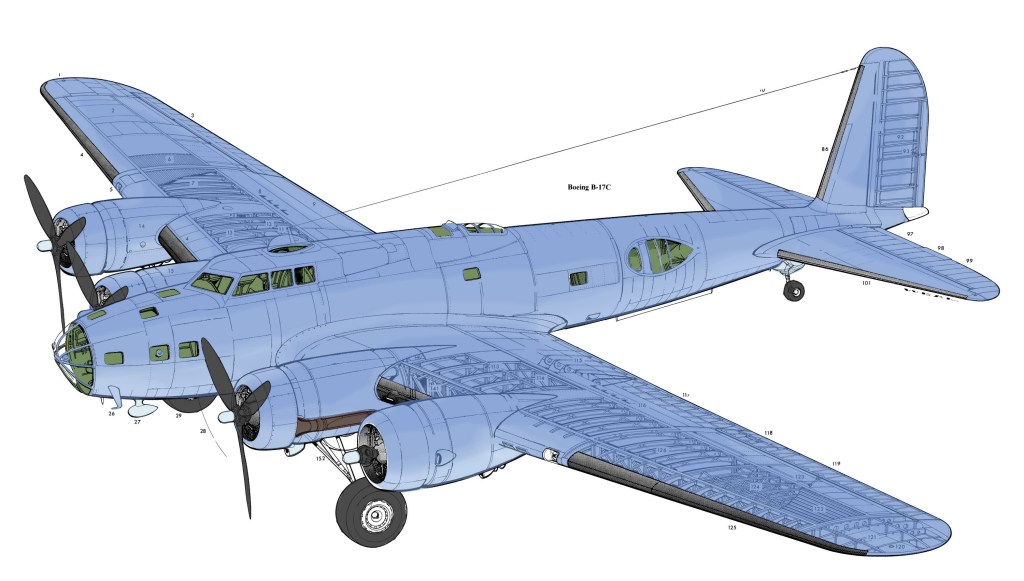
And were those two planes modified!  “Two Boeing B‑17B ‘special flights’ were heavily modified by United Airlines at Cheyenne to carry six Fairchild K-17 cameras in a trimetrogon layout and extra long-range fuel tanks. They were painted haze-blue with identification marks removed.”  A complete itemization of the alterations can be found at https://www.wikitree.com/wiki/Space:Operation_Rusty#About_the_Aircraft

Interviewed after the War, one of the crew members, Lt. William Teague (23) said:

“Our Flying Fortress had to be equipped with cameras and plenty of gas tanks.  Each plane had a 3,900-gallon capacity. It was impossible to carry guns of any sort on the bombers.  Weight was so carefully allotted that we weren’t even allowed to carry coins in our pockets.  In case of enemy attack, our only weapon was altitude, but that was enough.” (#8) (#9 – #12)
He met Captain Elliott Roosevelt, son of the President, who was his chief navigator for the missions shortly after that point. Don’s letters indicate that he and Elliott visited the White House a few times to discuss the mission with FDR. Roosevelt ultimately became a general in the Army Air Force.

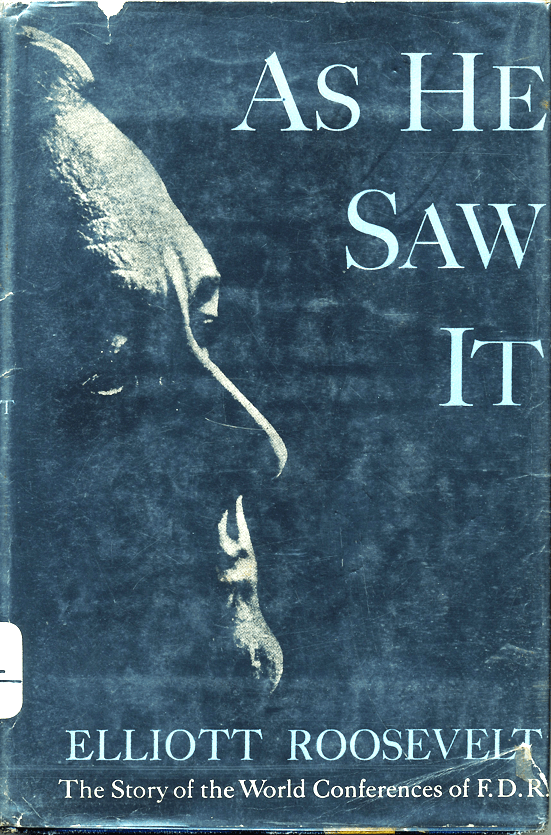
The excerpt below from pages 51 – 56 of Roosevelt’s book (As he saw it by Elliott Roosevelt | Goodreads) provides fascinating insight on Operation Rusty.

….unexpectedly, secret orders came through directing that I report to the commander of the First Mapping Group at Bolling Field, in Washington. There was so much secrecy attending my orders, and the nature of my future assignment, that my hopes were really soaring. Must be something big and important. Surely some sort of overseas assignment.

Well, it was an overseas assignment, all right, but when I found out what it was,
I was a little disgusted. It had code name: RUSTY PROJECT, and it seemed so tame to me that it was more than rusty, it was broken. I was one of two navigators to be assigned to do aerial intelligence and mapping photography of large parts of northern Africa. Africa!

Just before we left, I had a talk with Father, one of our after-breakfast-before-the-day’s-work chats, during which I told him with some disappointment about my supposedly ‘super’ assignment.

To be sure, it was top-secret, but I figured it was possible the Commander-in-Chief knew about it already. He did, and he quickly undertook to explain to me why my job was in fact more important than I had thereto-fore believed. Like all of his explanations, it also served to give me more perspective on the problems and strategies of global warfare, too. He began by glowing with pleasure when I told him what my job was to be.”  (#13) (#14)
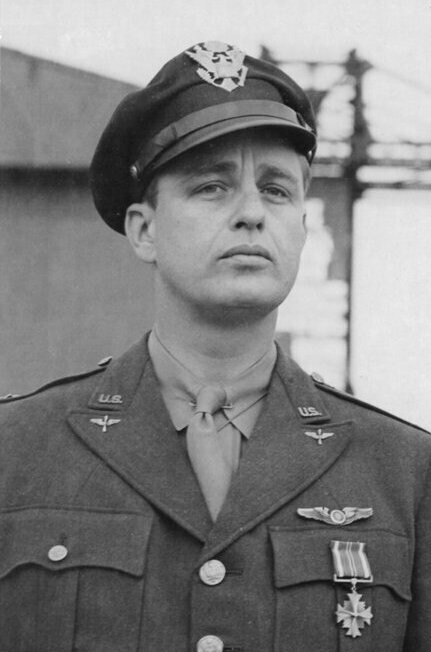
After the completion of one part of the mission, Don’s letter indicated that he was the last out of the B-17. The crew was standing around and Elliott Roosevelt pinned his own captain’s bars on Don.  Roosevelt had just been promoted to major and also wanted to immediately recognize Don’s new rank. (#15)
Promoted to Captain.

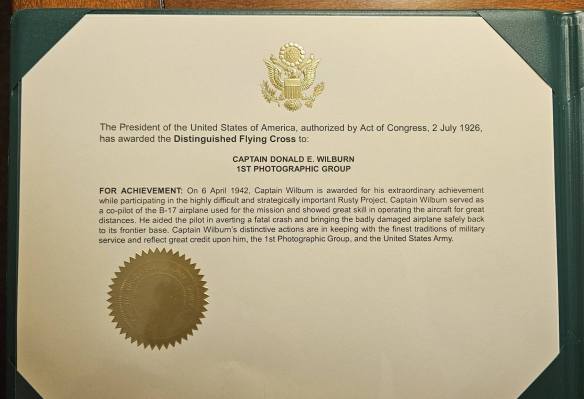
This description of Don Wilburn’s role on the final flight of Operation Rusty in April 1942 is solid evidence of why the DFC was eventually awarded. Jason Garver, friend of the Wilburn family has done extensive research and documentation and his description for WikiTree is below: 

“40,000 miles, of which nearly half were flown while taking 18,000 photographs in direct preparation for the invasion, were a success. All that was left was for the B-17 to return to its remote base in Accra and transfer the film back to the US to make maps. Less than 1000 miles from this goal, disaster struck in the form of a runaway propeller that threatened to tear the aircraft apart.

To make matters worse this put the aircraft into an uncontrolled plummet that lost 17,000 feet in minutes. If any bailout had been attempted, Elliott and the cameraman would have been left hopelessly trapped in the cramped nose. With a crash a minute or so away, this is where Don Wilburn’s piloting skills came to the rescue. As if righting a plummeting, damaged aircraft was not enough, 800 miles still lie between them and the airfield. Don’s skillful actions made it successful, with everyone and all the film plates safe.

Don Wilburn’s ability to recover from the catastrophic failure and his safe landing of the severely damaged aircraft was critical in getting photographs and intelligence immediately back to The Pentagon. Don Wilburn’s plane was the only aircraft that could get the photographs needed, and crashing would have killed Elliott Roosevelt, causing a huge blow to America’s morale as a whole.” (#16) (#17 – #18)
By the time they got back to Accra the aircraft was so damaged by vibration that it could not be repaired. Don removed the clock from the instrument panel and gave it to younger brother Gene when he returned to the States. 

Another excerpt from Roosevelt’s book affirms the close call:

“Almost had to come down in the desert the last day. One engine nearly dropped off 850 miles from base over the desert but it froze and hung by hair & and after landing…the plane practically fell apart.”

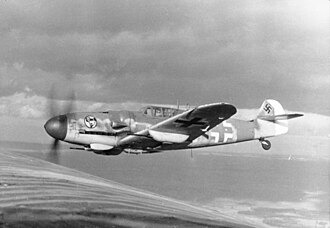
Don’s aerial skills were also evident when they encountered German Messerschmidt 109’s and he eluded them by climbing and then ducking into clouds – remember there was no armament and no weaponry on the Blue Goose. (#19)
Why did it take so long for Don Wilburn to receive the Distinguished Flying Cross – eighty-three years?  Tragically, after arriving back in Washington DC in 1942, he was assigned to duty at MacDill Field in Florida and on a solo flight to the base, he was killed when his plane went down in bad weather on June 1, 1942.

The recommendation for the DFC was first made in 1942 by Colonel Paul Cullen – the commanding officer on the flight where Don’s piloting saved his crew and the plane.  Cullen ultimately rose to the rank of Brigadier General. 

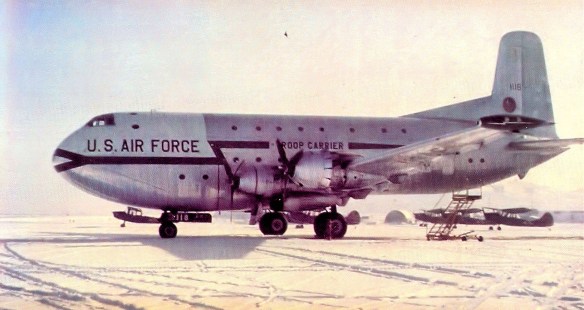
He was lost on March 23, 1951, along with four senior Strategic Air Command staffers and fifty fliers who mysteriously disappeared with their C-124 transport over the Atlantic Ocean. https://en.wikipedia.org/wiki/1951_Atlantic_C-124_disappearance (#20) (#21)

Cullen and the senior staffers were enroute to England to set up the 7th Air Division, which would spearhead any air assault against the Soviet Union, during a time of increasing tensions with the Communist bloc as the Korean War intensified.

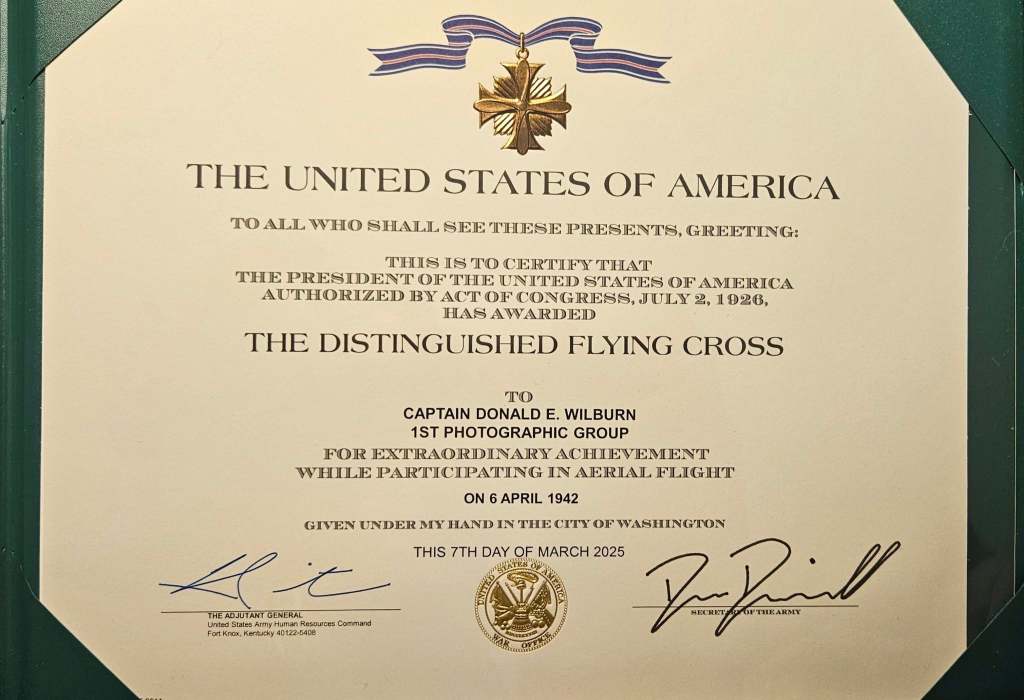
So, the only ones to pursue the DFC were brother, Gene and friends, Jason and Laura Garver and Sue Froehlich (Jeanette Wilburn Froelich’s daughter).  With the help of Senator Chris Van Hollen of Maryland, it was finally presented to Gene Wilburn in May 2025.  They also collaborated on a submission to the Library of Congress which is now in the archives.  Donald Ernest Wilburn Collection | Library of Congress

Captain Wilburn was also honored by the establishment of the Wilburn Area at Bolling Field on July 11, 1942. Don’s parents and Gene were at the dedication of the plaque marking the Area.  (#22 – #23)

Mission Success but Tragedy to Accomplish

Any account of Operation Rusty would be incomplete without including details of the flight crew lost on the second B-17 involved in the project:

“In the first days of April 1942, the mission began. The second B-17 went missing, no wreckage was ever found…Now, the entire mission depended on one aircraft and one crew. B-17B tail number 38-223, under the command of Captain Lovell S. Stuber, departed from Borinquen Field (modern-day Ramey Air Force Base), Puerto Rico, for Trinidad on 9 April 1942.

Contact was lost at 1242 Greenwich Civil Time…with the last coordinates being 16°01′12″N 64°12′00″W, with the assumed loss of all on board.”

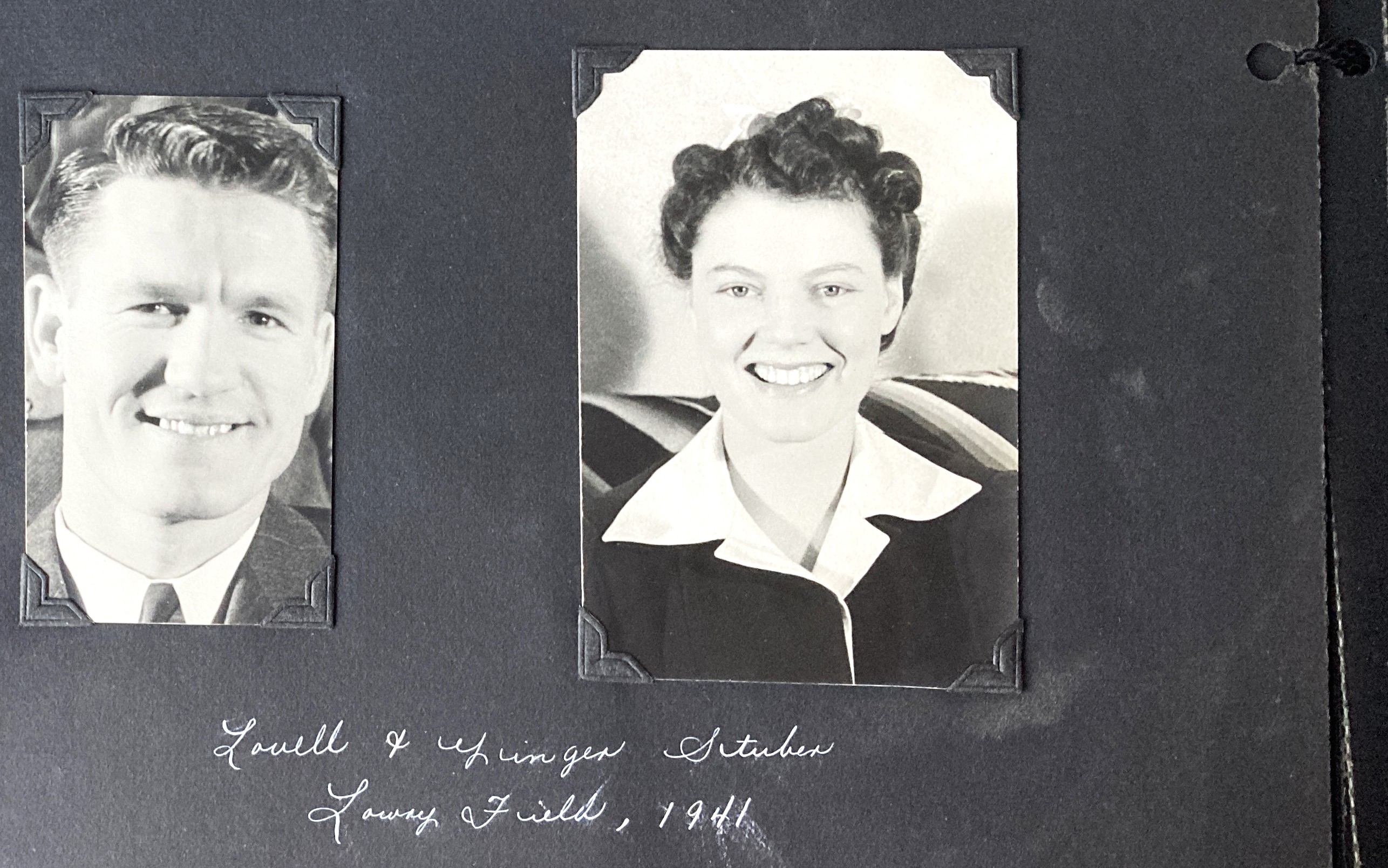
Lovell “Stube” Stuber and his wife, Ginger socialized with Don and Jeannette and were friends before the mission. There are photos in Jeannette’s album of the couples. Tragically, Captain Stuber left a widow and baby boy when his plane was lost.  (#24) (#25)
In Closing

The story of Operation Rusty and those who participated in the successful mission is one of patriotism, extraordinary service and exemplary performance. The crew of the second Flying Fortress gave the last full measure of devotion for their country and were a critical part of the Allied war strategy.

The brotherly love of Gene Wilburn along with the perseverance of Jason and Laura Garver and Sue Froelich in pursuing the Distinguished Flying Cross for Don Wilburn is a remarkable story in itself.

I’m also thankful to Sue Froelich for reaching out with the comment on this blog almost three years ago. While I knew that my namesake, Don Williams, was a wonderful friend of my dad and served as a pilot in the War, only to be killed in a tragic plane crash in the States, I never knew about Operation Rusty and his critical role in it. This makes the legacy of the gesture by my parents even more meaningful.
External Photo Attribution

#1 – #7, #15, #25.  Photo Album of Jeannette Wilburn Stehman.

#8. Wikimedia Commons (File:Boeing B-17 Flying Fortress “Sally B” – geograph.org.uk – 4649104.jpg – Wikimedia Commons) Licensed under the Creative Commons Attribution-Share Alike 2.0 Generic license.  Author: Evelyn Simak – 6 September 2015.

#9 – #12. Wikietree.com (https://www.wikitree.com/wiki/Space:Operation_Rusty).

#13.  Public Domain – Wikimedia Commons (File:Lt Col Elliott Roosevelt (cropped).jpg – Wikimedia Commons)  Author:  US Army – 27 December.

#14.  Amazon.com (As He Saw It: The Story of the World Conferences of F.D.R.: Elliott Roosevelt: Amazon.com: Books).

#15. Public Domain – Wikimedia Commons (File:Dfc-usa.jpg – Wikimedia Commons) The graphic is a representation of an award or decoration of the United States military. It is in the public domain because it contains materials that originally came from a U.S. military award.

#17. – #19. Facebook  (https://www.facebook.com/photo/?fbid=122107407968856600&set=a.122098683860856600).

#19. Wikimedia Commons (File:Bundesarchiv Bild 101I-662-6659-37, Flugzeug Messerschmitt Me 109.jpg – Wikimedia Commons) This file is licensed under the Creative Commons Attribution-Share Alike 3.0 Germany license. Attribution: Bundesarchiv, Bild 101I-662-6659-37 / Hebenstreit / CC-BY-SA 3.0. This image was provided to Wikimedia Commons by the German Federal Archive  (Deutsches Bundesarchiv) as part of a cooperation project.

#20. Public Domain – Wikimedia Commons (File:Brigadier General Paul T. Cullen.jpg – Wikimedia Commons)  Author: US Air Force – circa 1949.

#21. Public Domain – Wikimedia Commons (22d TCS Douglas C-124A-DL Globemaster II 51-118 – 1951 Atlantic C-124 disappearance – Wikipedia)  This image or file is a work of a U.S. Air Force Airman or employee, taken or made as part of that person’s official duties. Author: US Air Force – 1952.

#22 – #23 Facebook Page of Jason Garver ((3) Fans of the B-17 Flying Fortress | Facebook).

#24. Captain Lovell Stuber – Wikitree (Captain Lovell Stuber (https://www.wikitree.com/wiki/Stuber-182).
Beerchaser Notable – Captain Don Wilburn-US Army Air Corps – Part I

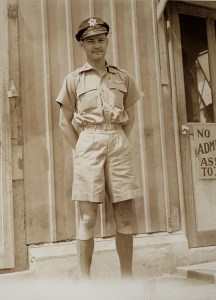
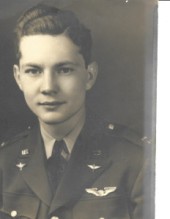
Captain Don Wilburn

(External Photo Attribution at the end of the Post #1)

An Honor Long Overdue

As followers of Thebeerchaser blog are aware, besides conveying the merits (or otherwise) of bars and breweries throughout Oregon and the rest of the US, I periodically identify an individual or group, who may or may not have anything to do with bars or beers.

This feature is titled “Beerchaser Notable,” and the narrative features the stories of these “honorees”, who in my humble opinion, have made a contribution to society and have led fascinating lives.  They include academicians, athletes, clerics, media personalities and, of course, lawyers – even my graduate school professor of public finance and my retirement oboe instructor.  I’ve known the great majority personally.

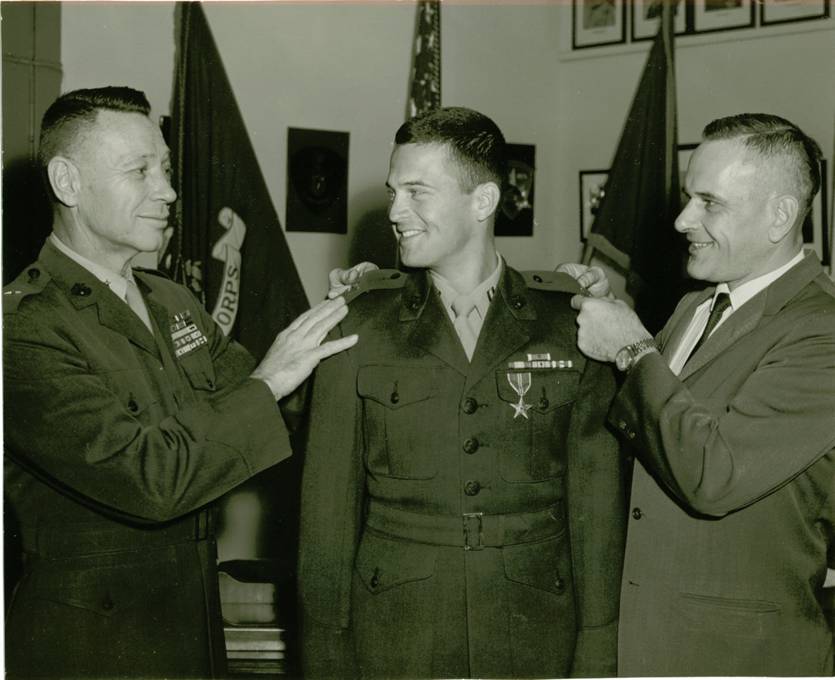
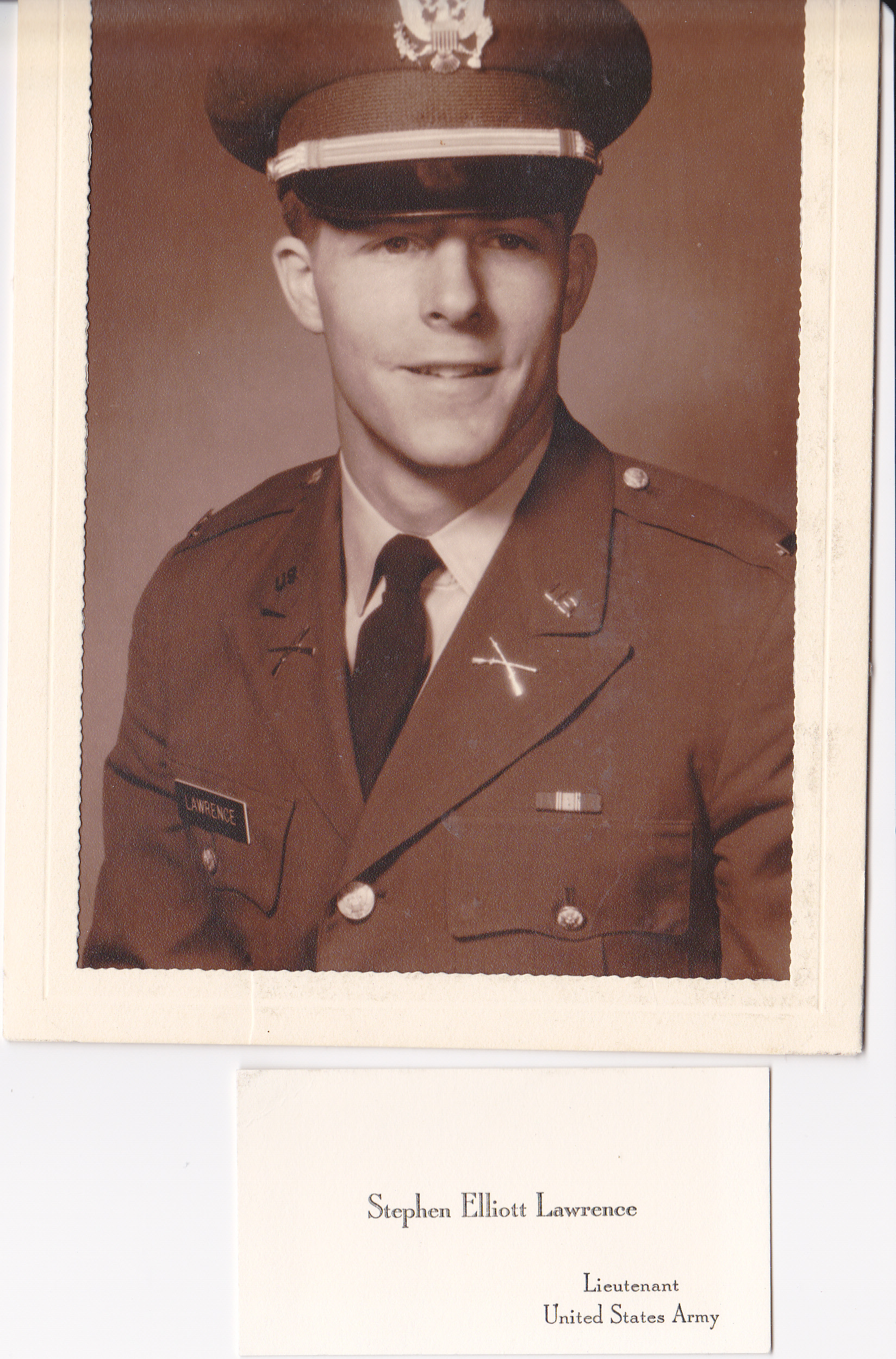
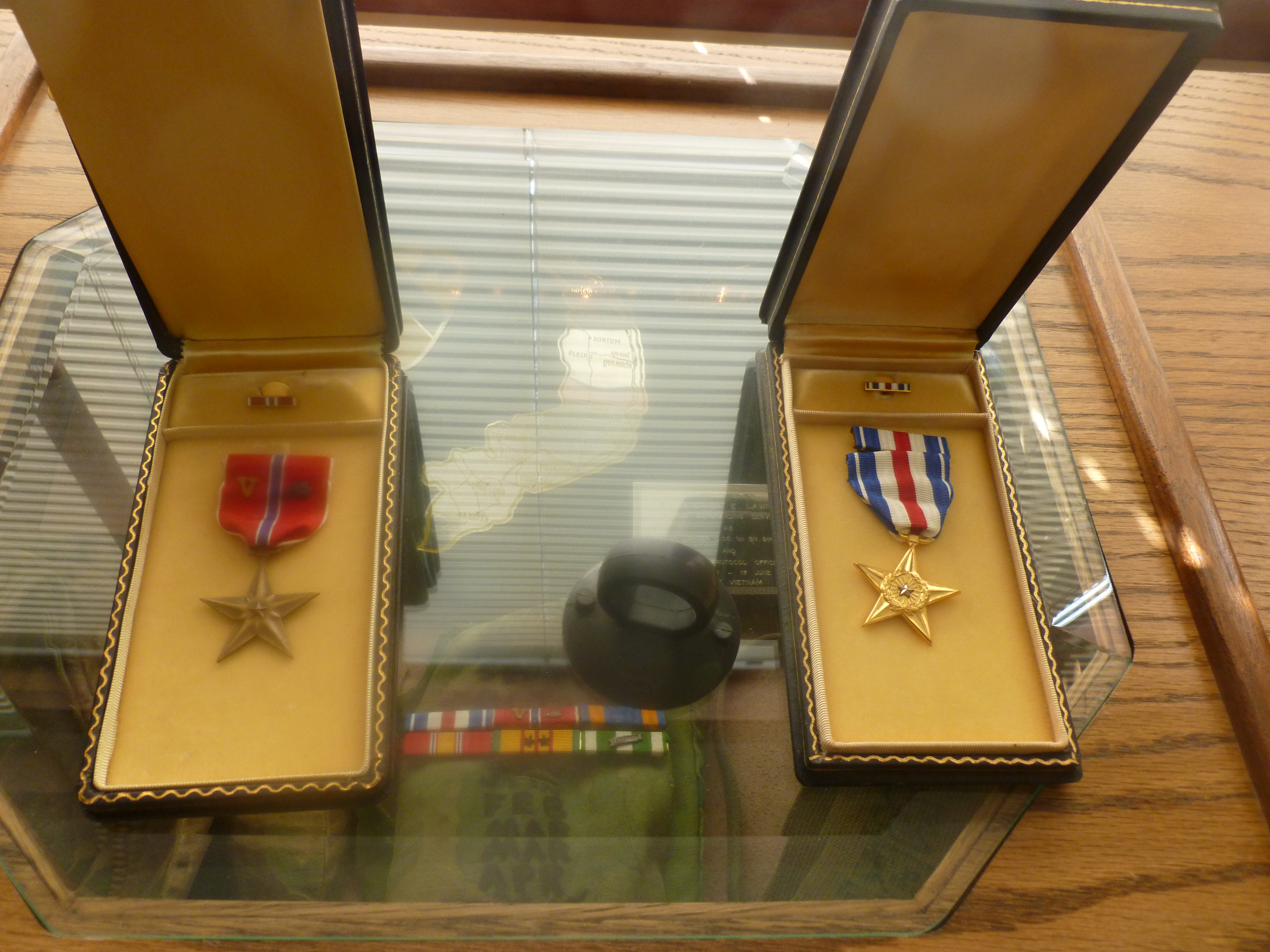
And there are a few distinguished military veterans who are combat heroes – more specifically, my SAE fraternity brother Jud Blakely USMC; Doug Bomarito, USN and Steve Lawrence US Army for their service in Viet Nam. 

All three were awarded the Bronze Star with Combat V and Blakely and Bomarito received the Purple Heart after being wounded in action. Lawrence also received a Silver Star for action in combat. (#2 – #7)

Who was Captain Don Wilburn?

But this post is to honor a World War II hero – the late Captain Don Wilburn. 

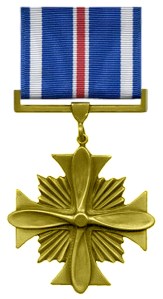
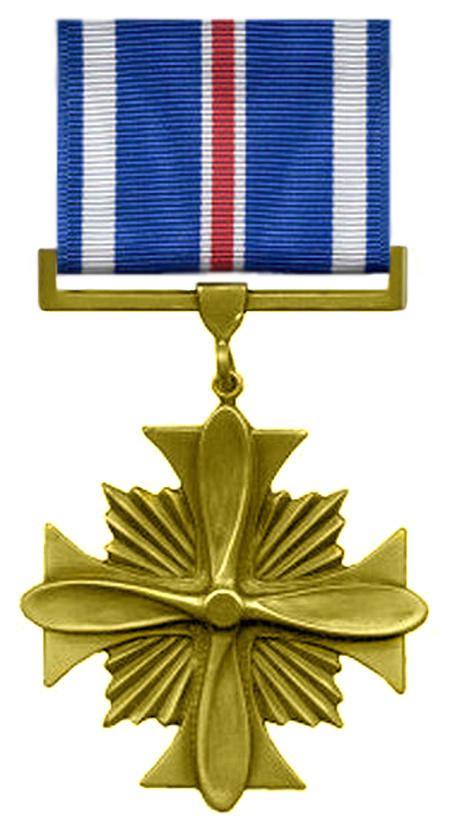
The Distinguished Flying Cross:

“Is awarded to any officer or enlisted person of the armed forces of the United States for heroism or extraordinary achievement while participating in aerial flight. The heroism or achievement must be entirely distinctive, involving operations that are not routine. The DFC is the fourth highest award for heroism and the highest award for extraordinary aerial achievement.”

Don Wilburn, as did my friends mentioned above, received his medal – the DFC – for heroic wartime action.  It was for his remarkable achievement as a pilot in the Army Air Corps during World War II and the posthumous award was not received until eighty-three years later.  (#8)

The Distinguished Flying Cross

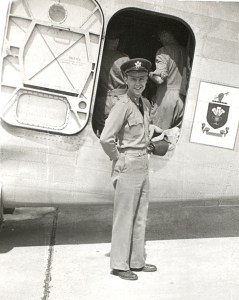
Wilburn was a pilot on a B-17B Flying Fortress on a Top-Secret reconnaissance mission commenced in the spring of 1942. This mission was named Project (or Operation) Rusty. During the course of this mission, Don flew 40,000 miles in his plane named “The Blue Goose” – 18,000 of which were over enemy territory.

“It was an early—but pivotal—stealth reconnaissance effort that shaped the Allied North African campaign by mapping terrain and assessing enemy logistics, all under the cloak of secrecy, directly involving the President Roosevelt’s son, Elliot. who was a navigator on the plane.” (#9)

On the Blue Goose’s last mission while Don was piloting, engine damage resulting in a runaway prop caused the plane to drop from 25,000 to 8,000 ft in three minutes, 800 miles from base in Accra, Ghana. 
 
His skill as a pilot getting the aircraft back to base saved the crew.  An excerpt from the citation recommending the medal by Colonel Paul Cullen, the commanding officer and co-pilot of the B-17 is shown below.  

August 5, 1942

SUBJECT: Award of Distinguished Flying Cross (Posthumous)

TO: Commanding General, Army Air Forces, Washington, D. C.

It is recommended that Captain Donald E. Wilburn, Army serial number O38544, be awarded, posthumously, the Distinguished Flying Cross for extraordinary achievement while participating in the highly difficult and strategically important Rusty Project.

Captain Wilburn served as co-pilot of the B-17 airplane used on this mission and showed great skill in operating the aircraft for great distances. In addition, he aided the pilot in averting a fatal crash and bringing the badly damaged airplane safely back to its frontier base.

Note the date of the recommendation above which begs the question why it took so long – until 2025 – for the medal to be awarded.  Don suffered fatal injuries shortly after he returned to the US in a June 1, 1942, solo plane crash after taking off on a routine military flight from Boling Field in Washington DC. (#10)

You will learn more about the fascinating story of Operation Rusty in this and my next post, but suffice to say, the story encompasses tragedy, perseverance, intrigue, heroism and brotherly love.  This mission was a fascinating part of the North African strategy during the War.  It was never widely publicized and the recommendation setting forth Don’s performance lay dormant for decades.

There are also additional details on the heroic action Don took while piloting the B17 to land it safely and save his crew – including President Roosevelt’s son, Elliot, the navigator. I also want to share what a wonderful young officer and gentleman Don was during his short life and the connection with my family – a bond that as a result of Thebeerchaser blog, was renewed three years ago. (#11)

A College Friendship

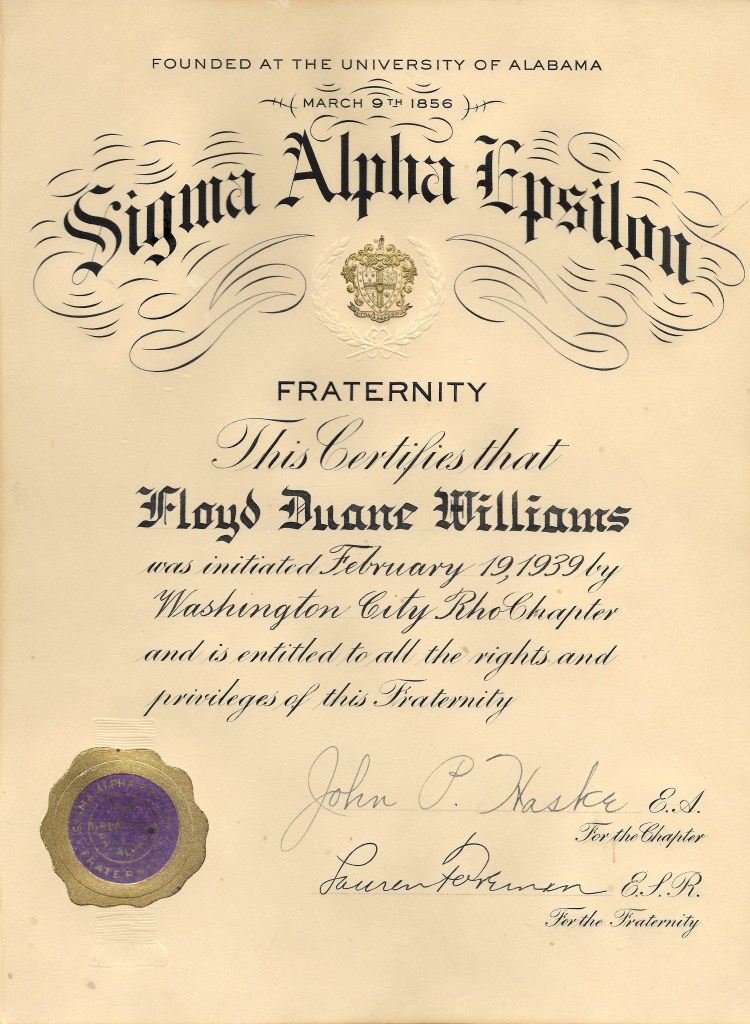
Another Beerchaser Notable was my dad, F. Duane Williams (affectionally known in his later years as “FDW” by our family as related in the 2021 post  https://thebeerchaser.com/2021/11/09/fdw-beerchaser-of-the-quarter-part-ii/. 

FDW and my mom, Frannie, were happily married for many years after they met in New York City and married in 1943. They were wonderful parents to their four kids.

Dad and Don Wilburn both attended George Washington University in DC in the late 1930’s and met after they joined the SAE Fraternity.  Their friendship strengthened and the bond continued after Don joined the Army Air Corps and FDW went to work for American Airlines in New York City. Don met his beautiful future wife, Jeannette while he was in college. (#12 – #13)

Namesake

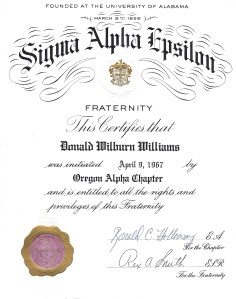
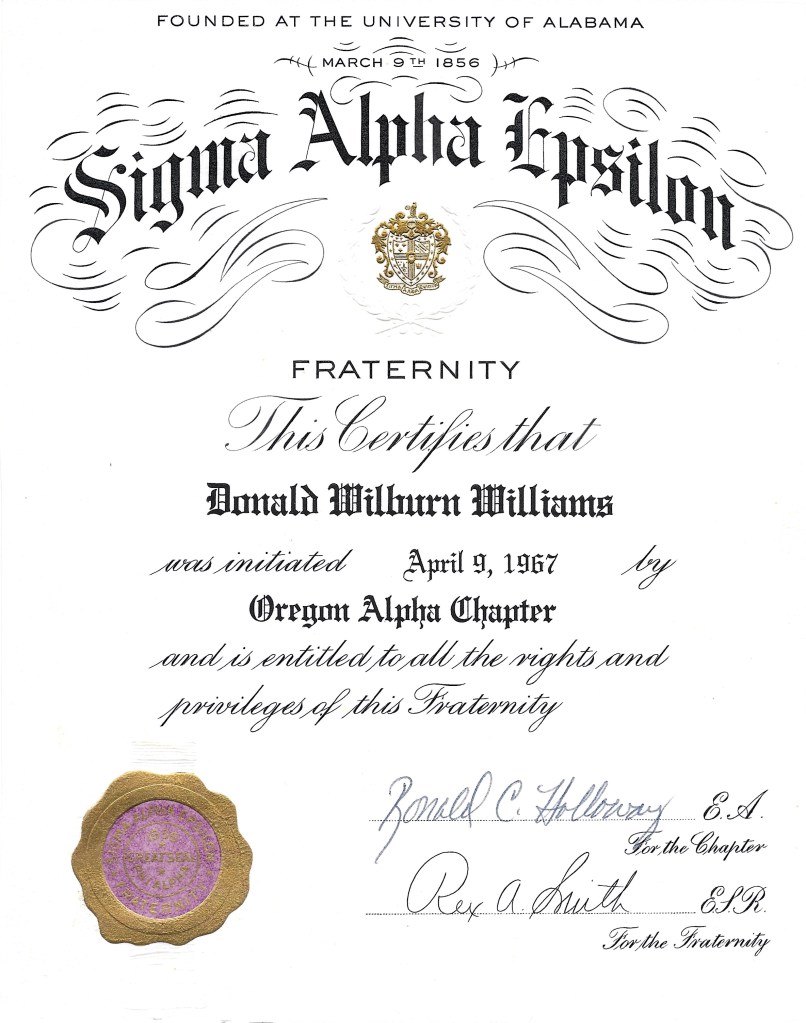
You’ll have to wait until the next post for more details, but flash forward to 1967 at Oregon State University when Dad was there for the SAE initiation of his first son Donald Wilburn Williams (that’s me!). My youngest brother, Rick, became a member several years later.
Yes, I was named after my Dad’s best friend and have always been proud of that fact. 

I still remember my excited call to Dad in the summer of 1968, when I taught at the SAE Leadership School held at the Levere Memorial Temple just off the campus of Northwestern University in Evanston, Illinois.

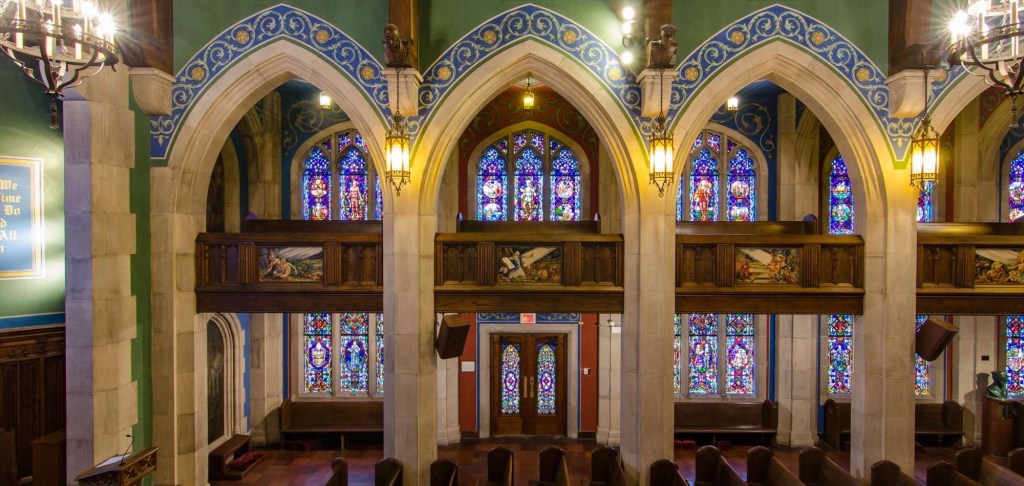
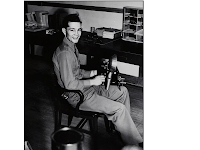
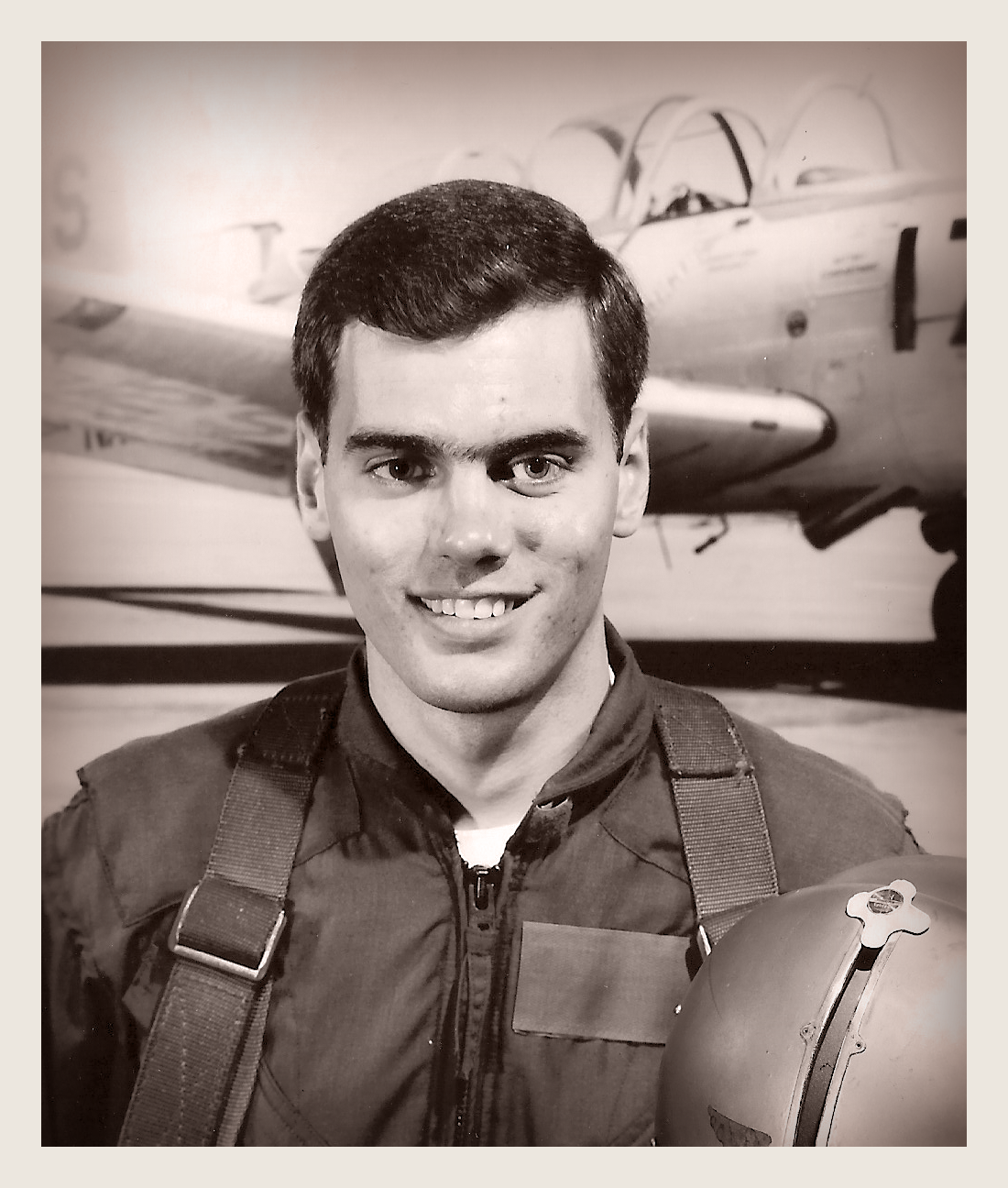
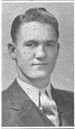
The Sigma Alpha Epsilon Foundation owns this impressive gothic style building – built in 1929-1930 to serve as a war memorial and administrative facility.  I was wandering through the museum in the building and saw the picture of Don in his uniform and a brief bio about his military service. (#14 – #15)

Although I knew about their friendship, I didn’t know many of the details about Don Wilburn’s service until the connection with Sue Froelich in late 2022. 

I received this comment after I did the post on Thebeerchaser about FDW including his friendship with Don.

“Hi Don. You don’t know me but….my mom, Jeannette Stehman (Wilburn) Froehlich, was a friend of your dad’s in 1941. In fact, they dated some! She married your namesake Don Wilburn in the months before he was killed. (FDW was instrumental in the wedding.) It would be great to be in touch with you, given Duane’s close friendship with Don.” (#16)

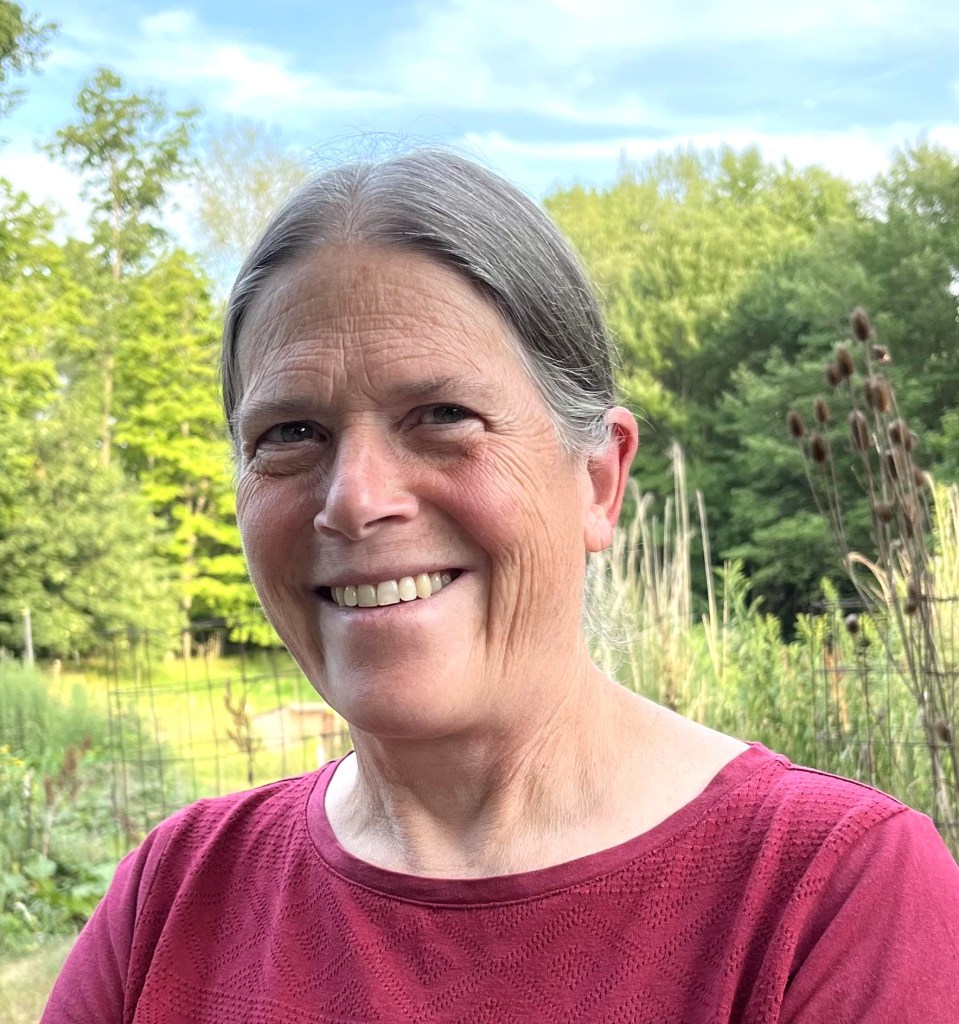
Sue Froehlich graduated in mechanical engineering from UMass-Amherst. Her career in engineering and education culminated with her tenure as a lab supervisor in the Picker Engineering Program at Smith College – notably, the first all-women’s engineering program in the country. She retired in 2024.

She has worked tirelessly with Gene Wilburn (eleven years younger than brother, Don) and two of his friends, Jason and Laura McGinness Garver, to get Don the recognition he deserved – a project that came to fruition in 2025 culminating with the DFC award.

The Power of Social Media

My blog has been a wonderful retirement hobby.  I, like many, have reservations about the pervasiveness of social media in our society.  That said, I’ve gained friendships throughout the globe and reconnections with colleagues in the fourteen years since I commenced what has become an avocation.

And the comment on August 1, 2022, by Sue was a highlight.  Of course, I contacted her after receiving this observation and we’ve had multiple phone calls and texts exchanged. 

Sue and I will meet in person in late July when she is in Portland after rafting Oregon’s Rogue River.  We, of course, will tell tales while Beerchasing.

She sent a wonderful Google file with her mom’s extensive collection of photos, letters and other details about Don Wilburn and my dad.  (And yes, Jeannette and FDW did date at one time!)

It’s helped me learn the complete story of Don as a person and military hero and obtain much of the information and photos you’ve seen on this post and the next. (#17)

A Closing Note

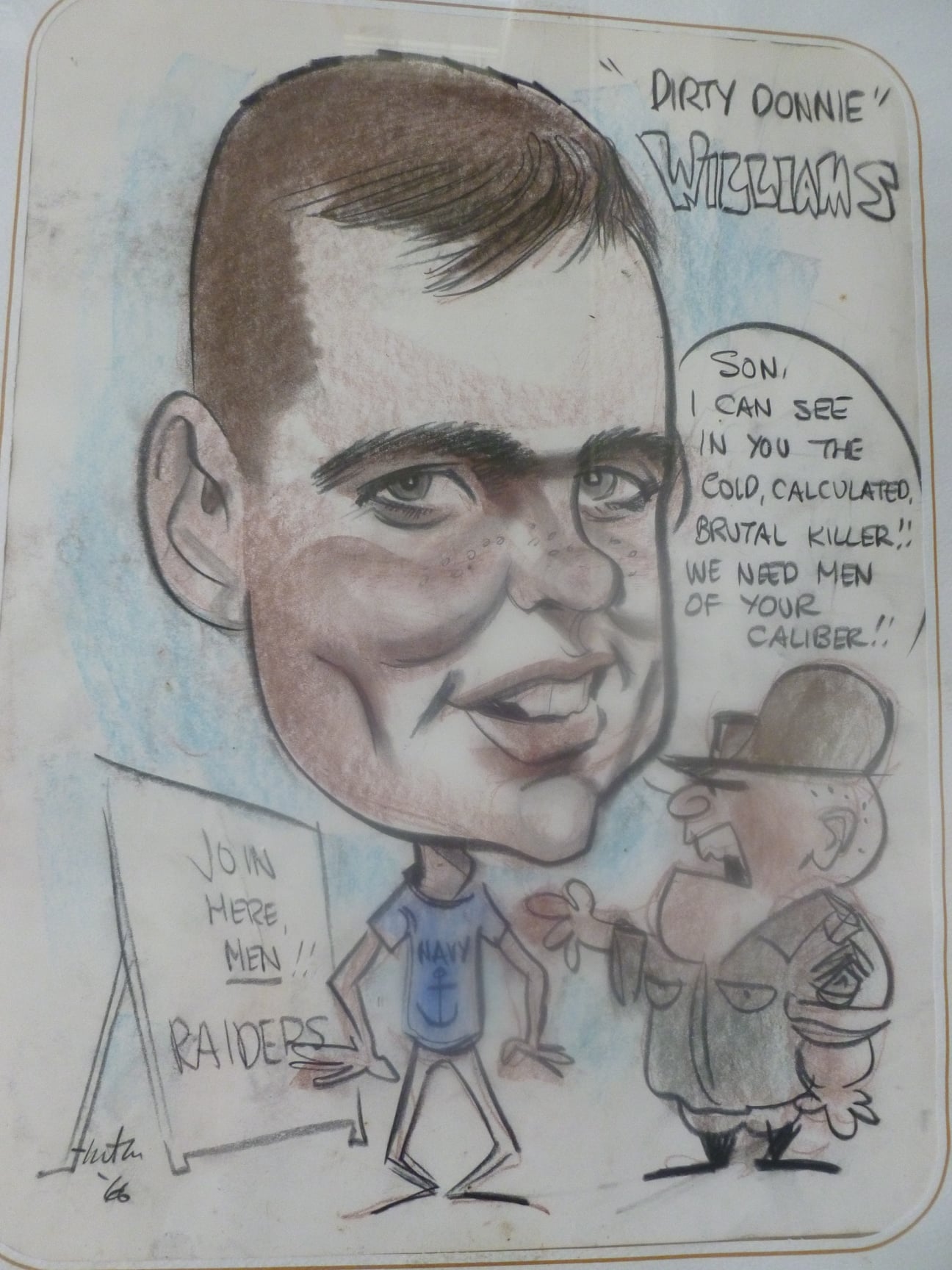
I had to laugh when reflecting on this post about the nicknames I’ve had during my life.  These have ranged from “Feetactually a compliment initiated by my high school basketball teammates to “Waisted Willie,not a compliment and bestowed by my high school calculus teacher, to “Dirt” – originated at the SAE house in college and one that has stuck through the years as you can see by the logo for Thebeerchaser. (Created by the aforementioned Jud Blakely.)

But the moniker I liked the most was first uttered by some of my classmates during my senior year at Oregon City High School.  They discovered that my middle name was “Wilburn” and wondered about the origin.  When I told them, my friends then greeted me with “Hi Wilburn,” and this prevailed, to my great satisfaction, until graduation.

Cheers

External Photo Attribution

#1.  Photo collection of Mrs. Jeanette Wilburn.

#2- #7  Courtesy of Jud Blakely, Doug Bomarito and Steve Lawrence.

#8.  Public Domain – Wikimedia Commons (File:Dfc-usa.jpg – Wikimedia Commons) The graphic is a representation of an award or decoration of the United States military. It is in the public domainbecause it contains materials that originally came from a U.S. military award. As a work of the U.S. federal government, the image is in the public domain in the United States.

#9.  Photo collection of Mrs. Jeanette Wilburn.

#10.  Sue Froelich Facebook Page (https://www.facebook.com/photo/?fbid=122107407968856600&set=a.122098683860856600).

#11.  Wikietree.com (https://www.wikitree.com/wiki/Space:Operation_Rusty).

#12 – #13.  Photo collection of Mrs. Jeanette Wilburn.

# 14.  Wikiepedia (File:NU Levere Memorial Temple.JPG – Wikimedia Commons) Licensed under the Creative Commons Attribution-Share Alike 4.0 International3.0 Unported2.5 Generic2.0 Generic and 1.0 Generic license. Author: Paradoxsociety – 23 April 2008.

#15.  EnjoyIllinois.com (https://www.enjoyillinois.com/explore/listing/levere-memorial-temple/).

#16.  Sue Froelich Facebook Page (https://www.facebook.com/photo/?fbid=5653778274679527&set=a.119862131404530).

#17. Photo collection of Mrs. Jeanette Wilburn.

Harvey Duane “Thumper” Barton – Beerchaser of the Quarter

(Welcome back to Thebeerchaser.  If you are seeing this post through an e-mail, please visit the blog by clicking on the title above to see all of the photos and so the narrative is not clipped or shortened.)

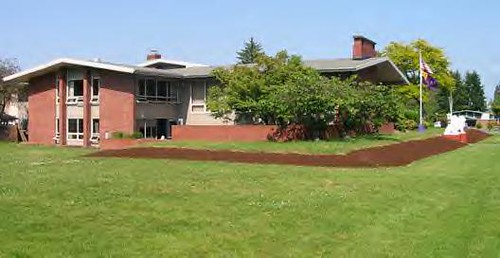
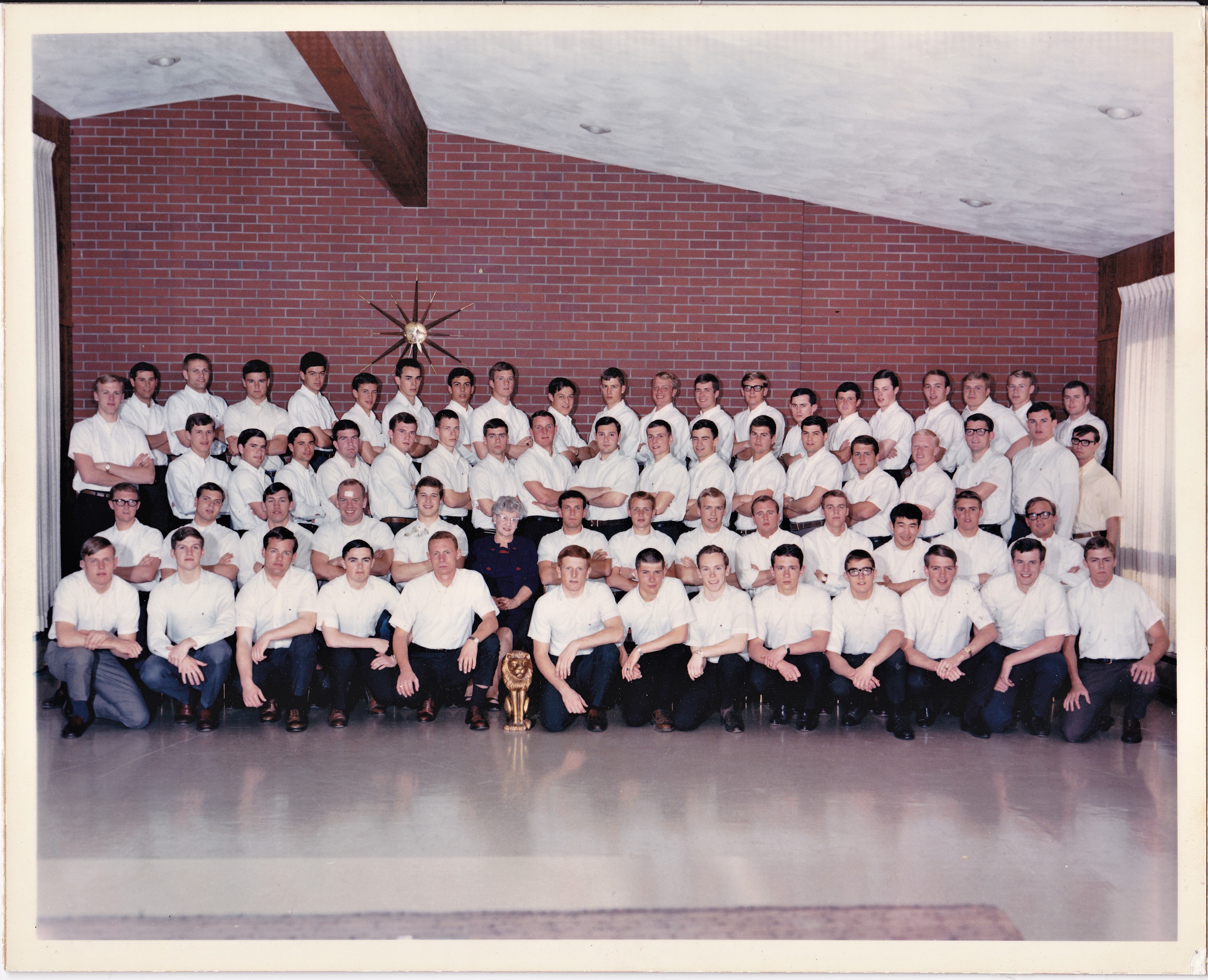
While in college at Oregon State University from 1966-1971, I had the good fortune to live with about 75 guys in the Sigma Alpha Epsilon house which was about 1/2 mile from campus.   The popularity of the Greek system on US campuses, ebbs and flows, but at that time, fraternities and sororities were strong.

SAE beaver logooooo

Not only were they an opportunity for enhanced social interaction, but one which imparted adherence to academic discipline – study tables for freshman (Rooks) from 7 to 10 each weeknight – and a routine which helped one succeed in college life initially. 

For example, Rooks also got up each weekday morning and did chores at 6:30 AM.   These  ranged from sanitizing the communal bathrooms to vacuuming and cleaning the house.  They also served as waiters and kitchen help each weekday night at dinner.

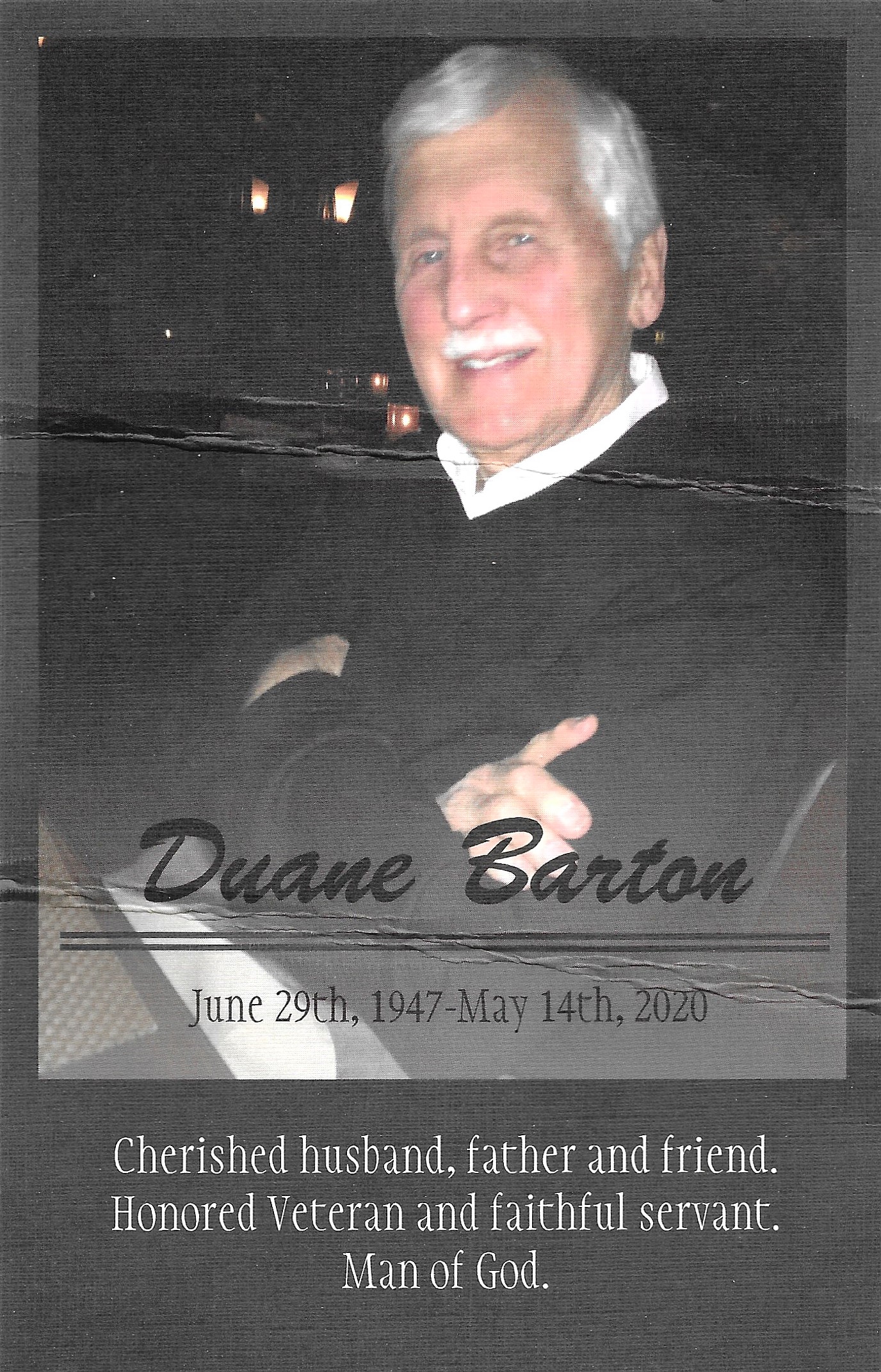
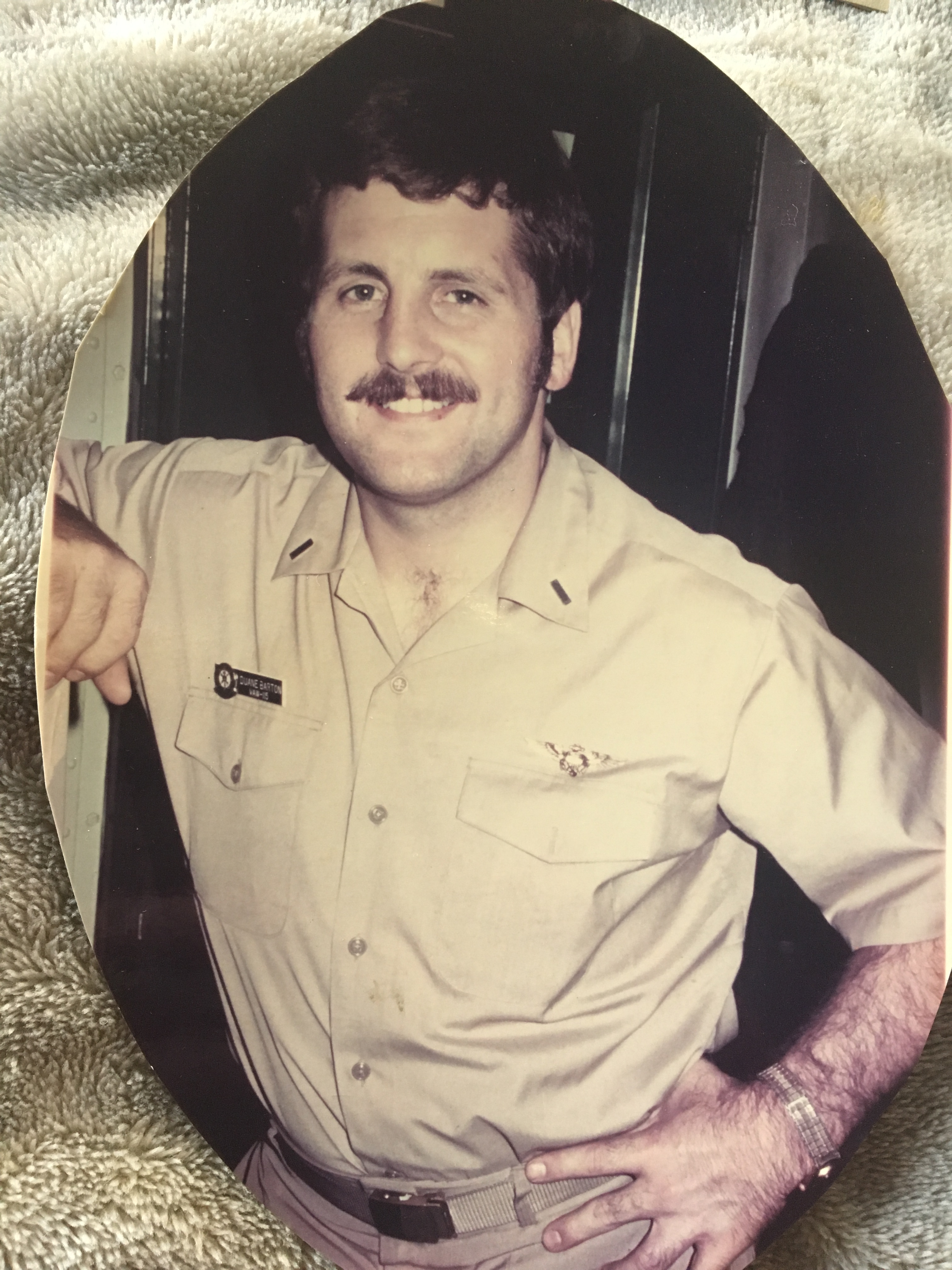
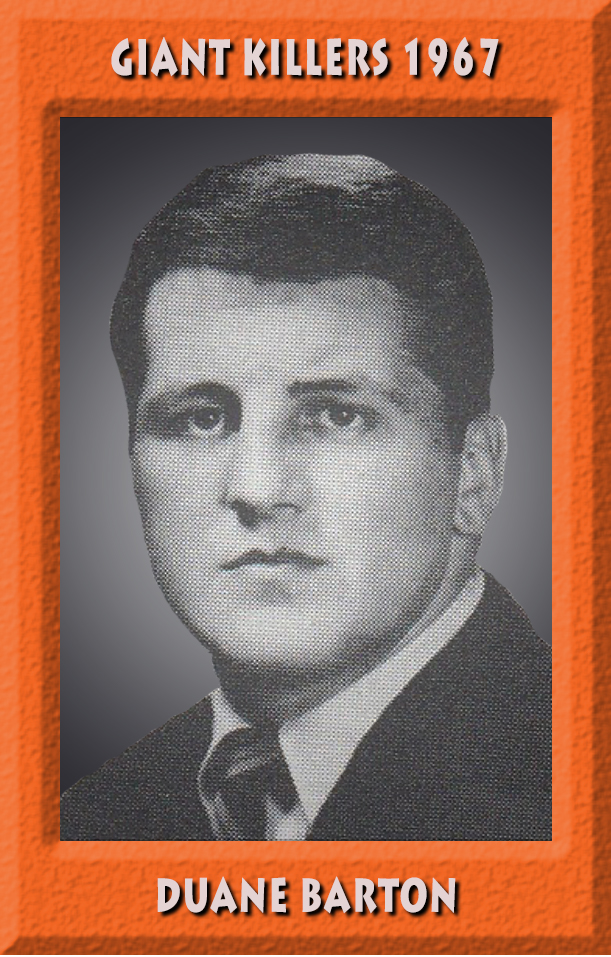
I established lifetime friendships during those years..  Three of my fraternity brothers were the Barton boys from Baker, Oregon. Duane – class of ’69, Gary (71) and Ronnie (73).  They were from a great Eastern Oregon family.

All those who knew him, mourned Duane’s passing from Alzheimer’s on May 14, 2020 at the age of 72.  Because of COVID, his Celebration-of-Life was postponed until this August. As stated in his obituary:

“His love for life, Faith in Christ and heart for people was ever present. He was never too busy to stop and encourage others. His impact has left an imprint on our hearts forever; he will be deeply missed.”

Periodically in this blog, I name a Beerchaser-of-the-Quarter (BOQ). During my career and in retirement, I have met (or read about) many fascinating and wonderful people with compelling stories and notable exploits and accomplishments.  Those I’ve featured may or may not have anything to do with bars or beer.  I’ve known most of them personally.

This disparate group comprises academicians, athletes, authors, clerics, consultants, developers, environmentalists, friends/family, media personalities, military veterans, musicians…..well you get the idea.

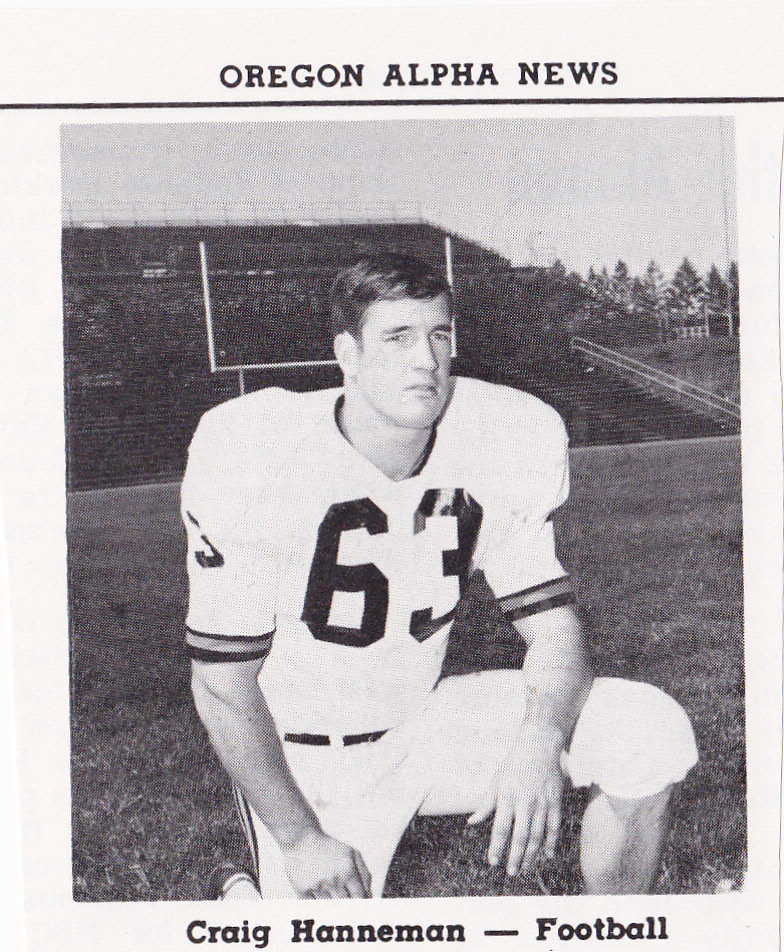
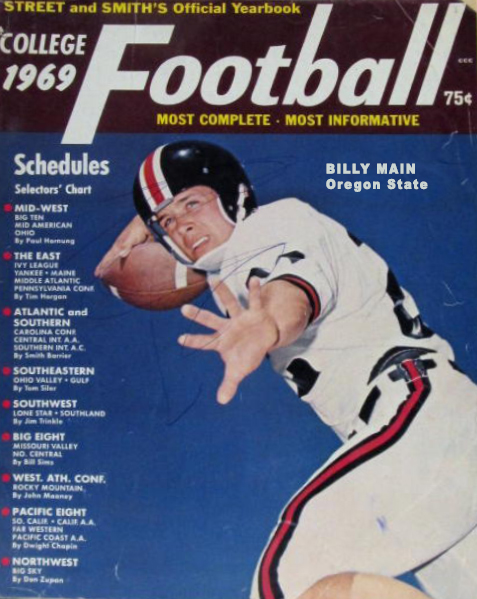
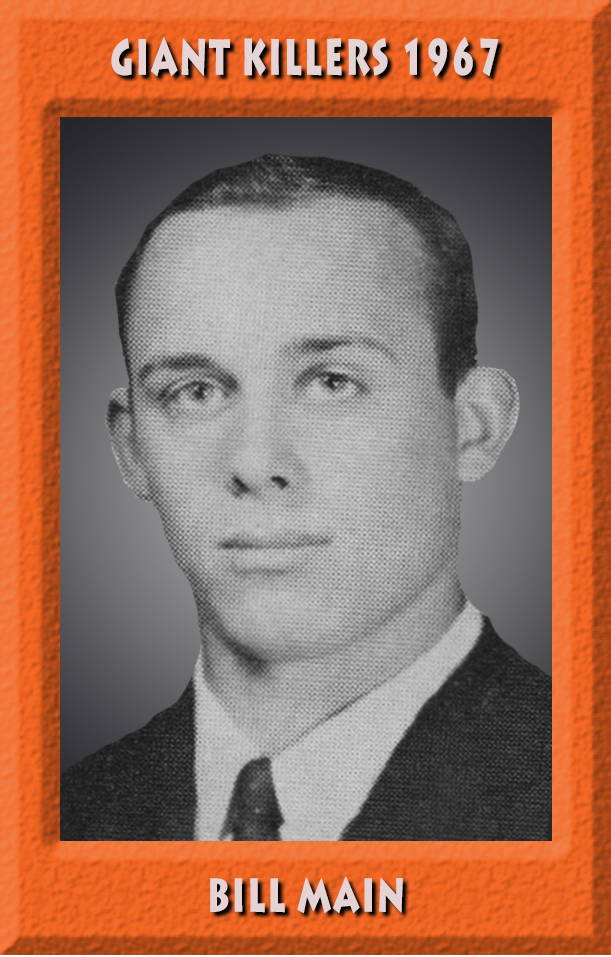
The late Duane Barton is my newest BOQ and joins two of his former Beaver football teammates who’ve received that “honor” – Craig (The Dude) Hanneman (8/12) and Billy (Rabbit)  Main (5/20) in addition to the legendary 1967 Oregon State Giant Killer Football Team as an entity. (5/18).  (To read these posts, click on the links above.)

Renaissance Man?

The SAE’s were involved on campus, to say the least.  We had athletes from all sports (ten were members of the Giant Killer Team), student leaders, ROTC guys from the three military branches, honor students and musicians, etc. – a talented group of individuals.

I suggest, however, that Duane Barton was the epitome of the well-rounded college student. Now you may laugh at the analogy, but during his life, he could be considered a contemporary Renaissance Man!   Let’s define that term:

“Embodying a basic tenet of Renaissance humanism that humans are limitless in their capacity for development, the concept led to the notion that people should embrace all knowledge and develop their capacities as fully as possible.

This is expressed in the term Renaissance man, often applied to the gifted people of that age who sought to develop their abilities in all areas of accomplishment: intellectual, artistic, social, physical, and spiritual.”  (Wikipedia)

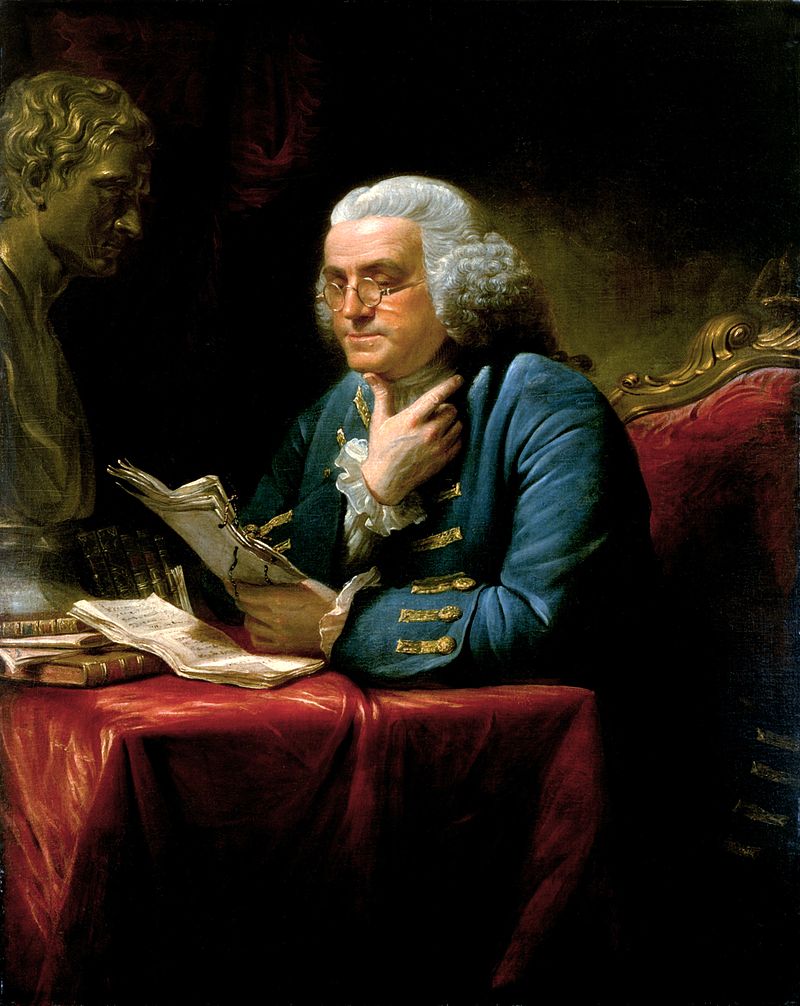
Ben Franklin #1

Founding Father, Benjamin Franklin would fit in this category.  Now comparing Thumper Barton to Ben Franklin may seem like a stretch.  Duane didn’t sign the Declaration of Independence, isn’t credited with any inventions such as bifocals or the lightning rod, didn’t publish a newspaper, wasn’t a freemason nor did he serve as a University President……

However

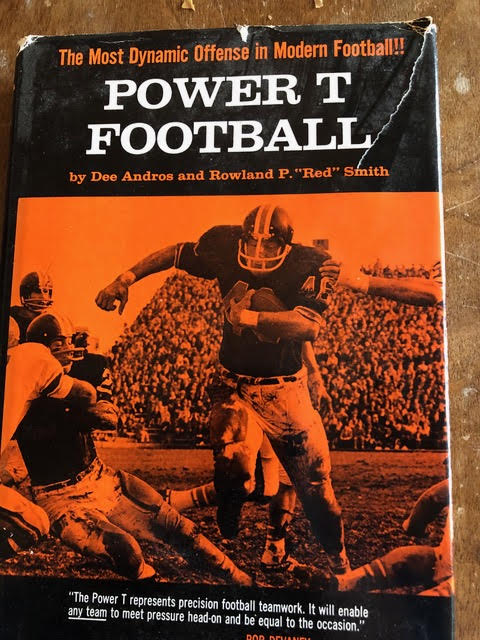
Ben Franklin did not play the accordion, guitar and piano, nor letter in football, basketball and baseball in high school and go on to be a skilled college football running back who also punched holes in defensive lines for Earthquake Bill Enyart.

Ben didn’t meet his future wife while coaching Powder Puff Football (although Franklin did sport a pretty cool powdered wig at times). 

The Founding Father didn’t have a wonderful tenor voice which garnered a lead in the Baker High School production of Oklahoma and finally, Franklin, never landed a Navy fighter jet on an aircraft carrier at night in rough seas off Japan or serve as an instructor for other Navy aviators.

Both of them were recognized for their superb humor – Franklin mixed cynicism with optimism and stay tuned below for examples of Duane’s mirth.. The bottom line is that both were remarkable men who made significant contributions in a wide variety of pursuits, were admired both for their achievements and relationships with others and left a lasting legacy.

A Note on the Accordion!

Not a “Babe Magnet” Instrument….#2

One of the great stories his brother, Gary, told at the Celebration was Duane learning to play a wicked version of “Lady of Spain”   Perhaps, he became fascinated with this tune while watching the Lawrence Welk Show (It was the theme song of Myron Floren, the accordionist on the show), but everyone there loved the story.   

One has to ask, “Did Duane learn to play the accordion to impress the girls at Baker Union High or for the purpose of culturally enhancing his own life (although maybe not those around him…..)?”  Fortunately, he abandoned this hobby in college or at least only resumed it on academic breaks at home.

Faith and Family

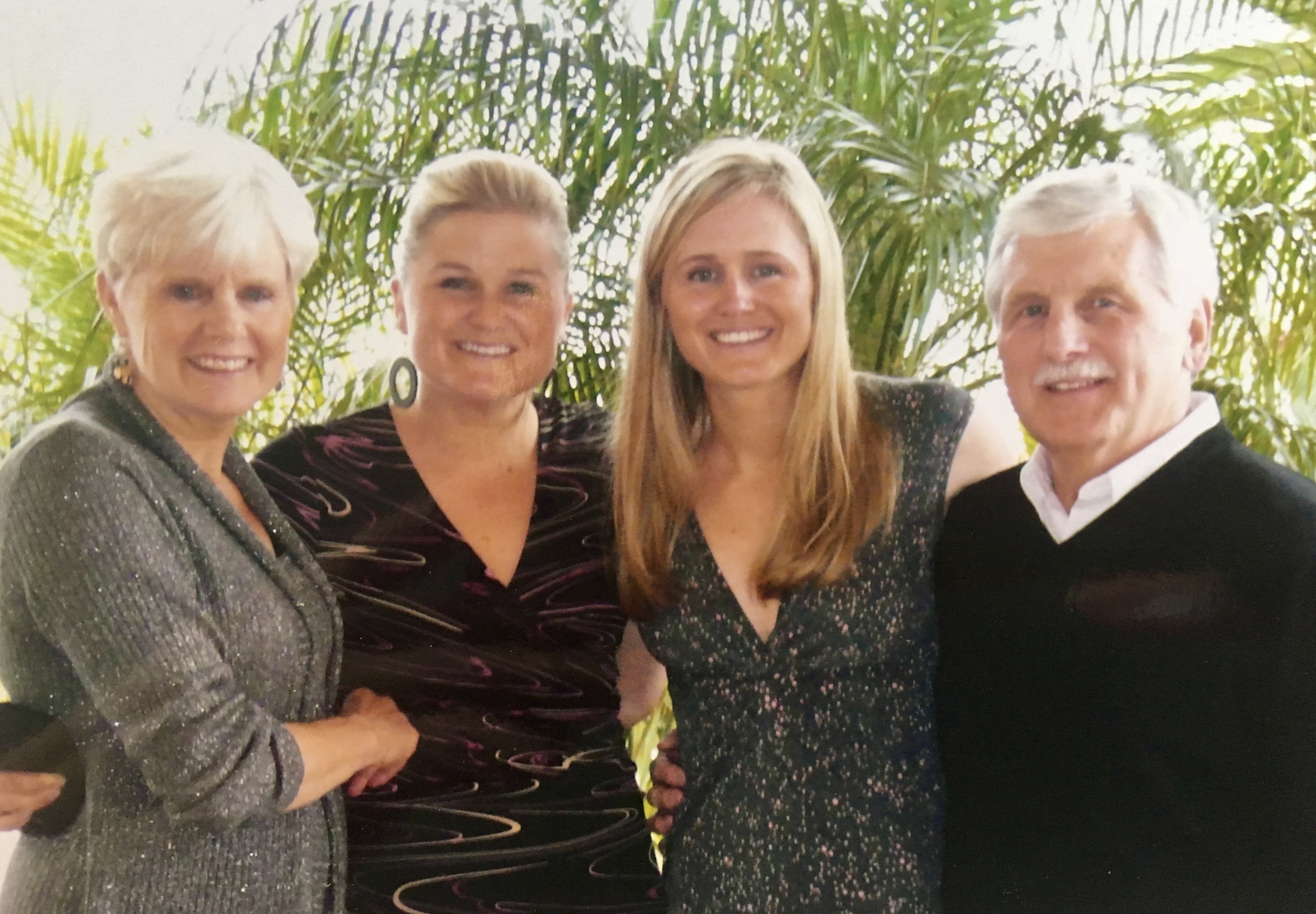
Duane’s faith in Christ was a critical part of his value system as was his family.   Jan and Duane were married for fifty years and had two beautiful daughters (Kylee and Jamie) who I had the privilege of meeting at the Celebration.  

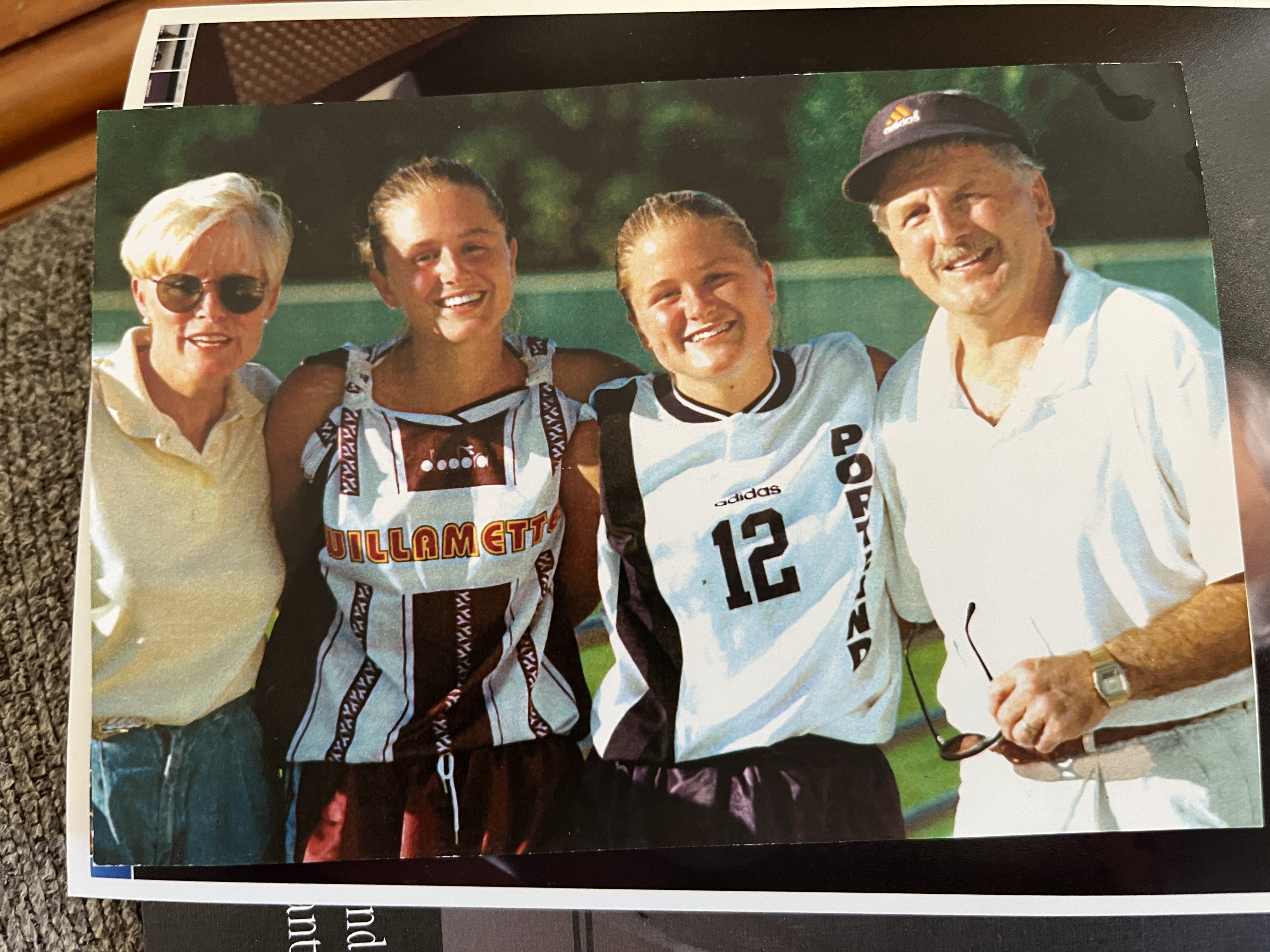
As might be expected, both inherited their parents’ athletic abilities and were elite soccer players. Kylee went to University if Portland on a full scholarship. She played for the U16 and U 20 National Teams  Jamie went to Willamette University and was inducted into  the Hall of Fame at Willamette in 2010.

Both young women have successful careers – Kylee has worked at Nike for seventeen years and is a Global Strategic Product Management Leader, while Jamie is a Vice Principal for an international school. After Kylee entered college, Jan had a successful 17-year career as a realtor with Windemere.

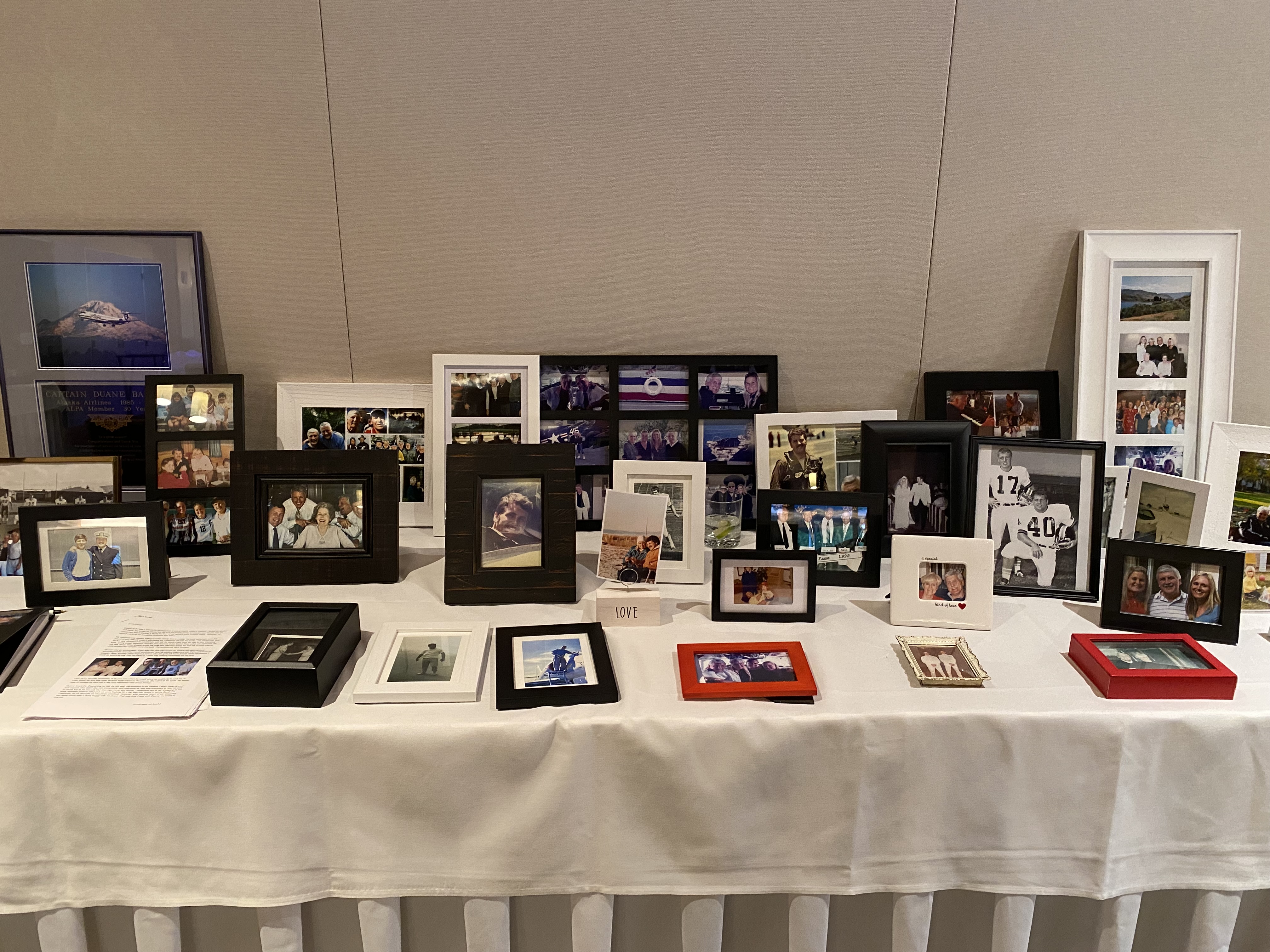
Jan asked me to say a few words at the Celebration of Life.   They are inserted below with some pictures that help convey Duane’s personality and amazing life experience:

“I was privileged to know Duane through both the SAE house and the Navy ROTC program.   Duane and his good friend and football teammate, Billy Main were both in NROTC – one year ahead of me.

Shortly after Duane passed away, I talked on the phone with Billy about the 1967 OSU Giant Killer Team. We both reminisced about Thumper – Duane’s nickname.  Coincidentally, Billy’s nickname was “Rabbit.”

Here are a few of Billy’s comments because they are memorable

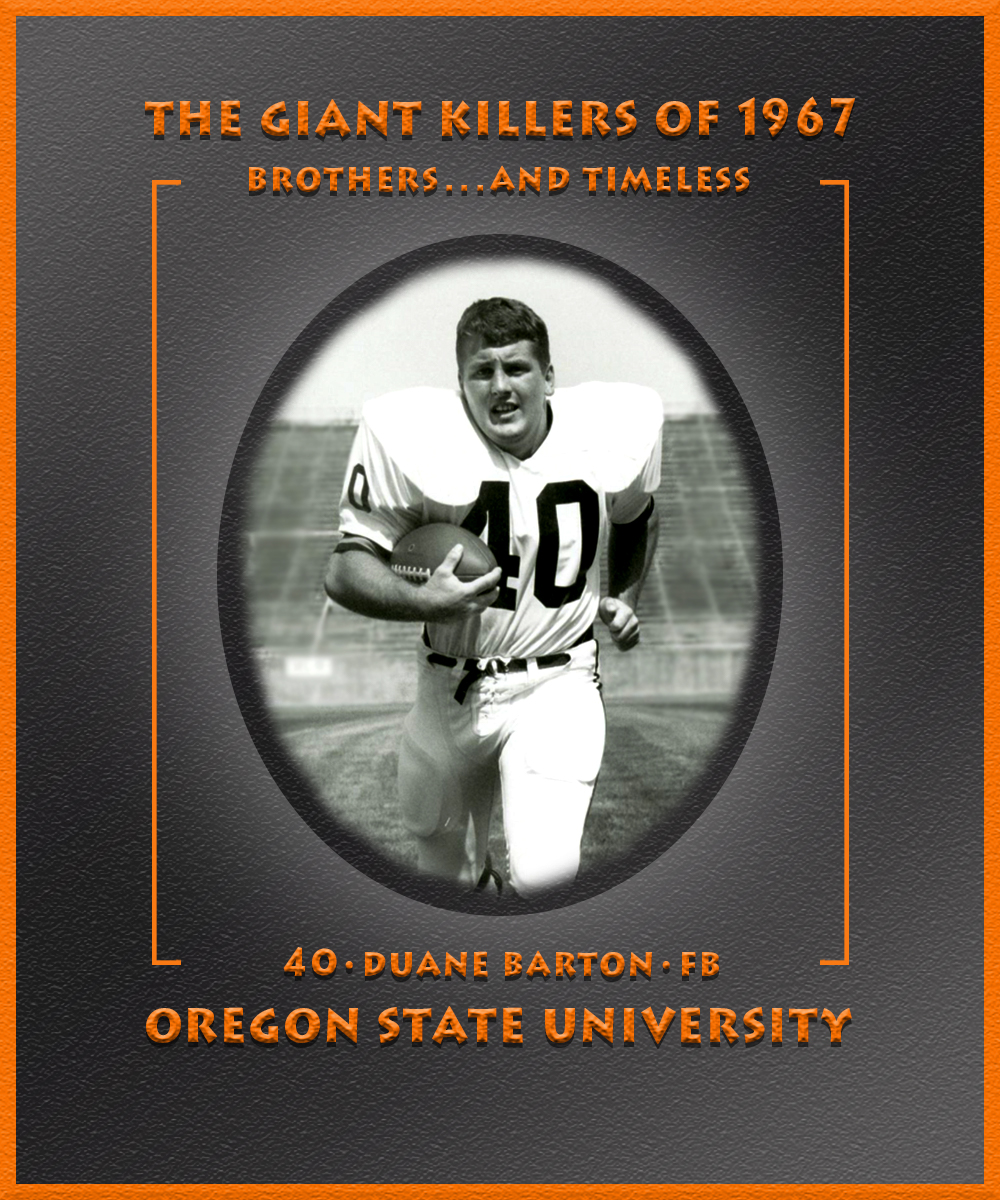
Duane Barton was the back-up fullback to Bill Enyart in 1967 and 1968. He knew Buff well – they were roommates when the team traveled.  Thumper was physically very different:

Enyart was 6 feet  4 inches – 235 pounds   —-   Duane was 5 feet 8 inches – 210 pounds.

Duane was one of the great players from eastern Oregon that were part of that Giant Killer team.  He was a skilled and proficient runner and blocker — the purest essence of the spirit and ethos of those teams…Had Buff gotten injured, we would lose very little. He was loved and respected by all of his teammates.”

Let’s talk about Naval Aviation and the Airlines

Being selected for Naval Aviation was a real honor for a midshipman.  Both Duane and Billy learned to fly in college at the Corvallis airport and went to flight school at Pensacola after commissioning.  Rabbit reminisced and said:

 “We were also in the Navy summer camps in LA and Pensacola. We were together on Aircraft Carriers: the USS Randolph and USS Lexington.

USS Lexington (CV-2) leaving San Diego, California #3

During that summer in Pensacola and when we had a few days leave, Thumper had a bright idea.  He suggested that we jump a freight train and just see where it was going. Duane always pushed to try something new. (Fortunately, Billy talked him out of this plan).

Duane was a skilled pilot but Thumper had an outrageous sense of humor.  He was constantly pinching your ass when you weren’t looking – then he would laugh like hell.”

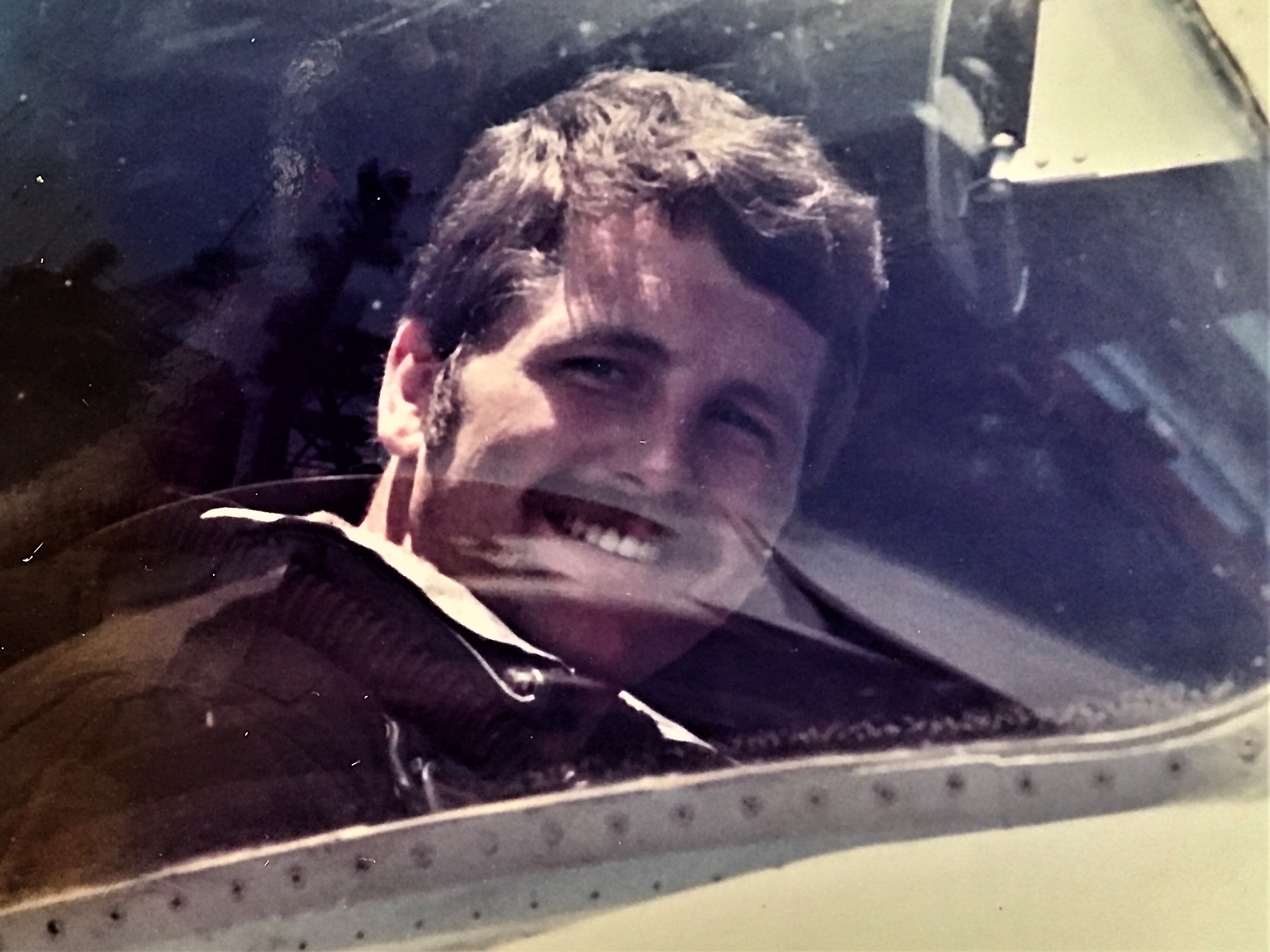
After commissioning and flight school in 1969, he served in the Vietnam War as a Navy pilot. Flying planes was always a dream of his, so he was then thrilled to continue that work as a commercial pilot for Continental.

In 1985 he began a career with Alaska Airlines, which lasted until his final flight in June of 2007; he had a respected and distinguished career. He was also very involved with Airline Pilots’ Association International for 30 years.

And at the SAE house, the Barton boys were active and appreciated.  Not only were they standout athletes on our intramural teams, but also talented vocalists—-although Duane had a much better voice than Gary…..

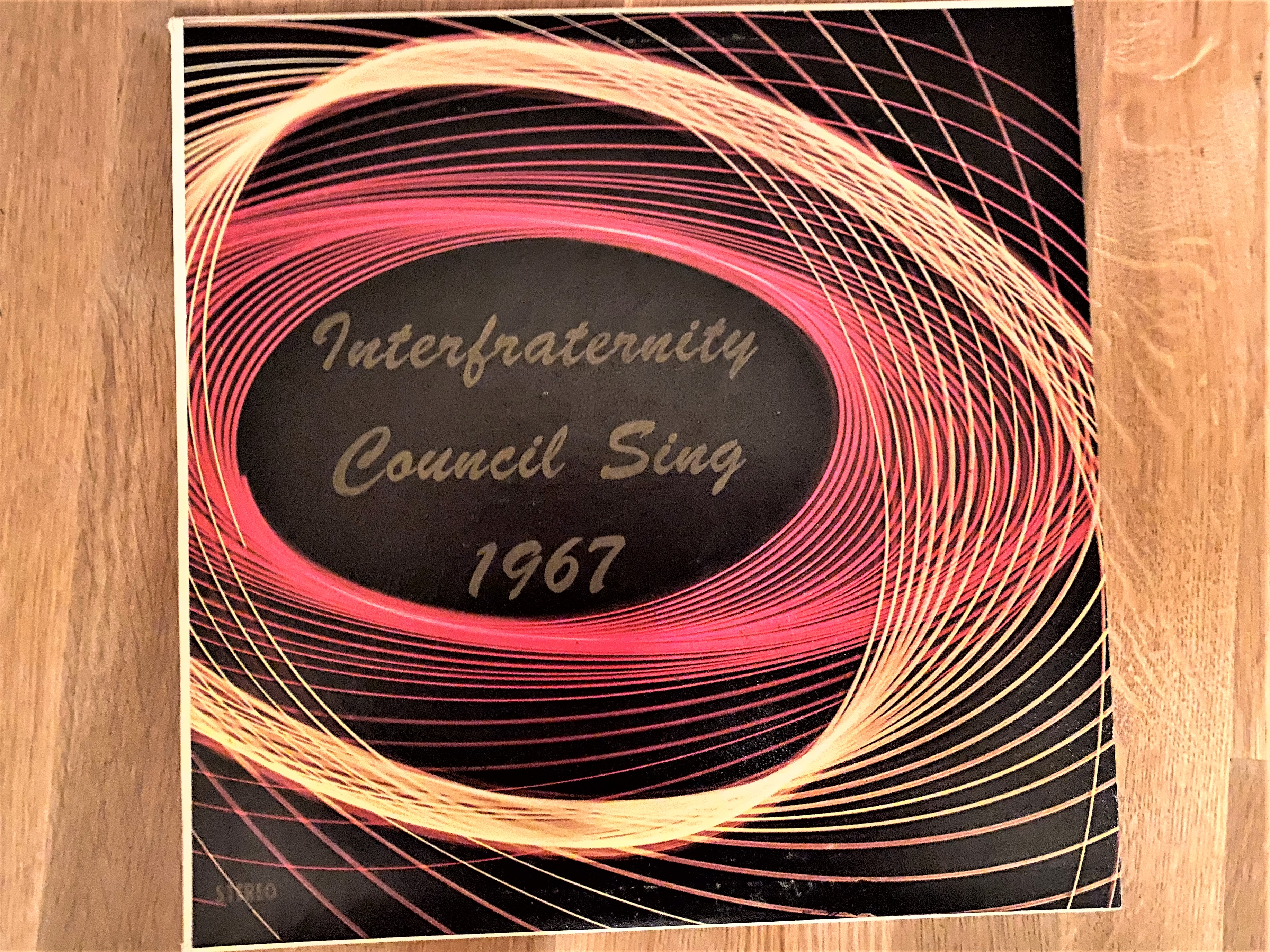
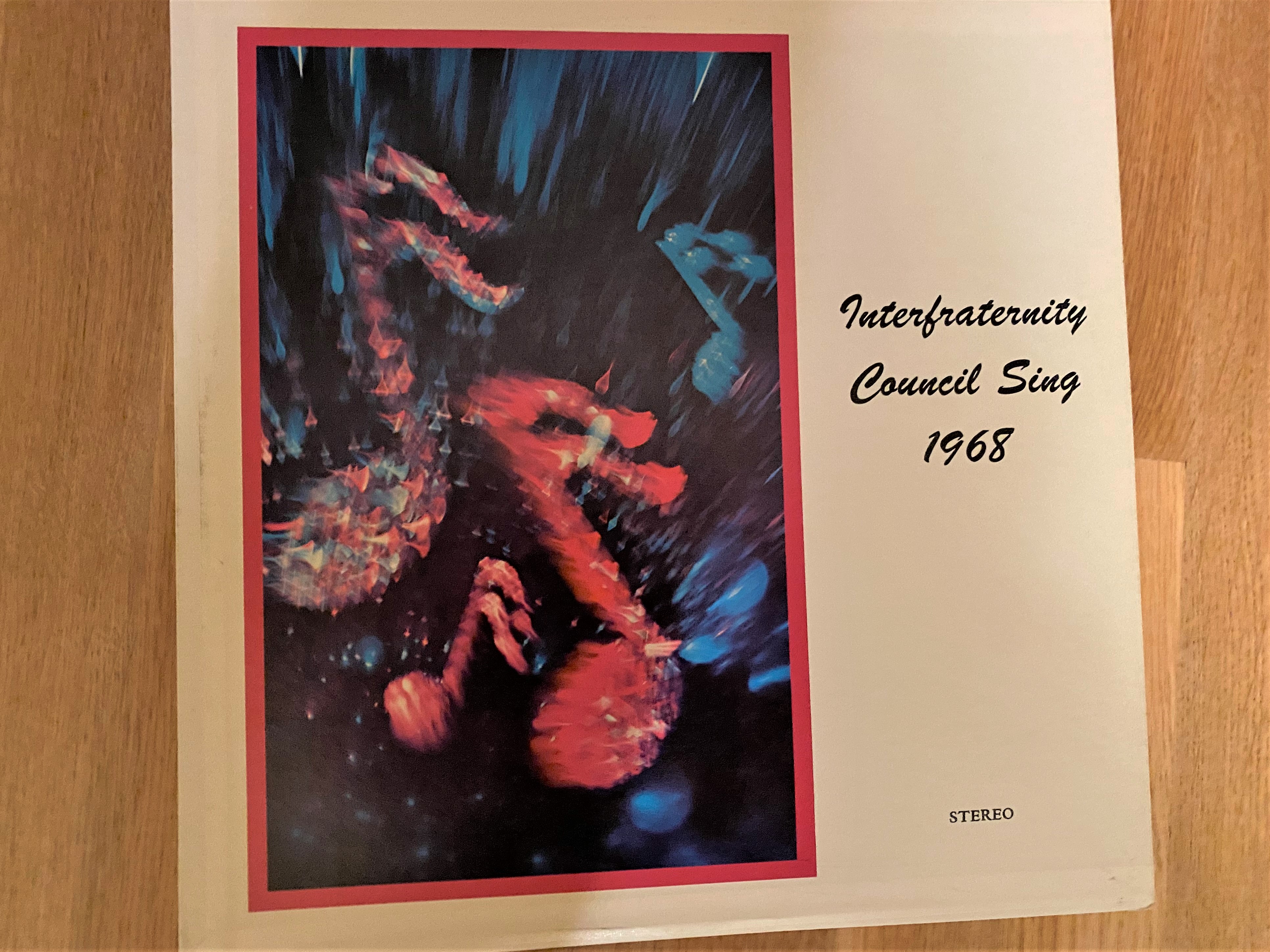
The SAE’s won the men’s competition in OSU Interfraternity Sing in 1968 and placed second in 1967.  It was a big event on campus every year and the Bartons were a key factor in the both victories (along with our white slacks……).

Duane and Gary are standing next to each other in the lower right.   (Thebeerchaser is upper row third from left and Danny Riley – stay tuned below – is fifth from the left in the upper row).

Given my propensity to save (hoard) items, I still have the vinyl LP’s from both years and you can hear our winning number “Give Me Your Tired, Your Poor” (Rather timely wouldn’t you think….) and hear the Bartons’ dulcet tones. (If there is not an arrow on the photo below, click on it to play the video).

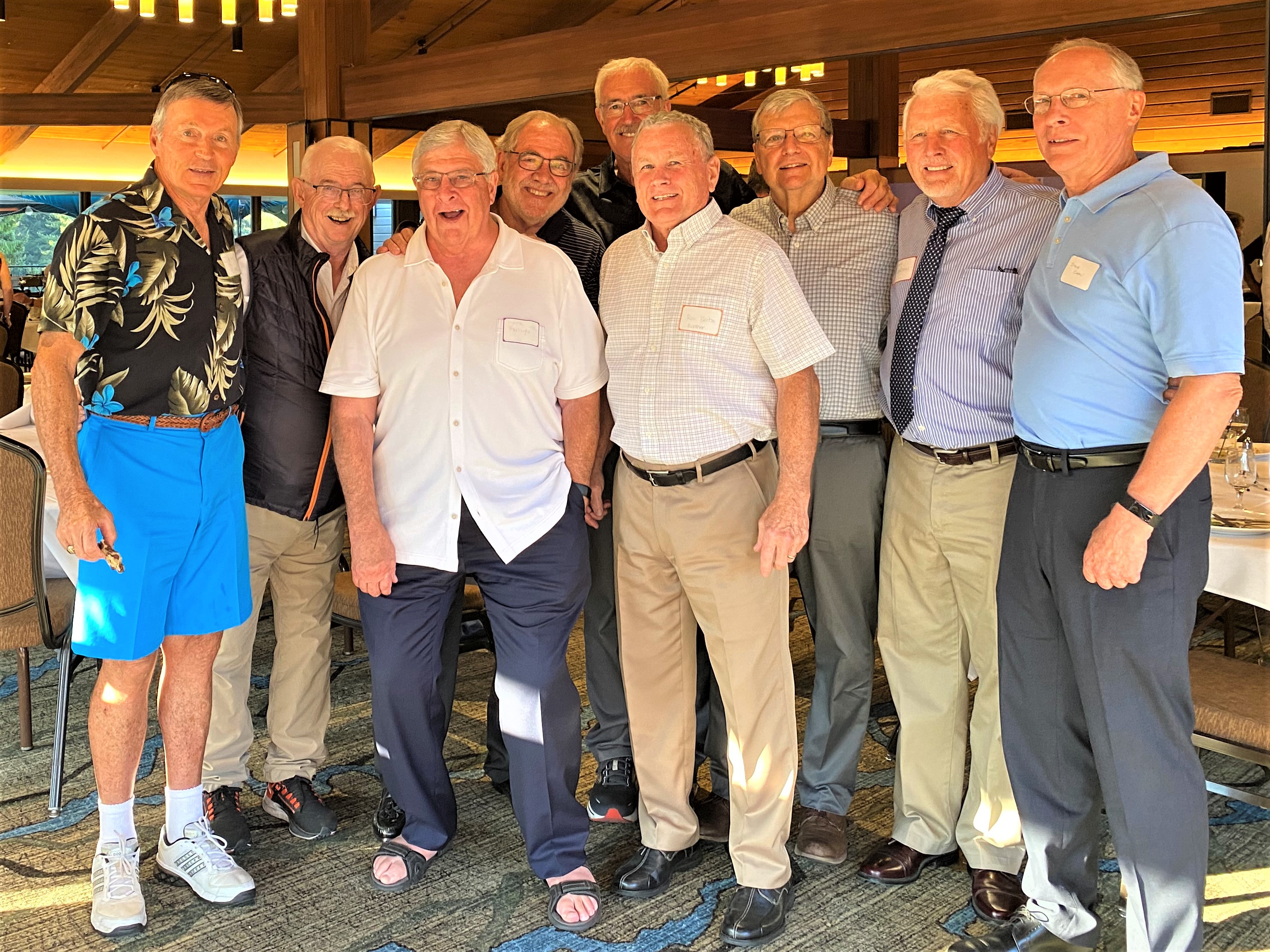
As I knew he would, Billy Main flew up for the Celebration of Life in Portland and ten of Thumper’s fraternity brothers were there as well – obviously all still retained their youthful looks and demeanors.

Finally, let’s talk about nicknames.

Some of you, are probably asking about the derivation of the moniker, “Thumper.”   Gary offered this explanation:

“The Thumper nickname came from the Disney movie Bambi.  There was a cute little cottontail named Thumper living in Bambi’s forest.   Among the burly football jocks at OSU, Duane was like their Thumper – both in size and perhaps even more so in personality.

That said, he gave one a memorable ‘thump’ when he hit you on the football field….”

Thumper: “Hey Rabbit (Billy), I’ll take out the linebacker and you go off tackle.” #4

At the SAE house almost everyone had a nickname.   You know Duane’s.  Gary Barton was known as “Golden Boy” – I think he got that name from his hair color although Gary always  thought it was because of his accomplishments.  But  that’s a story for another time……

There was also “Foghead,” “The Dude,” “Cheater,” “Buns” and some that can’t be repeated in mixed company.  My nickname was “Dirt” and when my younger brother pledged the house several years later, he became known as “Dust.”   Those nicknames – in many cases – stuck for the rest of one’s life.   I’ll close with an example:

Scene — Portland International Airport (PDX)

In 2007, my law firm was having merger discussions with a Seattle firm. I was flying to Seattle each week and one weekday morning I was seated in the  Alaska Airlines waiting area for my 6:30 AM flight.

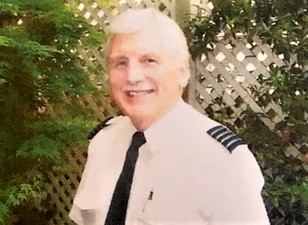
I looked at the couch across from me about four seats down and saw a pilot in his uniform waiting to catch a hop to Seattle. I was pretty sure that it was Duane; however, I hadn’t seen him in more than 20 years.  His hair was white and he had a mustache.

“Thumper??”

Taking a cautious approach I said in a very low voice, “Thumper?”  Well, the lady sitting next to me was horrified…..But Duane turned abruptly towards me, got a big grin and said enthusiastically:

“Dirt!”.

“Dirt???”

We had a great conversation.

The Celebration was a wonderful and healing time for reminiscing and I enjoyed meeting Jan, Kylee and Jamie.  And it was a real treat seeing Gary again and hearing his heartfelt and eloquent tribute to Duane.

A Naval Aviation Family

And speaking of tributes, I want to close with recognizing another SAE who was also in NROTC and my best friend in college.

Dan Riley

Foghead and Dirt ready to drive to San Diego for summer Midshipman cruise during college.

Dan (Foghead) Riley also took his commission in Naval Aviation and was a legacy member of an outstanding family of Navy pilots – Mike (’59), Dave (’63), Steve (’69) and then Danny (’71).   All were NROTC at OSU except Dave who was a US Naval Academy grad.  Dan, like Duane Barton, left us too soon and passed away from a long illness in 1997.

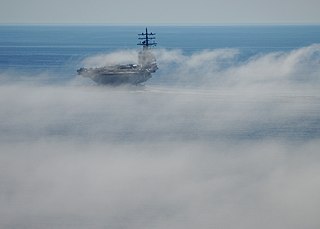
It’s ironic and funny how Dan got his nickname at the SAE house in light of the fact that he subsequently landed many times on aircraft carriers – obviously this task takes a clear head!

At the SAE house, there was a week-long initiation to become a member- usually in the spring of the sophomore year, if one made the required GPA.   “Hell Week” did not involve any physical hazing but there was a lot of good-natured psychological grief for the prospective members and  “assignments” – some of which were essentially impossible to carry out, but for which there was grief it not accomplished.

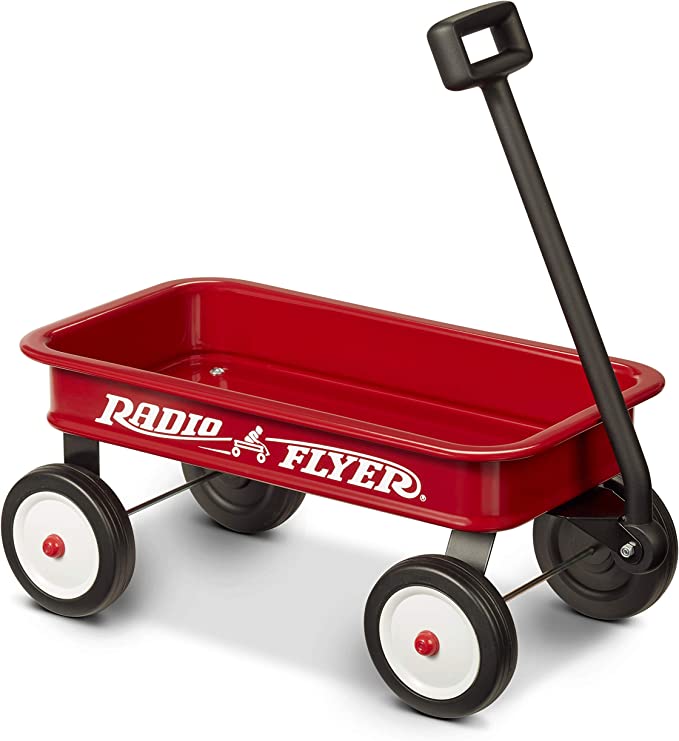
One of mine which still brings a laugh – I was supposed to surreptitiously place a unit of hay on the study room desk of the House President, Ronnie  “Root Beer” (he didn’t drink) Holloway.   I talked a kid in the neighborhood of the SAE house to let me borrow his Radio Flyer wagon. 

I took it to the OSU sheep barns (we were an aggie school…) – about 3/4 mile from the house and told one of the workers that I was doing a science project and needed a unit of hay which I would pay for.  He laughed and gave it to me.

I pulled the wagon and hay through the back streets to return to the house and waited until everyone was at dinner and Dan Riley helped me get it up to the second floor on the desk.   Root Beer was astonished when he came in.

The “birth” of Fog Head –  On the first night of Hell Week, they lined us up single file at attention in the hall (about fifteen of us) after dinner.  The upperclassmen were all puffing on cigars and the smoke was so thick, it probably could have held up the ceiling.    We were all nervous and not wanting to screw up as they lectured us about how we didn’t live up to SAE standards, were flakes, etc.

One senior – a big guy who played football came up, puffed his cigar and stuck his head in Dan’s face and said, “Riley, this probably doesn’t mean anything to you does it?”  With all the yelling Dan didn’t hear him so figuring he had a 50/50 chance to be correct, he replied “No Sir!”

All the upperclassmen then laughed uproariously and one of them yelled, “Come on, Riley.  Get your head out of the fog!”

Perhaps that night in 1967, in some small way, prepared Dan for a scenario like that below that he may have faced on one of his Navy air patrols!  #7

US_Navy_101105-N-5684M-121_The_aircraft_carrier_USS_Ronald_Reagan_(CVN_76)_maneuvers_through_fog_in_the_Pacific_Ocean

I’ll finish with this tribute to the Navy aviators mentioned above – Duane, Billy, Danny, Steve, Mike and Dave.  The song is by the OSU Chapter of the Sigma Chi Fraternity  – winners of the 1967 OSU Interfraternity Council Sing. #8 (If there is not an arrow on the photo below, click on it to play the video).

Cheers

External Photo Attribution

#1.  Public Domain – Wikimedia Commons (https://commons.wikimedia.org/wiki/File:Benjamin_Franklin_1767.jpg)  This work is in the public domain in its country of origin and other countries and areas where the copyright term is the author’s life plus 100 years or fewer.  Source:  The White House Historical Association.

#2. Wikimedia Commons (https://commons.wikimedia.org/wiki/File:A_convertor_free-bass_piano-accordion_and_a_Russian_bayan.jpg)  Licensed under the Creative Commons Attribution-Share Alike 3.0 Unported license.  Author: Henry Doktorski  30 September 2008.

#3.  Public Domain – Wikimedia Commons (https://commons.wikimedia.org/wiki/File:USS_Lexington_(CV-2)_leaving_San_Diego_on_14_October_1941_(80-G-416362).jpg)  This file is a work of a sailor or employee of the U.S. Navy, taken or made as part of that person’s official duties. As a work of the U.S. federal government, it is in the public domain in the United States. https://en.wikipedia.org/wiki/en:Naval_History_and_Heritage_Command

#4.  Public Domain – Wikimedia Commons (https://commons.wikimedia.org/wiki/File:Thumper_Bambi_Screenshot.png) This work is in the public domain because it was published in the United States between 1927 and 1963, and although there may or may not have been a copyright notice, the copyright was not renewed.  Source: The Walt Disney Company 1942.

#5.  Radio Flyer Wagon – https://www.amazon.com/Radio-Flyer-Classic-Red-Wagon/dp/B00000IS6G/ref)

#6.  Wikimedia Commons (https://commons.wikimedia.org/wiki/File:Hatzir_in_dalton(2).JPG) Licensed under the Creative Commons Attribution-Share Alike 3.0 Unported license.  Author: קרלוס הגדול4 May 2013.

#7.  Public Domain – Wikimedia Commons (http://File:US Navy 101105-N-5684M-121)  The aircraft carrier USS Ronald Reagan (CVN 76) maneuvers through fog in the Pacific Ocean.jpg –  A work of a sailor or employee of the U.S. Navy, taken or made as part of that person’s official duties. As a work of the U.S. federal government, it is in the public domain in the United States. 5 November 2010.

#8.