After leaving Charlottetown on our cruise from Montreal to Boston, the fifth and sixth days saw us docking in two cities in Nova Scotia – first Sydney on Cape Breton Island and then Halifax, the capital of Nova Scotia.
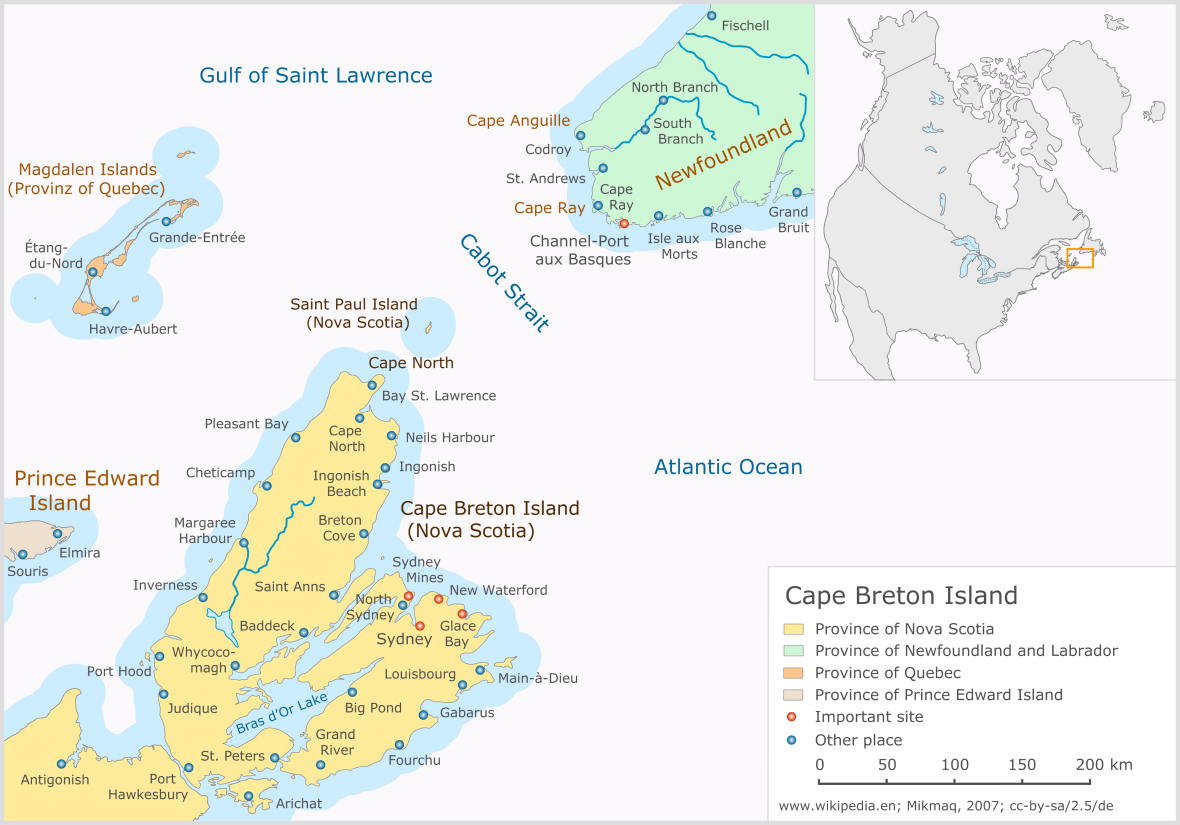
The map above shows Sydney on the northeast coast. (External photo attribution at the end of the post #1)
So, for the first time we left the watery “confines,” if you will, of the St. Lawrence River and ventured forth into more expansive nautical territory including the Gulf of St. Lawrence, the Cabot Strait (between Nova Scotia and Newfoundland) and then the Atlantic Ocean.
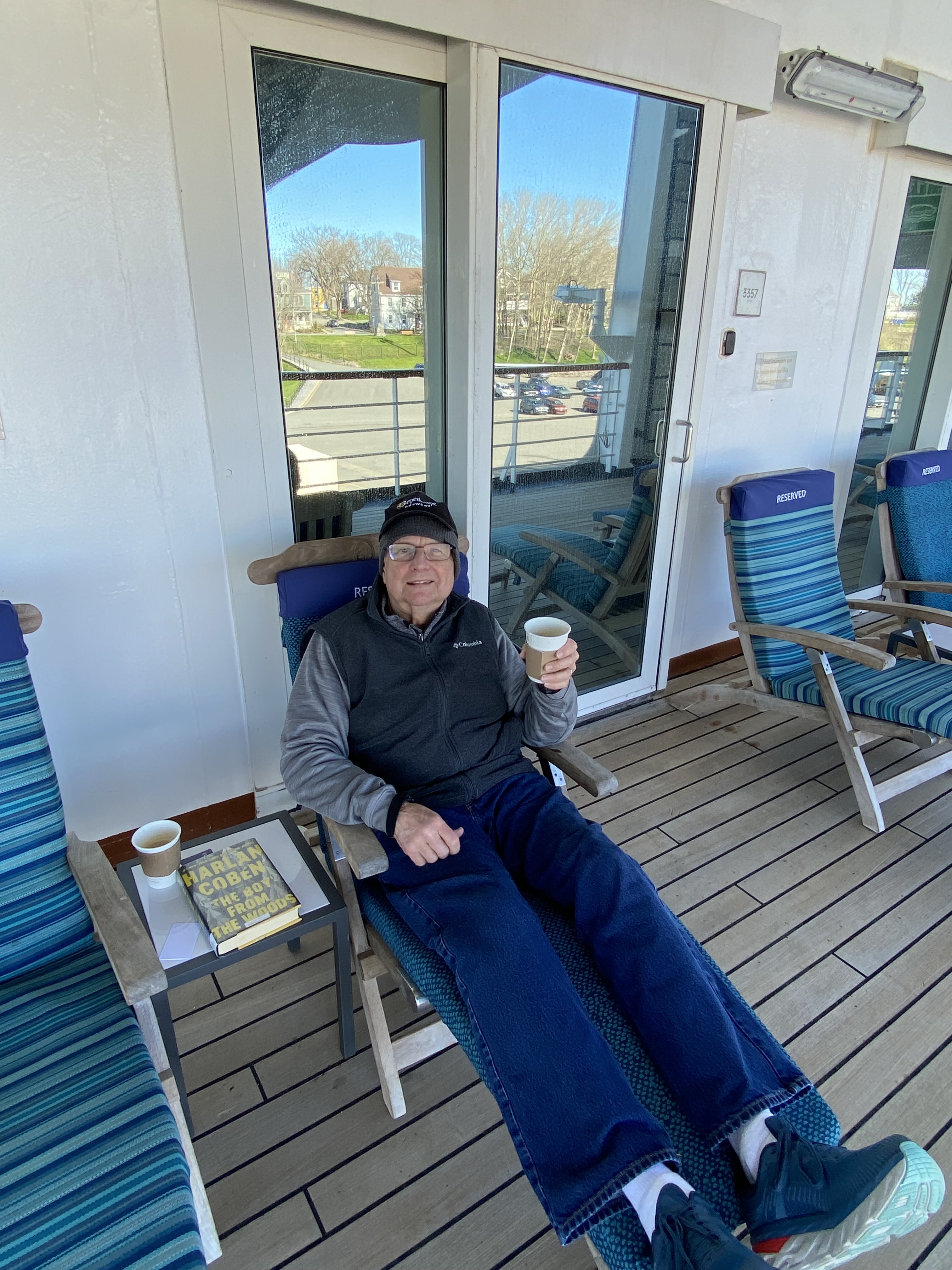
I should add that due to a bit of inclement weather during much of the first part of the cruise, I hadn’t been able to sit outside our stateroom and just take in the marine scenery.
To remedy that while we were sailing the Gulf of St. Lawrence, I bundled up in several layers and “capped” it off with a stocking cap and then my favorite Benedictine Brewery hat on top of that. (By the way, that’s coffee in my cup and not beer.) #2

It harkened back memories of days on both a Navy destroyer and destroyer escort, so I decided even though there were winds and swells, to look over the rail of the ship – for a better view.
To my chagrin and without warning, a big gust hit and my brewery cap, sailed off my head and disappeared over the starboard side of the Volendam – into the Gulf of St. Lawrence.
My first inclination was to shout, “Monk overboard!” but I figured the captain was not going to issue the command, “Full speed astern,” to recover my headgear. (A new one is on my to-do list when I again visit the Mount Angel Abbey.) #3

“Monk Overboard!”
Nova Scotia – Fascinating History
I could devote several posts just to the history, culture and geography of Nova Scotia, but will summarize. It was first visited by outsiders when the French landed in the early 1600’s.
“In 1605, Acadia – France’s first New France colony—was founded with the creation of Acadia’s capital, Port Royal.” (Wikipedia)
Since that time Nova Scotia has been directly or peripherally involved in military conflicts with groups including the English, Scottish, Dutch, French, Americans and the original inhabitants – the Mi’kMaq.
The conflicts ranged from the American Revolution, the French and Indian War, the War of 1812 and the American Civil War.
“Nova Scotia is the most populous province in Atlantic Canada, with an estimated population of over 1 million as of 2024; it is also the second-most densely populated province in Canada, and second-smallest province by area.”
Cape Breton Island, a large island to the northeast of the Nova Scotia mainland, is also part of the province, as is Sable Island, a small island notorious for being the site of offshore shipwrecks. (I was thankful that our captain avoided Sable Island and didn’t try to use the navigation chart below.) #4
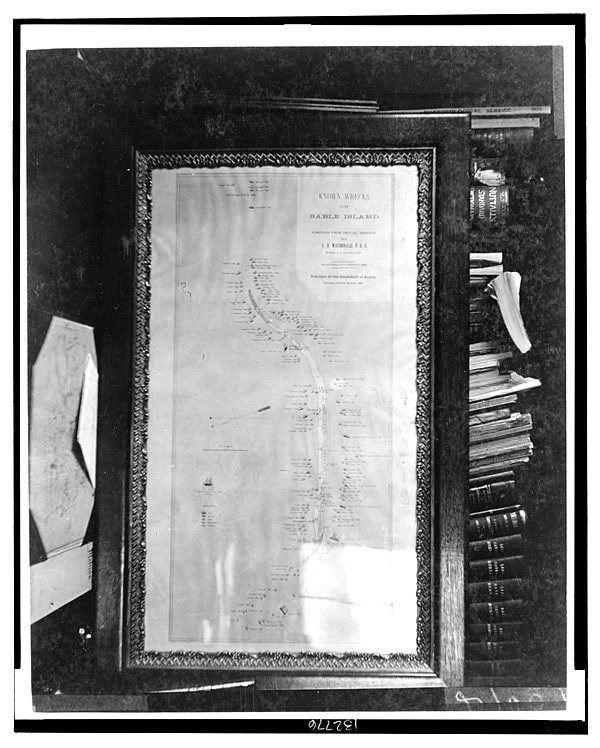
Map showing location of shipwrecks along Sable Island
Port Royal was the first permanent European settlement in what would become Canada. The settlement was in the Mi’kmaw district of Kespukwitk and was the founding settlement of what would become Acadia.
The French and Acadians lived in Nova Scotia and during the early years, nine significant military clashes took place as the English and Scottish, Dutch French, and Mi’kmaq fought for possession of the area. (#5)
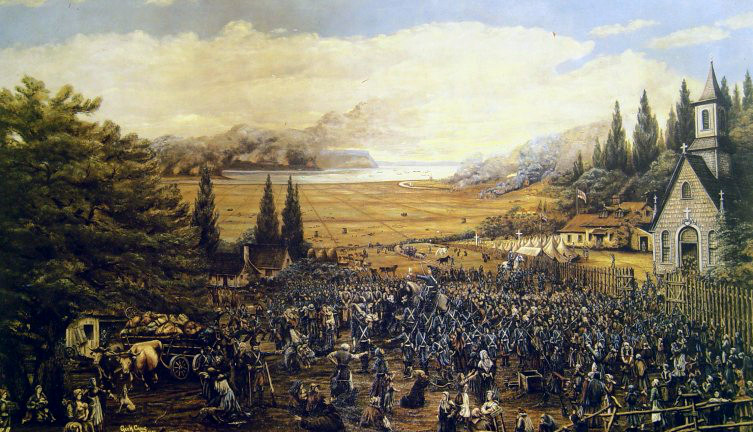
The treatment of the Arcadians by the British is a sad chapter in Western Civilization:
“The Expulsion of the Acadians was the forced removal of inhabitants of the North American region historically known as Acadia between 1755 and 1764 by Great Britain.
It included the modern Canadian Maritime provinces of Nova Scotia, New Brunswick, and Prince Edward Island, along with part of the US state of Maine.” (Wikipedia)
The history is complex, but the British finally and reluctantly acknowledged the grave error of their actions although it took until the 20th century for some of this to transpire.
“Some 233,000 people whose mother tongue is French—the great majority of whom are Acadians—represent one third of the province’s (New Brunswick) population.” (The Canadian Encylopedia)
The Arcadians have made great strides which led me when I saw the hat below to state that I was glad that they were taking a more assertive position until Janet chastised me for misinterpreting the acronym. (I quickly recanted.) (#6)

No, Don. That’s not Arcadians!
Sydney
But I digress…when we docked at Sydney – founded in 1785 by the British and incorporated as a city in 1904 – with a current population of just over 31,000, we were greeted by two interesting scenes on the pier:
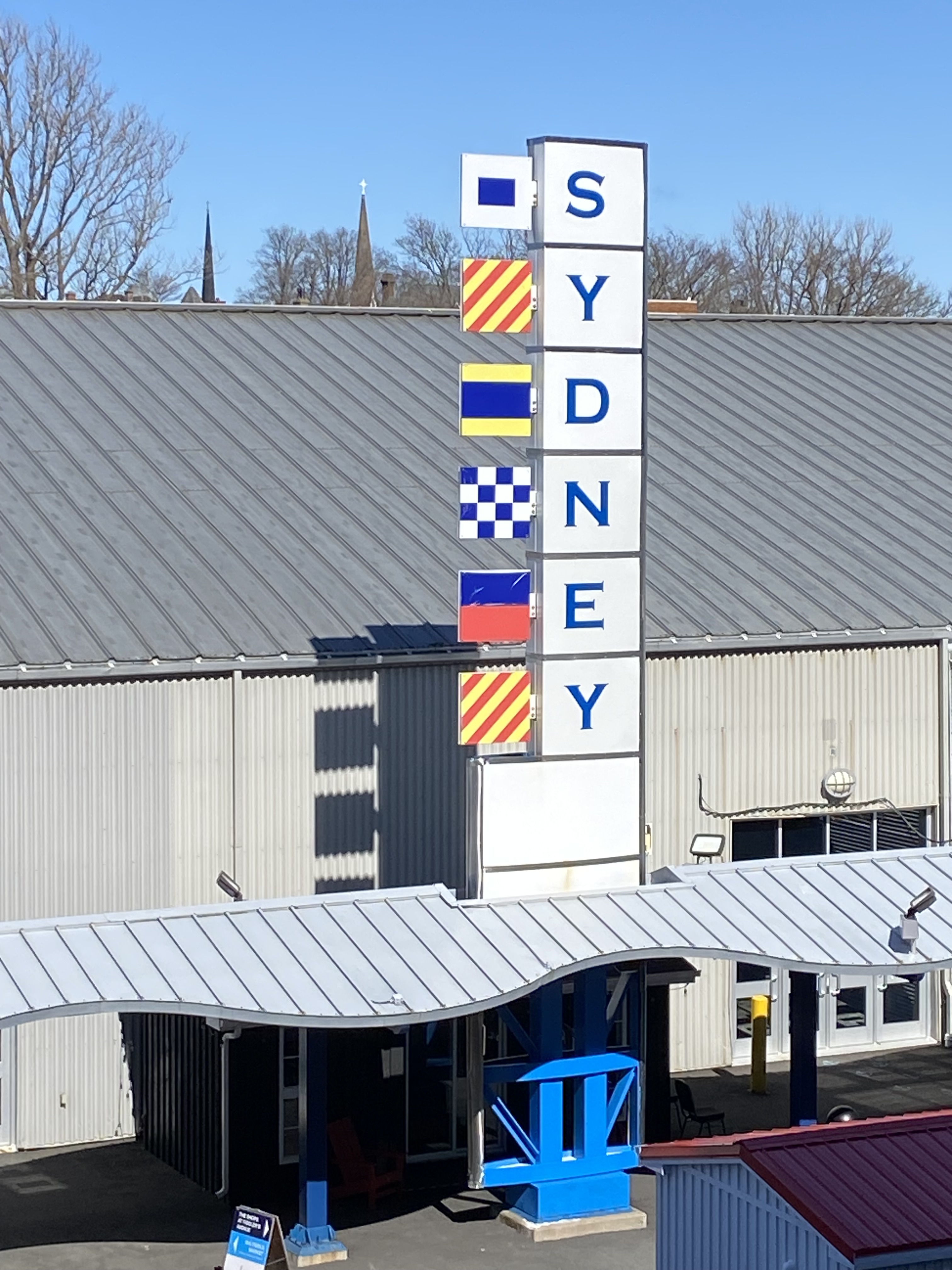
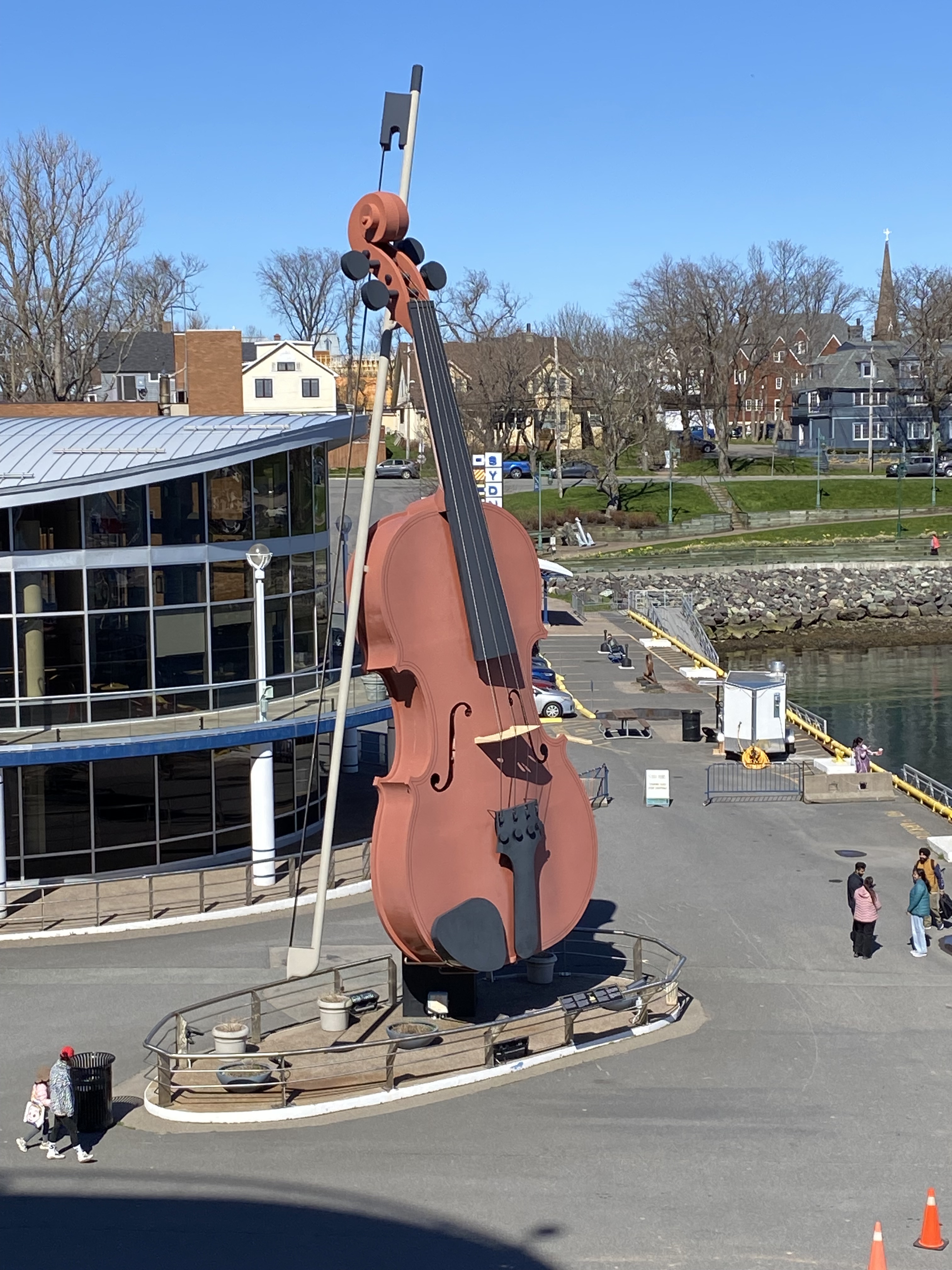
Purportedly, the largest fiddle in the world, the instrument and bow reach a height of 60 feet – it’s made of solid steel and …“was dubbed the ‘Big Fiddle of the Ceilidh’. Ceilidh is a Gaelic word which translates into ‘visit’.” (Atlas Obscura.com)
I was a bit disappointed not to hear a soundtrack of Alabama’s hit – “If You’re Gonna Play in Texas, You Gotta Have a Fiddle in the Band.” (But perhaps not one that big…although given the Texas mentality, one never knows.)
Although having a rich history, Sydney was definitely not as impressive as Quebec City and Charlottetown in its presentation of that legacy, but our eight-hour bus tour that day along a major portion of The Cabot Trail made up for that. A large portion of the economy in Sydney depends on the cruise industry. (#7)
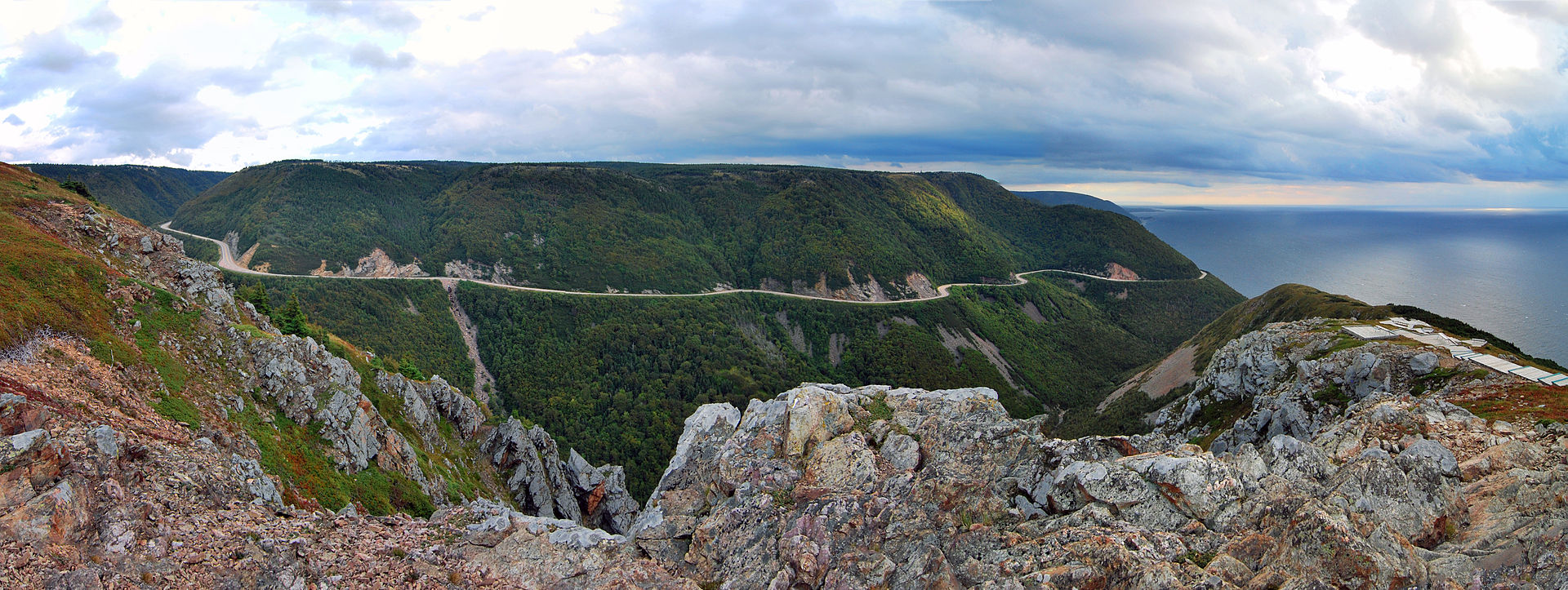
“This 298 km (186 mi) highway weaves through The Cape Breton Highlands National Park, rewarding travelers with spectacular valley and coastal views all along the way.” (www.novascotia.com)
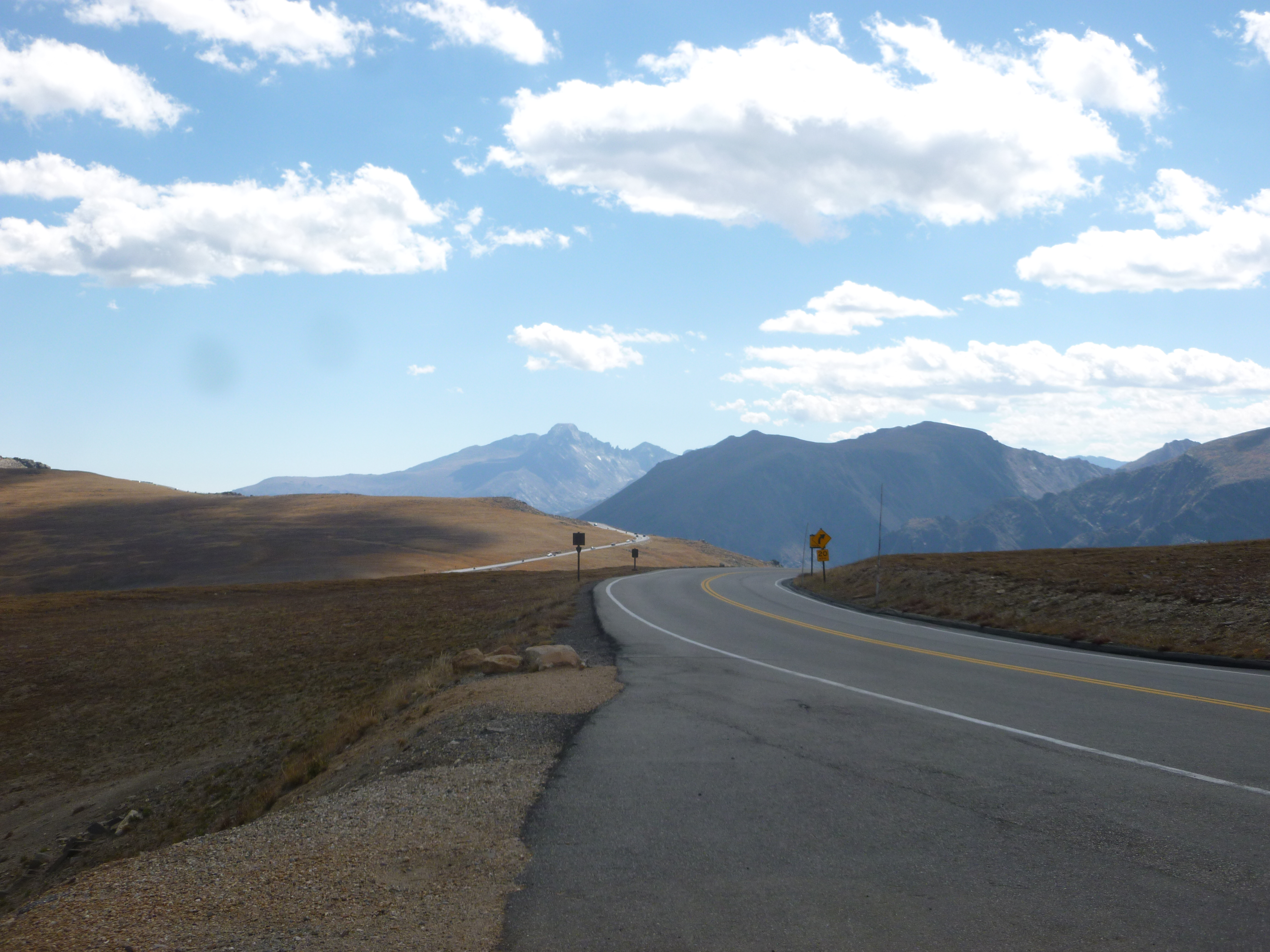
It reminded me of the amazing Trail Ridge Road through Rocky Mountain National Park although the Cabot has breathtaking views of the sea as well as the rugged mountains.
In fact, Cape Breton Highlands National Park is described as:
“One of Nova Scotia’s most enchanting places, where the mountains meet the sea. Discover 950 square kilometres of rugged wilderness, travel along the world-famous Cabot Trail and marvel at lush, forested river canyons carved into an ancient plateau.” (https://parks.canada.ca/pn-np/ns/cbreton)
We had a great bus ride – other than a tour guide who thought she was a stand-up comedian performing at the front of the bus as we made our journey. (Unfortunately spurred on by repeated guffaws from a small minority of our fellow riders….).
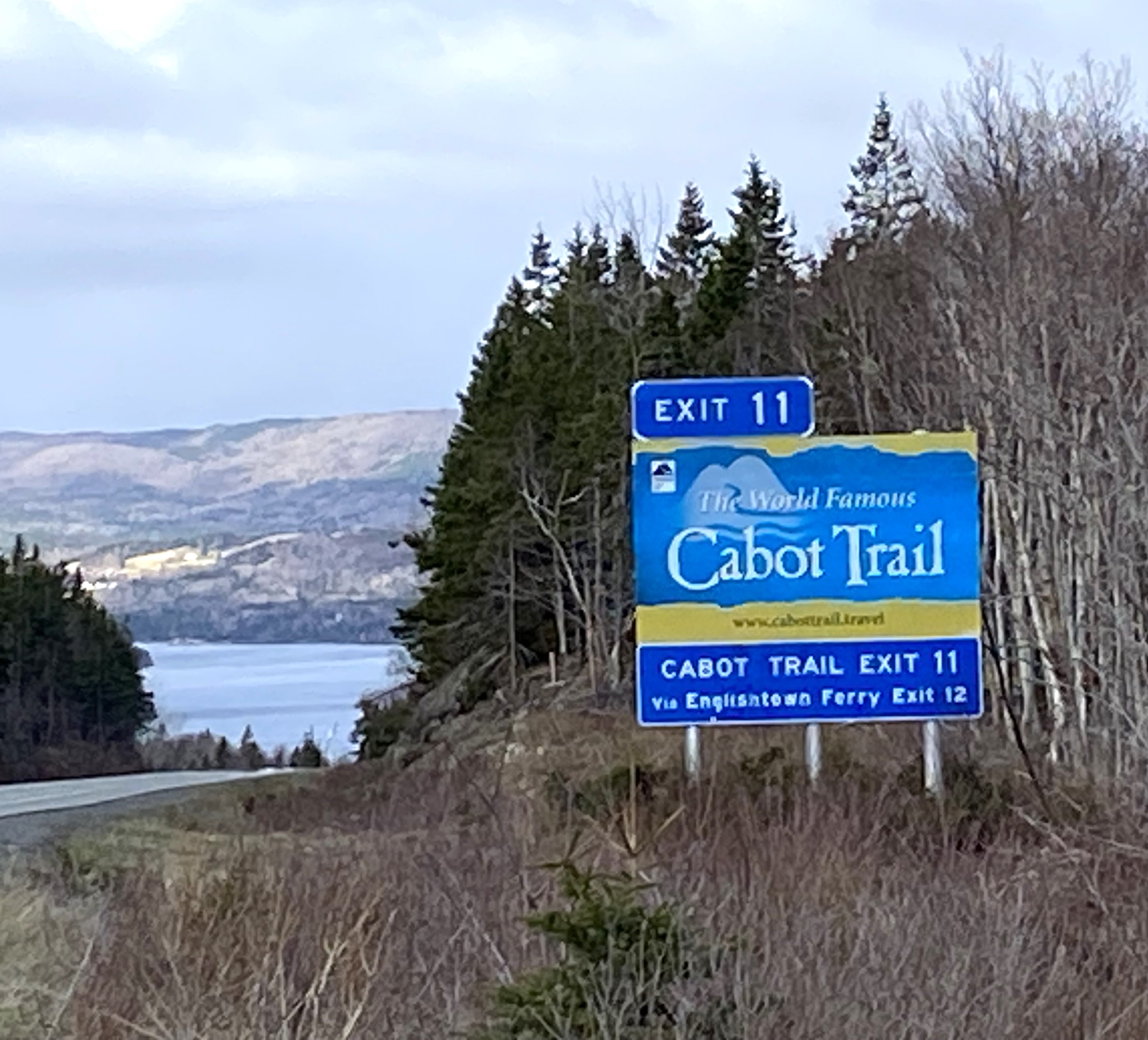

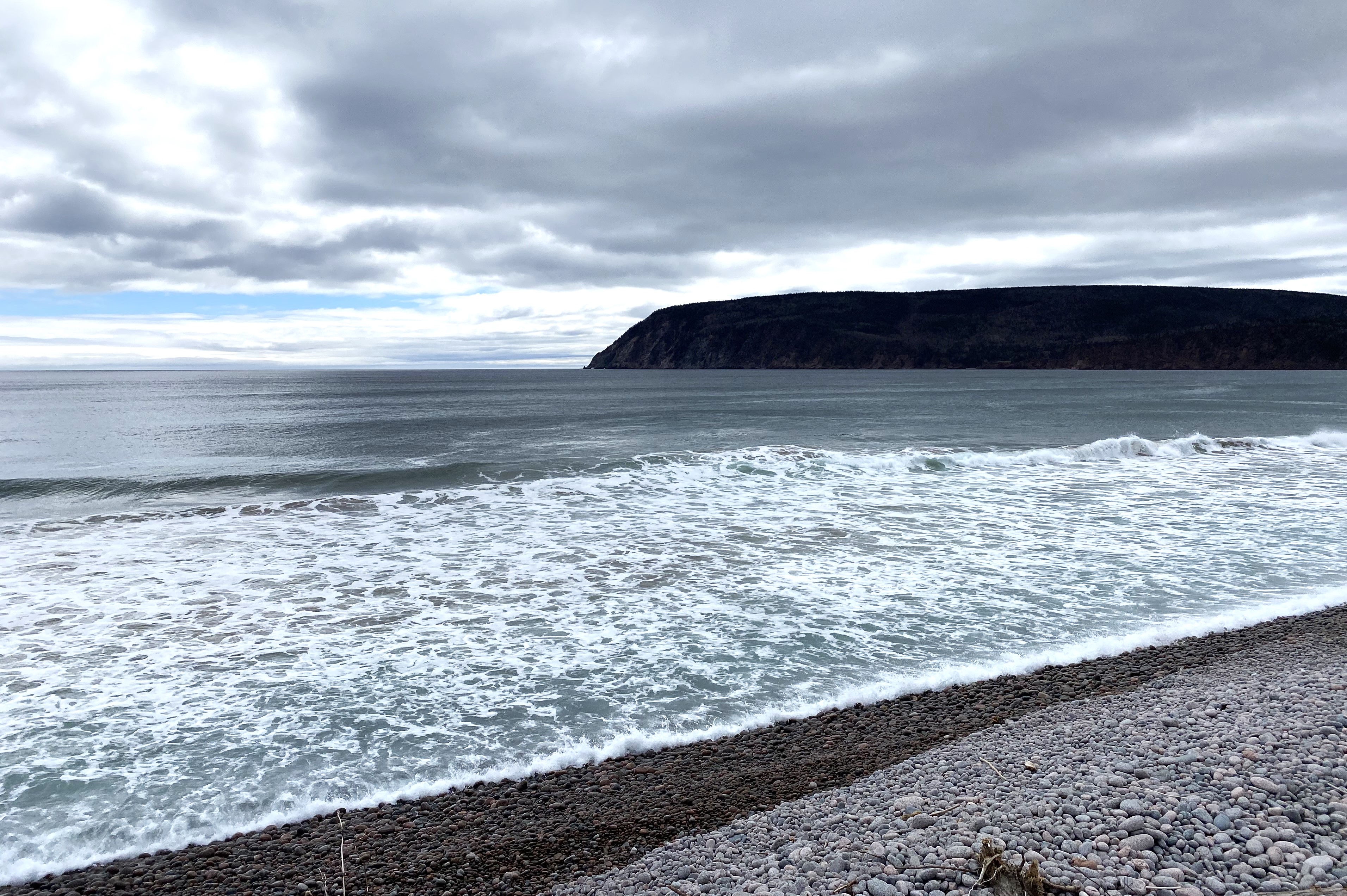
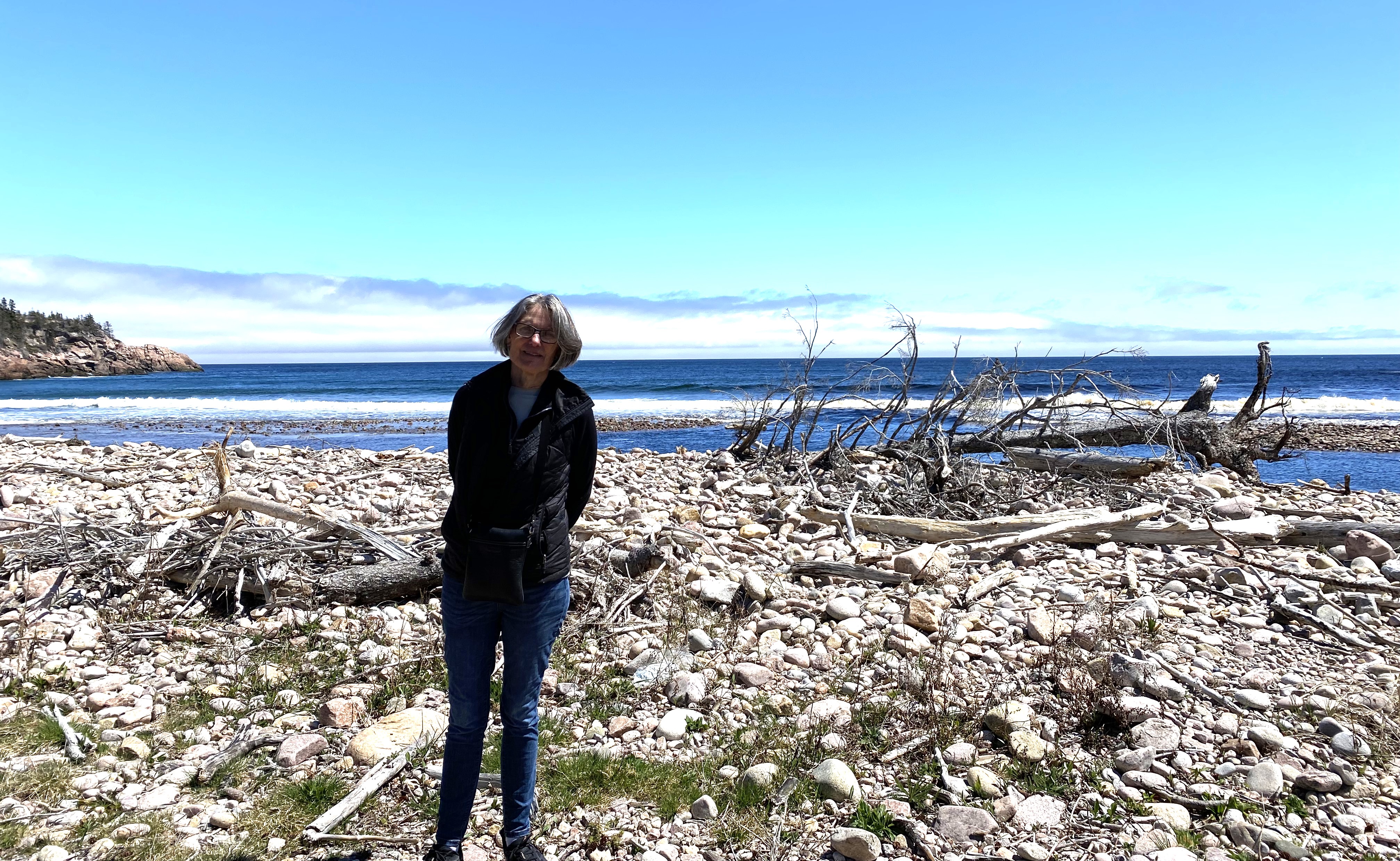
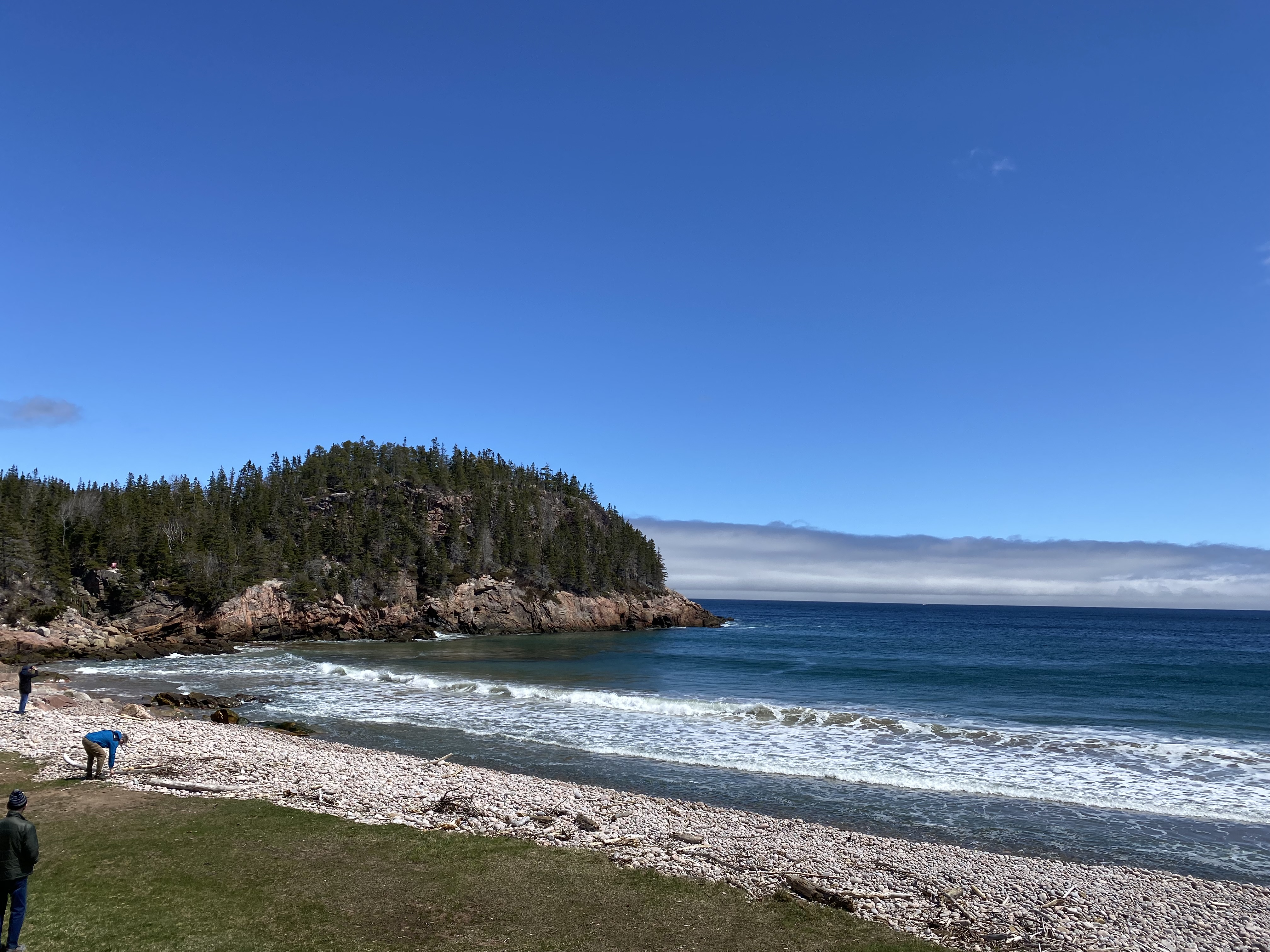
It included a wonderful buffet lunch with the best clam chowder I’ve had in years at a small restaurant in the fishing village of Ingonish, halfway through the trip.
Not to be parochial, but giving a shout-out to our Oregon, we found that while the scenery – both along the Cabot Trail and on a tour through Acadia National Park at our final port – Bar Harbor – were outstanding, they certainly did not surpass what we sometimes take for granted along the beautiful Oregon Coast and the mountains in Central and Eastern Oregon – two to four hours respectively from our home.
And as seen below from our 2023 trip to Steens Mountain in Eastern Oregon, you probably won’t encounter cattle along your highway on the way.
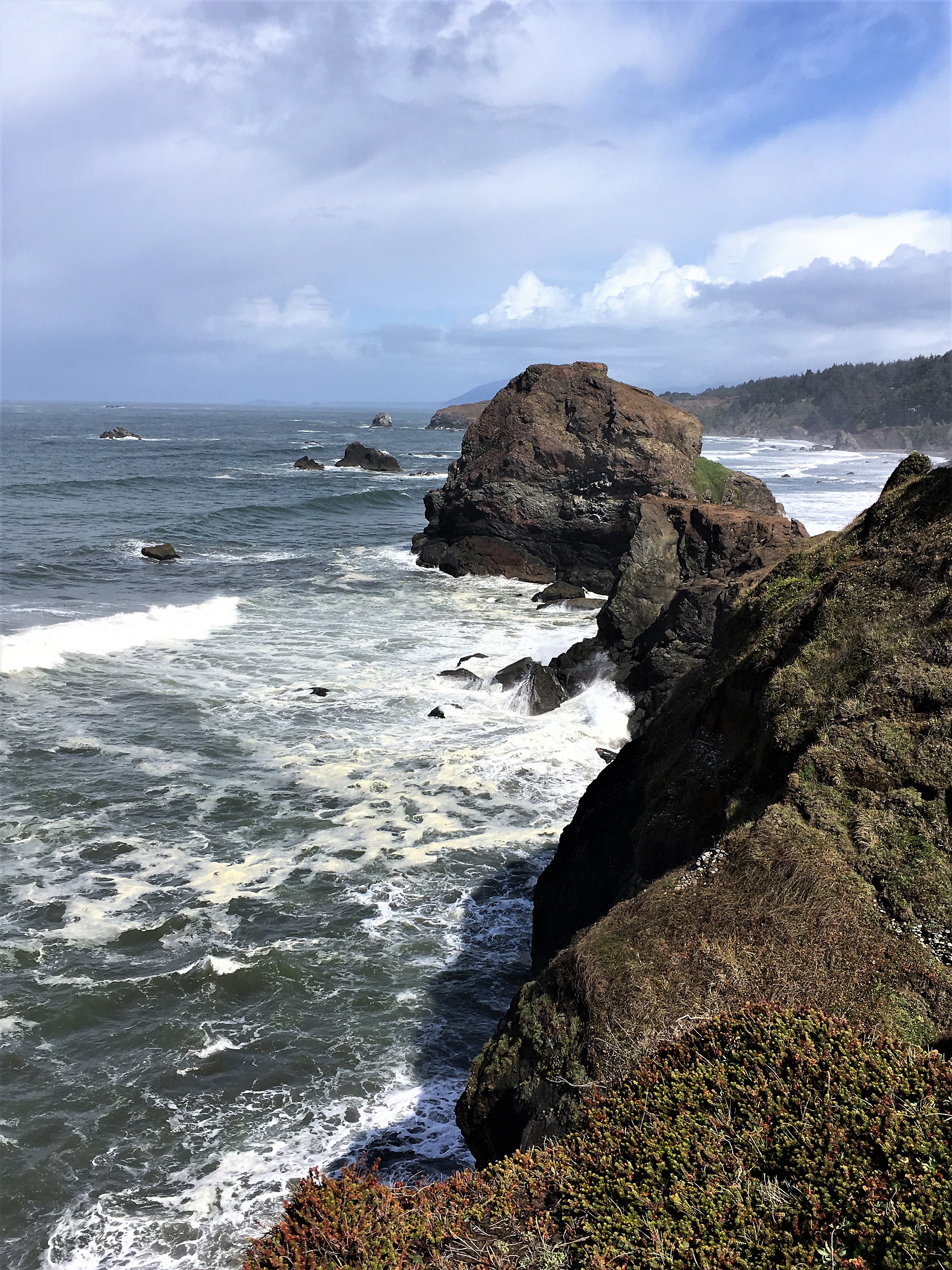
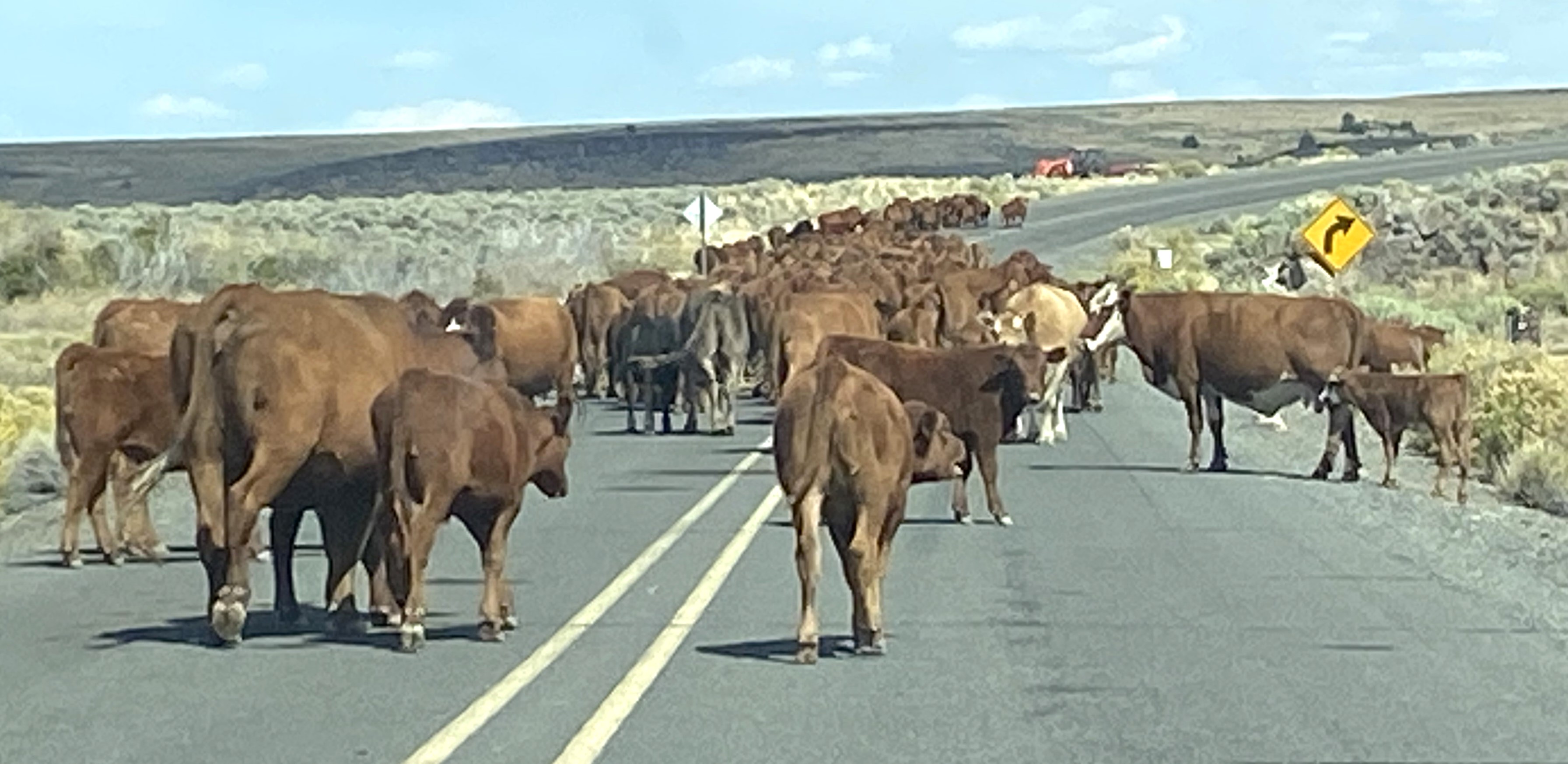

Stay tuned for our next port – Halifax, Nova Scotia, which included a trip to an outstanding brewery.
Cheers
External Photo Attribution
#1. Wikimedia Commons (Cape Breton Island – Cape Breton Island – Wikipedia) Licensed under the Creative Commons Attribution-Share Alike 2.5 Generic license. Author: Klaus M. – 3 January 2007.
#2. Benedictine Brewery (Benedictine Brewery Black Cap – Mount Angel Abbey).
#3. Public Domain – Wikimedia Commons (Portrait_of_a_Monk_in_Prayer_MET_DP345572.jpg (2777×3882) (wikimedia.org) This file is made available under the Creative Commons CCO 1.0 Universal Public Domain Dedication. The work of art itself is in the public domain . George Craiguthor – 1893 painting, depicting an event in 1755.
#4. Wikimedia Commons (File:A map of Sable Island showing the location of the known wrecks upon the island LCCN2003668269.jpg – Wikimedia Commons) This image is available from the United States Library of Congress‘s Prints and Photographs division
under the digital ID cph.3c32776. Author: McCurdy, Arthur W. (Arthur Williams), 1856-, photographer – 1898.
#5. Public Domain – Wikimedia Commons (Deportation Grand-Pré – Expulsion of the Acadians – Wikipedia). This is a faithful photographic reproduction of a two-dimensional, public domain work of art. The work of art itself is in the public domain…..Author: George Craig – 1893 painting, depicting an event in 1755.
#6. Ebay (Donald Trump MAGA Hat Red Strapback OSFM | eBay).
#7. Wikimedia Commons (https://en.wikipedia.org/wiki/Cabot_Trail#/media/File:Cabot_trail_2009k.JPG). By chensiyuan – chensiyuan, CC BY-SA 4.0. Licensed under the Creative Commons Attribution-Share Alike Attribution-Share Alike 4.0 International, 3.0 Unported, 2.5 Generic, 2.0 Generic and 1.0 Generic license. 19 September 2009.