
I Haven’t Washed my Hands of this Nickname….
Welcome back to Thebeerchaser. If you are seeing this post through an e-mail, please visit the blog by clicking on the title at the top to see all of the photos and so the narrative is not clipped or shortened. External photo attribution at the end of the post. (#1 – #2))
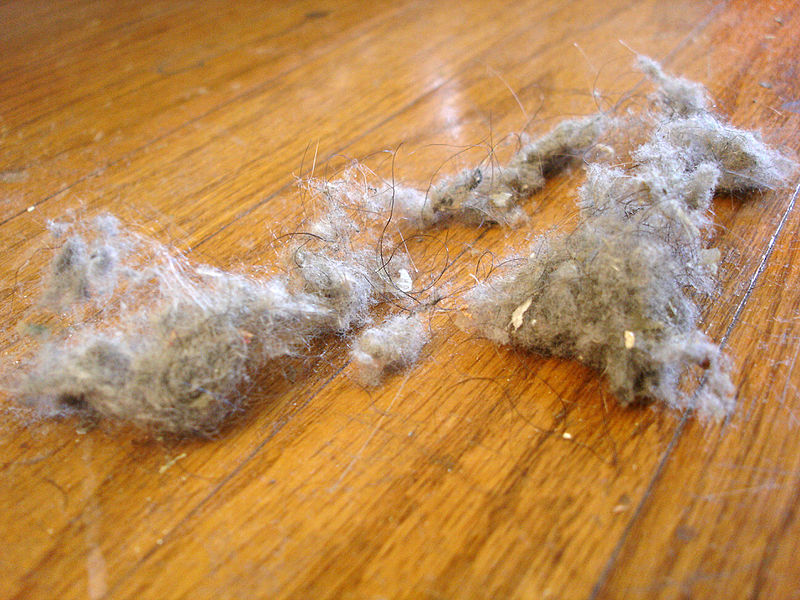
I often understandably get questions from followers of this blog on the origin of my nickname. Credit is due to my long-term friend, fraternity brother and Beerchaser-of-the-Quarter, Jud Blakely, for the design of the logo which has the moniker, “Don ‘Dirt’ Williams.”
The story on the derivation of that label can be found in the 2021 blog post under the section entitled “The Origin of Dirt.”
It was not due to a nefarious action, but college fraternity brothers at the SAE house at Oregon State University in 1966. And it has stuck all of these years.

From Dirty Donnie to Dirty to Dirt
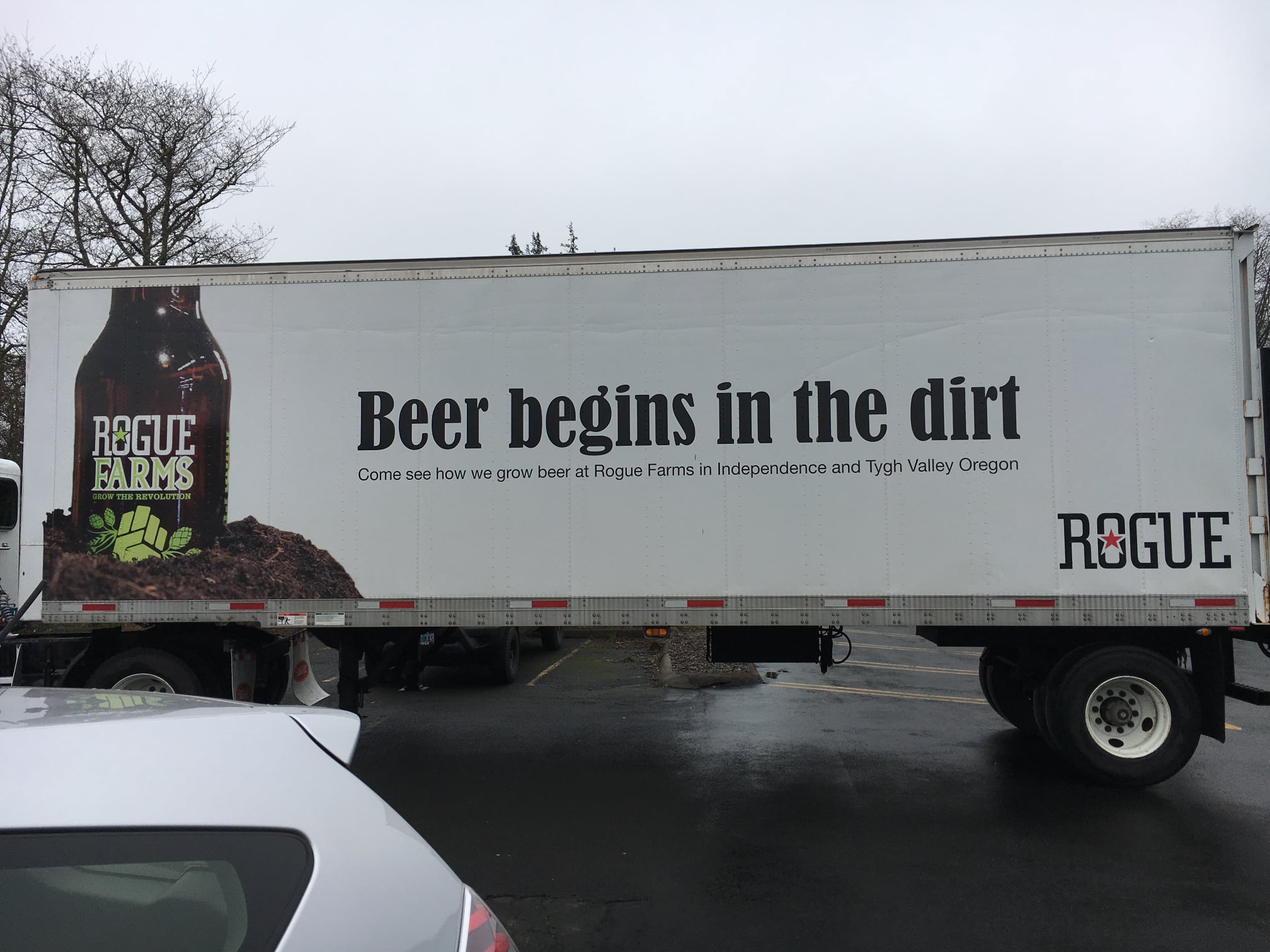
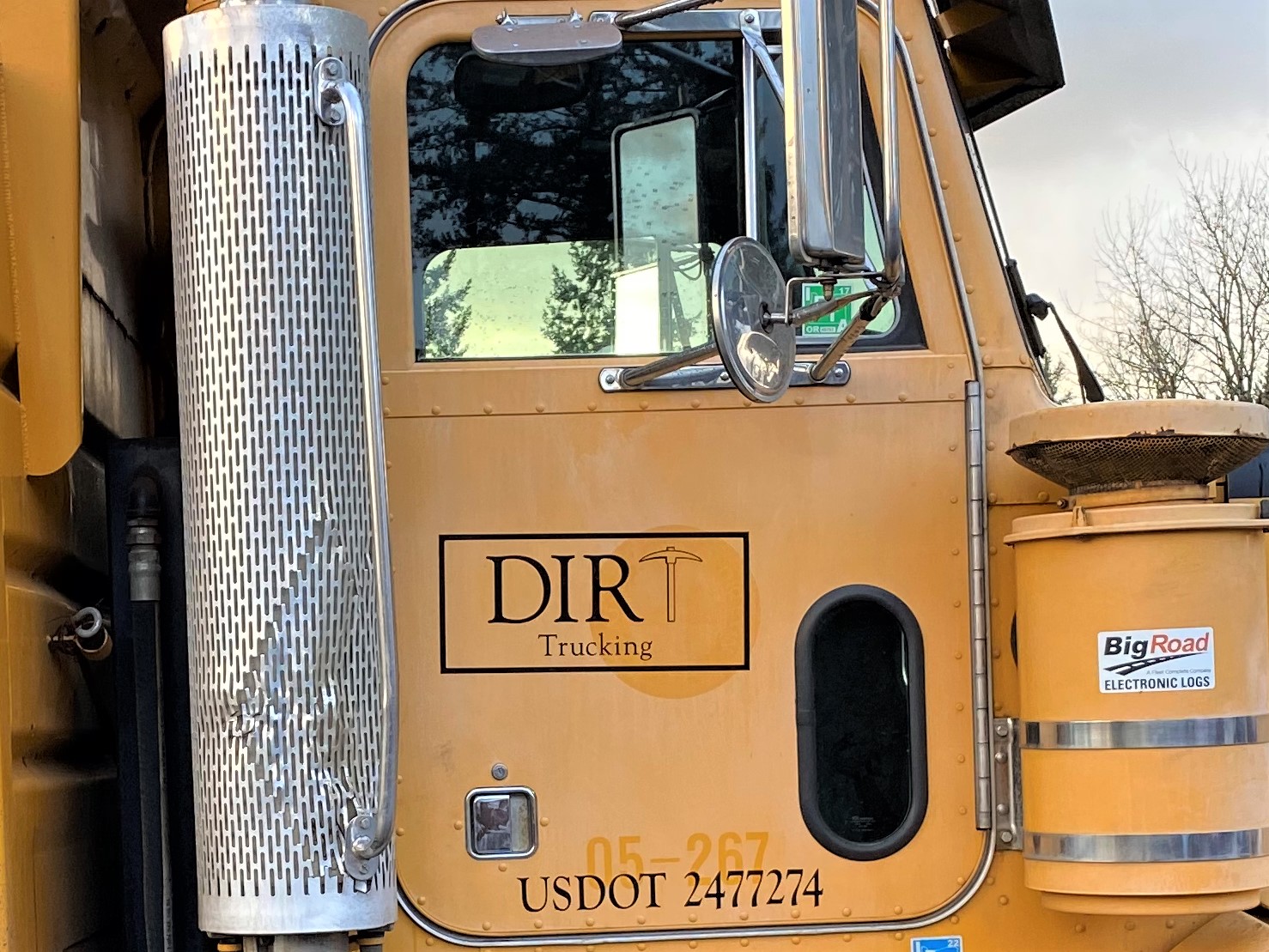
And I get a good chuckle when I see examples. For instance, this Rogue Brewery truck we saw on the Oregon Coast and this creatively named hauling company whose truck came rumbling by our house recently.
And, one of my favorite radio personalities is Andy “Dirt” Johnson on Portland radio station 1080 The Fan. Dirt has had a great career in a competitive industry and he’s carried the nickname from an earlier age than I:
“He was an all-league quarterback at Portland’s Cleveland High School, where he picked up the nickname ‘Dirt,’ which has stuck professionally. It came from some inappropriate pictures he drew on an overhead as a Cleveland freshman.” (The Oregonian) (#3)

From Earth to Earth, Ashes to Ashes, “Dirt to Dust….
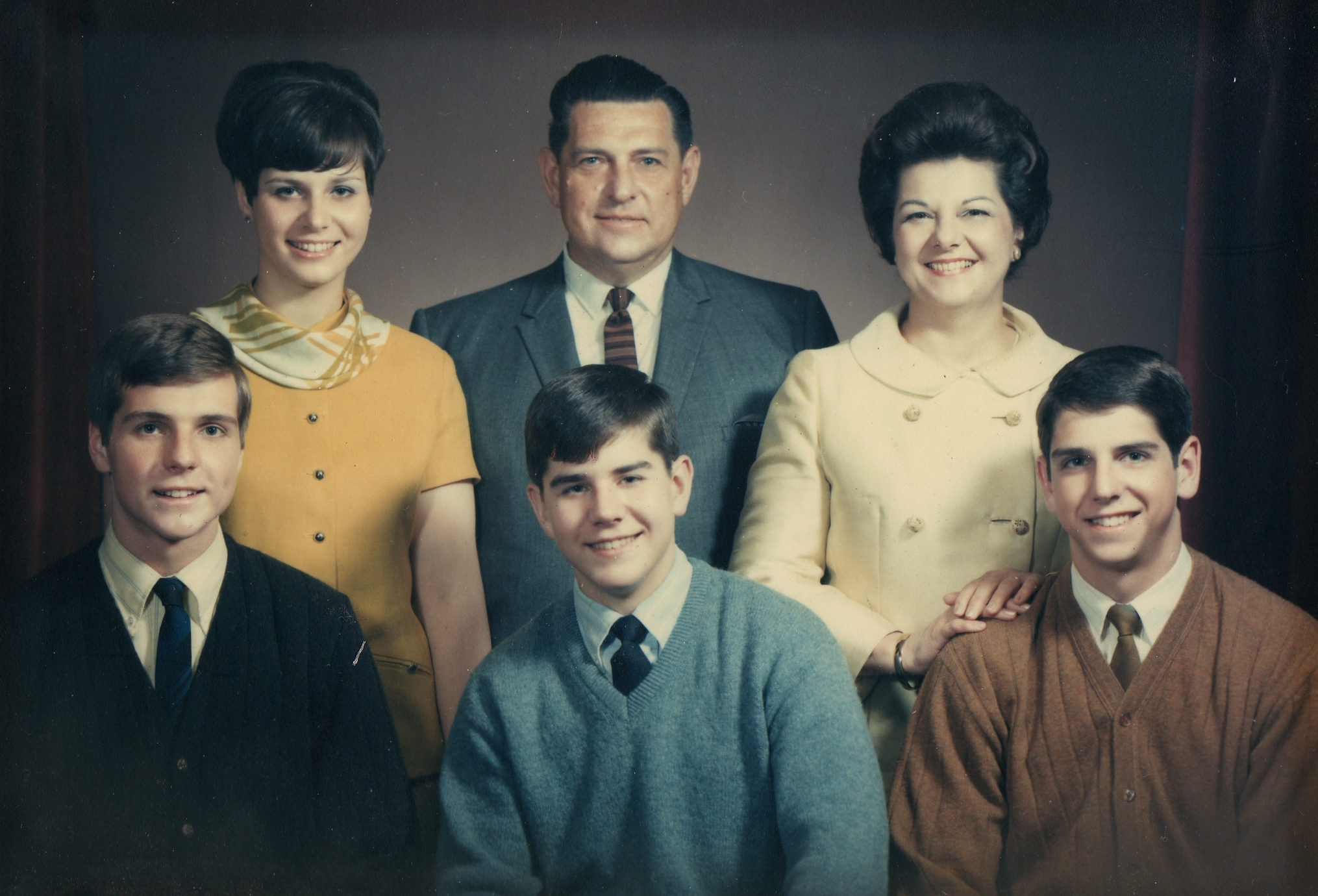
Yes, I’ve slightly modified this burial service phrase from the Book of Common Prayer to relate the derivation of my younger brother, Rick’s nickname, when he joined the SAE’s at OSU four years after me. It was logical that he should become known as “Dust.”
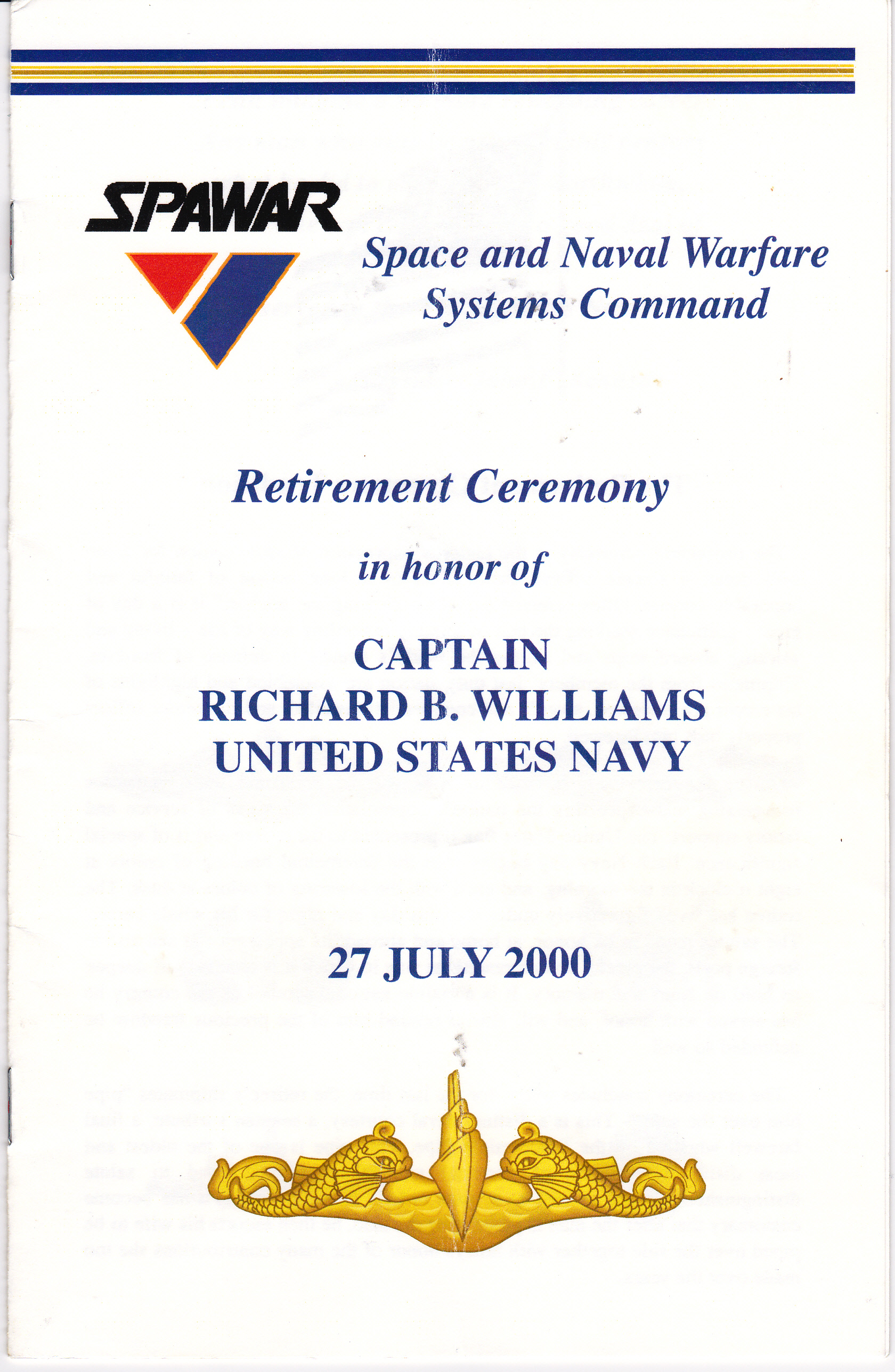
And I want to talk about Dust a bit – not only because he had a remarkable career in the US Navy before retiring as a Captain, but because it’s relevant in light of the recent tragic implosion of the Titan submersible.
His career story is conveyed in my blog post when I named him as one of my Beerchasers-of-the-Quarter in 2015. Rick, like me, graduated from Oregon State and was commissioned as an Ensign after four years in the NROTC program.
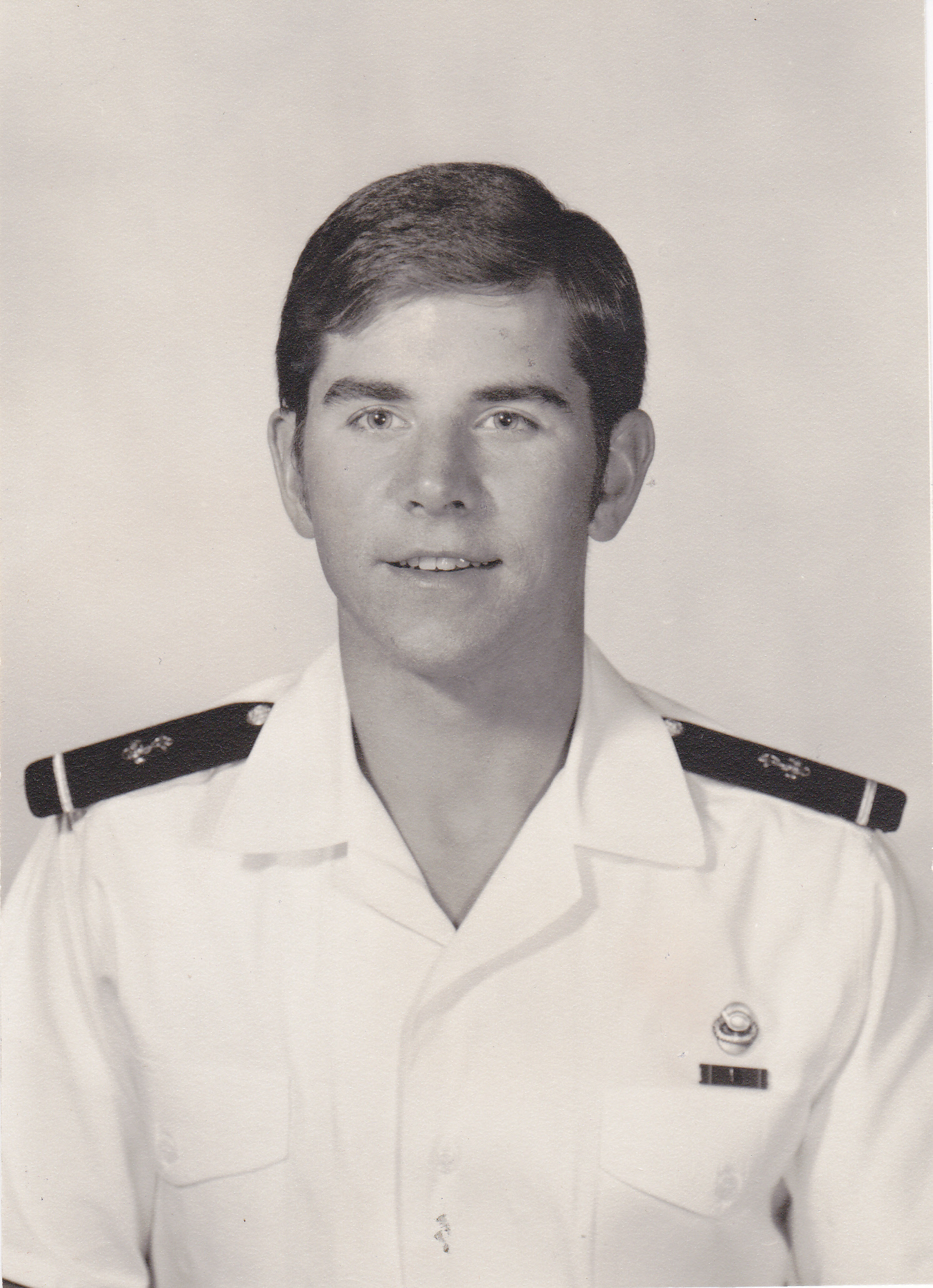
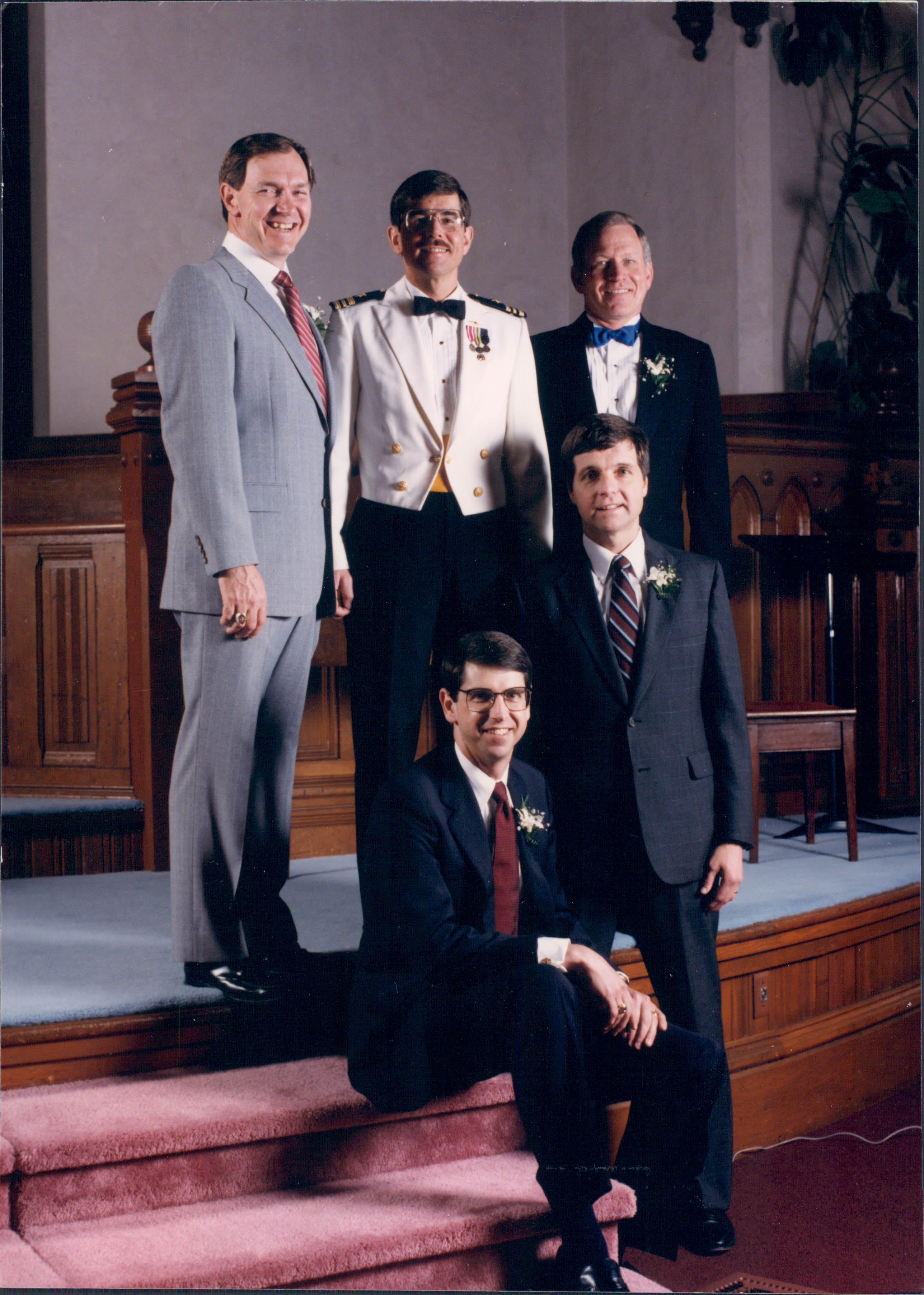
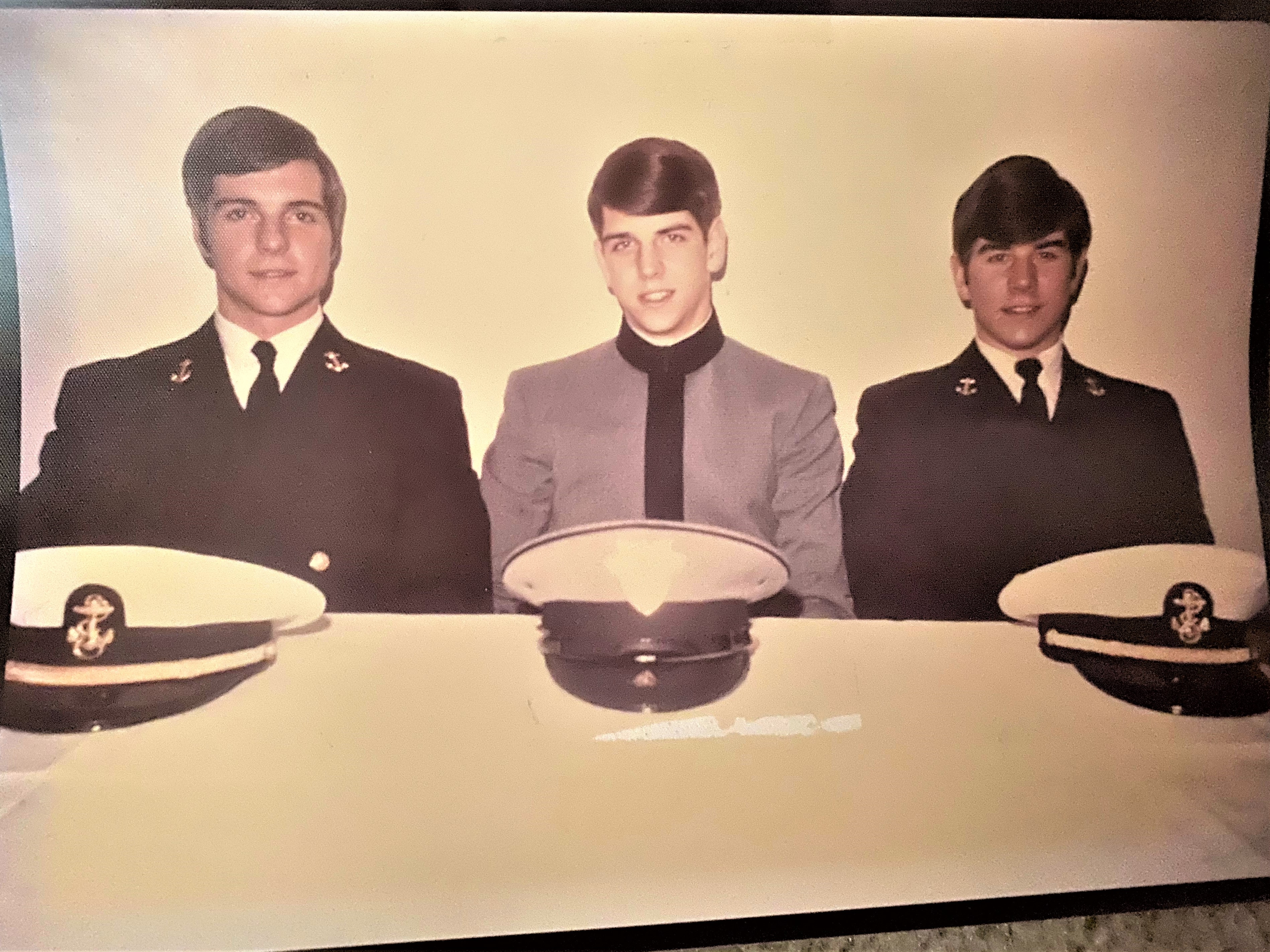
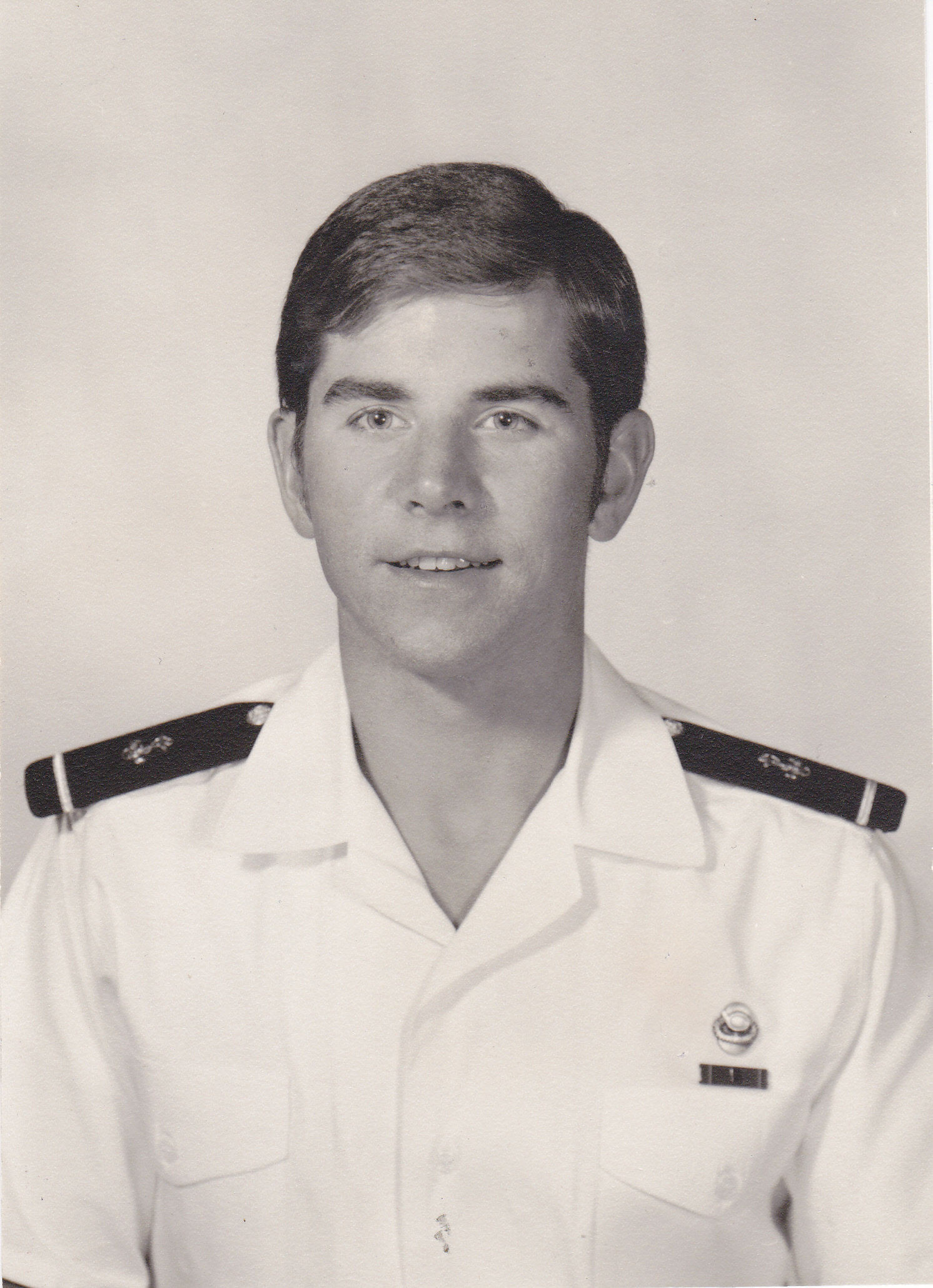
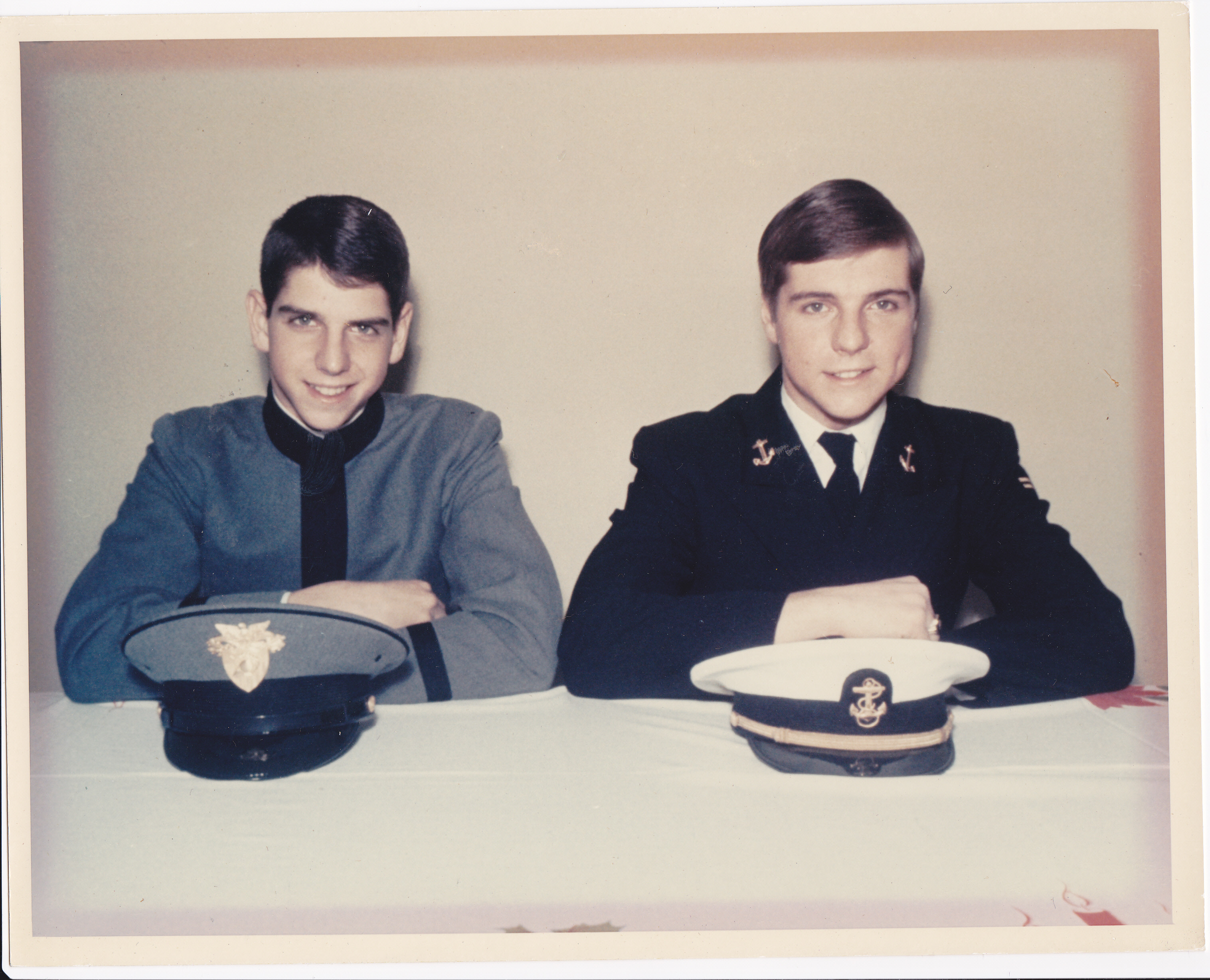
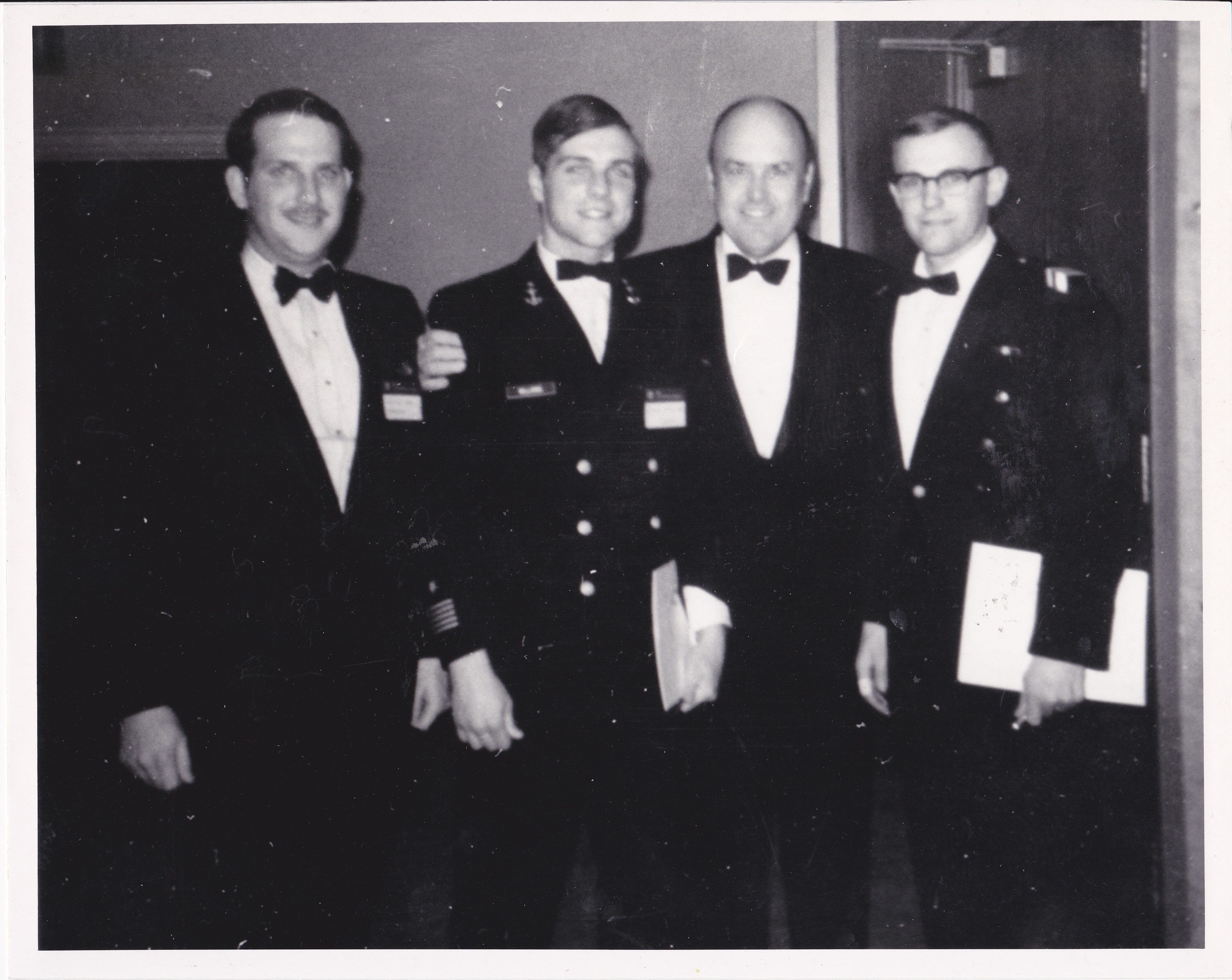
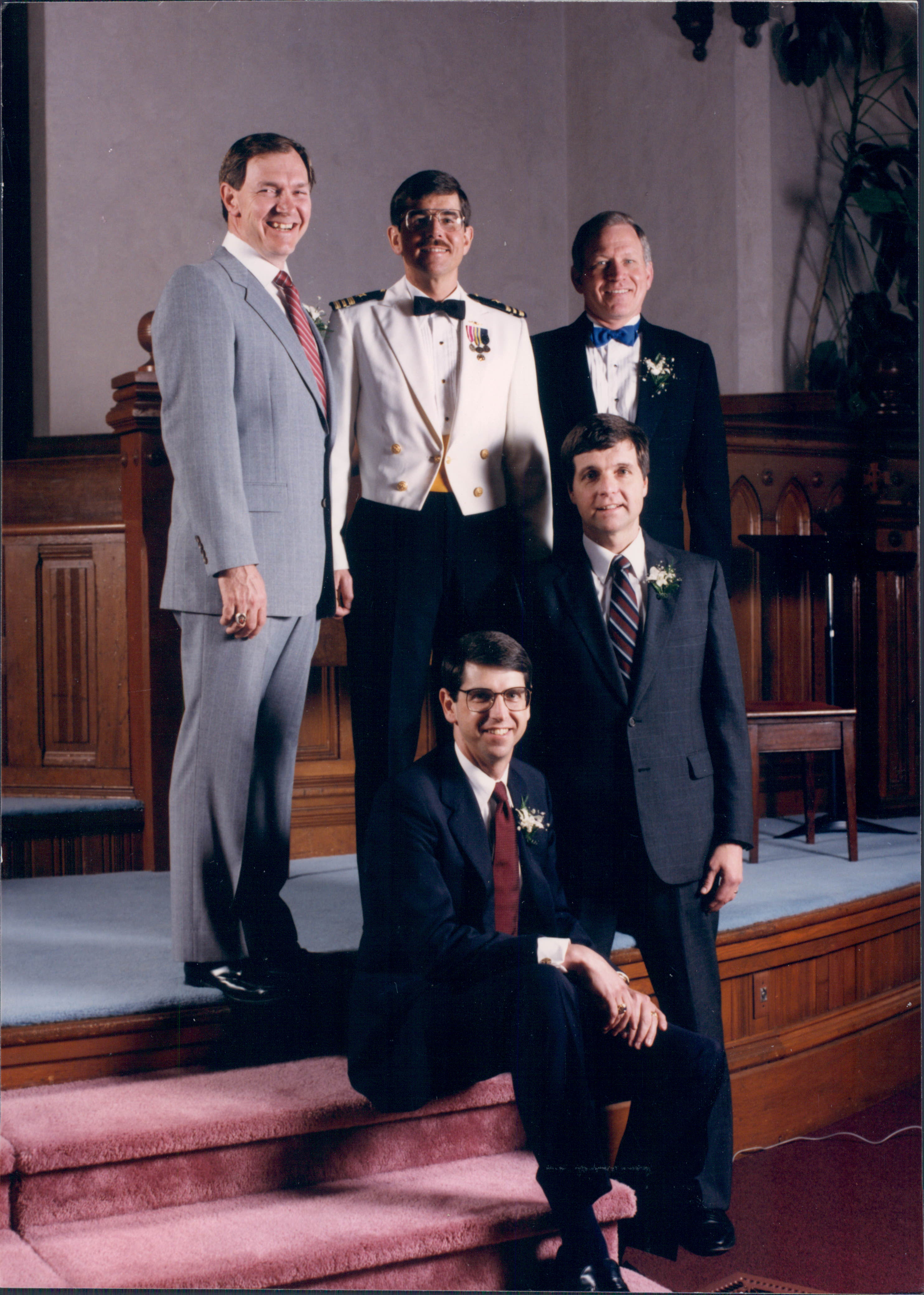
The photos below show him as a midshipman and at his 1987 wedding (clockwise from left to right: brother-in-law, Dave Booher, Dust, Captain Jim Taylor, Dirt and middle brother, Garry – a West Point graduate)
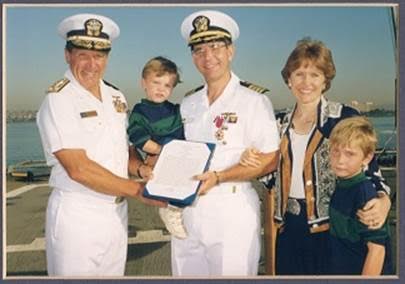
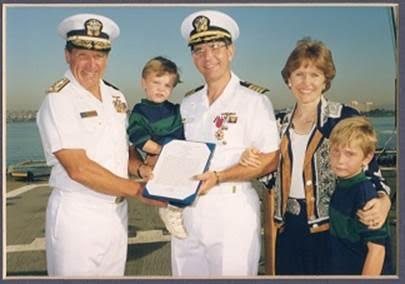
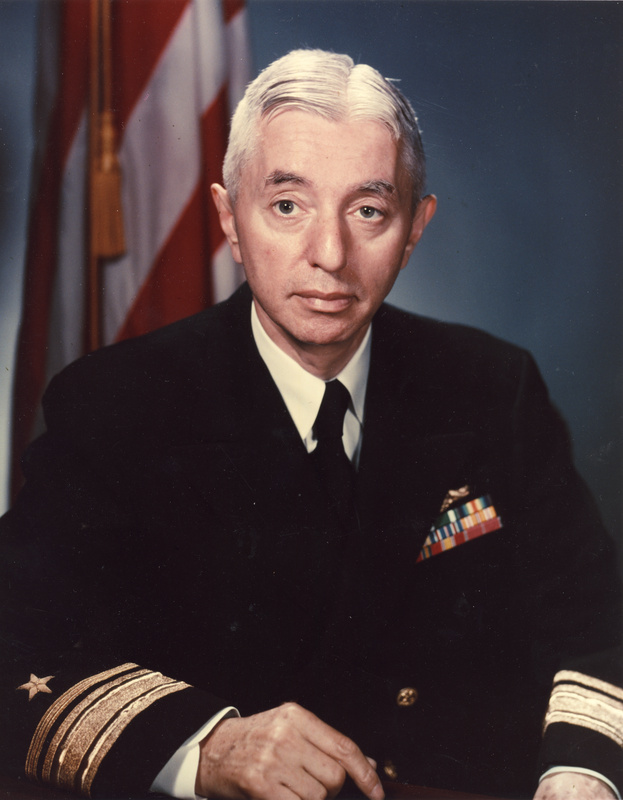
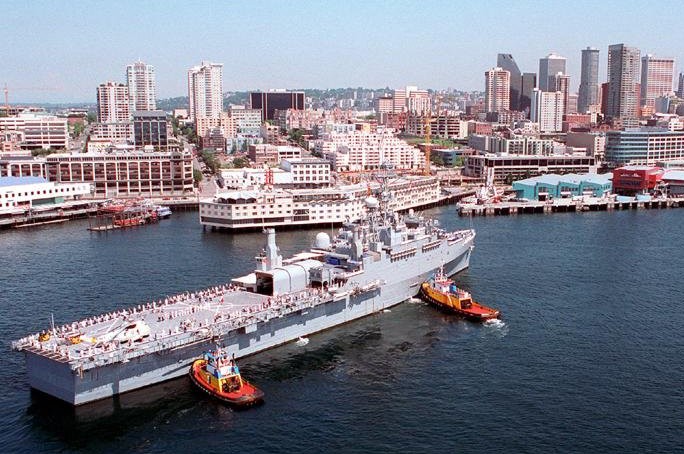
With wife Mary Jean and two sons, Timothy and Taylor receiving his first Legion of Merit Award from Vice Admiral Herb Brown, Commander of the US Navy Third Fleet in 1997
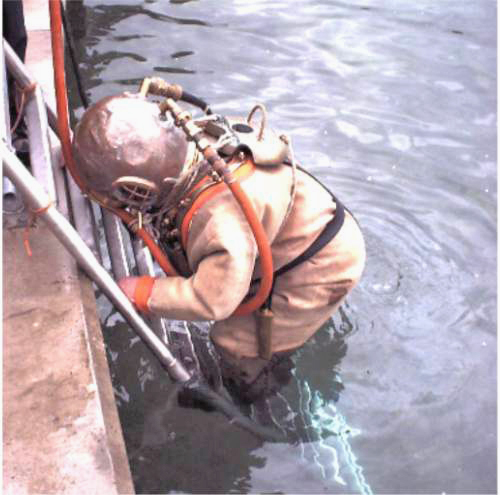
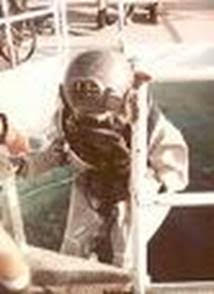
But to summarize, after graduation and commissioning in 1975, he was off to Naval School Diving and Salvage as a “hardhat” diver, followed by Surface Warfare School.
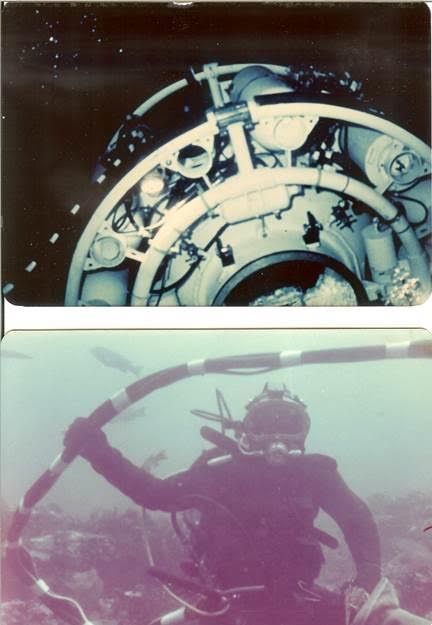
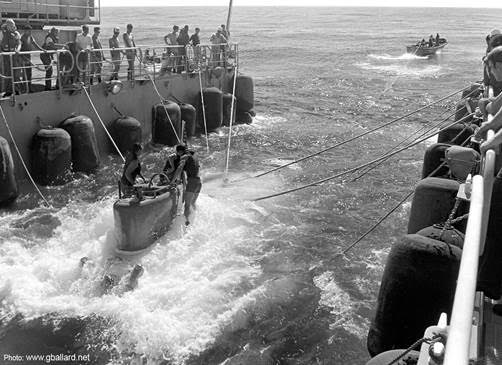
In his first sea tour on the Navy’s newest ocean engineering platform, submarine rescue ship USS PIGEON (ASR 21), he qualified as a Deep Sea (HeO2) Diving Officer and Surface Warfare Officer. During this tour, he attended Naval School Deep Diving Systems for saturation diving training as a Navy Aquanaut.
In an usual career twist, he went through a challenging interview with the legendary Admiral Hyman Rickover (Father of the Nuclear Navy) (read about it in the post) and attended Nuclear Power School in Orlando and Submarine Warfare School in Groton, Connecticut.
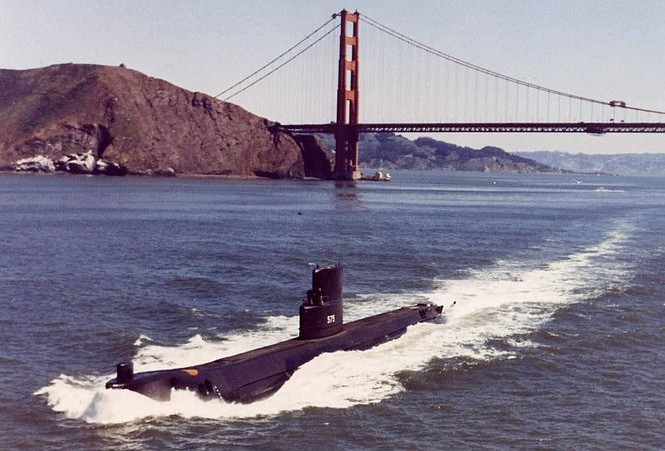
He served two deployments on the USS SEAWOLF (SSN 575) – the oldest operational fast-attack sub in the world. Rick qualified in Submarines and as a Nuclear Propulsion Engineer. (#4 – #7)
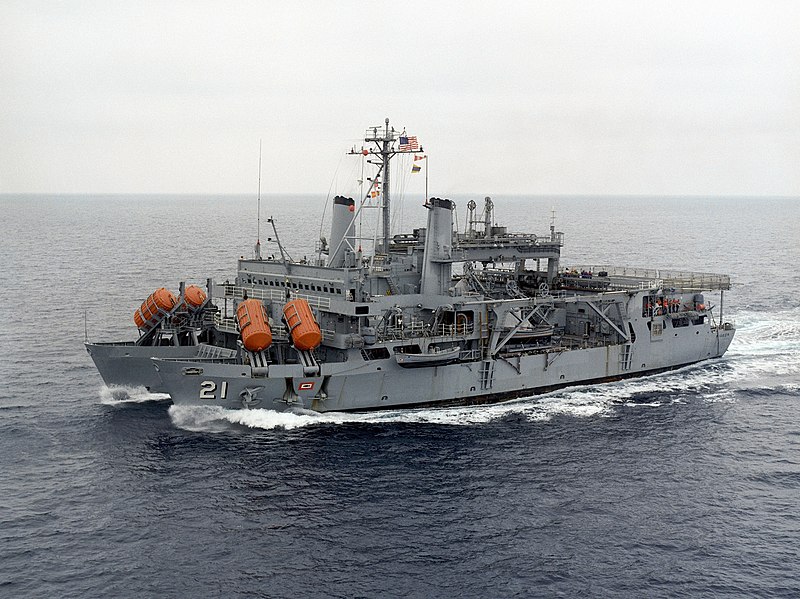
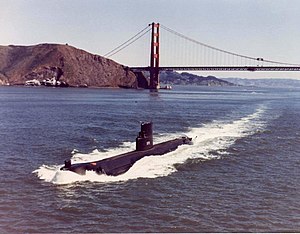
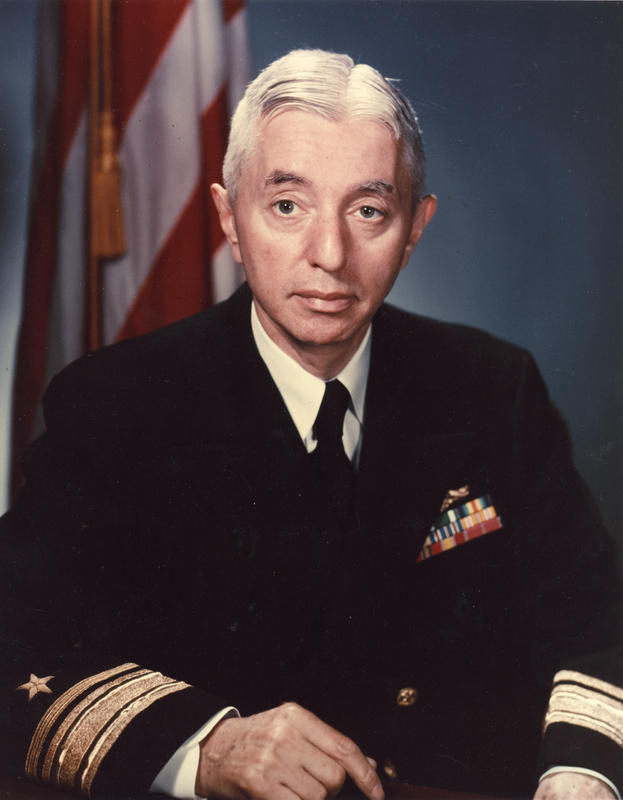
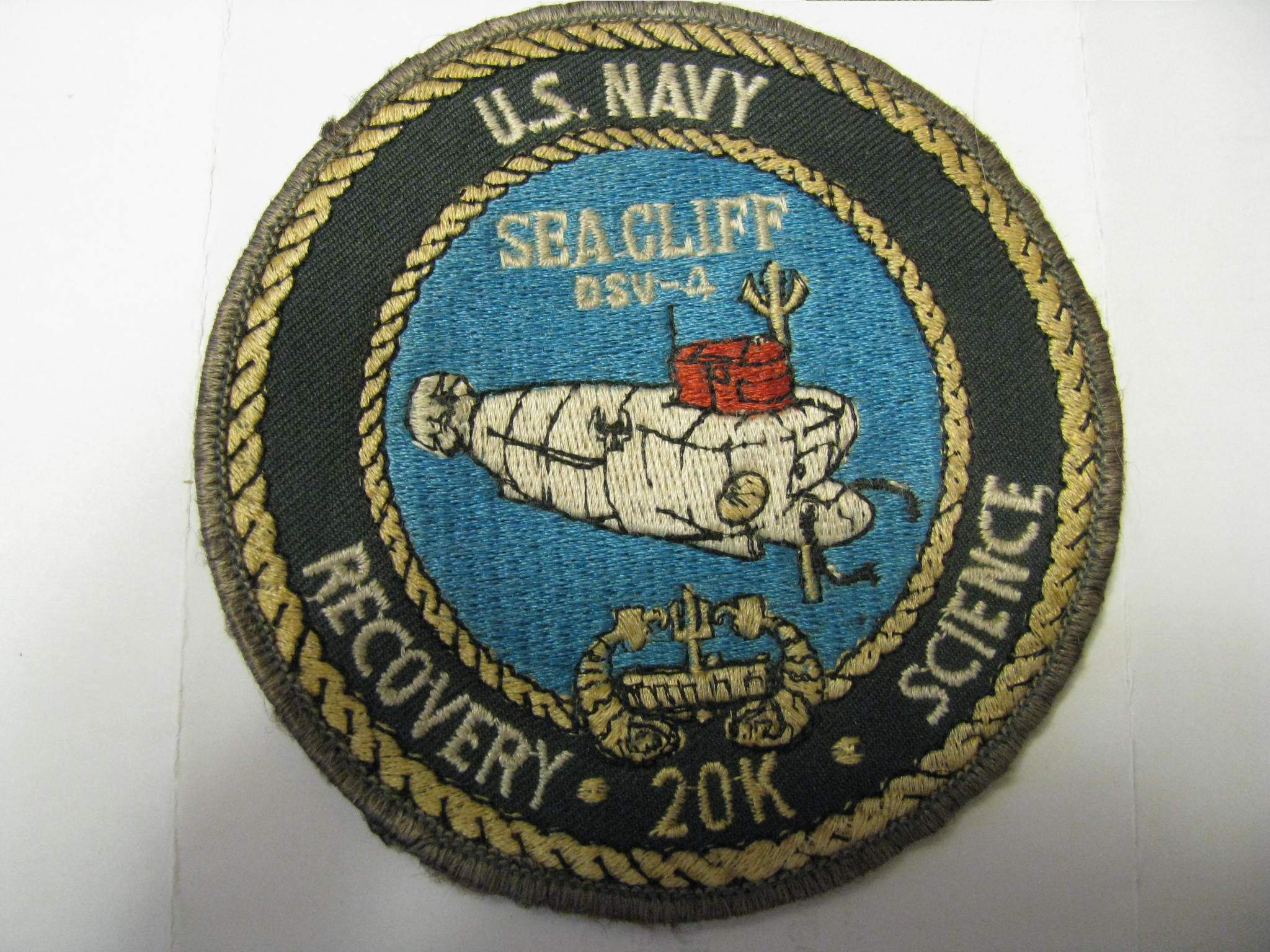
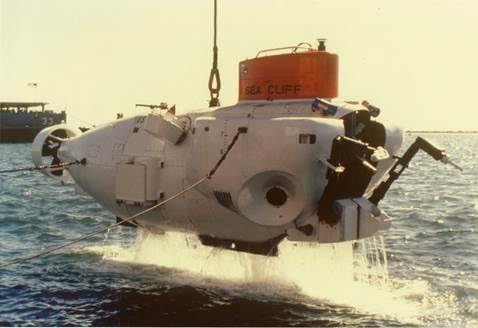
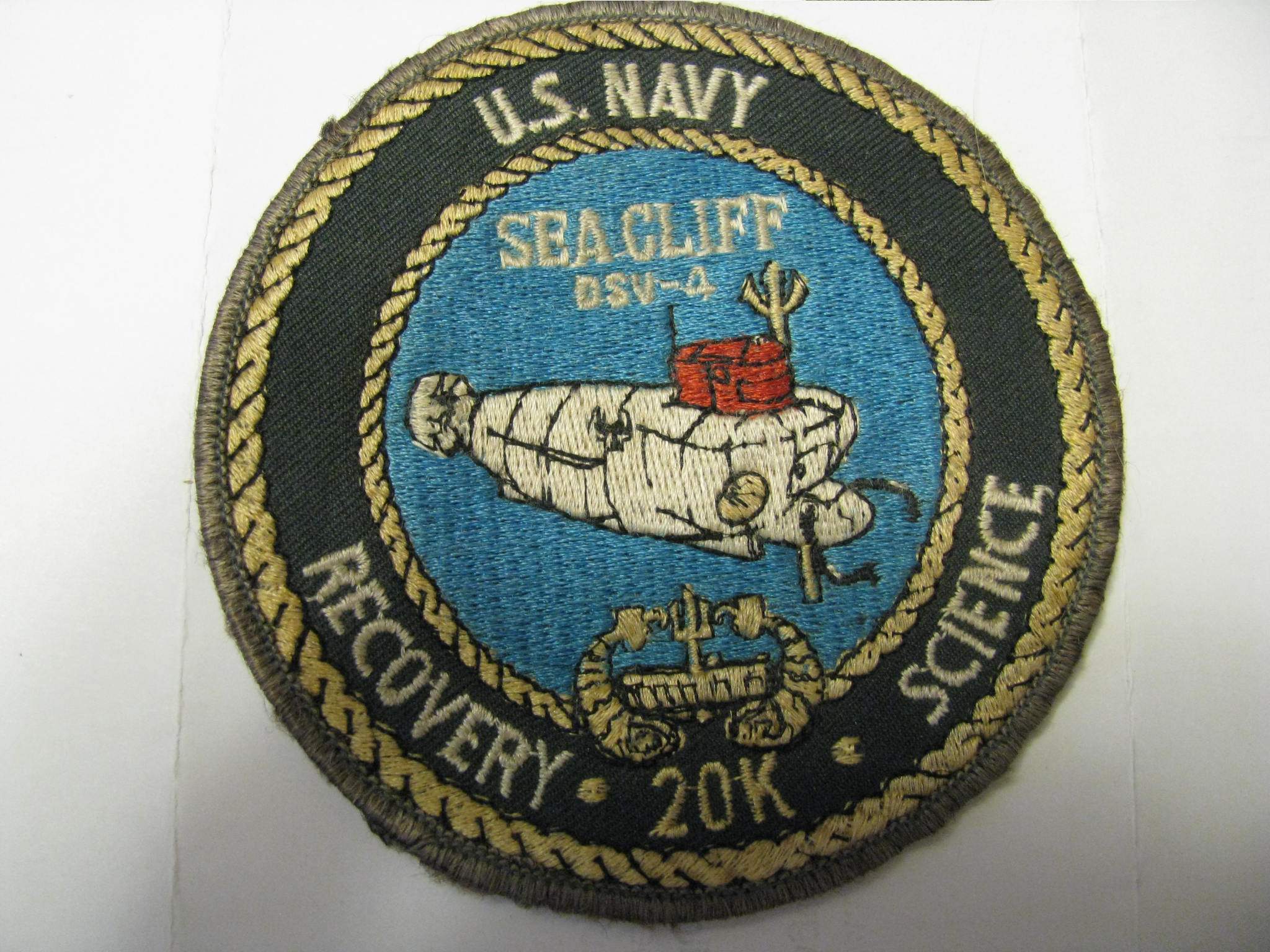
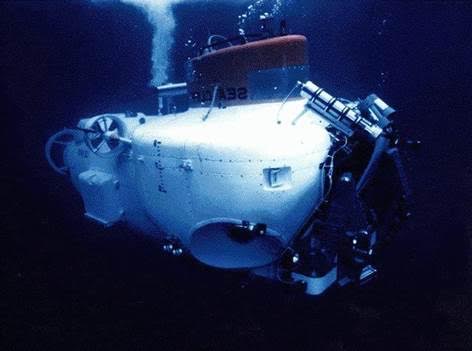
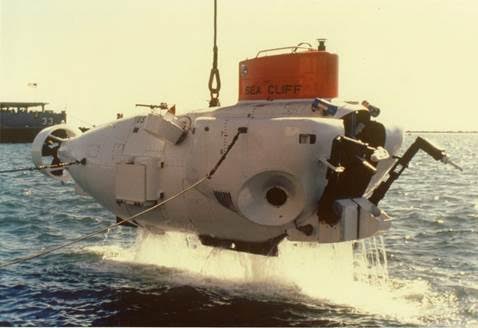
After this five-year detour, he took command of the Deep Submergence Vehicle SEA CLIFF (DSV 4), an “inner space ship” built for deep ocean recovery with a crew of fourteen special projects submariners including three officers.
He served almost three years during the SEA CLIFF’s conversion from a 6,500 feet steel-sphere and aluminum frame vehicle, to titanium-rated for 20,000 feet – an extraordinary and accelerated nine-month project – and the deep ocean operations that followed.
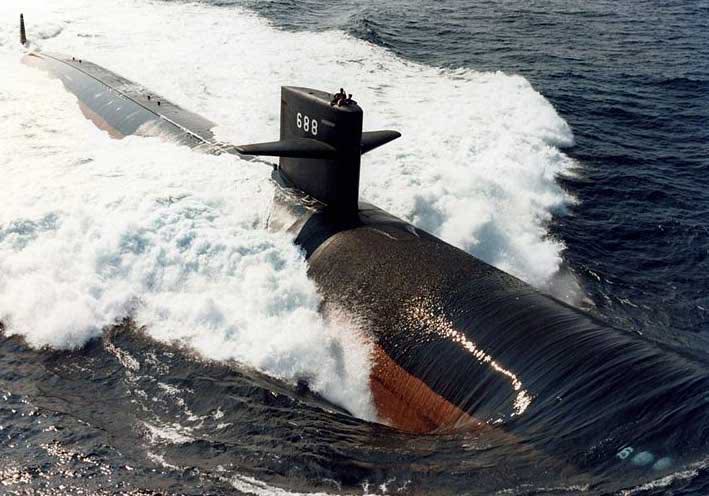
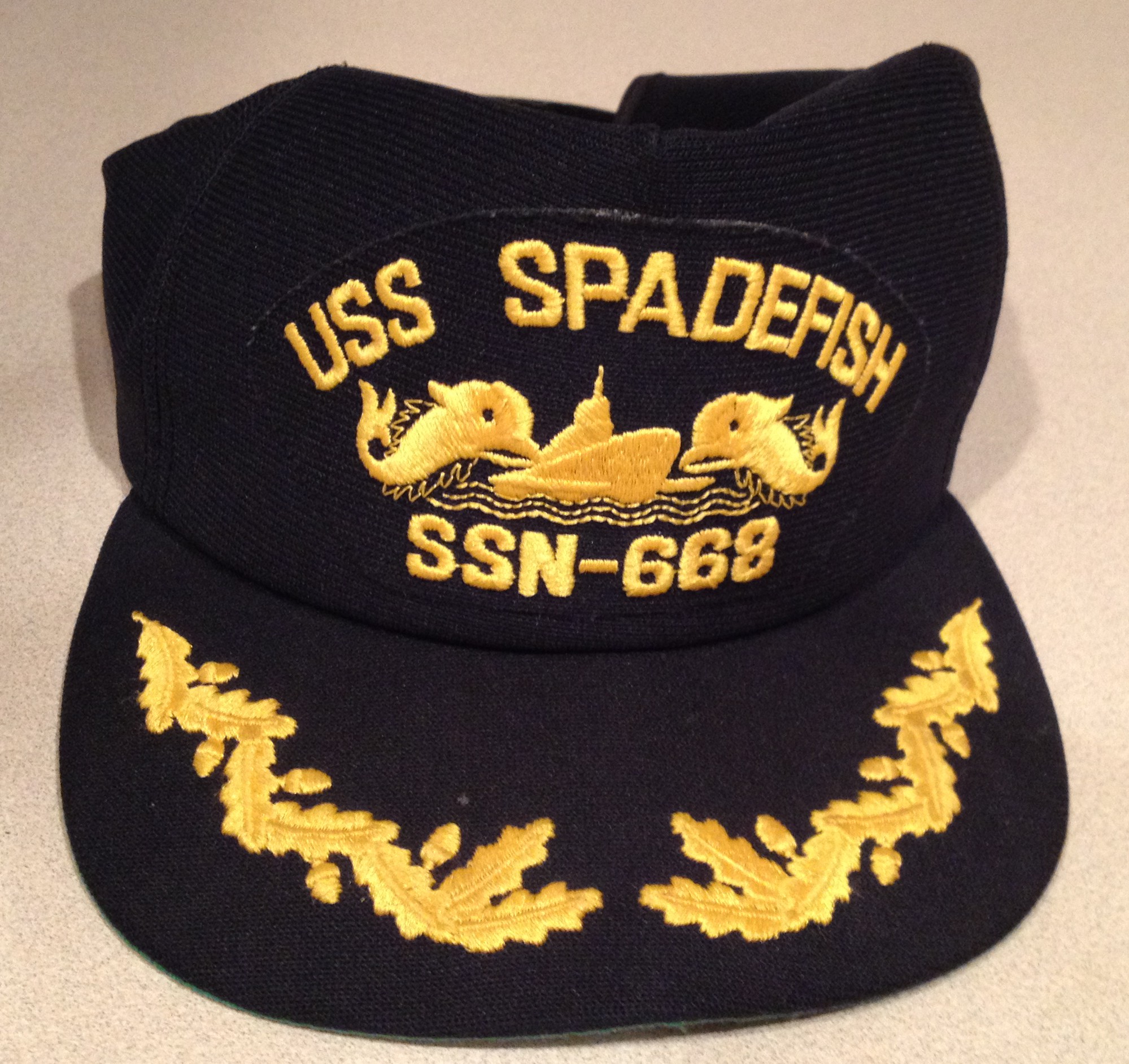
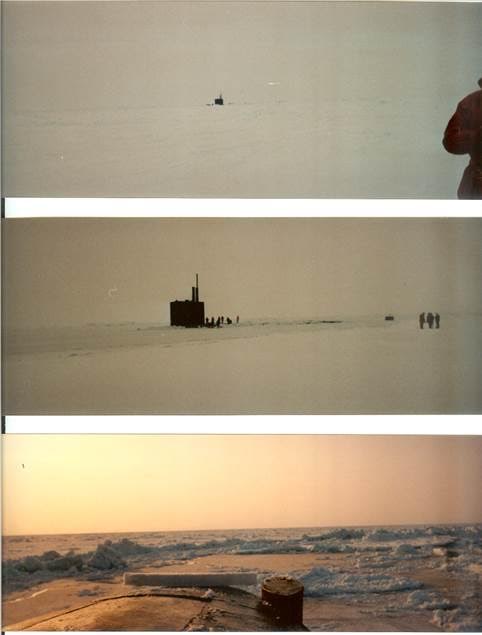
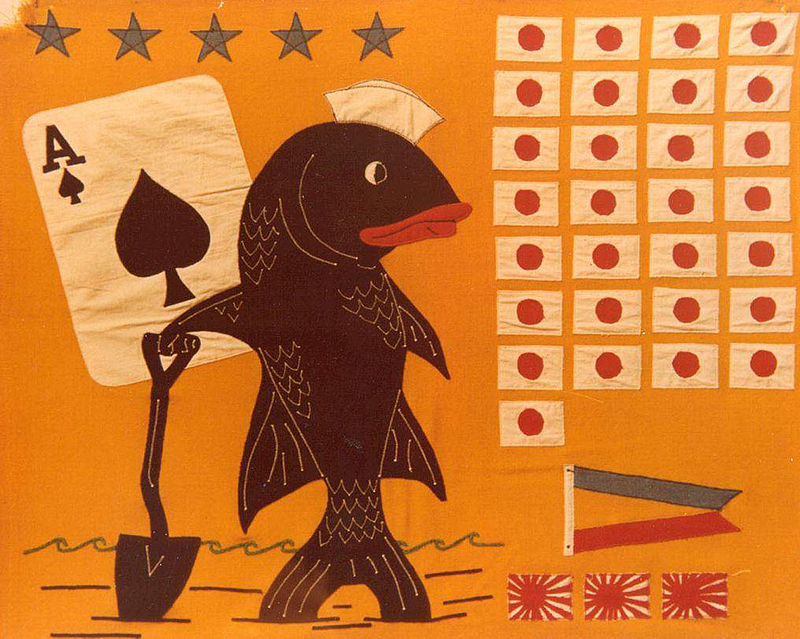
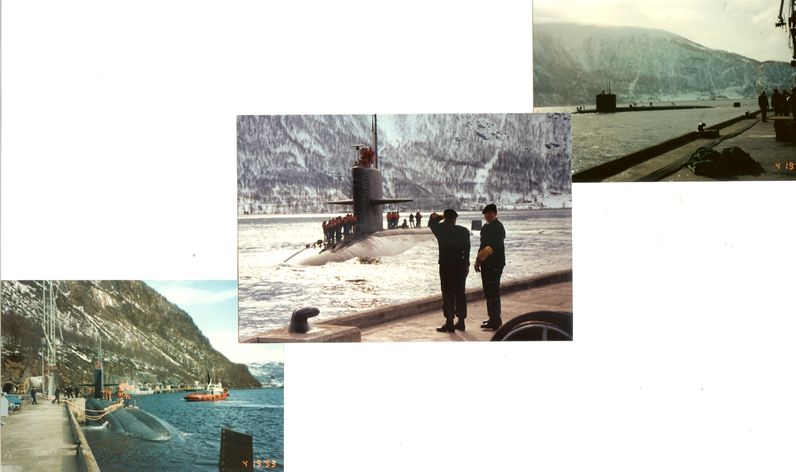
Before I relate his amazing experience as captain of the Sea Cliff, Rick’s final command was as skipper of the USS Spadefish (SSN 668 – a Sturgeon Class fast-attack nuclear sub. Dust led two under-ice expeditions to the North Pole during his command of SPADEFISH. She surfaced through the ice “about a dozen times.”
The trips were also “Freedom of Navigation Exercises” to assert US rights of passage in international waters — as the Russians were trying to assert territorial rights in the Arctic Ocean – a situation which is still a critical defense issue today. (#8 – #10)
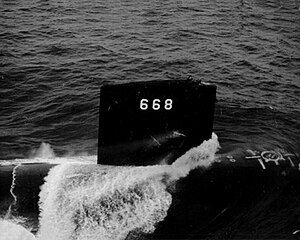
A Classic 19th Century Novel
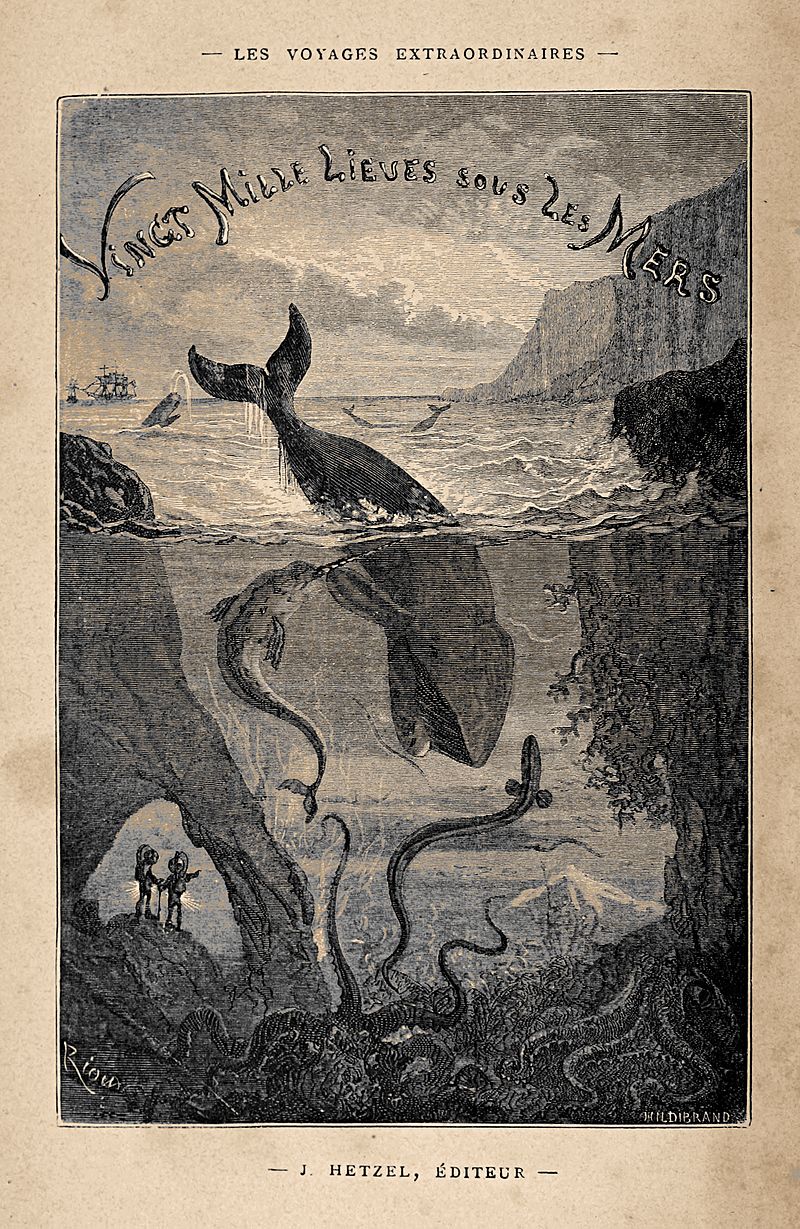
Jules Verne’s classic 1869 novel, 20,000 Leagues Under the Sea was a fictionalized account inspired by “…a model of the French submarine Plongeur (launched in 1863) figured at the 1867 Exposition Universelle, where Jules Verne examined it.”
“The book was widely acclaimed on its release and remains so: it is regarded as one of the premier adventure novels and one of Verne’s greatest works.”, (Wikipedia) (#11)
I didn’t know until researching this post that:
“The title refers to the distance, not depth, traveled under the various seas: 20,000 metric leagues (80,000 km, over 40,000 nautical miles), nearly twice the circumference of the Earth.” (Wikipedia) (#11 – #12)

20,000 Feet Under the Sea!
Now the book was science fiction and Dust, while skipper of the Sea Cliff, did not encounter a giant squid as did Captain Nemo of the Nautilus.
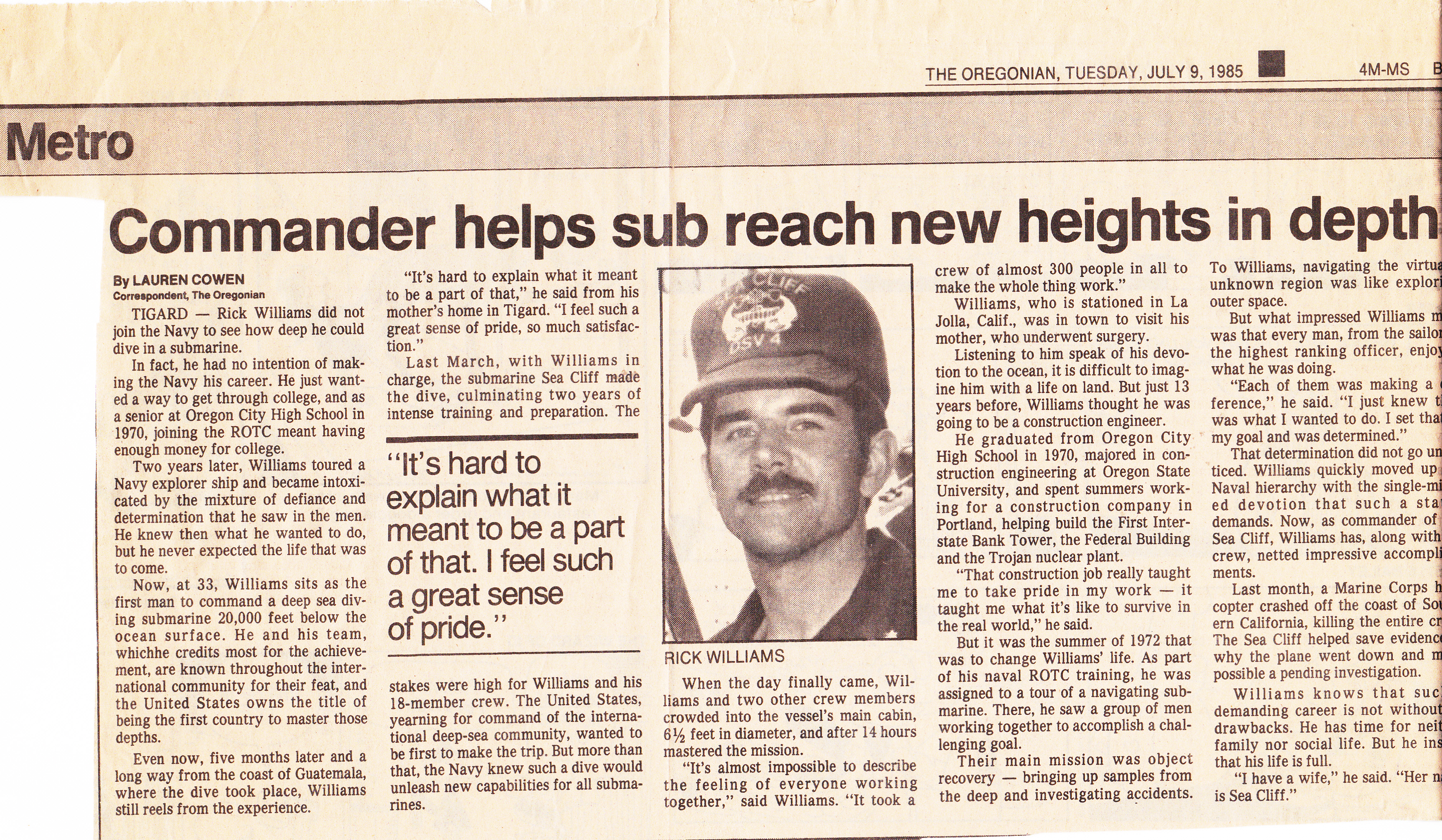
He did, however, have an incredible adventure in 1985 – and that’s not hyperbole as you can see by reading the article below:
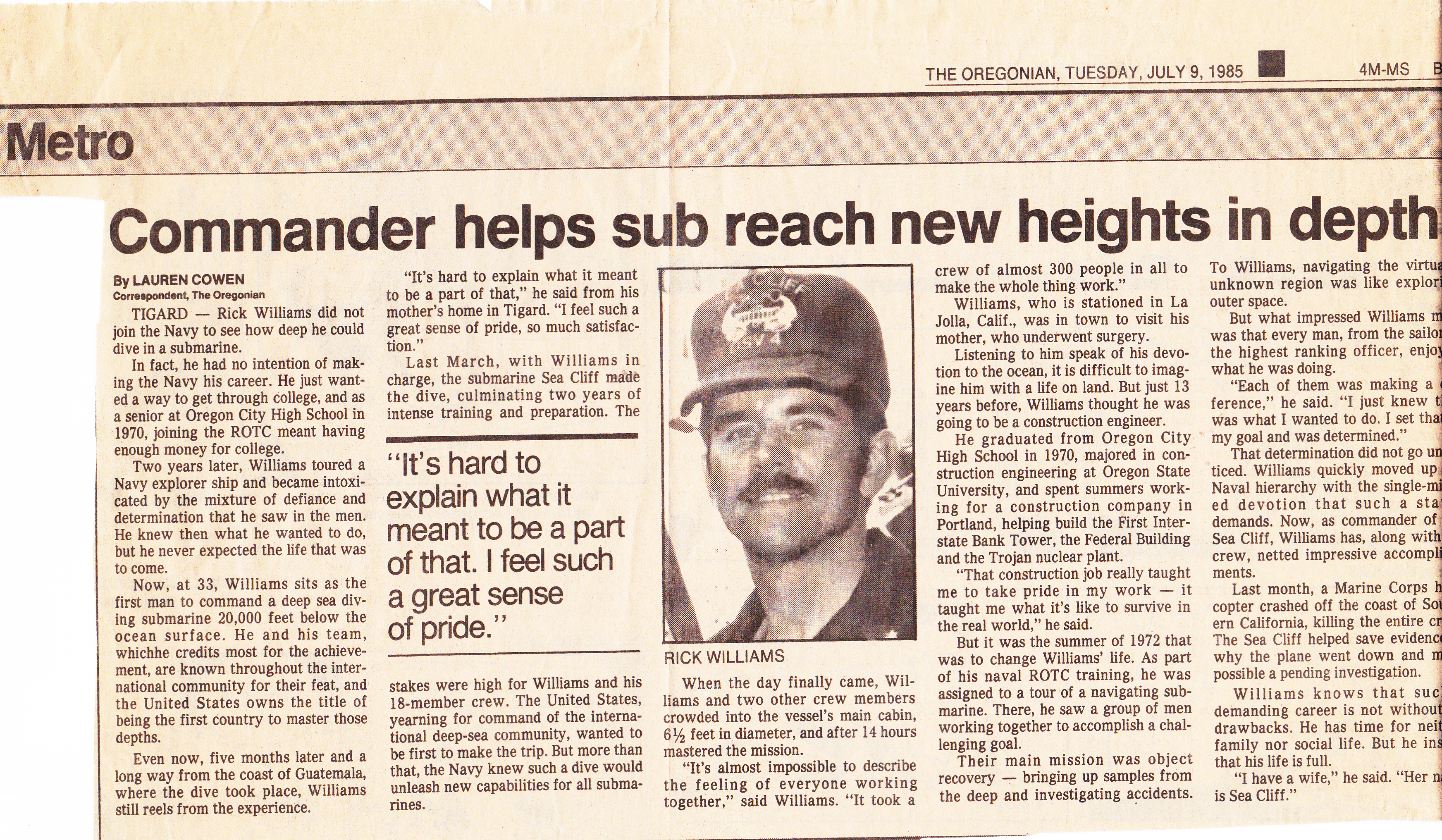
The key paragraph of this 1985 Oregonian article about the Sea Cliff dive off the coast of Guatemala states:
“Now at 33, Williams sits as the first man to command a deep-sea diving submarine 20,000 feet below the ocean surface. He and his team, which he credits most for the achievement, are known throughout the community for their feat and the United States owns the title of being the first country to master those depths….
When the day finally came (after two years of preparation) Williams and two crew members crowded into the vessel’s main cabin – 6 1/2 feet in diameter and after fourteen hours, mastered the mission.” (#13 – #14)
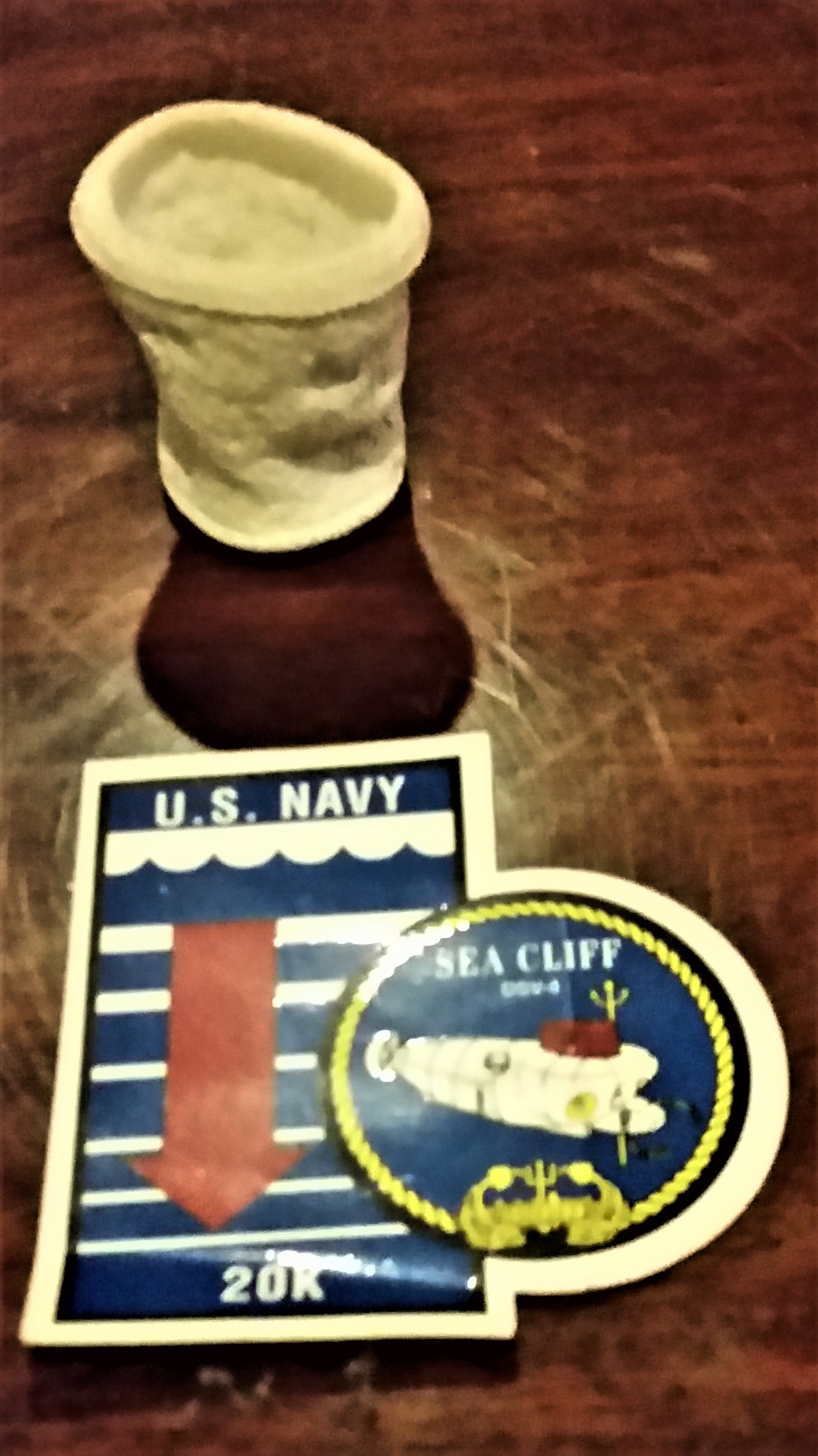
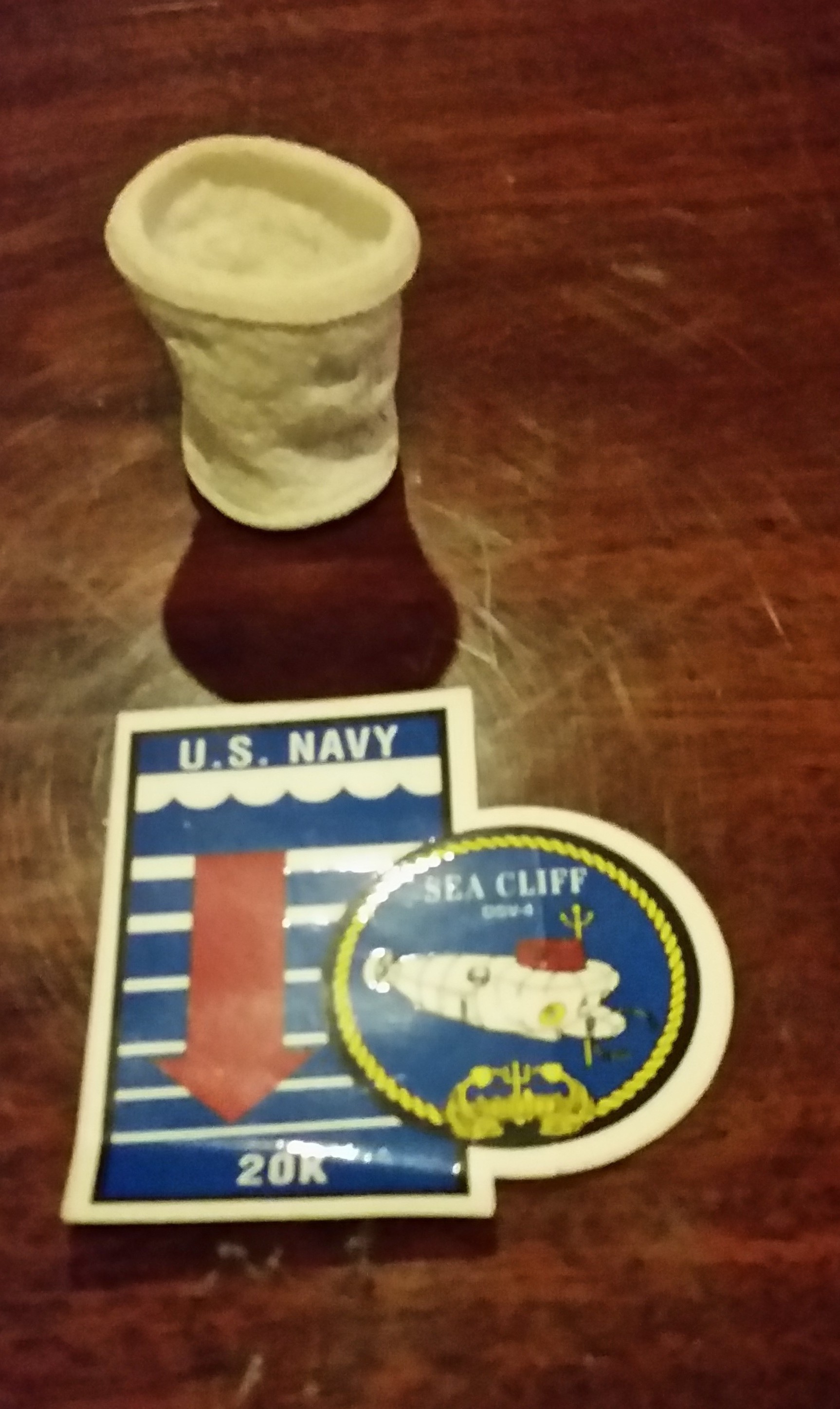
The most graphic representation I saw to help understand the pressure at those depths was the “squashed cup” you see in the picture below. It was a full size coffee cup tied to a line outside the Sea Cliff on the operation and shows the effects of the pressure at 20,000 feet.
The Titan Submersible (#15)
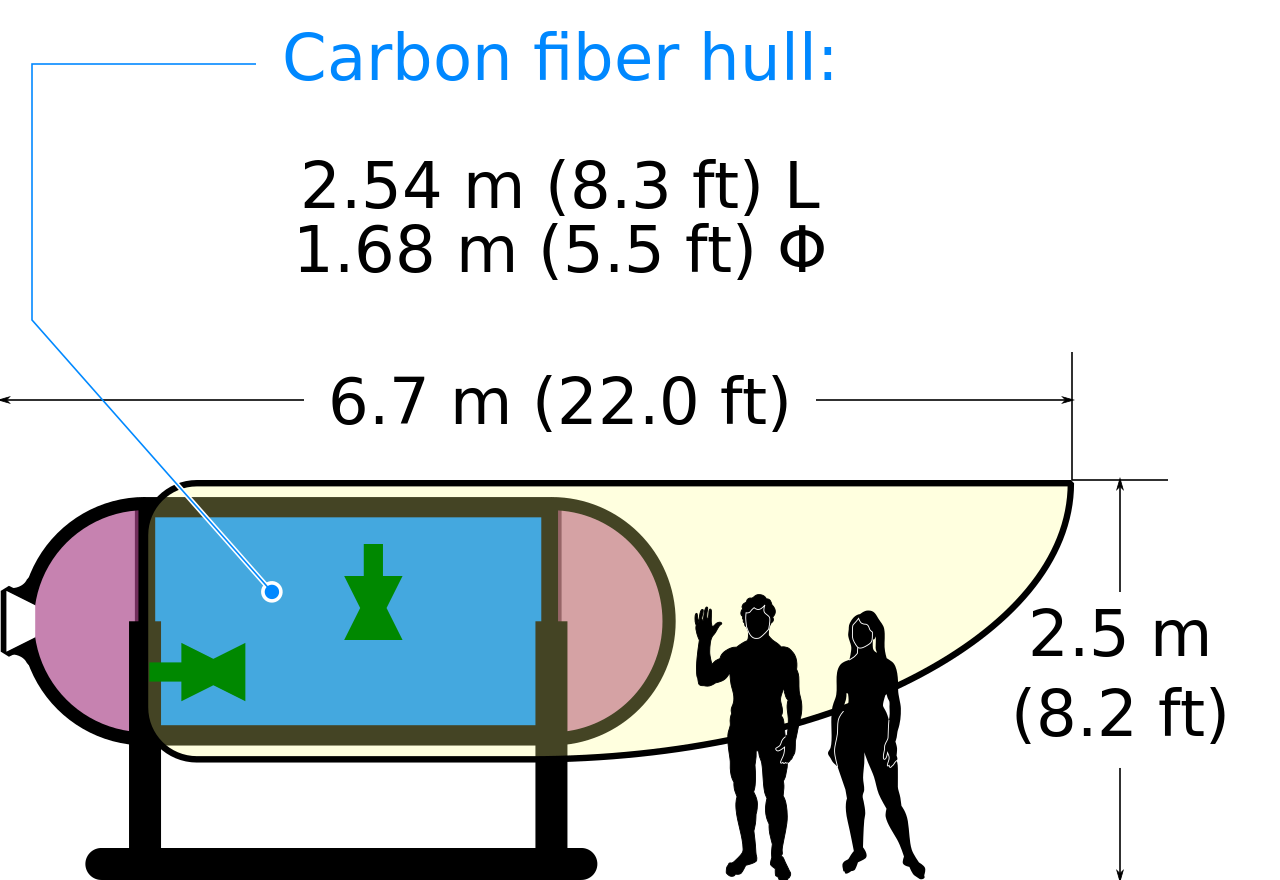
The Titan implosion was a tragedy and given his experience in the depths, I wanted to get Rick’s perceptions. He was somewhat tight-lipped because of the tragic consequences although he has typically been reticent about his Navy experience.
Part of that is for security purposes and part of that is probably to “repay” me for the transaction we had when I was eight and he was four. I told him that if he gave me a dime, I would give him five pennies. Since he was not into currency at that time, he readily agreed.
And speaking of payback, he did, in a manner of speaking on his First -class Midshipman Summer Cruise in 1973 as recounted in the aforementioned 2015 blog post:
“While Rick was a whiz at math and science, his comprehension of world geography was lacking. While on this 1/C cruise and in port in Singapore, he awoke me with a phone call at 3 AM.
He wanted to borrow $50 for what he characterized as ‘an investment in the future’ – to buy a watch. Although he maintains that he paid it back (…and he later did give me the watch as a gift), it is still carried as an Accounts Receivable on Thebeerchaser’s personal balance sheet.” (#16 – #17)
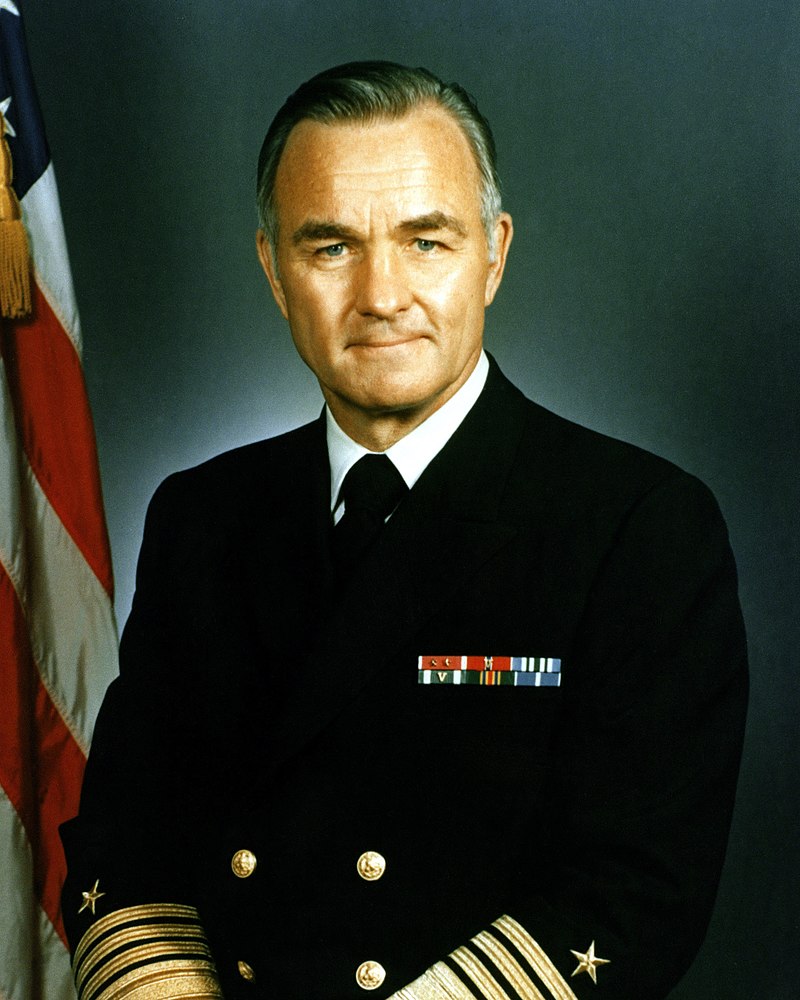

Recently I started reading Bob Woodward’s book Veil – The Secret Wars of the CIA (1981-1987) Stansfield Turner was transitioning from the position after Reagan was elected. Turner referenced the “SNCP” (Special Navy Control Project) involving high-risk surveillance by US subs on their Soviet counterparts and other Soviet assets.
I asked Dust if had had ever been involved in that and he responded, “
“I can neither confirm nor deny receipt of your email referring to submarine operations. To quote General Schwarzkopf. ‘We do not discuss submarine operations.'”
This facetious response was similar to the retort, “If I told you, I would have to kill you,” that he often gave me when I asked Rick about the games of “chicken” that US subs were having with their Soviet counterparts in the Pacific while he was on active duty.
But I Digress…..
While I didn’t do any meaningful research, my understanding was that one of the issues of controversy with the Titan was its carbon-fiber hull as contrasted with the steel and titanium hulls of Navy and other deep submergence vehicles.
The debris field of the Titan was evidently about 500 meters from the hull of the Titanic which is at a depth of about 13,000 feet. The Sea Cliff dive went to 20,000 feet and their final practice dive was at 15,000.
Rick’s comments were few but meaningful. When I asked him about the lack of certification and rumors of rushed inspection with the Titan, he said that going that deep in the ocean is “inner space.
“The Navy’s rigorous inspections make it “obscenely safe. There is no margin for error or backup plan. The Navy’s approach has been validated.”
He quoted a former Navy Admiral:
“Never begrudge a precaution.” (#18)
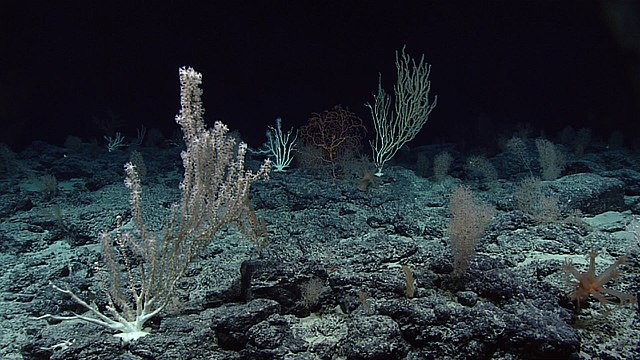
And finally he stated:
“I was extremely proud of going to 20,000 feet and particularly proud of returning from 20,000 feet!”
Dust earned his MBA while in the Navy and is now a Senior Fellow in the Center for Public Service at Portland State University, and a doctoral student in Public Affairs and Policy. After working for several defense contractors he founded Oregon Applied Research LLC. – an executive and technical management consultancy and veteran-owned small business.
And Finally….
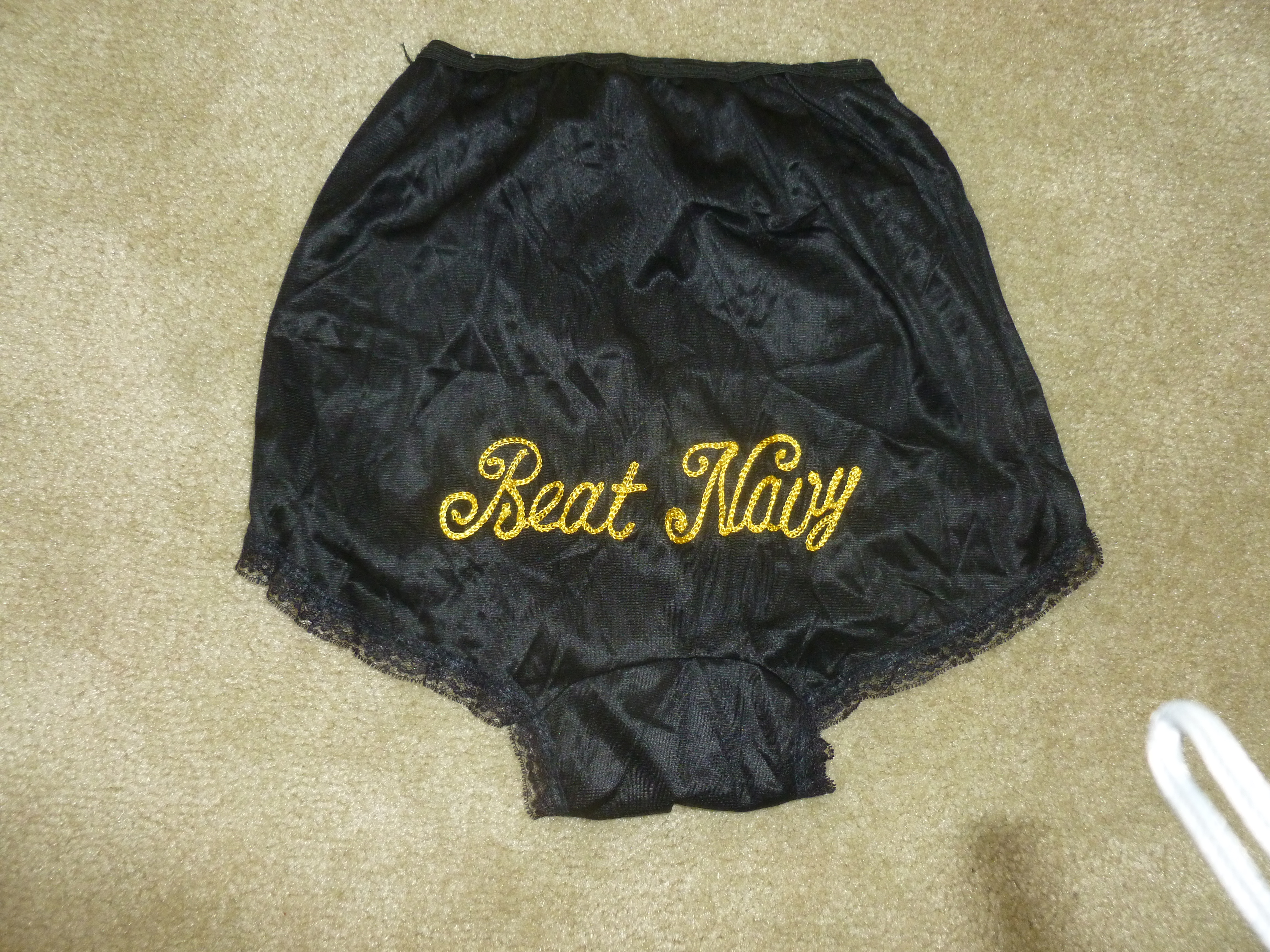
While Rick and I may have disagreed on the value of coinage and the net present value of investments, we were harmonious during college years in our annual rivalry with Brother Garry, while he attended the US Military Academy at West Point.
Garry’s most articulate response came in the mail one year the week before the Army vs Navy Game.
External Photo Attribution
#1. Wikimedia Commons (https://commons.wikimedia.org/wiki/File:Traffic_signs_buried_in_a_pile_of_dirt,_Molenlaankwartier,_Rotterdam_(2022)_02.jpg) Licensed under the Creative Commons Attribution-Share Alike 4.0 International license. Author: https://commons.wikimedia.org/wiki/User:Donald_Trung – 25 September 2022.
#2. Public Domain – Wikimedia Commons (https://commons.wikimedia.org/wiki/File:Dust_bunnies.jpg) This work has been released into the public domain by its author, Stromcarlson at English Wikipedia. This applies worldwide – 23 January 2016.
#3. Twitter (https://twitter.com/TheDirtJohnson/photo)
#4. Public Domain – Wikimedia Commons (https://commons.wikimedia.org/wiki/File:Standard_diving_dress_1.jpg
#5. Wikimedia Commons (https://commons.wikimedia.org/wiki/File:USS_Pigeon_(ASR-21)_underway_off_Southern_California,_California_(USA),_on_28_July_1976_(6392003).jpg) This file is a work of a sailor or employee of the U.S. Navy, taken or made as part of that person’s official duties. As a work of the U.S. federal government, it is in the public domain in the United States – 28 July 1976. This work has been released into the public domain by its author, Mark.murphy at English Wikipedia. This applies worldwide. Author: Mark.murphy.
#6. Public Domain – Wikimedia Commons (https://en.wikipedia.org/wiki/Hyman_G._Rickover#/media/File:Hyman_Rickover_1955.jpg) This file is a work of a sailor or employee of the U.S. Navy, taken or made as part of that person’s official duties. As a work of the U.S. federal government, it is in the public domain in the United States – Circa 1955.
#7. Public Domain – Wikimedia Commons (https://en.wikipedia.org/wiki/USS_Seawolf_(SSN-575) This file is a work of a sailor or employee of the U.S. Navy, taken or made as part of that person’s official duties. As a work of the U.S. federal government, it is in the public domain in the United States. US Navy – August 1977.
8. Public Domain – Wikimedia Commons (https://en.wikipedia.org/wiki/USS_Spadefish_%28SSN-668%29) This file is a work of a sailor or employee of the U.S. Navy, taken or made as part of that person’s official duties. As a work of the U.S. federal government, it is in the public domain in the United States. 1969.
#9. Public Domain – Wikimedia Commons (https://en.wikipedia.org/wiki/File:Insignia_of_SSN-668_Spadefish.PNG) This file is a work of a sailor or employee of the U.S. Navy, taken or made as part of that person’s official duties. As a work of the U.S. federal government, it is in the public domain in the United States.
#10. History Central – (https://www.historycentral.com/navy/Submarine/spadefishII.html) Always cite unless otherwise noted Marc Schulman as author, Publisher is Multieducator Inc and Publication.
#11. Public Domain – Wikimedia Commons (https://en.wikipedia.org/wiki/Twenty_Thousand_Leagues_Under_the_Seas#/media/File:’Twenty_Thousand_Leagues_Under_the_Sea’_by_Neuville_and_Riou_036.jpg) By Henri Théophile Hildibrand – http://jv.gilead.org.il/rpaul/Vingt%20mille%20lieues%20sous%20les%20mers/, Public Domain, https://commons.wikimedia.org/w/index.php?curid=23310394.
#12. Public Domain – Wikimedia Commons (https://en.wikipedia.org/wiki/Twenty_Thousand_Leagues_Under_the_Seas#/media/File:Houghton_FC8_V5946_869ve_-_Verne,_frontispiece.jpg) By Edouard Riou (1833-1900), Alphonse Marie de Neuville (1835-1885), Jules Verne (author) – Houghton Library, Public Domain, https://commons.wikimedia.org/w/index.php?curid=37326342.
#13. (http://www.navsource.org/archives/08/08354.htm) USN photo courtesy of Darryl L. Baker.
#14. (http://www.navsource.org/archives/08/0835400.jpg) Photo courtesy of Larry Beaver..
#15. Wikimedia Commons (https://commons.wikimedia.org/wiki/File:OceanGate_Titan_schematic_nevernude.svg) licensed under the Creative Commons Attribution-Share Alike 4.0 International Licensed under the Creative Commons Attribution-Share Alike 4.0 International license. By Mliu92 – Own work, CC BY-SA 4.0,
#16. Public Domain – Wikimedia Commons (https://en.wikipedia.org/wiki/Stansfield_Turner#/media/File:Admiral_Stansfield_Turner,_official_Navy_photo,_1983.JPEG) This file is a work of a sailor or employee of the U.S. Navy, taken or made as part of that person’s official duties. As a work of the U.S. federal government, it is in the public domain in the United States – 13 June 1983.
# 17. Public Domain – Wikimedia Commons (https://en.wikipedia.org/wiki/Bob_Woodward#/media/File:DIG13846-168.jpg) This work is in the public domain in the United States because it is a work prepared by an officer or employee of the United States Government as part of that person’s official duties under the terms of Title 17, Chapter 1, Section 105 of the US Code – Author: Jay Godwin 2 March 2016…
#18. Public Domain – Wikimedia Commons (https://commons.wikimedia.org/wiki/File:Deep_sea_corals,_Wagner_Seamount.jpg) This image is in the public domain because it contains materials that originally came from the U.S. National Oceanic and Atmospheric Administration, taken or made as part of an employee’s official duties. 15 September 2017.

_02.jpg)


_underway_off_Southern_California,_California_(USA),_on_28_July_1976_(6392003).jpg)