Up – Down and Sideways — Part II

Welcome back to Thebeerchaser. If you are seeing this post through an e-mail, please visit the blog by clicking on the title at the top to see all of the photos and so the narrative is not clipped or shortened. (External photo attribution at the end of the post) (#1 – #3)

As I stated in Part I of this eclectic post (https://thebeerchaser.com/2025/08/23/up-down-and-sideways-part-i/) I contemplated using the title “The Good,The Bad and The Ugly,” but I wanted a third category where I could describe something that was neutral or perhaps where I’m ambivalent, so I went with what you see above.

UP

It’s very easy these days to be cynical and pessimistic about the future – I won’t enumerate all the reasons as that would take several posts and be a downer in itself. Small gestures by people one encounters, however, restore faith in humanity.

Such was the case when my wife and I were on a plane fight from Portland to Anchorage on July 3rd.  Sitting immediately in front of us was a young couple with an infant. Of course, this always makes one wonder how relaxing the flight will be; however, we remember our own experiences when we flew with our young daughters and empathized.

Right before the flight started, the dad, leans over the seat and presents us (as well as all the people in the adjacent seats), the plastic bag and the note shown below:

I was going to ask him if he had any Snickers bars, but Janet elbowed me. The irony was that little Tara was an absolute angel – even when she wasn’t sleeping. Her personality was far superior to the guy sitting across the aisle from me.

And with apologies, that brought back memory of one of the jokes in my files which conveys  how bad that situation can be:

A businessman is on a cross-country flight and sitting in the row just in front of him are two parents and their three-year-old son. The dad tells his son that the plane is a Boeing jet which fascinates the kid. (#4)
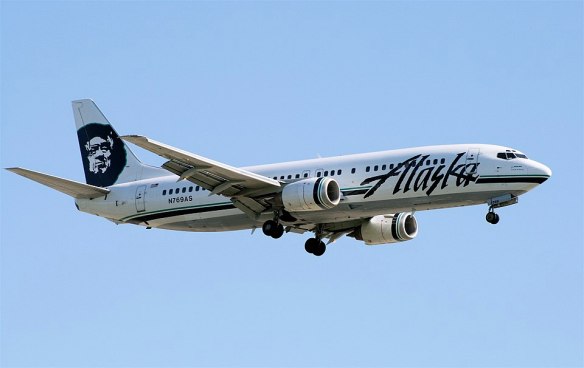
As the plane lifts off, the child keeps repeating in a loud voice, “Boeing, Boeing, Boeing!”  After ten minutes, the guy behind him grows so frustrated that he leans over the seat and says in a stern voice to the kid,Be Silent! Be Silent.”

So, for the rest of the flight, the kid in a happy voice yells, “Oeing!  Oeing! Oeing!”

And to make it worse, the kid sitting right behind him performs the world’s longest drum roll tapping his hands on the back of the guy’s seat from LA to New York.

Down

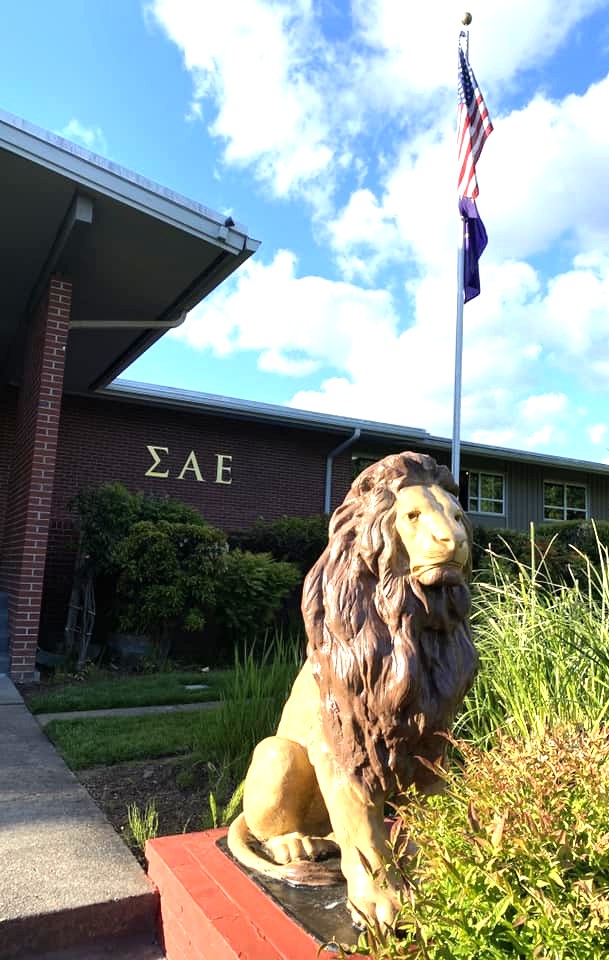
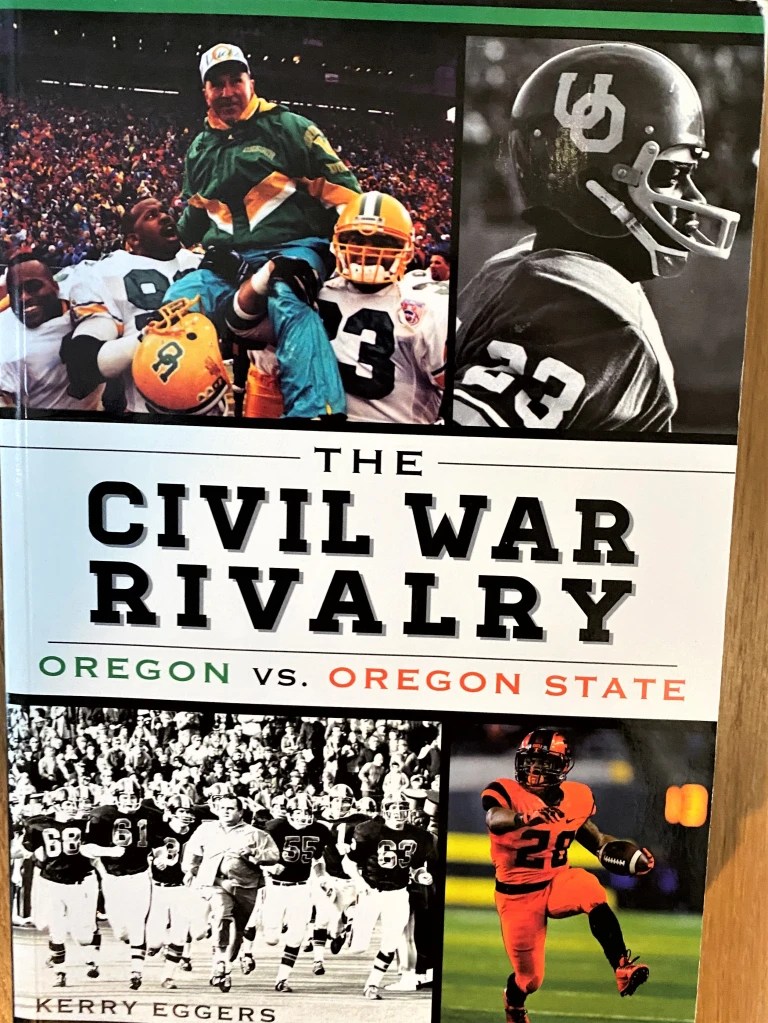
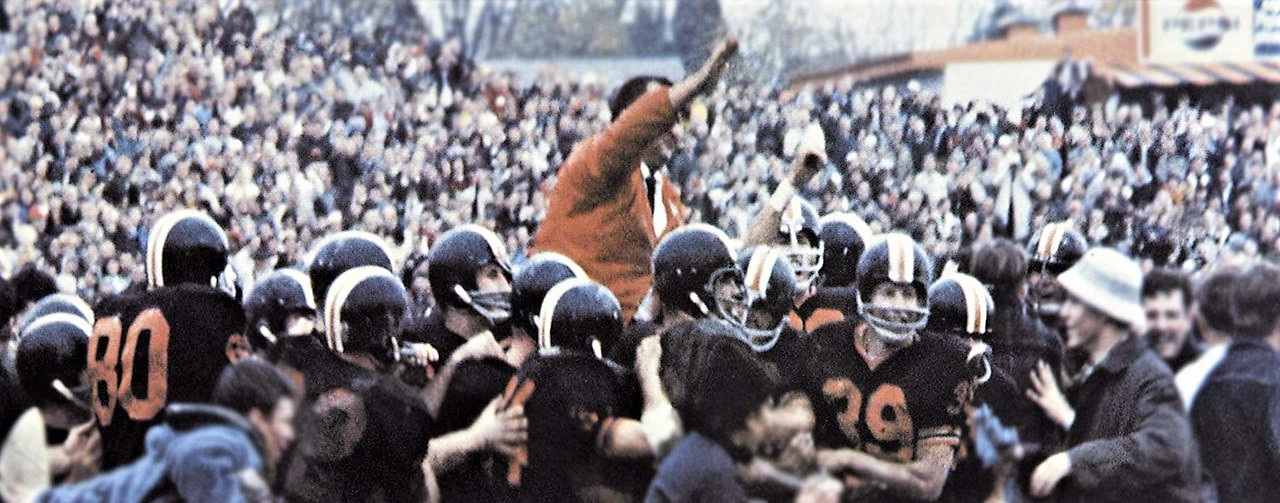
This time of year, evokes positive memories of college years – football, new academic energy, football, fraternity relationships and parties, football and dating. That said, it’s with saddened heart and anger I witness the deplorable attacks on our universities. (And in some notable cases, capitulation by the institutions.)

To retain their independence and viability, universities need to self-police change some standard practices, be economically prudent and show wisdom and common sense in their research and academic offerings. I certainly don’t want somebody from the federal government shaping curriculum.

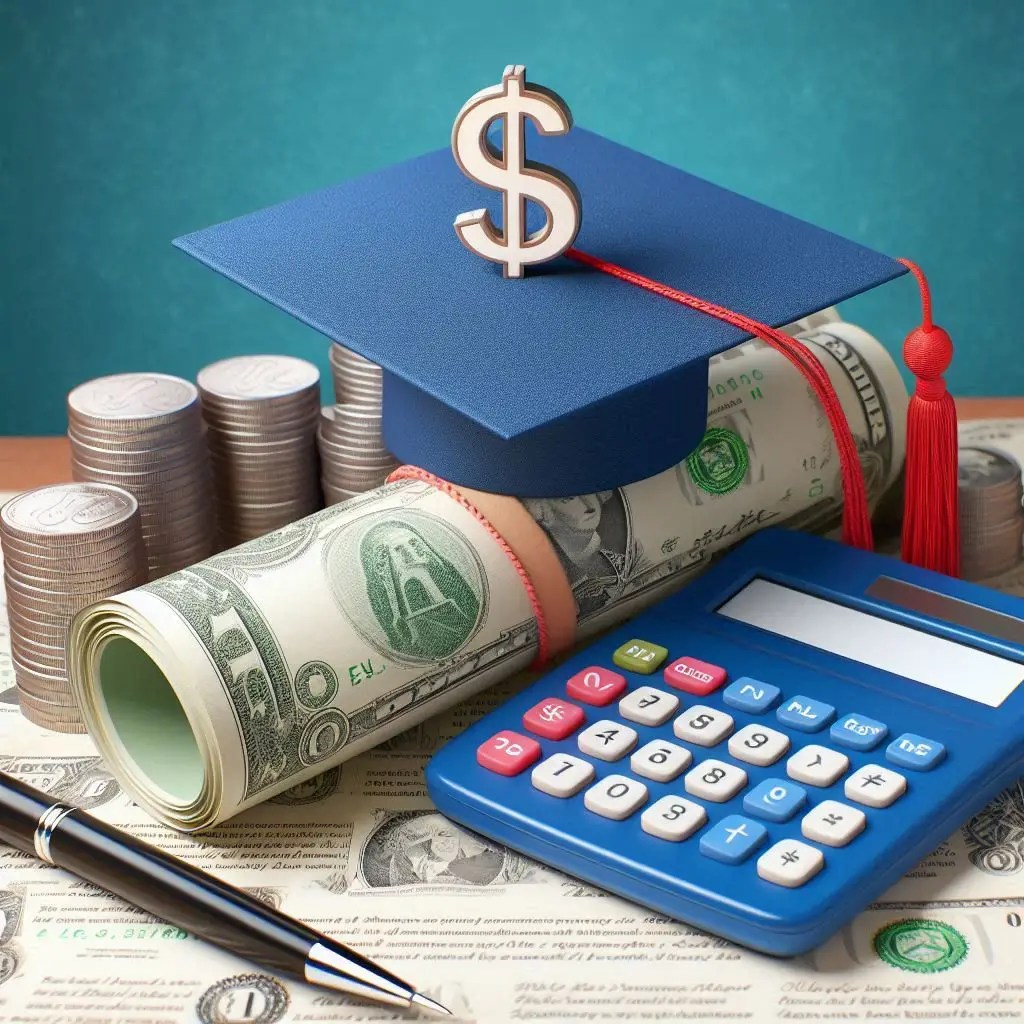
The cost of a college degree has become prohibitive for many families – even at state schools. And many universities have gotten comfortable with the traditional model of academia, which may now not be economically viable. (#5)
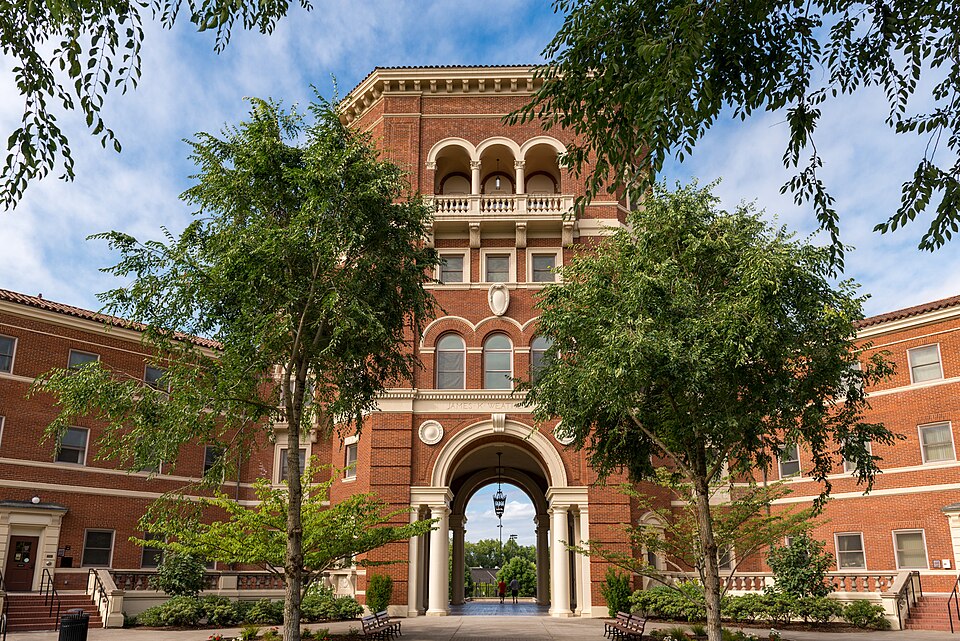
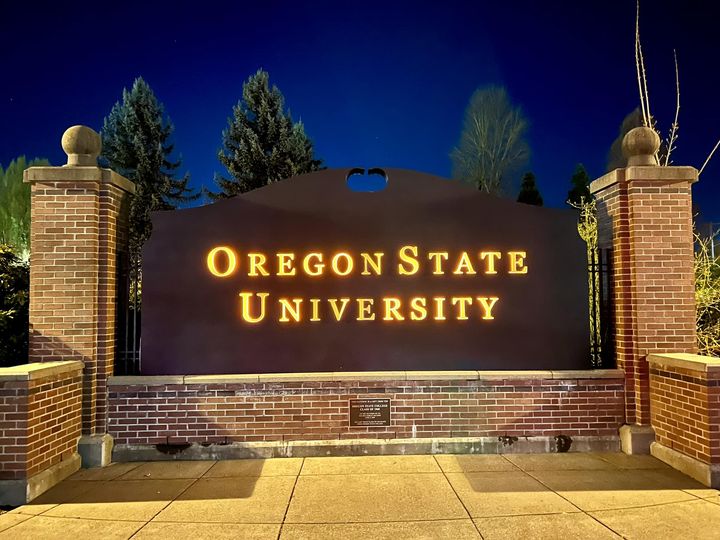
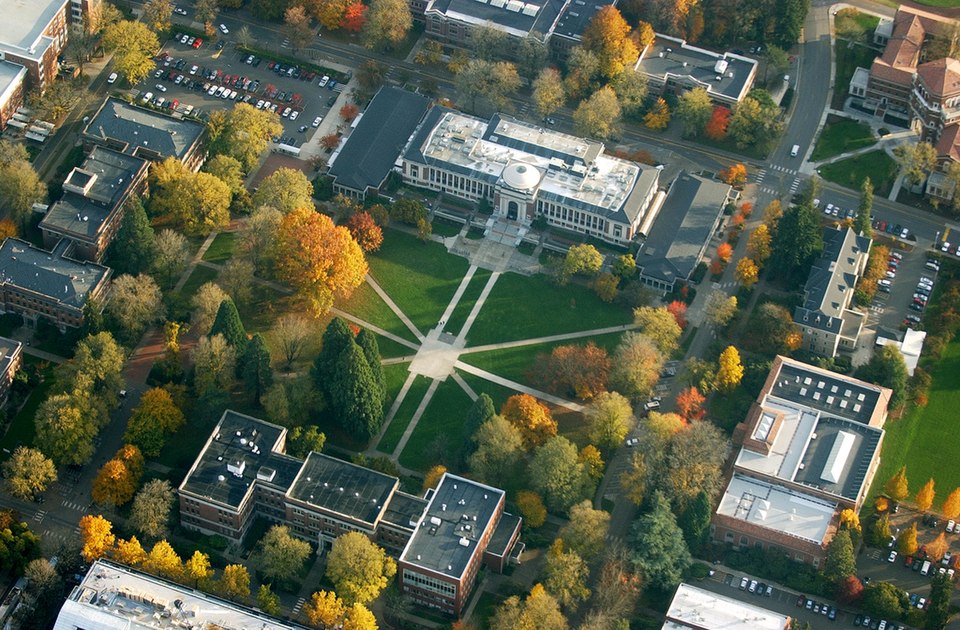
I love my undergrad alma mater – Oregon State University. I learned how to live and interact with others, contribute in group settings and got an excellent liberal arts education which made me a more enlightened person. (And prepared me for graduate school…!) (#6 – #7)
Oregon State is an excellent engineering, forestry and oceanography school (as well as having an innovative Fermentation Science Program) and also provides a decent liberal arts and business curriculum.

That’s one reason a recent news story in Oregon Live entitled “Oregon State professor teaches punk, horror – and Taylor Swift.”  really irritated me. 

“‘I thrive in trying and doing,’ he said, ‘and getting feedback and trying again.’ The 41-year-old brings the same mindset to his classroom. (The professor) said he values ‘co-creation’ over traditional teaching doctrine – not teaching down to students but learning alongside them’…. (emphasis added) 

And in his other classes on punk music and Taylor Swift, he has students create ‘zines,’ scrappy anti-establishment pamphlets crafted with anything at hand, as a way to learn a do-it-yourself creative philosophy.”
Now, I assume the professor is a nice, well-intentioned guy, but I would suggest that if he wants to “learn alongside” his students, that he should pay tuition rather than being paid as a faculty member.
 
It’s this kind of stuff which gives the misguided souls who want the government to intervene in university curricula, ammunition for their mission (#8 – #9).

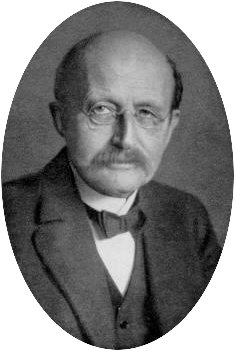
Some university research also raises questions such as the objectives of a 2025 study published in The Guardian at the Max Planck Institute of Animal Behavior in Germany – one of eighty independent, non-profit research institutes.

They are funded by the German state and federal governments:

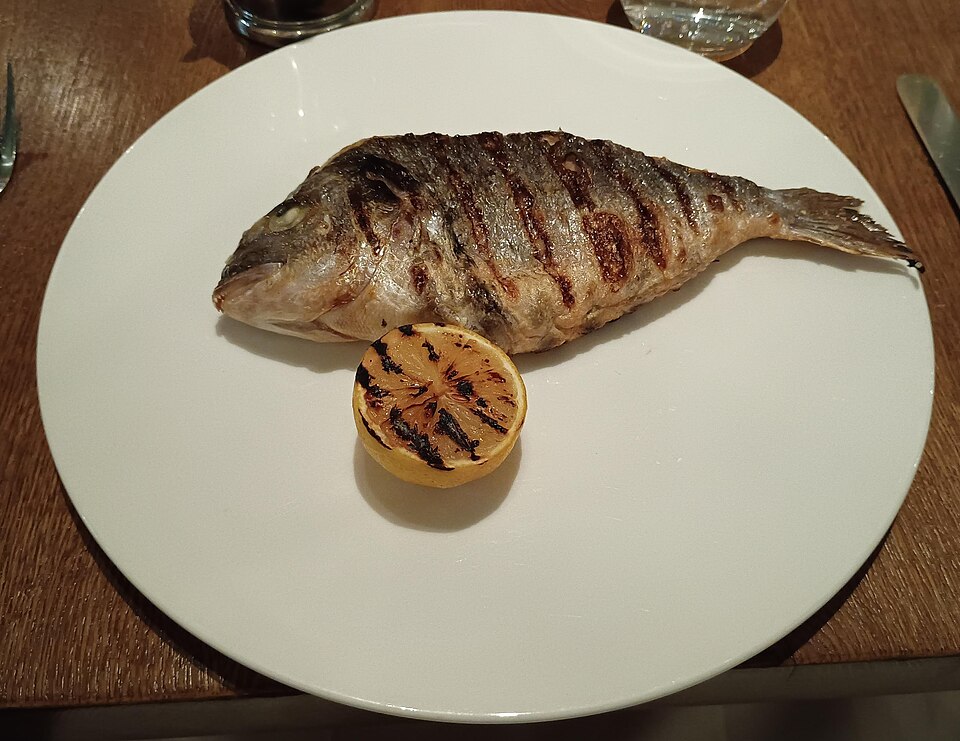
“Wild fish (bream) can tell people apart – at least when they are wearing different-coloured outfits – researchers have found in a study they say could shift our relationship with the creatures….The researchers carried out 30 trials for each (differently colored) outfit and used video recordings to count the number of fish following each diver. 

(Researcher Maëlan)Tomasek added that the study could prompt us to reconsider the way we treat fish, including whether to kill and eat them. ‘It’s very human to not want to care about them, but the fact that they can care about us, maybe it’s time that we can care about them, too,’ he said.”

I don’t know much about Max Planck other than he was a German theoretical physicist who won a Nobel Prize in Physics. I kind of wonder if he would approve of a study like this.

Might it also be a large inferential leap to assume that because a fish follows a guy wearing a red shirt, that it has an emotional attachment? I would also not be hesitant to eat a fish who prefers orange and black to green and yellow.

Conversely…

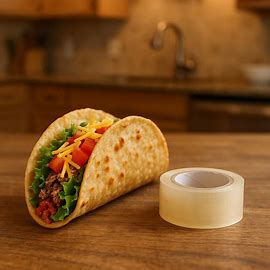
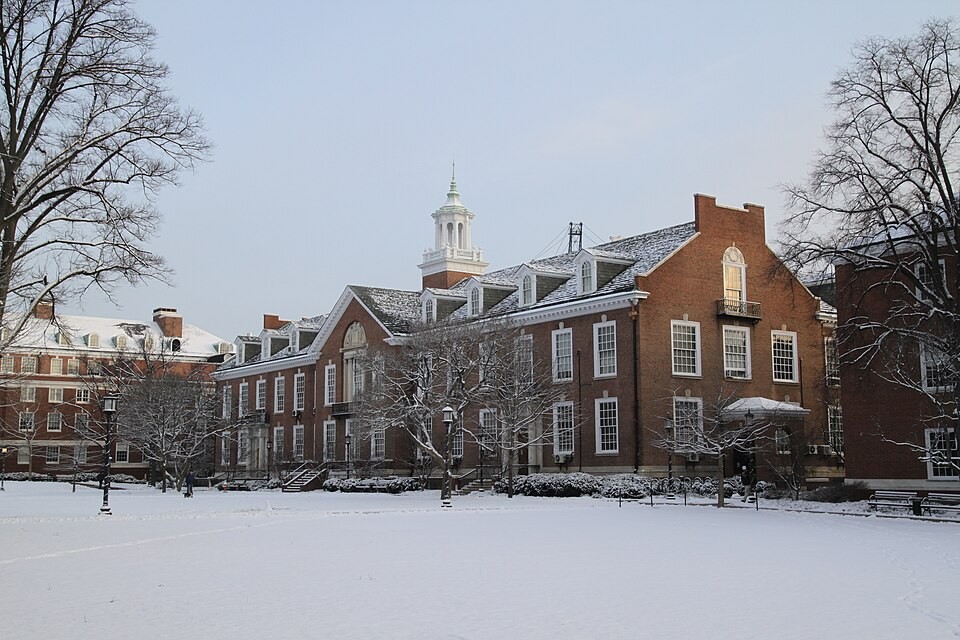
When I initially read the headline “Edible tape invented to stop your burrito from falling apart” a project by students at Johns Hopkins University School of Engineering, I thought “Here we go Again!”

“Four US engineering students were brainstorming the perfect invention for their product design course, when lunch inspiration – literally – fell into their laps. ‘Erin was eating a burrito and the tortilla opened all over her,’ one of the four, Tyler Guarino tells CNN.

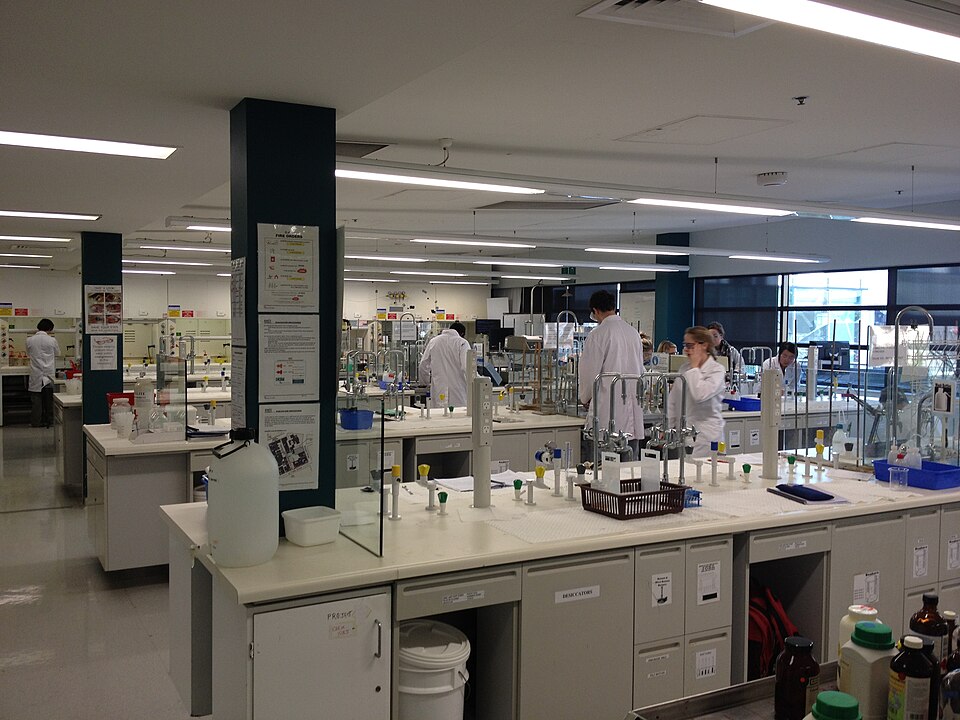
‘It hit her then – this is a problem that we can solve…. We tested about 50 different formulations’ before finding the winning ‘Tastee Tape’ recipe, Guarino says.” (#10 – #12)
Now maybe it pays to keep cynicism about the impact of research in check, because when I checked further, I found that their counterparts at MIT had already taken it a step further as explained in a 2022 article: “Engineers develop surgical ‘duct tape’ as an alternative to sutures”

“In numerous experiments, the team has shown the patch can be quickly stuck to large tears and punctures in the colon, stomach, and intestines of various animal models.

The adhesive binds strongly to tissues within several seconds and holds for over a month. Once an injury is fully healed, the patch gradually degrades without causing inflammation or sticking to surrounding tissues.” (#13)
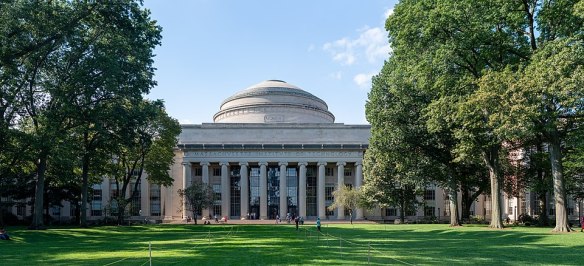
Great Dome – MIT

I didn’t check to see if their invention had been implemented in operating rooms – for either people or fish.

You’re Going to be Sick of Winning..???

I was going to leave it there but couldn’t resist quoting two more studies on the same concept that make me wonder how some researchers feel about the practical value of their studies to society.

In 2021, “University of Iowa research finds bronze medalists happier than those with silver.”

“To analyze the photos, the research team used software capable of reading facial expressions by the shapes and positions of mouths, eyes, eyebrows, noses and other facial features. (An assistant professor of marketing noted) ‘A spectator might be inclined to praise a silver medal performance. But for a lot of people, that might not feel like a win.” (#14)
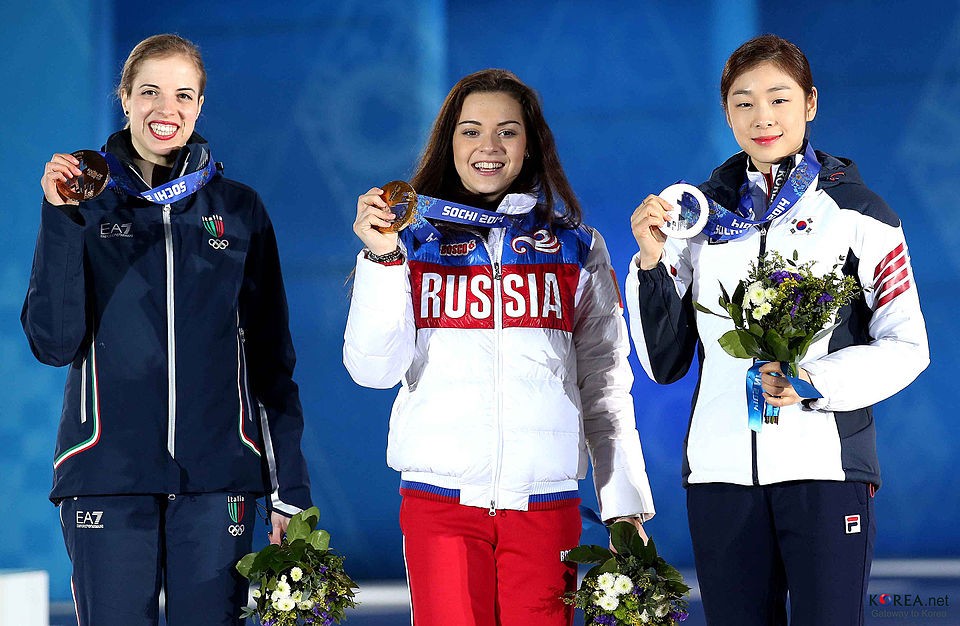
Now in the AI study above reviewing photos of 413 athletes at medal ceremonies from 142 Olympic track and field events between 2000 and 2016, the conclusion was reached strictly by analyzing facial expressions.

You should be comforted that another marketing professor did her research – this study based on simulations. 

“…according to Monica Wadhwa, marketing professor at Temple University’s Fox School of Business in Philadelphia, ‘not winning is, in fact, more powerful than winning.’ She has spent nearly a decade researching this seemingly paradoxical idea, motivated by her childhood experiences.”

And unfortunately, my daughters are now adults, and I didn’t have the benefit of her advice to parents. To wit: “When kids lose – whether in sports or in school – point out to them how close they came to winning.”

Sideways

In my last post, I talked about the acceleration of change in society and trends which affect our daily lives in ever-increasing rapidity. I think these next trends are probably good; however, it may take some adjustment on my part. 

I’m talking about both the use of semicolons and spaces after a period. According to the 5/22/25 Morning Brew:

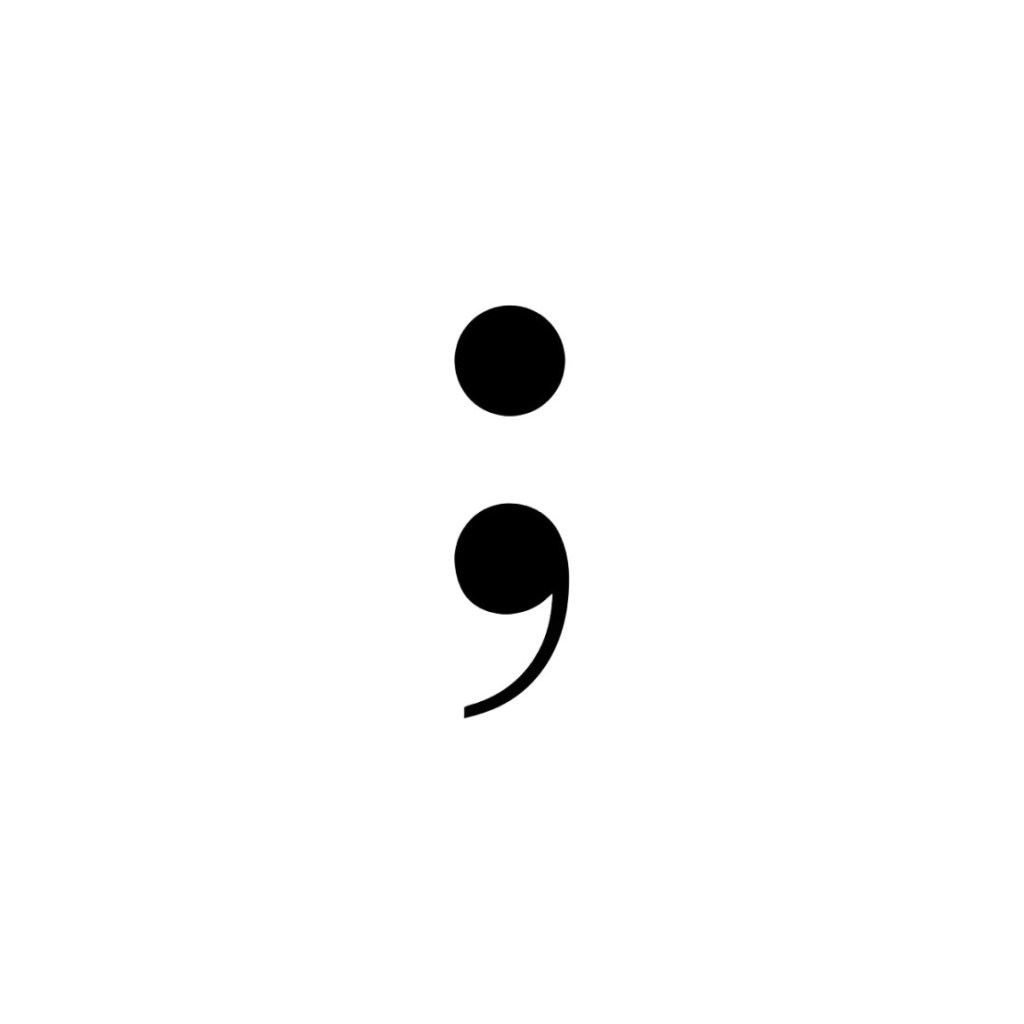
“The punctuation mark that makes you feel pretentious even when you somehow manage to use it correctly is rapidly becoming passé. The semicolon’s usage in English books has plunged by almost half in the last two decades, from 1 in every 205 words in 2000 to 1 in 390 today, the Guardian reported…

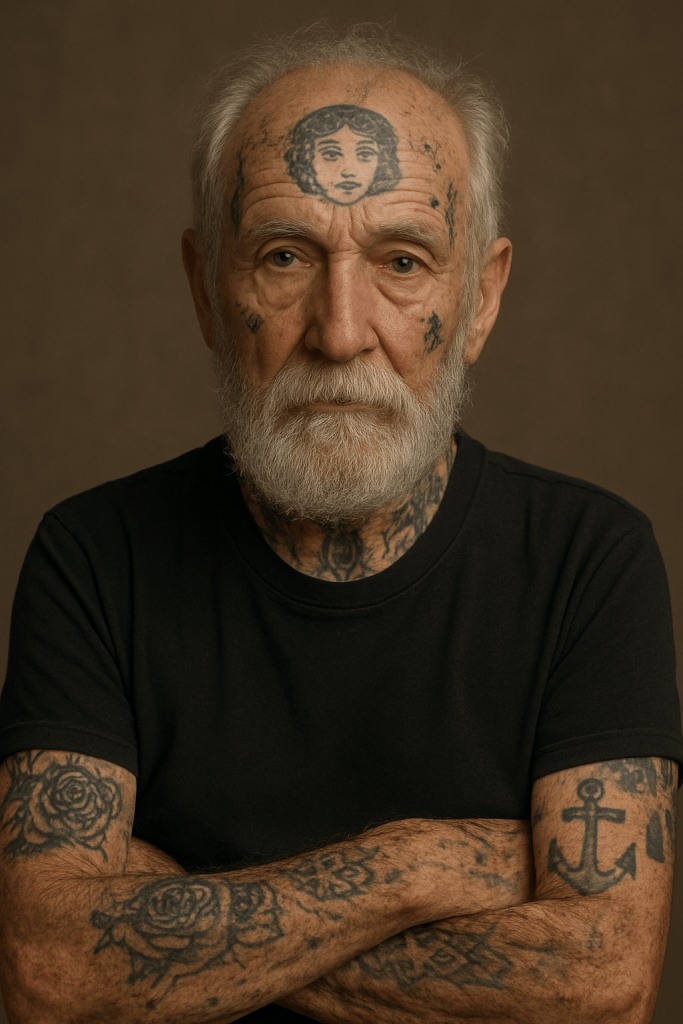
These days, it’s probably found more often in computer programming and tattoos than in text.” (emphasis added)

That brought to mind one jokester’s comment about change stating, “In fifteen years, we’re going to have to get used to seeing a lot of really old people walking around with tattoos.” (#15 – #17)
I’ve always put two spaces after the period at the end of a sentence. I was taught that in two years of high school typing – one of the most useful classes I’ve ever taken and one that I took because I wanted to date a girl who was taking the class. (I did.)

According to a recent article by MasterClass.com:

“The overwhelming majority of contemporary style guides and word processors advise using a single space between typed sentences. When in doubt, use single spacing in research papers, essays, and your creative writing. This is true regardless of whether your sentence ends in a period, a question mark, or some other form of punctuation….

The debate over the number of spaces has waned over the years, but some adherents to the two-space convention (known as ‘two-spacers’) argue the extra space signals the end of a complete thought more effectively.”

Now I’m behind the times since the 2019 American Psychological Association Style Guide reflected the change. I didn’t check to see if they did any research on the emotional impact of being a “two spacer.” I’ve made an effort to reflect the punction change in this post although I’m not going to do a detailed check.

If you don’t like that, go ahead and sue me – my transition to the conclusion of this long post with a lawyer joke – a rhetorical question and remember. I loved working with lawyers:

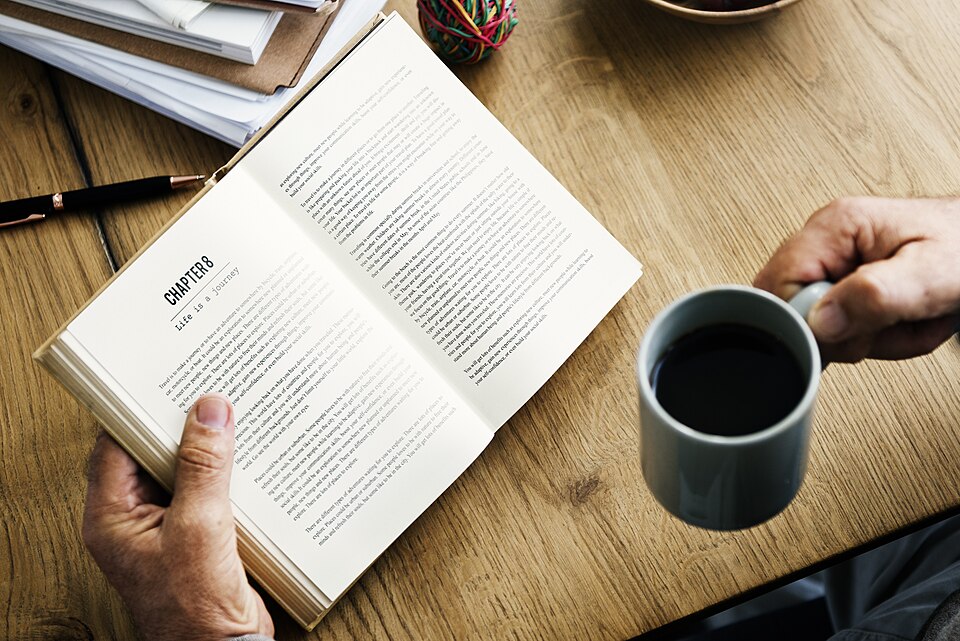
“If an IRS auditor and a lawyer were both floundering in the surf and you could save only one, would you go to coffee or read the newspaper?” (#18 – #19)

Cheers

#1.  Wikimedia Commons (https://commons.wikimedia.org/wiki/File:Arrow_slim_up.svg) This file is licensed under (https://creativecommons.org/publicdomain/zero/1.0/deed.en. Author: Wenflou – 20 August  2022.

#2. Wikimedia Commons (File:Arrow slim down.svg – Wikimedia Commons) This file is made available under the https://creativecommons.org/publicdomain/zero/1.0/deed.en.  Author: Wenflou – 20 August 2022.

#3. Wikimedia Commons (File:Sideways Arrow Icon.svg – Wikimedia Commons) This file is licensed under the Creative Commons Attribution-Share Alike 3.0 Unported license. Subject to disclaimers. Attribution: Riley Huntley at the English-language Wikipedia.  29 August 2012.

#4,  Public Domain – Wikimedia Commons (File:Alaska-737-4QB-YVR.jpg – Wikimedia Commons) Author: Makaristos – 22 May 2008.

#5.  AI Image Generator (Bing Image Creator).

#6. Wikimedia Commons (File:Corvallis, Oregon State University – DPLA – 20466127df16e7e71103ee1bfd3343bb.jpg – Wikimedia Commons).  Licensed under the Creative Commons Attribution 4.0 International license.  Author: Gary Halvorson, Oregon State Archives – 15 August 2015.

#7.  Wikimedia Commons (File:OSU by air.jpg – Wikimedia Commons) Licensed under the Creative Commons Attribution 2.0 Generic license.  Author: saml123 – 26 May 2008.

#8. Wikimedia Commons (File:Max Planck.png – Wikimedia Commons) Licensed under the Creative Commons Attribution-Share Alike 3.0 Unported license.  Author: Courtesy of the Clendening History of Medicine Library, University of Kansas Medical Center – 17 December 2009.

#9. Wikimedia Commons (File:South Coast Sea Bream – Fish Market – New Street – London 2025-02-14.jpg – Wikimedia Commons) Licensed under the Creative Commons Attribution-Share Alike 2.0 Generic license.  Author: Haydn Blackey – 14 February 2025.

#10. Wikimedia Commons (File:Maryland Hall, Johns Hopkins University, Jan 2011.jpg – Wikimedia Commons) Licensed under the Creative Commons Attribution-Share Alike 3.0 Unported license.  Author: Cvenghaus – 11 January 2012.

#11.  Artificial Intelligence (https://www.bing.com/images/create/image-of-a-taco-next-to-some-clear-adhesive-tape/1-68b28c80361f4a7dbb5eff9d322359d2?mdl=1&ar=1&FORM=GENCRE)

#12.  Wikimedia Commons (File:Chemistry Laboratory RMIT Building 7.jpg – Wikimedia Commons) Licensed under the Creative Commons Attribution-Share Alike 3.0 Unported license. Author: Ozarch  – 4 April 2012.

#13. Wikimedia Commons (File:Great Dome, Massachusetts Institute of Technology, Aug 2019.jpg – Wikimedia Commons) Licensed under the Creative Commons Attribution-Share Alike 3.0 Unported license. Author: Mys 721tx  – 30 August 2019.

#14. Wikimedia Commons (File:Korea Kim Yuna Sochi Medal Ceremony 05.jpg – Wikimedia Commons) Licensed under the Creative Commons Attribution-Share Alike 2.0 Generic license.   Attribution: Korean Culture and Information Service (Korean Olympic Committee)  – 22 February 2014.

#15.  Wikimedia Commons (https://upload.wikimedia.org/wikipedia/commons/4/4a/Semicolon_Art.jpg) Licensed under the Creative Commons Attribution 4.0 International license. Author: Altair Netraphim  – 15 June 2022.

#16. ChatGPT Image Generator (https://chatgpt.com/c/68b38aac-a2ec-832a-8585-472da6ae4384).

#17. Wikimedia Commons (File:Syriac sublinear full stop (Estrangelo form).svg – Wikimedia Commons). Licensed under the Creative Commons Attribution-Share Alike 4.0 International license. Author: Unknown – 19 June 2022.

#18. Public Domain – Wikimedia Commons – (File:Person reading a newspaper (Unsplash).jpg – Wikimedia Commons) This file is made available under the Creative Commons CC0 1.0 Universal Public Domain Dedication.  Author: Roman Kraft – 17 May 2017.

#19. Public Domain – Wikimedia Commons (File:Reading in Bangkok (Unsplash).jpg – Wikimedia Commons) This file is made available under the Creative Commons CC0 1.0 Universal Public Domain Dedication. Author: rawpixel.com rawpixel – January 2017.

Up – Down and Sideways — Part I

Welcome back to Thebeerchaser. If you are seeing this post through an e-mail, please visit the blog by clicking on the title at the top to see all of the photos and so the narrative is not clipped or shortened. (External photo attribution at the end of the post) (#1 – #3)

I contemplated using the title “The Good, The Bad and The Ugly,” but I wanted a third category where I could describe something that was neutral or perhaps where I’m ambivalent.

In these days of turmoil, I’ll try not to overload “The Down” category – besides, my wife would claim I was reinforcing perceptions that I’m a grumpy old man….

Up

One of us is missing

For the last two years, I’ve been getting together each week with a group of four other retired guys – yes, they are also old, but not grumpy, which is good for me. They include a  lawyer, title company exec, clinical psychologist and emergency room physician – all retired.  Since we all travel, if there are at least three of us around, we’ll still get together.

We discuss a diverse group of topics and try to avoid politics.  It usually starts out with what might be labeled “the organ recital” – a litany of what isn’t working up to par in our now seventy-year + bodies. (#4 – #5)

At least this is older than we are

Earlier this summer, we were sitting around our usual small table, and three of us had our legs crossed and one of the group emphatically stated, “You guys shouldn’t cross your legs.  My cardiologist said it’s bad for your circulation!”

I initially dismissed this, but then saw an internet caption entitled, “How sitting cross-legged is slowly killing your circulation.” Since it didn’t assert that it was killing me, I decided to ask Janet’s and my wonderful primary-care physician.

Dr. Laura Byerly specializes in geriatrics and also teaches at Oregon Health & Science University. Besides being a superb doctor, she is a wonderful human being and the epitome of common sense. (#6)

Dr. Laura Byerly – OHSU

Without hesitating, Dr. Byerly responded, “Don, I’m not going to say crossing your legs is good for you, but I’d rather have you cross your legs than stress over the impact.”

And we are blessed to have the medical and pharmaceutical technology both to diagnose and treat the many conditions we face today.  The challenge is to make better efforts to ensure that those who need the care – especially children and those in poverty-stricken areas have access.

Note: Medical vocabulary is also interesting and I’m fortunate to have two registered nurse daughters to help me interpret terms when I don’t want to bother the docs. For example, after a scan, I learned (somewhat to my surprise) that I didn’t need to be concerned that my aorta, arteries and gastrointestinal tract are “Grossly Patent.” (#7)

Grossly patent and unremarkable are a good

Counterintuitively, that’s actually a good thing and means they are open, unobstructed and functioning normally and I will be able to continue Beerchasing without reservation. Another issue which seems self-contradictory to an overachiever is the fact that one should be happy to hear that a test result is “unremarkable!”

Balance Issues

Since I was having some balance and gait issues after my back surgery, I got a referral for physical therapy.  Again, I was blessed to have two wonderful PT’s – Dr. Noel Tenoso and Brionna Sims PTA at FYZICAL Therapy and Balance Center in West Linn.

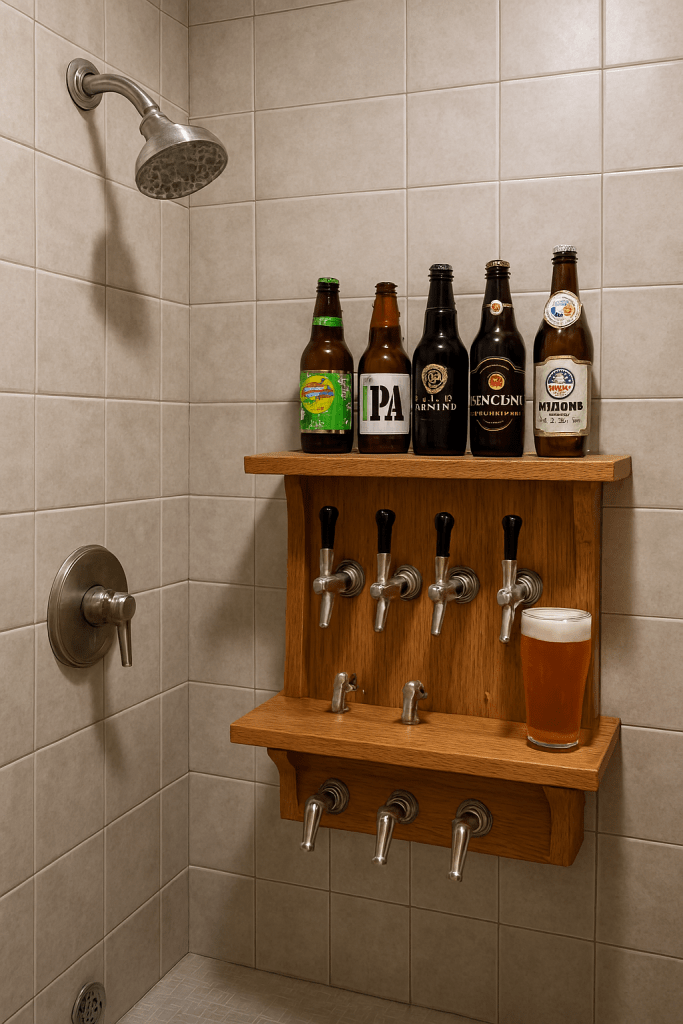
 I suggested to him that for balance and stability purposes, it would help if he recommended a bar in our shower and suggested the design below. I mentioned Thebeerchaser blog and told him that this would further my quest to visit “watering”. 

(Credit for the concept goes to my friend Mitch Teemley, – writer, director and filmmaker, who also has a wonderful blog.)  (#8)

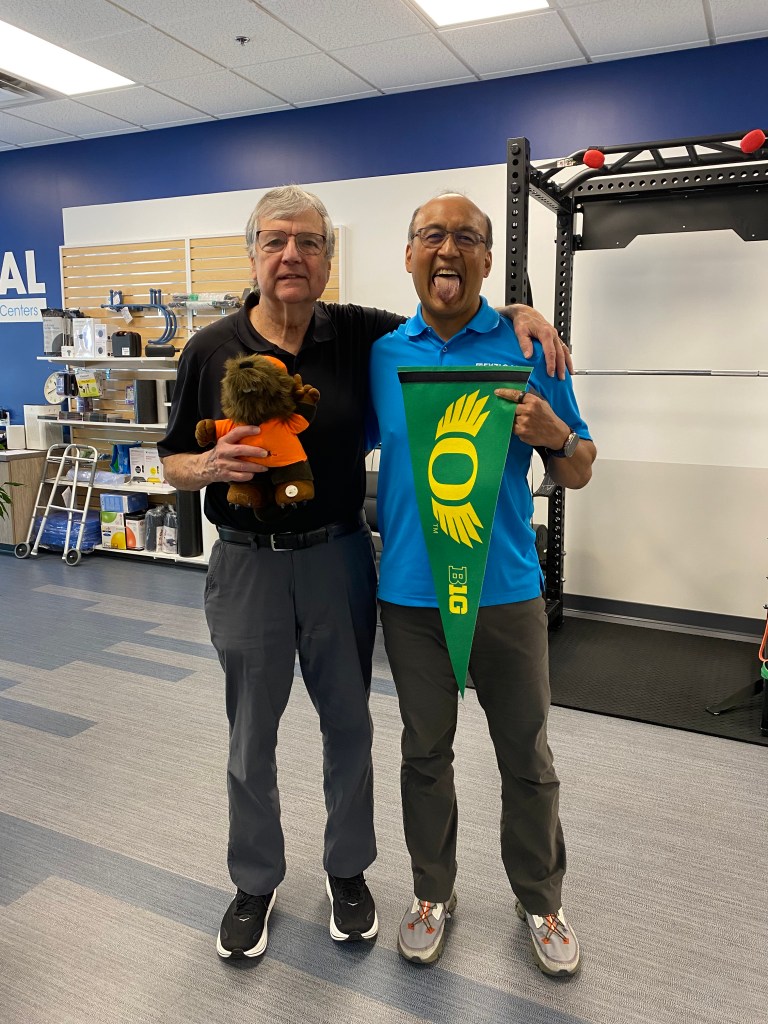
In our first session, Noel and I shared that our undergraduate schools were rivals – Oregon State and the University of Oregon.  Noell is a die-hard U of O Duck – he even has an annoying small plushie duck on the reception counter. 

The twelve sessions really helped. After the initial one, Neal had a weeklong trip to Kona planned, so Brionna and the staff teamed up with me for a coming-home surprise. Knowing what a Duck fan he is, they took advantage of International Beaver Day.

They plastered pictures of the industrious rodents all over his office – including the ceiling. On his desk, was my stuffed beaver you see in the picture below (It plays the Oregon State fight song.)

I was there when he returned and the photo captures his reaction.

Down

How many times recently have you gone to a service provider and as you’re leaving, your representative earnestly says, “By the way, you’ll be getting an e-mail survey on our performance.  We have high standards here, so anything less than a ten is a problem…” (#9)

We are fortunate to have a wealth of great shows and movies on cable and streaming, but I let the commercials drive me into an ad frenzy.  It’s the endless repetition, the actors and the message – particularly on insurance commercials. 

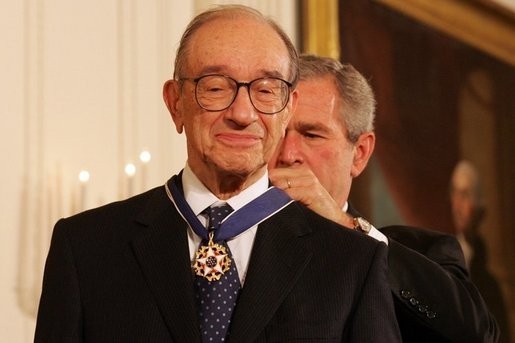
It doesn’t take a Nobel Prize in Economics , a personal audience with former Federal Reserve Chair Alan Greenspan or repeated admonitions from Progressive’s Flo, (Stephanie Courtney) for one to realize that it makes sense to “bundle” your car and home-owner’s insurance.

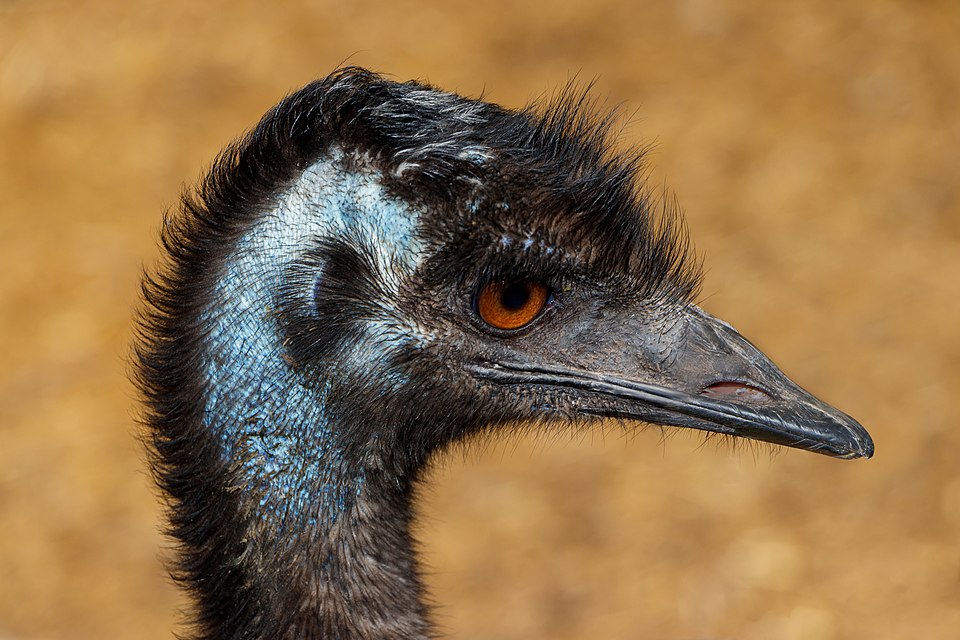
Further, why does Liberty Mutual’s Doug (David Hoffman) – and his ugly emu – incessantly advise, “Pay only for what you need!”  Even a kindergartener would realize it doesn’t make sense to pay premiums on a tree house he doesn’t have if he only needs collision coverage on his training wheels….(#10 – #12)

Now perhaps I should not blame the actors but lay the onus on the ad agencies and the corporations they represent, because as you will see in Part II of this post, there are some really good commercials which endear one to the players and the product.

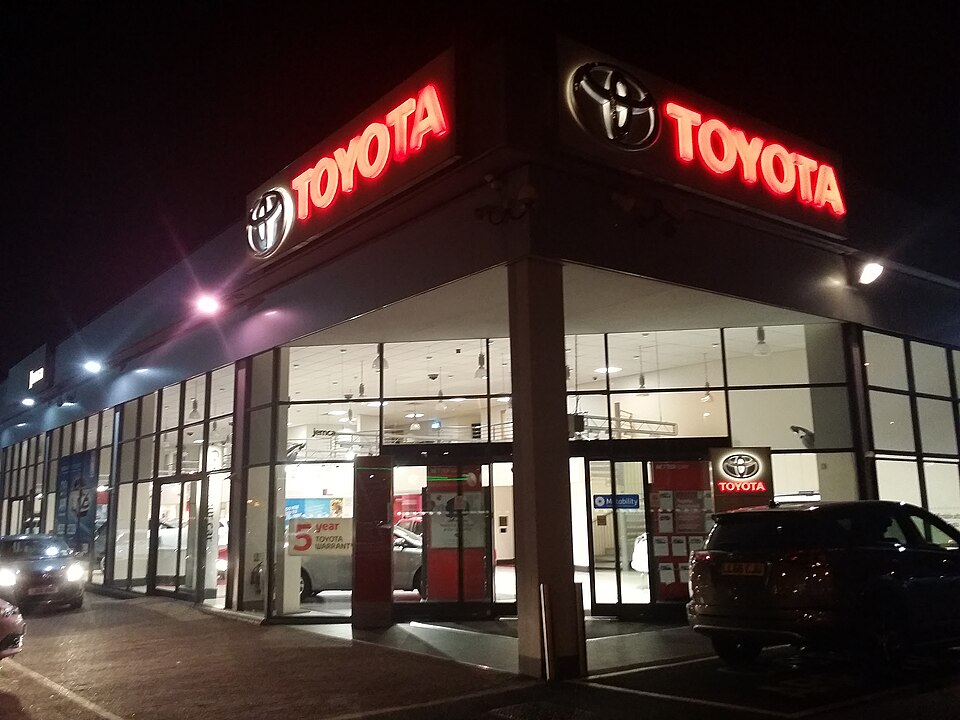
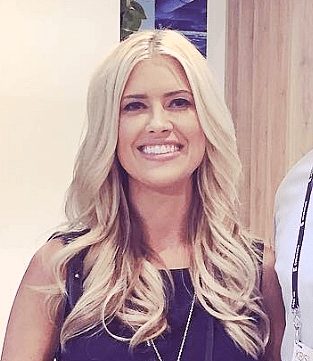
However, the two that make the term “irritating” inadequate are Toyota’s Jan (Laurel Coppock) and Jacuzzi’s Christine Haack (El Moussa, Anstead and Hall…).  With the former, it just seems demeaning to have a smiling, effervescent woman do essentially nothing but hand people the keys to their new cars or point out models in a showroom. 

(My time in management makes me view this bubbly persona as unnecessary overhead.) (#13 – #14)

But while the aforementioned performers in the commercials are professional actors, Christina Haack is not and this is obvious by her cadence and stilted articulation – best described as “Upspeak.

Upspeak, also known as uptalk or high rising terminal (HRT), is a way of speaking where declarative sentences end with a rising intonation, making them sound like questions.  As well-stated in an Oregon Live letter-to-the-editor:

“I hope that younger people listen to and model their tone of delivery, which projects conviction and confidence versus another prevalent stye of speaking producing a singsong, chirpy affectation, marking the speaker as tentative and approval-seeking.” (#15 – #16)

Sideways

Change can be both positive and negative and I’ve tried to adapt remembering the quote by John F. Kennedy (one Kennedy worth quoting…):

“Change is the law of life. And those who look only to the past or present are certain to miss the future.”

Of course, it also took me about ten years to accept the refutation of the maxim:

“Don’t go swimming for at least an hour after eating.”

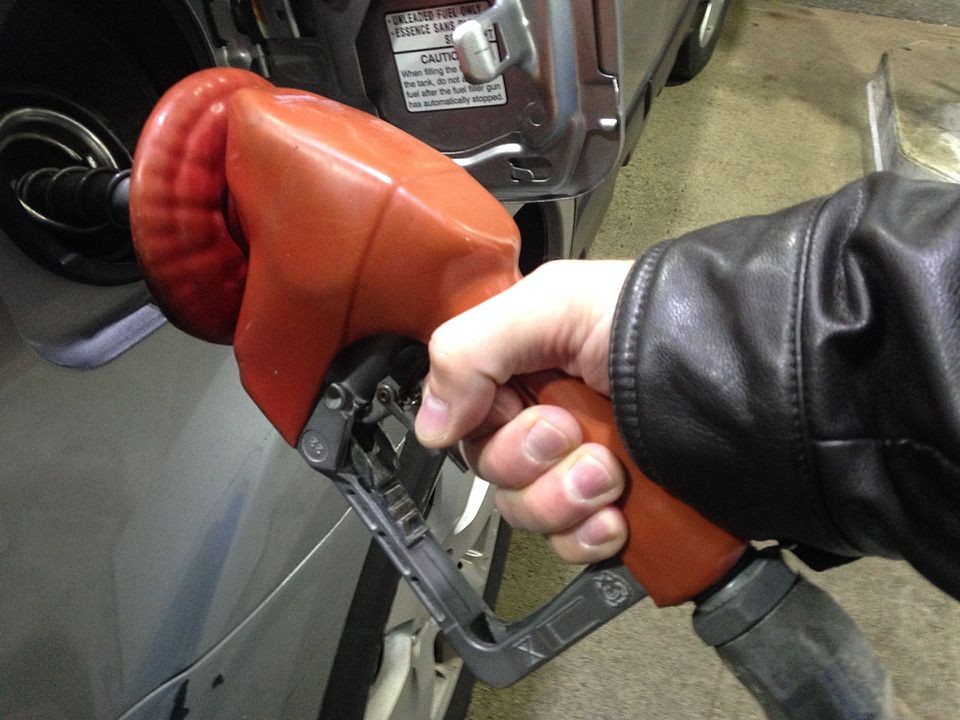
Change can be glacial even when common sense and economic factors dictate it. For example, in Oregon, we were only able to pump our own gas starting in August 2023 leaving just New Jersey as a final holdout. (#17)

The final change I’ll address in this post is also neutral, but probably mostly positive. It’s another trend like the growing shift to non-alcoholic beer. (See Part II of this post.)

Names!

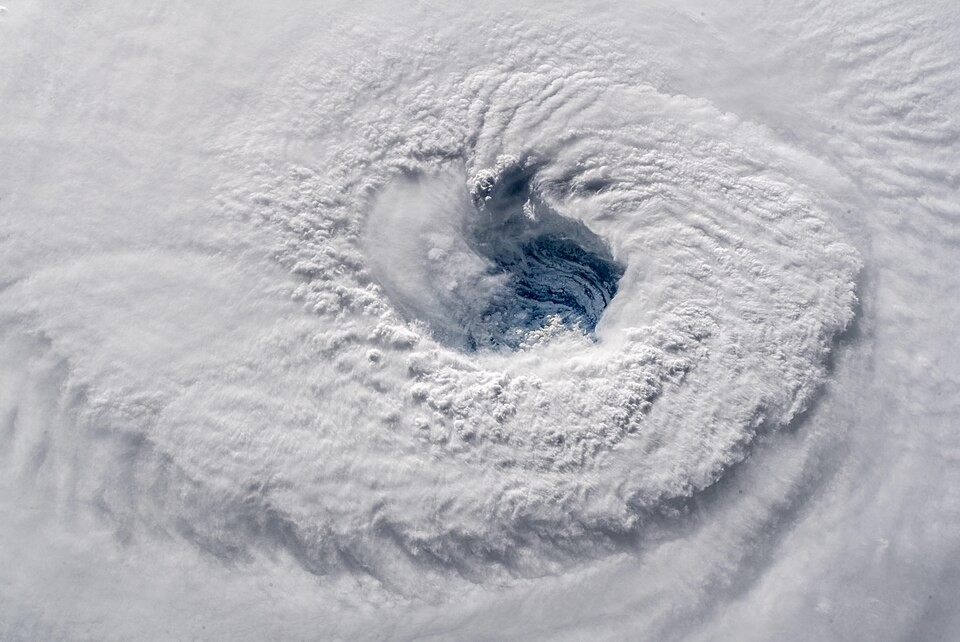
Not a recent change, but a major one that took place after twenty-six years was naming hurricanes with strictly female appellations. In 1979, that sexist practice changed. (“David” was the first male moniker.)

Not to digress, but for a fascinating article about hurricane naming conventions see this link from the National Hurricane Center.(#18)

I’ve been surprised but pleased at how names have changed. One can always go to a website showing the most popular baby names.  It probably won’t surprise you that in 2025 the two most popular girl’s names are Olivia and Emma (not Alexa for obvious reasons).  For boys, Liam and Noah take the top spots.

It’s good that the most prevalent monikers in my day such as Tommy (#39) and Timmy (not in top 100) now don’t make the grade.  And Lance is also not a common name now days, but in medieval times, people were called “Lance – a – lot.” (apologies for that….)

Checking out the names of the excellent athletes our local paper highlights each week reveals some creativity and a departure from established conventions. Just take a look at some of these. On a number, you wouldn’t be able to identify the gender and it’s also fun to see surnames employed quite a bit as first names.

Jaden

Kendall

Finley

Bailee

Enzo

Ava

Hayden

Barrett

Eamon

Davis

Teagan

Rhyson

Leah

Nixon

Biz

Kat

Rylan

Brooklyn

Turner

Hudson

In my last post, I mentioned how proud I was to be named after my dad’s best friend and fraternity brother, Don Wilburn, who was a genuine WWII hero. In May 2025 he was awarded a posthumous Distinguished Flying Cross – 83 years after his heroic missions over North Africa as a pilot for the Army Air Corps

It should be noted that for obvious reasons, one almost never sees a baby named Donald these days. And similarly, I haven’t seen any young children named TACO – but I guess that goes without saying! (#19)

TACO – not very popular

Heavenward... (#20)

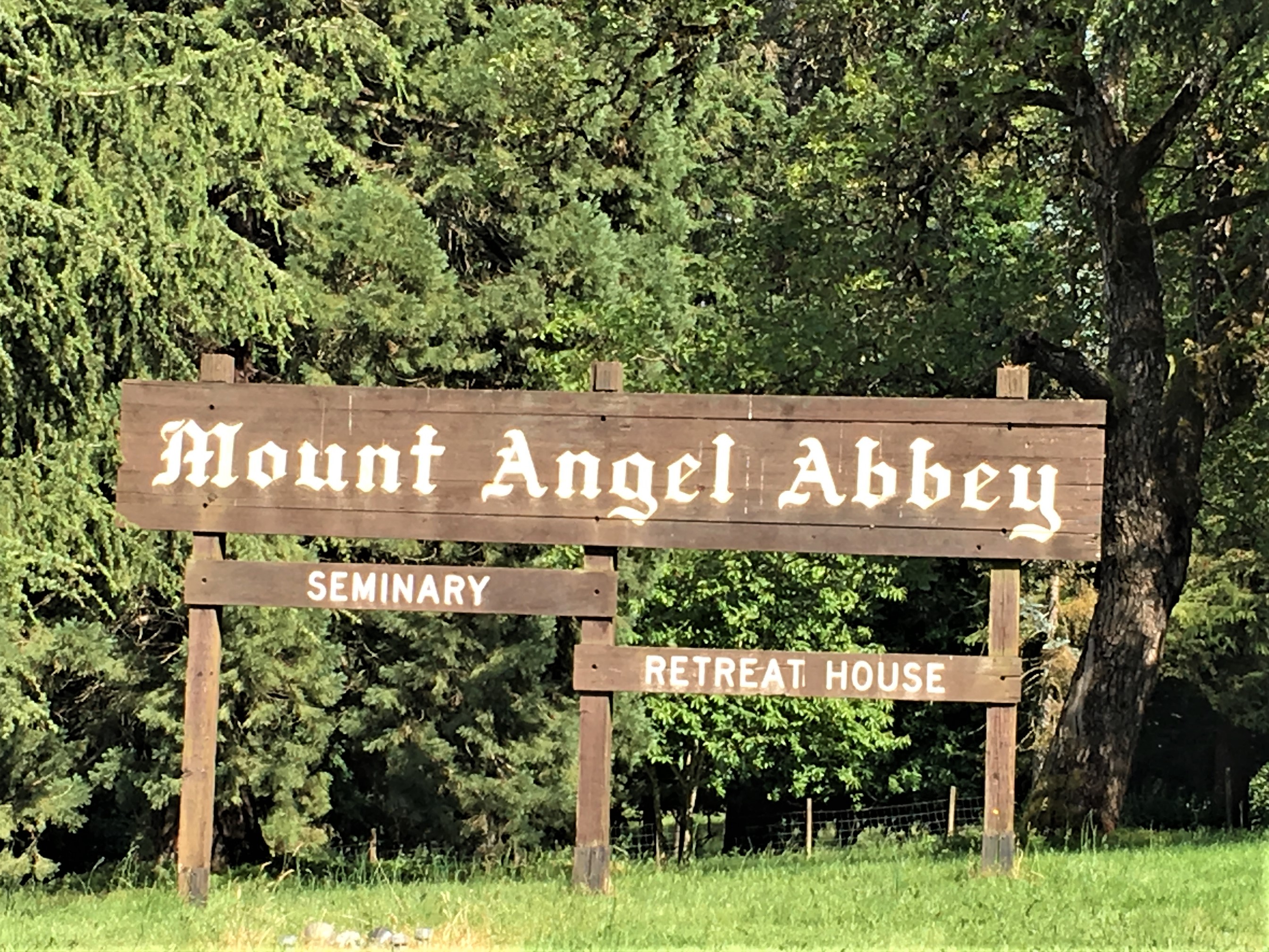
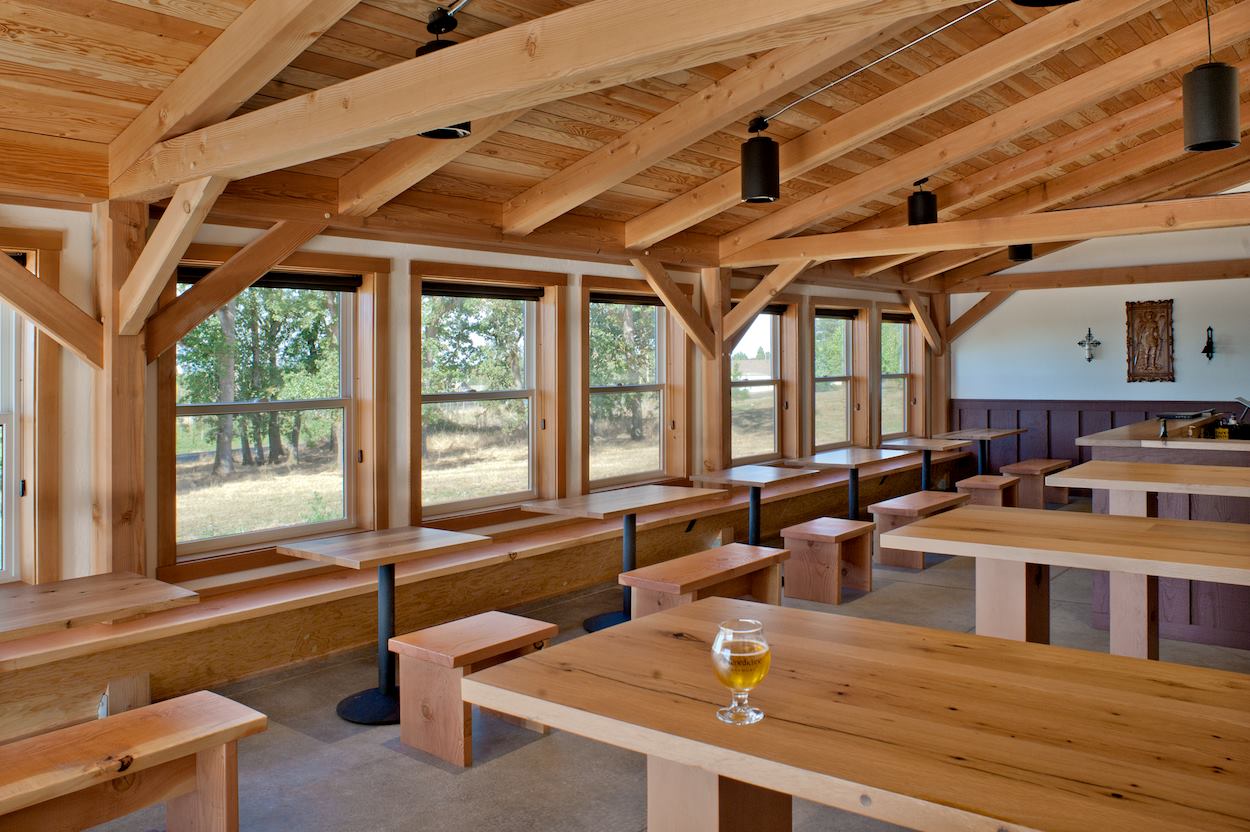
Since this is a blog about bars and breweries (and a lot of other stuff…). I’ll end on a very positive note. I was involved from the outset of the Benedictine Brewery and St. Michael Taproom on the grounds of the Mount Angel Abbey and Seminary when it opened in 2017. 

It’s one of less than a handful in the US owned and operated by Benedictine Monks. I’ll never forget the “old-fashioned barn raising” we had on a cloudy day in November 2017, when 125 monks, priests, seminarians, members of the Mount Angel community and volunteers gathered to erect the framed structure from a concrete slab. https://thebeerchaser.com/2017/11/21/the-benedictine-brewery-beam-me-up

Fr. Martin Grassel O.S.B. the Head Brewer and Manager has developed a regional following for his excellent beers. Although some were skeptical that this enterprise could thrive in a competitive craft-brewing environment, the Brewery has exceeded all expectations celebrated its eighth birthday on August 8th. (#21 – #23)

“The August 8th milestone marks the anniversary of the brewery’s establishment, which launched its first partnership with Coleman Agriculture in 2018 to kick off the Oregon hop harvest…It also emphasized the monks’ values of stewardship and community, mirroring the sustainable farming practices of Coleman Agriculture.” https://newschoolbeer.com/home/2025/7/benedictine-brewery-8th-anniversary-collaboration-with-coleman-hops-kicks-off-hop-harvest

Cheers

External File Attribution

#1.  Wikimedia Commons (https://commons.wikimedia.org/wiki/File:Arrow_slim_up.svg) This file is licensed under (https://creativecommons.org/publicdomain/zero/1.0/deed.en. Author: Wenflou – 20 August  2022.

#2. Wikimedia Commons (File:Arrow slim down.svg – Wikimedia Commons) This file is made available under the https://creativecommons.org/publicdomain/zero/1.0/deed.en.  Author: Wenflou – 20 August 2022.

#3. Wikimedia Commons (File:Sideways Arrow Icon.svg – Wikimedia Commons) This file is licensed under the Creative Commons Attribution-Share Alike 3.0 Unported license. Subject to disclaimers. Attribution: Riley Huntley at the English-language Wikipedia.  29 August 2012.

#4.  Public Domain – Wikimedia Commons (File:Colour-Music – Page 44.jpg – Wikimedia Commons) This work is in the public domain in the United States because it was published (or registered with the U.S. Copyright Office) before January 1, 1930.  Author: Alexander Wallace Rimington1911.

#5.  Public Domain – Wikimedia Commons (File:Internal organs.svg – Wikimedia Commons)  I, the copyright holder of this work, release this work into the public domain. This applies worldwide.  Author: Mikael Haggstron – 23 June 2010.

#6.  Oregon Health Sciences Website (Laura K. Byerly MD | Health care provider | OHSU).

#7  Wikimedia Commons (File:Moderní výpočetní tomografie s přímo digitální detekcí rentgenového záření.jpg – Wikimedia Commons)  Licensed under the Creative Commons Attribution-Share Alike 4.0 International license. Author: Tomáš Vendiš  – 14 February 2022.

#8. AI Microsoft Image Generator.

#9. Wikimedia Commons (File:Online Survey Icon or logo.svg – Wikimedia Commons) This file is made available under the Creative Commons CC0 1.0 Universal Public Domain Dedication.  Author: Tungilik – 25 July 2014.

#10. Public Domain – Wikimedia Commons (File:The Nobel Prize.svg – Wikimedia Commons) This image of simple geometry is ineligible for copyright and therefore in the public domain, because it consists entirely of information that is common property and contains no original authorship. Author:  Premeditated  – 6 May 2019.

#11. Wikimedia Commons (File:Dromaius novaehollandiae – Maroparque 01.jpg – Wikimedia Commons).  Licensed under the Creative Commons Attribution-Share Alike 3.0 Unported license.  Author: H. Zell – 18 March 2019.  (IMU)

#12. Public Domain – Wikimedia Commons (Greenspan, Alan (Whitehouse) – Alan Greenspan – Wikipedia) This file is a work of an employee of the Executive Office of the President of the United States, taken or made as part of that person’s official duties. As a work of the U.S. federal government, it is in the public domain.  Author:  White House photo by Shealah Craighead – 9 November 2005.

#13. Wikimedia Commons (File:Jemca Toyota, The Hyde – geograph.org.uk – 5188704.jpg – Wikimedia Commons) Licensed under the Creative Commons Attribution-Share Alike 2.0 Generic license.  Attribution: Jemca Toyota, The Hyde by David Howard – 10 November 2016.

#14. AI (https://designer.microsoft.com/editor?applied).

#15. Wikimedia Commons (File:Christina El Moussa 2.png – Wikimedia Commons) Licensed under the Creative Commons Attribution-Share Alike 4.0 International license.  Author:  Jocean4 – 23 September 2018.

#16.  AI (Untitled Project | All In One Web Editor | Picsart).

#17.  Public Domain – Wikimedia Commons (File:Pumping gas by hand.JPG – Wikimedia Commons)   This file is made available under the Creative Commons CC0 1.0 Universal Public Domain Dedication. Author: MarkBuckawicki – 22 October 2015.

#18. Public Domain – Wikimedia Commons (File:Staring Down Hurricane Florence.jpg – Wikimedia Commons)  This file is in the public domain in the United States because it was solely created by NASA. NASA copyright policy states that “NASA material is not protected by copyright unless noted.” Author: Alexander Gerst –  12 September 2018.

#19 AI Microsoft Image Generator.

#20 – #23. Benedictine Brewery Facebook (https://www.facebook.com/BenedictineBrewery).