

Welcome back to Thebeerchaser. If you are seeing this post through an e-mail, please visit the blog by clicking on the title at the top to see all of the photos and so the narrative is not clipped or shortened. (External photo attribution at the end of the post) (#1 – #3)
As I stated in Part I of this eclectic post (https://thebeerchaser.com/2025/08/23/up-down-and-sideways-part-i/) I contemplated using the title “The Good,The Bad and The Ugly,” but I wanted a third category where I could describe something that was neutral or perhaps where I’m ambivalent, so I went with what you see above.
UP
It’s very easy these days to be cynical and pessimistic about the future – I won’t enumerate all the reasons as that would take several posts and be a downer in itself. Small gestures by people one encounters, however, restore faith in humanity.
Such was the case when my wife and I were on a plane fight from Portland to Anchorage on July 3rd. Sitting immediately in front of us was a young couple with an infant. Of course, this always makes one wonder how relaxing the flight will be; however, we remember our own experiences when we flew with our young daughters and empathized.
Right before the flight started, the dad, leans over the seat and presents us (as well as all the people in the adjacent seats), the plastic bag and the note shown below:


I was going to ask him if he had any Snickers bars, but Janet elbowed me. The irony was that little Tara was an absolute angel – even when she wasn’t sleeping. Her personality was far superior to the guy sitting across the aisle from me.
And with apologies, that brought back memory of one of the jokes in my files which conveys how bad that situation can be:
A businessman is on a cross-country flight and sitting in the row just in front of him are two parents and their three-year-old son. The dad tells his son that the plane is a Boeing jet which fascinates the kid. (#4)
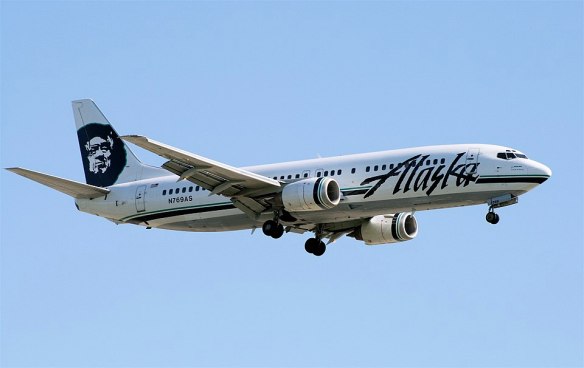
As the plane lifts off, the child keeps repeating in a loud voice, “Boeing, Boeing, Boeing!” After ten minutes, the guy behind him grows so frustrated that he leans over the seat and says in a stern voice to the kid, “Be Silent! Be Silent.”
So, for the rest of the flight, the kid in a happy voice yells, “Oeing! Oeing! Oeing!”
And to make it worse, the kid sitting right behind him performs the world’s longest drum roll tapping his hands on the back of the guy’s seat from LA to New York.
Down
This time of year, evokes positive memories of college years – football, new academic energy, football, fraternity relationships and parties, football and dating. That said, it’s with saddened heart and anger I witness the deplorable attacks on our universities. (And in some notable cases, capitulation by the institutions.)
To retain their independence and viability, universities need to self-police change some standard practices, be economically prudent and show wisdom and common sense in their research and academic offerings. I certainly don’t want somebody from the federal government shaping curriculum.
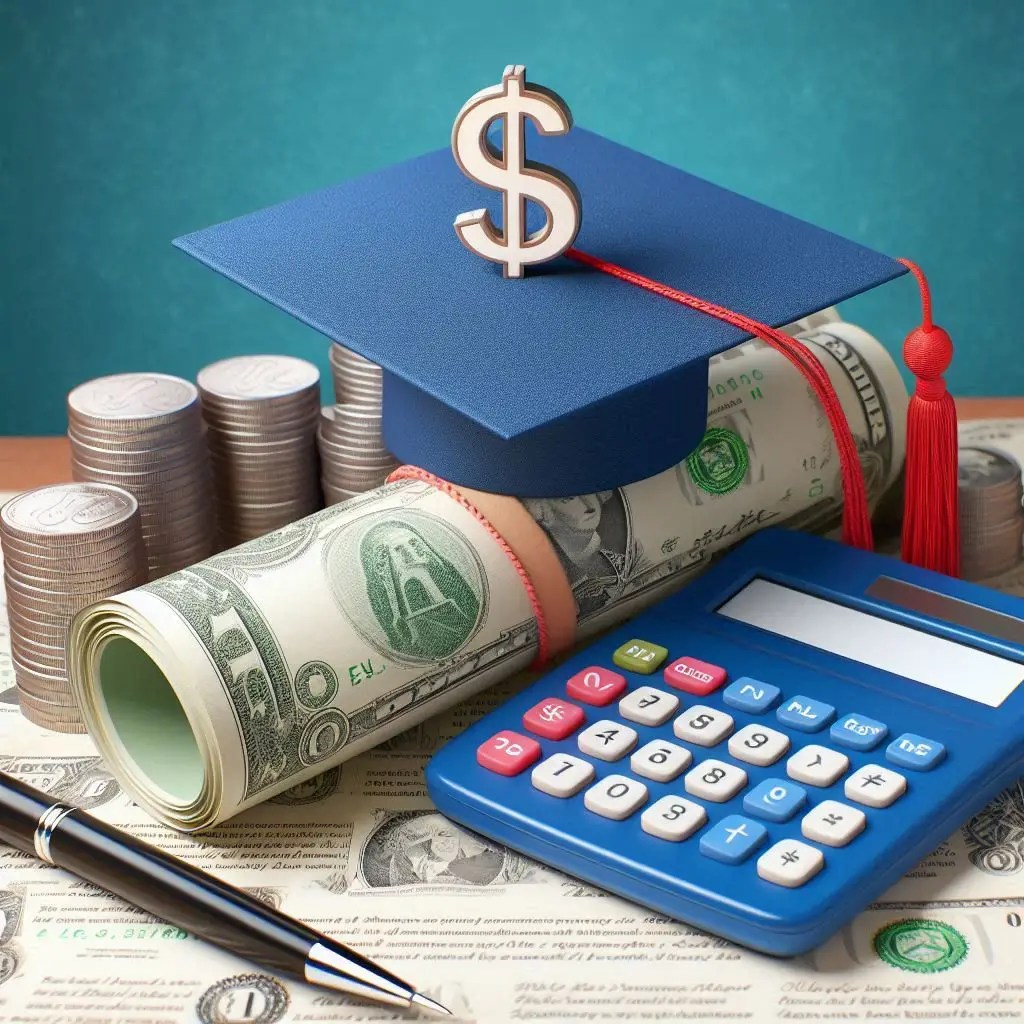
The cost of a college degree has become prohibitive for many families – even at state schools. And many universities have gotten comfortable with the traditional model of academia, which may now not be economically viable. (#5)
I love my undergrad alma mater – Oregon State University. I learned how to live and interact with others, contribute in group settings and got an excellent liberal arts education which made me a more enlightened person. (And prepared me for graduate school…!) (#6 – #7)
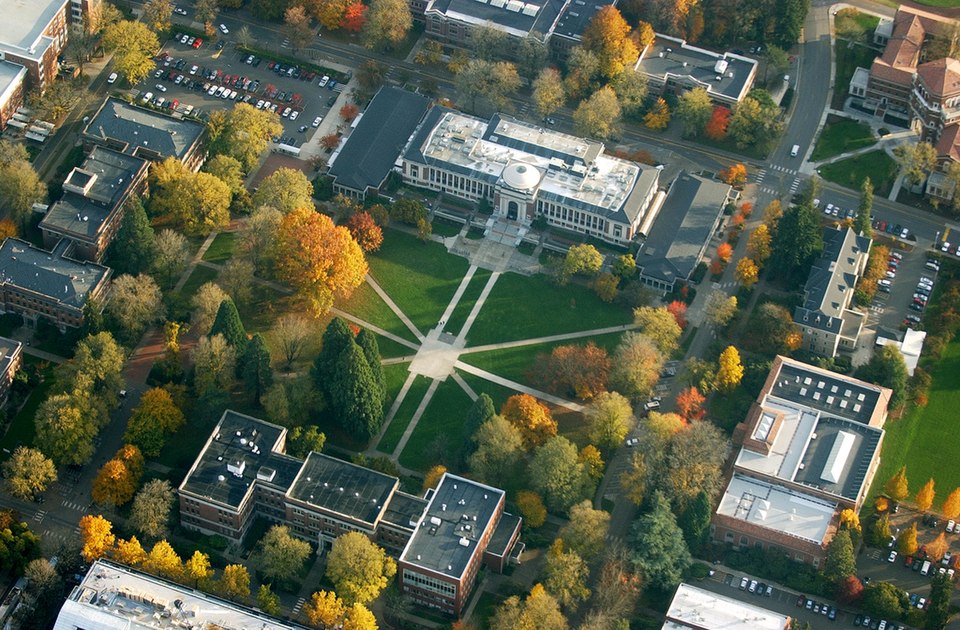
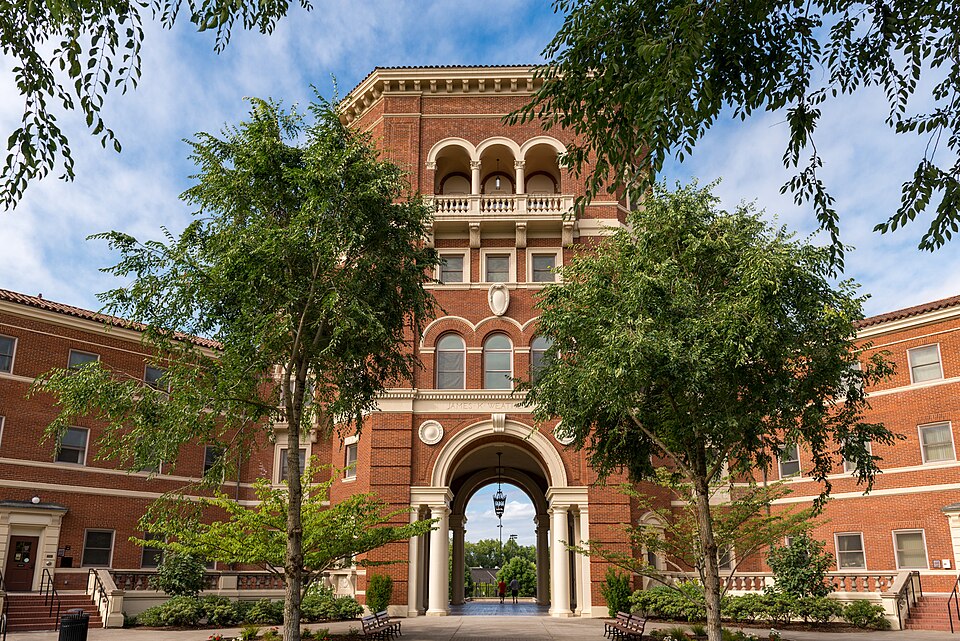
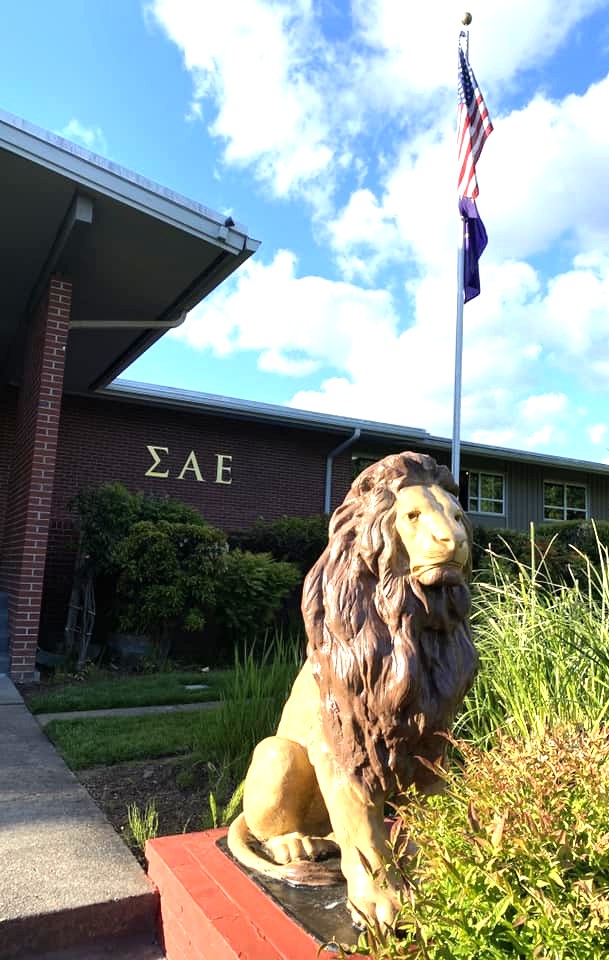
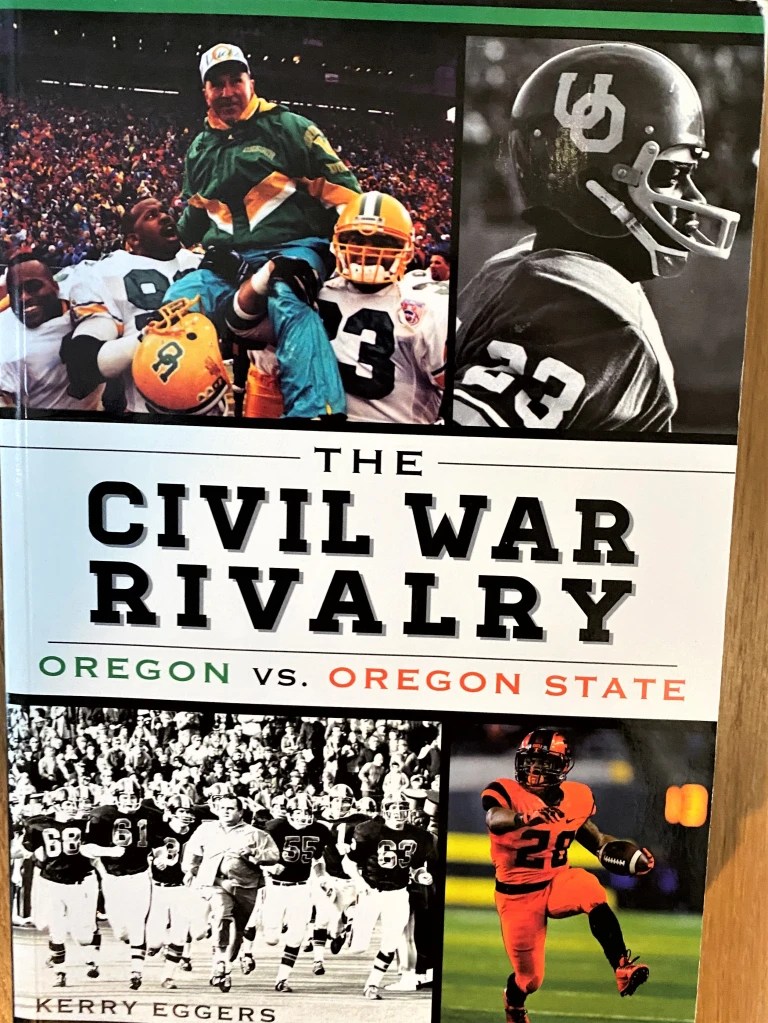
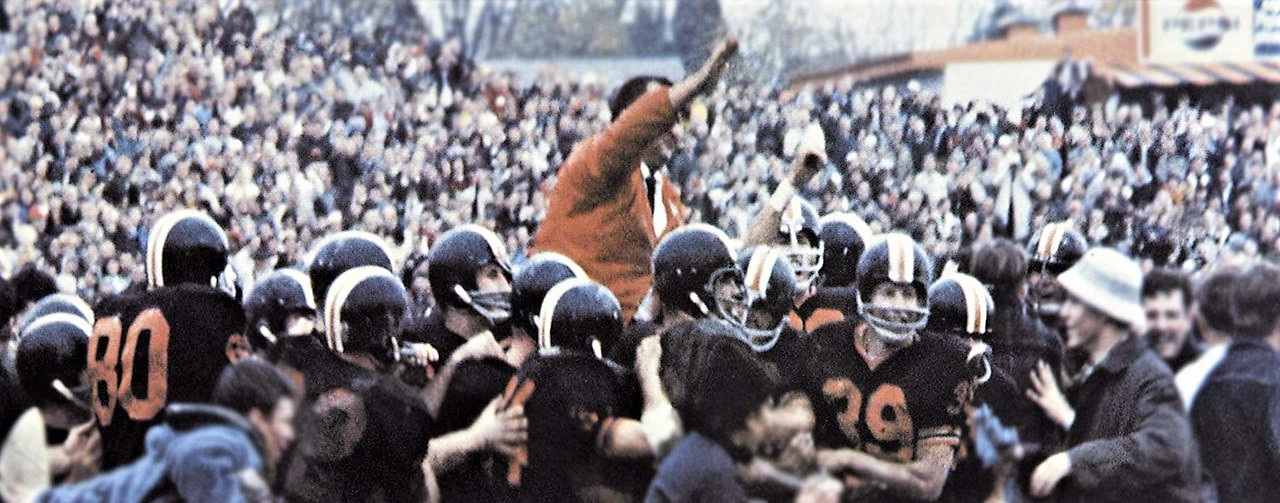
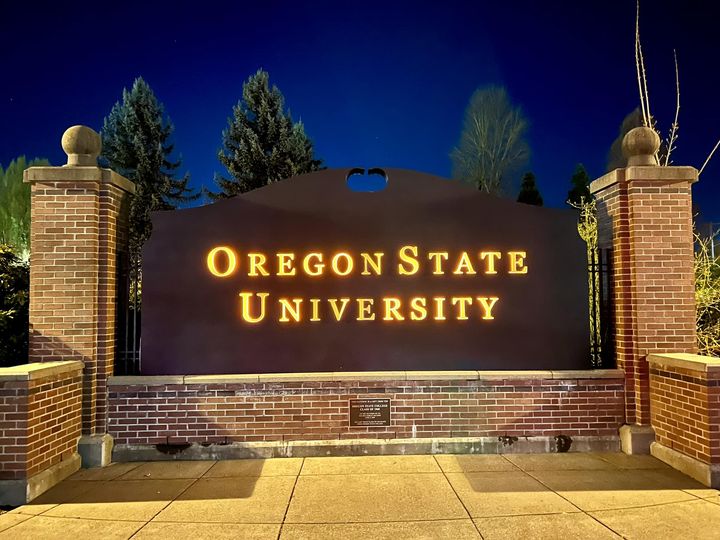
Oregon State is an excellent engineering, forestry and oceanography school (as well as having an innovative Fermentation Science Program) and also provides a decent liberal arts and business curriculum.
That’s one reason a recent news story in Oregon Live entitled “Oregon State professor teaches punk, horror – and Taylor Swift.” really irritated me.
“‘I thrive in trying and doing,’ he said, ‘and getting feedback and trying again.’ The 41-year-old brings the same mindset to his classroom. (The professor) said he values ‘co-creation’ over traditional teaching doctrine – not teaching down to students but learning alongside them’…. (emphasis added)
And in his other classes on punk music and Taylor Swift, he has students create ‘zines,’ scrappy anti-establishment pamphlets crafted with anything at hand, as a way to learn a do-it-yourself creative philosophy.”
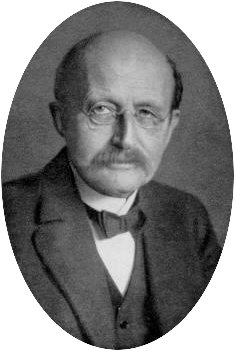
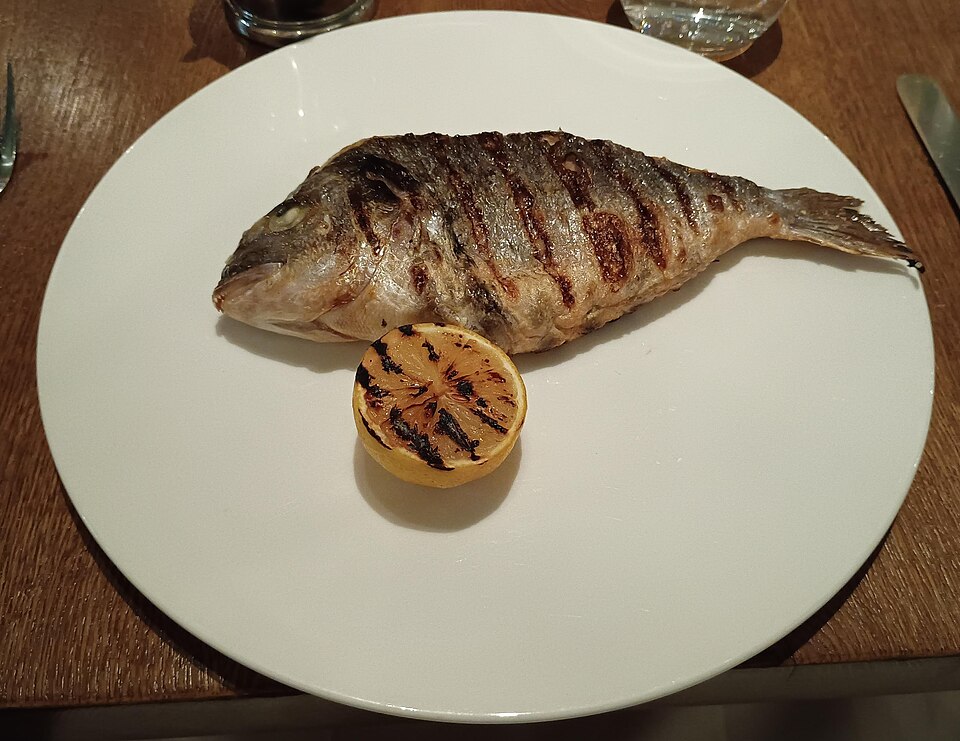
Some university research also raises questions such as the objectives of a 2025 study published in The Guardian at the Max Planck Institute of Animal Behavior in Germany – one of eighty independent, non-profit research institutes.
They are funded by the German state and federal governments:
“Wild fish (bream) can tell people apart – at least when they are wearing different-coloured outfits – researchers have found in a study they say could shift our relationship with the creatures….The researchers carried out 30 trials for each (differently colored) outfit and used video recordings to count the number of fish following each diver.
(Researcher Maëlan)Tomasek added that the study could prompt us to reconsider the way we treat fish, including whether to kill and eat them. ‘It’s very human to not want to care about them, but the fact that they can care about us, maybe it’s time that we can care about them, too,’ he said.”
I don’t know much about Max Planck other than he was a German theoretical physicist who won a Nobel Prize in Physics. I kind of wonder if he would approve of a study like this.
Might it also be a large inferential leap to assume that because a fish follows a guy wearing a red shirt, that it has an emotional attachment? I would also not be hesitant to eat a fish who prefers orange and black to green and yellow.
Conversely…
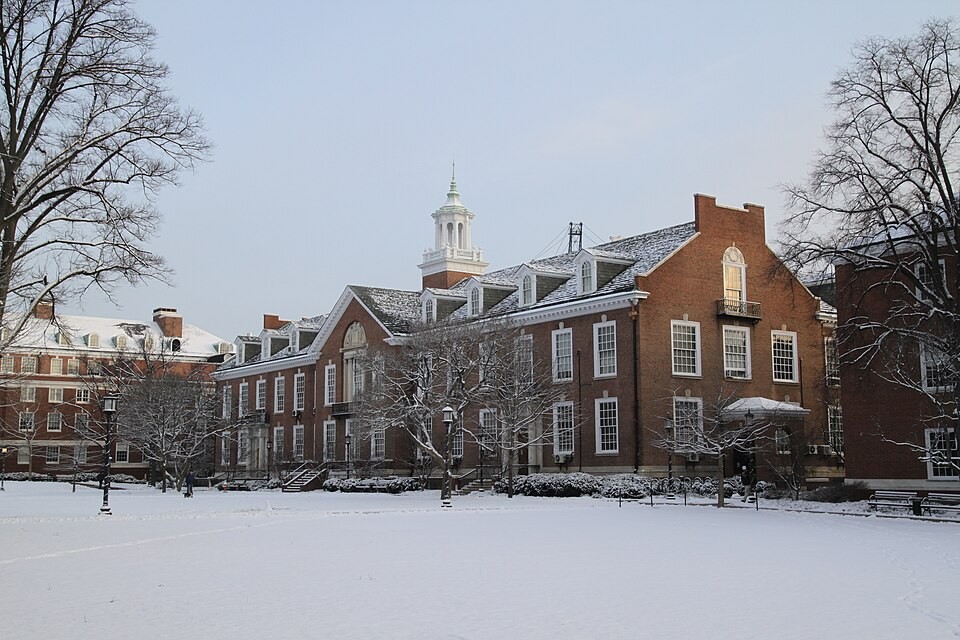
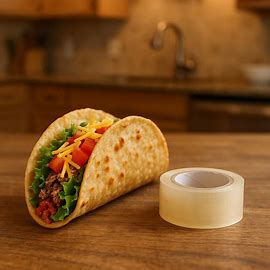
When I initially read the headline “Edible tape invented to stop your burrito from falling apart” – a project by students at Johns Hopkins University School of Engineering, I thought “Here we go Again!”
“Four US engineering students were brainstorming the perfect invention for their product design course, when lunch inspiration – literally – fell into their laps. ‘Erin was eating a burrito and the tortilla opened all over her,’ one of the four, Tyler Guarino tells CNN.
‘It hit her then – this is a problem that we can solve…. We tested about 50 different formulations’ before finding the winning ‘Tastee Tape’ recipe, Guarino says.” (#10 – #12)
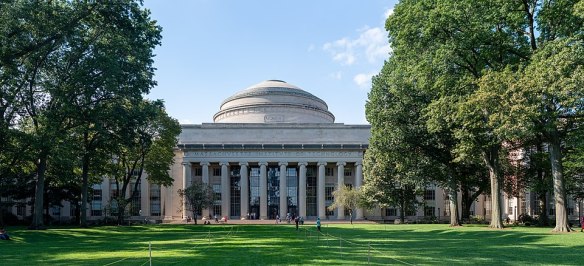
Now maybe it pays to keep cynicism about the impact of research in check, because when I checked further, I found that their counterparts at MIT had already taken it a step further as explained in a 2022 article: “Engineers develop surgical ‘duct tape’ as an alternative to sutures”
“In numerous experiments, the team has shown the patch can be quickly stuck to large tears and punctures in the colon, stomach, and intestines of various animal models.
The adhesive binds strongly to tissues within several seconds and holds for over a month. Once an injury is fully healed, the patch gradually degrades without causing inflammation or sticking to surrounding tissues.” (#13)
I didn’t check to see if their invention had been implemented in operating rooms – for either people or fish.
You’re Going to be Sick of Winning..???
I was going to leave it there but couldn’t resist quoting two more studies on the same concept that make me wonder how some researchers feel about the practical value of their studies to society.
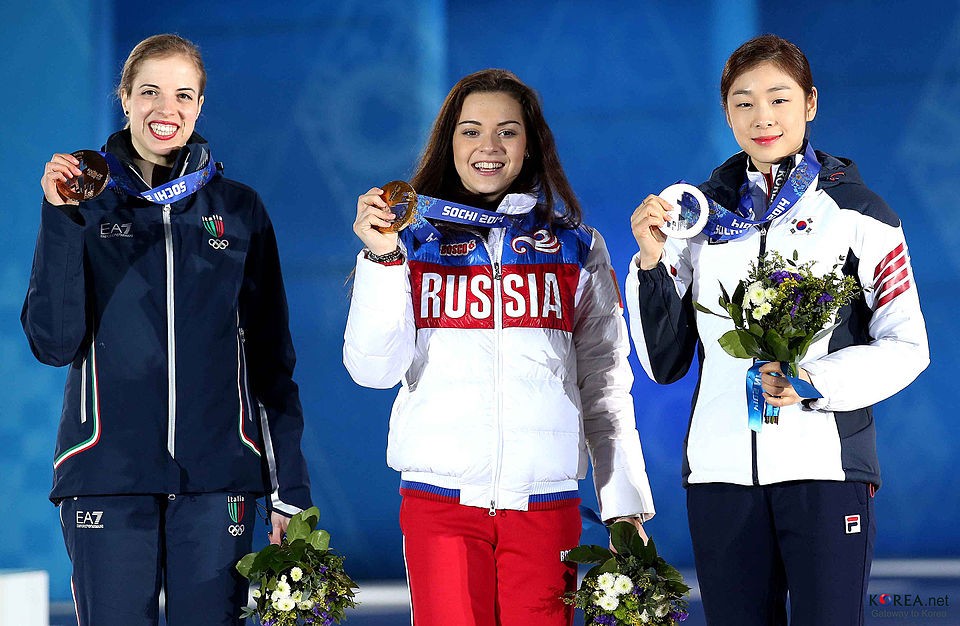
In 2021, “University of Iowa research finds bronze medalists happier than those with silver.”
“To analyze the photos, the research team used software capable of reading facial expressions by the shapes and positions of mouths, eyes, eyebrows, noses and other facial features. (An assistant professor of marketing noted) ‘A spectator might be inclined to praise a silver medal performance. But for a lot of people, that might not feel like a win.” (#14)
What’s in a Smile?
Now in the AI study above reviewing photos of 413 athletes at medal ceremonies from 142 Olympic track and field events between 2000 and 2016, the conclusion was reached strictly by analyzing facial expressions.
You should be comforted that another marketing professor did her research – this study based on simulations.
“…according to Monica Wadhwa, marketing professor at Temple University’s Fox School of Business in Philadelphia, ‘not winning is, in fact, more powerful than winning.’ She has spent nearly a decade researching this seemingly paradoxical idea, motivated by her childhood experiences.”
And unfortunately, my daughters are now adults, and I didn’t have the benefit of her advice to parents. To wit: “When kids lose – whether in sports or in school – point out to them how close they came to winning.”
Sideways
In my last post, I talked about the acceleration of change in society and trends which affect our daily lives in ever-increasing rapidity. I think these next trends are probably good; however, it may take some adjustment on my part.
I’m talking about both the use of semicolons and spaces after a period. According to the 5/22/25 Morning Brew:
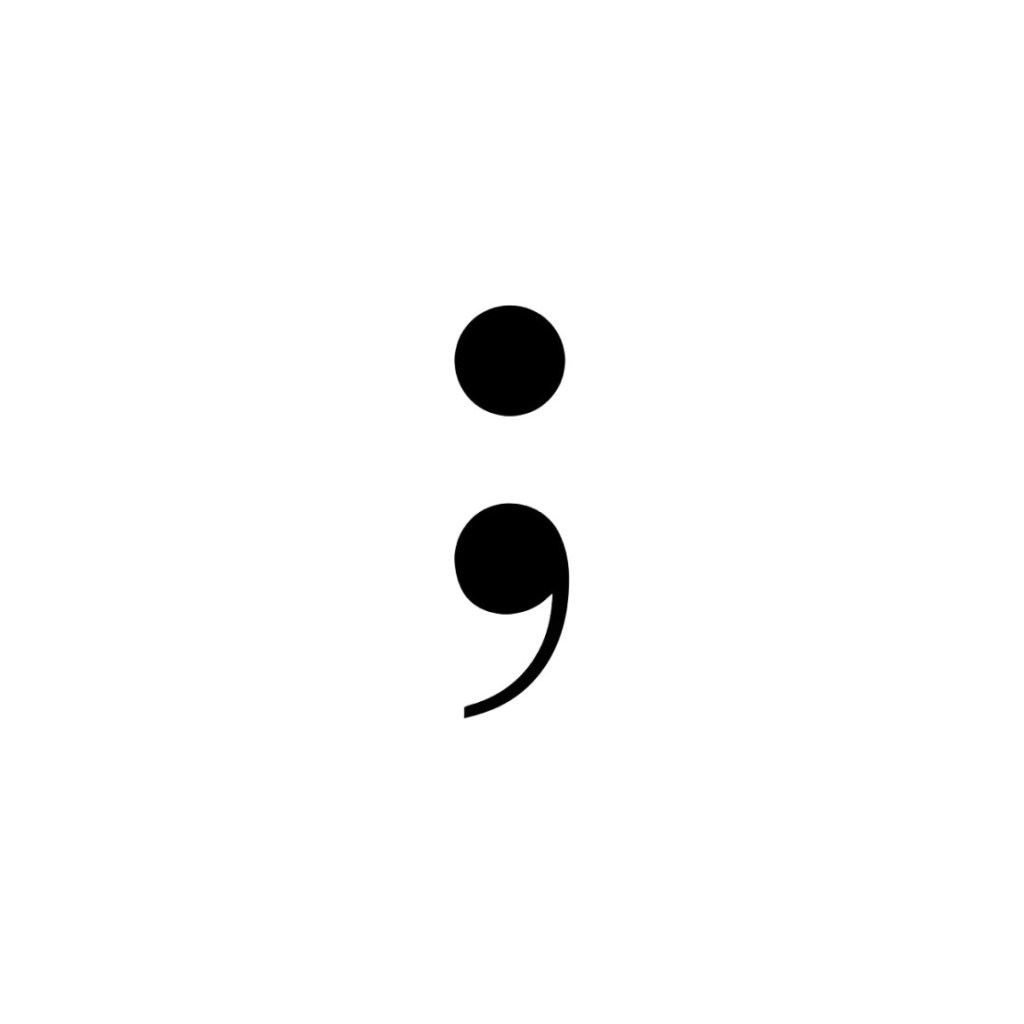
“The punctuation mark that makes you feel pretentious even when you somehow manage to use it correctly is rapidly becoming passé. The semicolon’s usage in English books has plunged by almost half in the last two decades, from 1 in every 205 words in 2000 to 1 in 390 today, the Guardian reported…
These days, it’s probably found more often in computer programming and tattoos than in text.” (emphasis added)
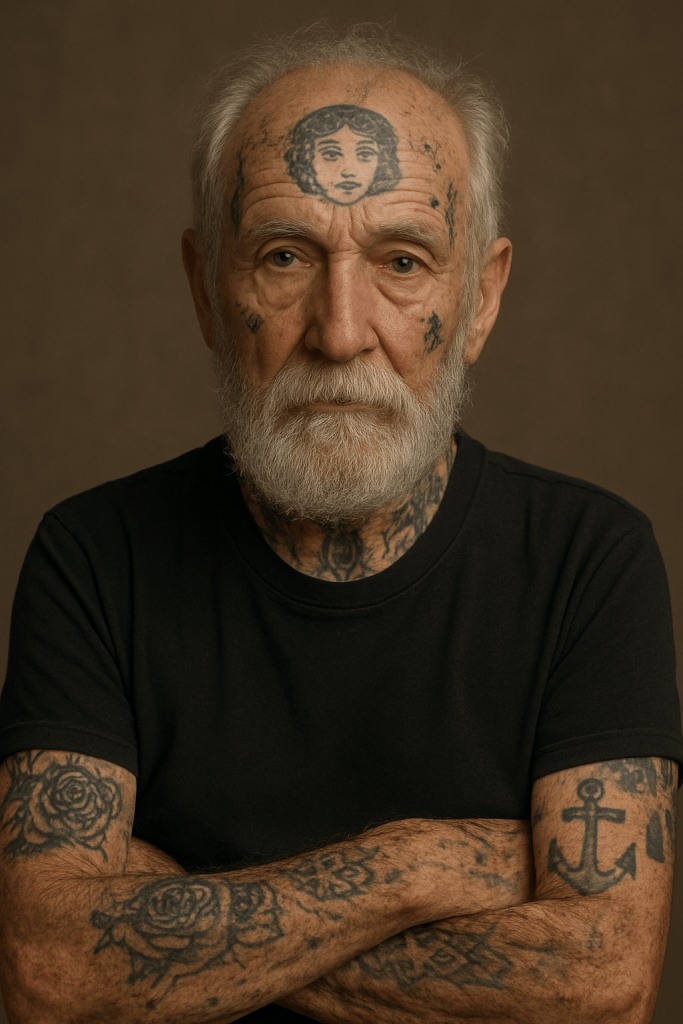
That brought to mind one jokester’s comment about change stating, “In fifteen years, we’re going to have to get used to seeing a lot of really old people walking around with tattoos.” (#15 – #17)

I’ve always put two spaces after the period at the end of a sentence. I was taught that in two years of high school typing – one of the most useful classes I’ve ever taken and one that I took because I wanted to date a girl who was taking the class. (I did.)
According to a recent article by MasterClass.com:
“The overwhelming majority of contemporary style guides and word processors advise using a single space between typed sentences. When in doubt, use single spacing in research papers, essays, and your creative writing. This is true regardless of whether your sentence ends in a period, a question mark, or some other form of punctuation….
The debate over the number of spaces has waned over the years, but some adherents to the two-space convention (known as ‘two-spacers’) argue the extra space signals the end of a complete thought more effectively.”
Now I’m behind the times since the 2019 American Psychological Association Style Guide reflected the change. I didn’t check to see if they did any research on the emotional impact of being a “two spacer.” I’ve made an effort to reflect the punction change in this post although I’m not going to do a detailed check.
If you don’t like that, go ahead and sue me – my transition to the conclusion of this long post with a lawyer joke – a rhetorical question and remember. I loved working with lawyers:
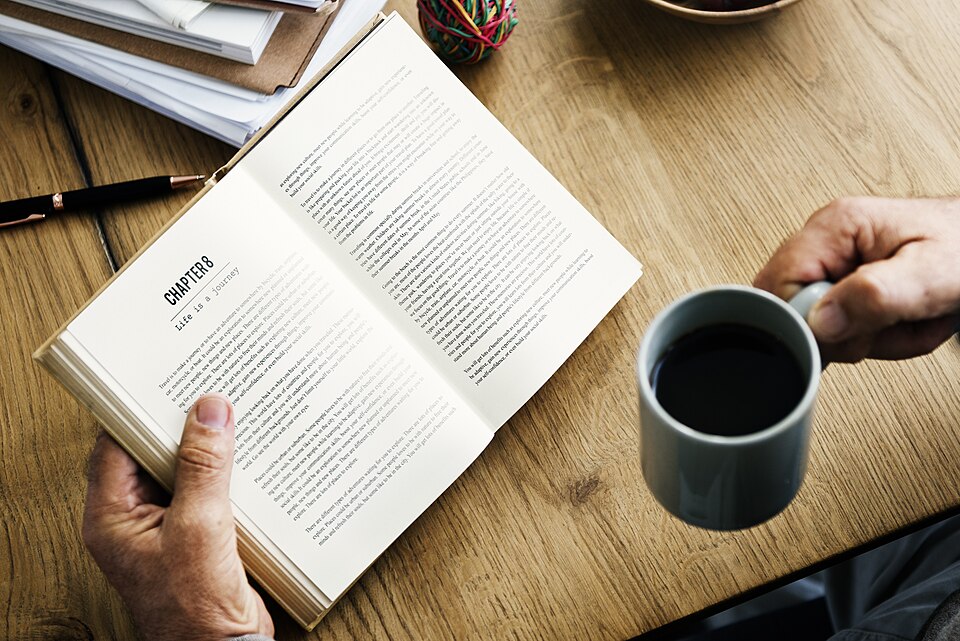
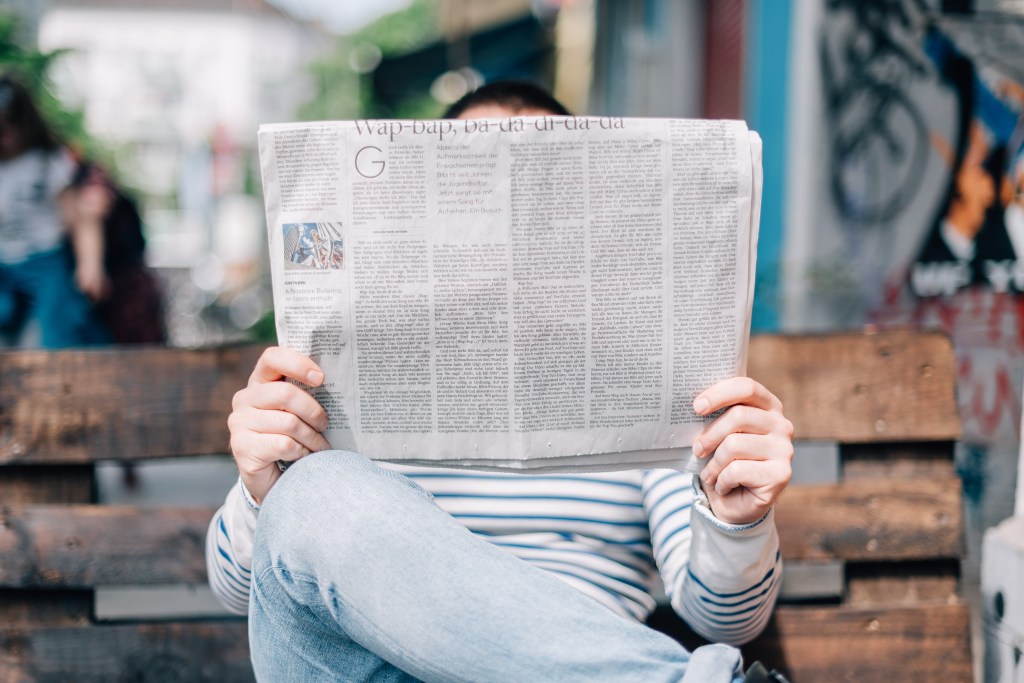
“If an IRS auditor and a lawyer were both floundering in the surf and you could save only one, would you go to coffee or read the newspaper?” (#18 – #19)
Cheers
#1. Wikimedia Commons (https://commons.wikimedia.org/wiki/File:Arrow_slim_up.svg) This file is licensed under (https://creativecommons.org/publicdomain/zero/1.0/deed.en. Author: Wenflou – 20 August 2022.
#2. Wikimedia Commons (File:Arrow slim down.svg – Wikimedia Commons) This file is made available under the https://creativecommons.org/publicdomain/zero/1.0/deed.en. Author: Wenflou – 20 August 2022.
#3. Wikimedia Commons (File:Sideways Arrow Icon.svg – Wikimedia Commons) This file is licensed under the Creative Commons Attribution-Share Alike 3.0 Unported license. Subject to disclaimers. Attribution: Riley Huntley at the English-language Wikipedia. 29 August 2012.
#4, Public Domain – Wikimedia Commons (File:Alaska-737-4QB-YVR.jpg – Wikimedia Commons) Author: Makaristos – 22 May 2008.
#5. AI Image Generator (Bing Image Creator).
#6. Wikimedia Commons (File:Corvallis, Oregon State University – DPLA – 20466127df16e7e71103ee1bfd3343bb.jpg – Wikimedia Commons). Licensed under the Creative Commons Attribution 4.0 International license. Author: Gary Halvorson, Oregon State Archives – 15 August 2015.
#7. Wikimedia Commons (File:OSU by air.jpg – Wikimedia Commons) Licensed under the Creative Commons Attribution 2.0 Generic license. Author: saml123 – 26 May 2008.
#8. Wikimedia Commons (File:Max Planck.png – Wikimedia Commons) Licensed under the Creative Commons Attribution-Share Alike 3.0 Unported license. Author: Courtesy of the Clendening History of Medicine Library, University of Kansas Medical Center – 17 December 2009.
#9. Wikimedia Commons (File:South Coast Sea Bream – Fish Market – New Street – London 2025-02-14.jpg – Wikimedia Commons) Licensed under the Creative Commons Attribution-Share Alike 2.0 Generic license. Author: Haydn Blackey – 14 February 2025.
#10. Wikimedia Commons (File:Maryland Hall, Johns Hopkins University, Jan 2011.jpg – Wikimedia Commons) Licensed under the Creative Commons Attribution-Share Alike 3.0 Unported license. Author: Cvenghaus – 11 January 2012.
#11. Artificial Intelligence (https://www.bing.com/images/create/image-of-a-taco-next-to-some-clear-adhesive-tape/1-68b28c80361f4a7dbb5eff9d322359d2?mdl=1&ar=1&FORM=GENCRE)
#12. Wikimedia Commons (File:Chemistry Laboratory RMIT Building 7.jpg – Wikimedia Commons) Licensed under the Creative Commons Attribution-Share Alike 3.0 Unported license. Author: Ozarch – 4 April 2012.
#13. Wikimedia Commons (File:Great Dome, Massachusetts Institute of Technology, Aug 2019.jpg – Wikimedia Commons) Licensed under the Creative Commons Attribution-Share Alike 3.0 Unported license. Author: Mys 721tx – 30 August 2019.
#14. Wikimedia Commons (File:Korea Kim Yuna Sochi Medal Ceremony 05.jpg – Wikimedia Commons) Licensed under the Creative Commons Attribution-Share Alike 2.0 Generic license. Attribution: Korean Culture and Information Service (Korean Olympic Committee) – 22 February 2014.
#15. Wikimedia Commons (https://upload.wikimedia.org/wikipedia/commons/4/4a/Semicolon_Art.jpg) Licensed under the Creative Commons Attribution 4.0 International license. Author: Altair Netraphim – 15 June 2022.
#16. ChatGPT Image Generator (https://chatgpt.com/c/68b38aac-a2ec-832a-8585-472da6ae4384).
#17. Wikimedia Commons (File:Syriac sublinear full stop (Estrangelo form).svg – Wikimedia Commons). Licensed under the Creative Commons Attribution-Share Alike 4.0 International license. Author: Unknown – 19 June 2022.
#18. Public Domain – Wikimedia Commons – (File:Person reading a newspaper (Unsplash).jpg – Wikimedia Commons) This file is made available under the Creative Commons CC0 1.0 Universal Public Domain Dedication. Author: Roman Kraft – 17 May 2017.
#19. Public Domain – Wikimedia Commons (File:Reading in Bangkok (Unsplash).jpg – Wikimedia Commons) This file is made available under the Creative Commons CC0 1.0 Universal Public Domain Dedication. Author: rawpixel.com rawpixel – January 2017.


.svg)
.jpg)
.jpg)
Nice touch with the treats on the plane. Always a bit of apprehension when you are seated near a toddler but sounds like it worked out well for you.
LikeLiked by 1 person