Lawyers Continued: Summer Associates – Part I

In an August 2020 blog post I did an initial tribute to attorneys naming them Beerchaser-of-the – Quarter – Part I.   This was based on my forty years working with them – not as a lawyer, but as a legal manager.  After working with lawyers at both Clackamas County and the Oregon State Bar, the last twenty-five years of my career were spent at the Northwest Regional law firm, Schwabe Williamson & Wyatt.

259913_192824340769353_4183453_n

While first serving as Business Manager, I retired after twelve years as the Chief Operating Officer of this 150 lawyer firm headquartered in Portland, Oregon which then had four branch offices, the primary one being in Seattle. (Oh yes, for awhile, we also had a lobbyist in Washington, DC. as well.) My beerchasing hobby started in August 2011, eight months after I retired.

Herding

Herding Cats – A retirement present – Look at the label on the bottles!

While most people really like their own lawyer, the group as a whole, seldom receives accolades and is often subject to stereo-typical and often pejorative labels.  

As is true in any profession, I know that a number of attorneys are egotistical jerks, flaunt the ethics of the profession and would not be good drinking companions.  That said, my 40+ years working with lawyers in three different organizations were rewarding and an opportunity to interact with ethical, smart, dedicated advocates who have amazing work ethics and elevated senses of humor.  Many cherished friendships resulted.
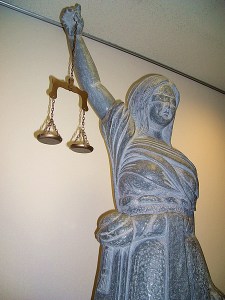
Wikipedia - Public Domain

“It is the trade of lawyers to question everything, yield nothing and talk by the hour.” *1

(*1  Attribution for the photos not taken by Don Williams is at the end of this post.)

Below, you will glean some information about the amazing backgrounds, and without exaggeration, the incredible talents and abilities of the law students who would seek employment at Schwabe and other firms during the summers of their first two years at law school.  While we also hired both new lawyers and lateral attorneys who hadn’t gone through the summer associate program, it was the best source of new lawyers.

If they performed well during those summers and had positive personal interactions with attorneys and staff, they would be offered a job at the firm when they graduated contingent on their passage of the State Bar in their jurisdiction.

Competition among law firms was intense for the best students as these were the future of the firm.   And the law students also went into overdrive to get a cherished clerkship. A small number would eventually make it to partner – usually after about seven years – and others would enhance the economics of the firm and be esteemed colleagues until they moved on.  And while everyone worked hard, Schwabe was a very collegial firm with a great culture.

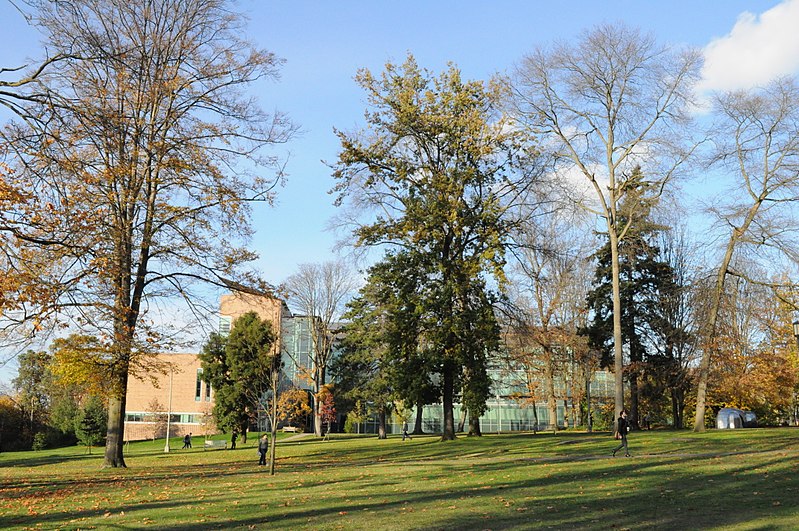
During the 1970’s and until economics and the changing practice of law dictated otherwise, we recruited by sending two of our lawyers to the top law schools to interview prospects on campus.  Most, besides Stanford, were on the east coast including the Ivy League Schools, the University of Virginia and the University of Michigan (shown in the photo above).

If they were selected and chose our firm, the law students would spend the next one or two summers in Portland or Seattle demonstrating that they could explain the nuances of such stimulating topics as the Rule of Perpetuities or the five factors considered under the Daubert Standard, work well with others and that they had the personality and drive to ultimately bring in new clients.
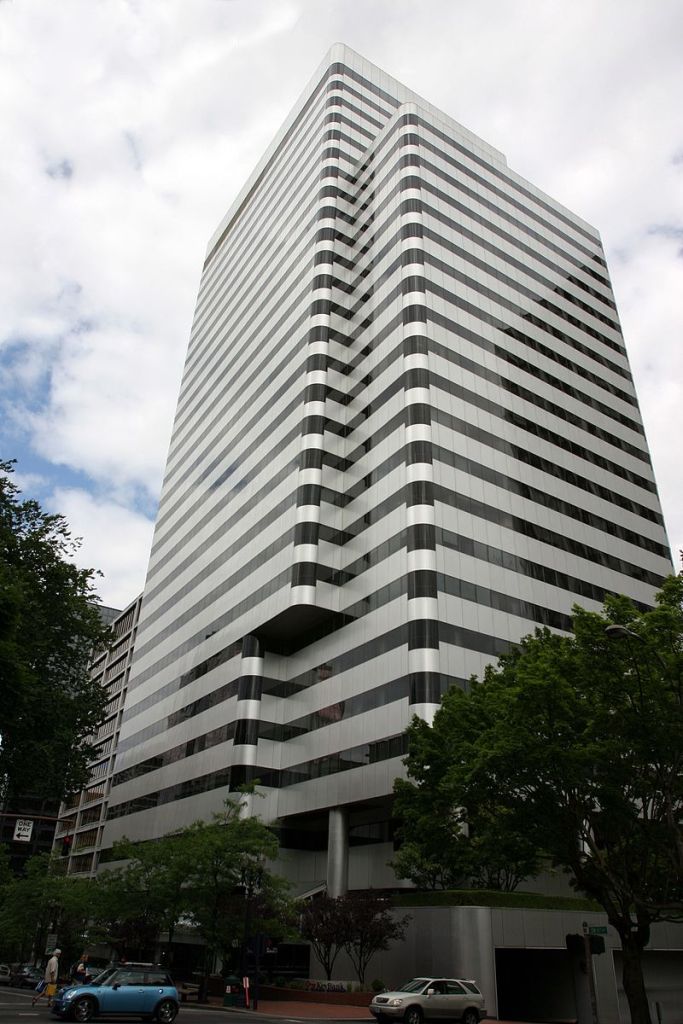
For the most part, we ended this expensive east coast recruiting  practice in the first decade of the new millennium, realizing that most of the top students at these schools would take clerkships at the Wall Street firms or the mega-firms on the east coast where beginning associates who essentially had very limited experience would be making well over $100,000 per year (+ bonuses) even then!

Concurrently, we realized that those who excelled at good law schools in the Northwest might not have the sterling academic pedigree, but were just as smart and motivated as Ivy League stock.  Besides, they often had relationships with people on the West Coast that could become good clients.

These “kids” had a good situation.  Once they got to the firm, they were wined and dined at lunch and dinner, participated in lawyer-league athletics, got a lot of hands-on mentoring and attended professional sporting events and concerts where they had great tickets.   They were also paid extremely well for their efforts which did not require inordinate working hours.  (They would encounter these if they became associates……)

Before they arrived, we had them complete detailed questionnaires on their interests, experience, talents, etc. – information which probably didn’t arise in the personal interviews on campus where they were selected.  This was so the people at the firm would be able to get acquainted more quickly.  When they arrived in early June, we also gave them an all-day orientation about what to expect and tips on how to be successful.

Based on assertion in the memorable epigraph by eighteenth century English essayist and poet, Charles Lamb, at the beginning of To Kill a Mockingbird, I decided that for my thirty minute orientation spiel, rather than bore them talking about firm Management, I’d tell them a little about their summer associate colleagues – their lives and activities outside of law school and before they decided on that academic route.
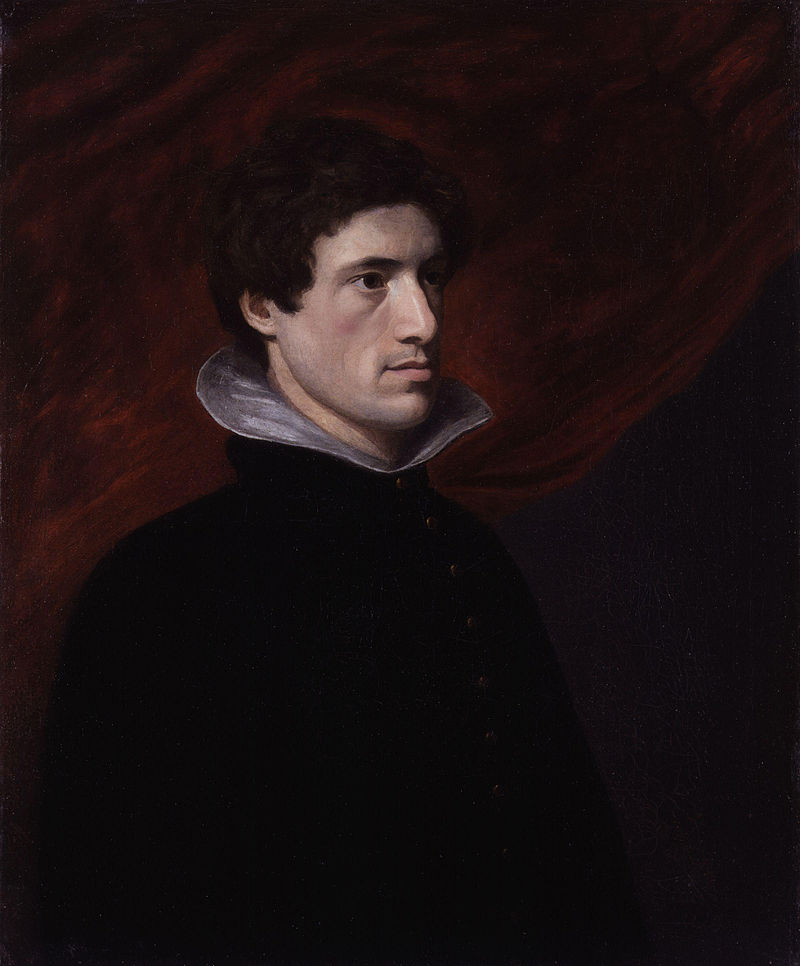
 

Charles Lamb

Lawyers, I suppose, were children once. *8

Who were these elite students sitting beside them (or on video link from Seattle) and what made them interesting and worth joining at a bar after work for a pint of IPA?  For many years during the heyday of legal economics, we would hire about fifteen clerks each summer.

Most of these wiz-kids did very well and unlike at some big firms where they would cull substantially, Schwabe made associate offers to about 85% of its summer clerks and our acceptance rate was very high.  (It should be added that law would be a second career for a number of these individuals or they had worked for a period between college and law school.)

(Note:  With the pandemic, most of the summer associate programs were temporarily discontinued and before that, law firm economics significantly reduced the number of summer clerks in many firms to single digits.)

Below, I have combined the data on the summer associate classes at Schwabe for a three-year span (2005 and 2007-8.  I either lost the file for 2006 or they were a boring class.)  I think this will demonstrate the exceptional nature of these young students. 

I have to add, that based on their accomplishments, while one might expect them to be very confident and brash, they as a group, were almost without exception, well-rounded, modest and very personable.

Languages besides English

Spanish, French, Chinese, Italian, Hindi, Korean, Russian, Cantonese, Mandarin Chinese, Persian (just learning….), Basque and Pig Latin (we loved this guy!).

Previous summer jobs or occupations

Waiter/waitress, receptionist, paralegal, English teacher, reporter (once interviewed Toni Braxton and Santana), AV technician, college admission counselor, life insurance sales (80-hour weeks for twelve weeks with top sales awards), risk analyst, consultant, co-director of Victoria Secret store.

Manager, engineer, barista, quality assurance analyst (in a waste treatment plant?!), UPS worker, chauffer, church youth director, customs broker, computer network engineer, manager of a wilderness backpacking firm, semi-pro football player, survey researcher (tracked Wisconsin vendors who sold tobacco to minors), Russian interpreter (dealt with international trade and environmental matters), high school vice principal of discipline and supervision, business manager at Party City.

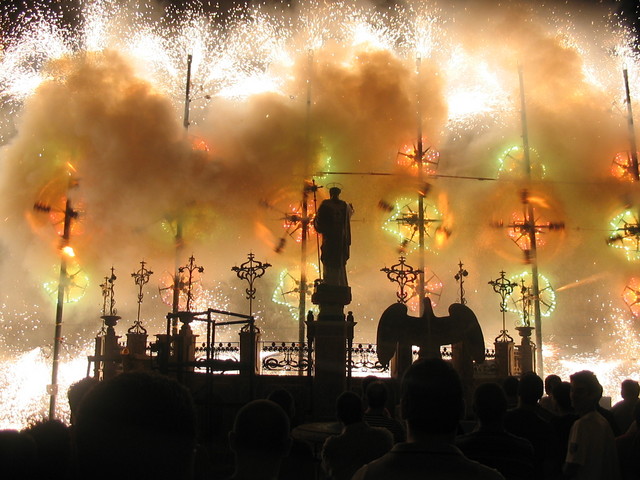
High school chemistry teacher, credit risk analyst, personal banker, grass seed farmer, jewelry salesperson, drugstore clerk, general manager of Fun-time Fireworks, fire prevention specialist (coordinated Smokey the Bear appearances).  Fortunately, there were no sparks and we did not have to mediate any disputes between the fire prevention specialist and the manager of the fireworks operation.  

This post is getting too long and the other categories for which I have data were also very interesting and I’ll cover these in my next post.  So stay tune.  They include sports in which they participated, hobbies and interests, past volunteer or civic activities, education besides law school and foods they liked – or wanted to avoid.  Remember, they got to dine out just about every day because it was a good chance for our lawyers to meet them and see how they acted in an informal setting.  

I want to conclude this post, however, with a letter from one law school student – not from the summer associate program but who applied for a job upon his future graduation from law school.   

He was from a very good law school in the Midwest and his letter was unforgettable – at least to me – which is why I’ve kept it in my archives for thirty years.  The internet is a marvelous research tool and I have to admit that I did a successful search for the author of this missive.

I’ve decided to black out his name and most of the details although my instinct is that this guy just had a dry sense of humor and was trying to remedy an embarrassing error with jocularity.  Unfortunately, he did not get hired.   

That said, he’s done well during the ensuing years.  After graduating from law school and passing the state and federal bars, he’s had an impressive career in legal education, legal professional associations and a stint as consultant for an international mega-firm.  He currently works at a university on the east coast.

After consulting with some of my attorney friends, I may actually call the guy, introduce myself and just ask him how this happened and his thoughts about this long-ago missive.   If he’s like most of the lawyers I know, he would laugh about it and we might ultimately end up having a beer together at some point.

Law clerk letter 1

Bad judgement or a dry sense of humor?

Photo Attributions

*1.  Public Domain – Wikimedia Commons – Lady Justice 

*2.  Public Domain – Wikimedia Commons – University of Michigan Law School

*3.  Public Domain – Wikimedia Commons – PacWest Center 

*4. Wikimedia Commons Creative Commons Attribution-Share Alike 3.0 Unported license.- US Bank Centre Seattle – Author: Cumulus Cloud – 8/1/2008

*5.  Public Domain – Wikimedia Commons – Willamette University College of Law

*6.  Wikimedia Commons – Creative Commons Attribution-Share Alike 3.0Lewis and Clark Law School – Author: lbcstud – 6/3/2014

*7.  Wikimedia Commons Creative Commons Attribution-Share Alike 3.0University of Washington Law School – Author: Joe Mabel – 8/11/2009

*8.  Public Domain – Wikimedia Commons – English Essayist and Poet Charles Lamb

*9.  Public Domain – Wikimedia Commons – Smokey the Bear

*10.  Public Domain – Wikimedia Commons – Fireworks show
Bar Culture – Part II

https://en.wikipedia.org/wiki/Test_tube#/media/File:Two_small_test_tubes_held_in_spring_clamps.jpg

(Welcome back to Thebeerchaser.  Since this is a long post, if you are seeing it through an e-mail, please visit the blog by clicking on the title above to see all of the photos and so the narrative is not clipped or shortened.)

In the last post on this blog, I captured one of the five questions posed by Cassie Ruud, Editor of the Portland online newsletter Bridgeliner in a 4/23 article on bar culture

Check out the link below to see Thebeerchaser post on which it was based, which includes a lot of great pictures illustrating the eclectic elements of bar culture I’ve witnessed in reviewing almost 400 bars and breweries in the last ten years:

https://thebeerchaser.com/2021/05/03/a-petri-dish-bar-culture-part-i/

28952038_177555996198699_7202016393145866019_n

This post will address the second question posed by Cassie in the Bridgeliner article entitled “The Foamy Culture of Portland Pubs with Beerchaser Don Williams.”

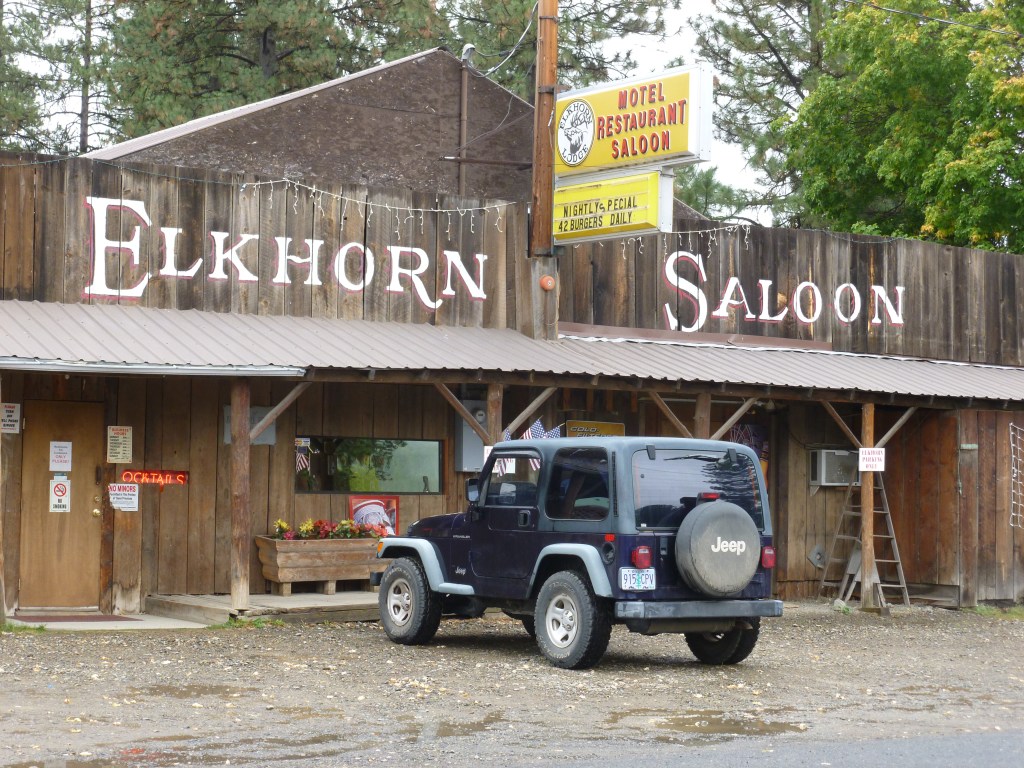
My major premise, based on personal experience, is that Portland bar culture doesn’t differ significantly from that of bars in Eastern Oregon, on the Oregon Coast, New England, Savannah or Charleston in the Southeastern US, or for that matter, Amsterdam or Venice.   

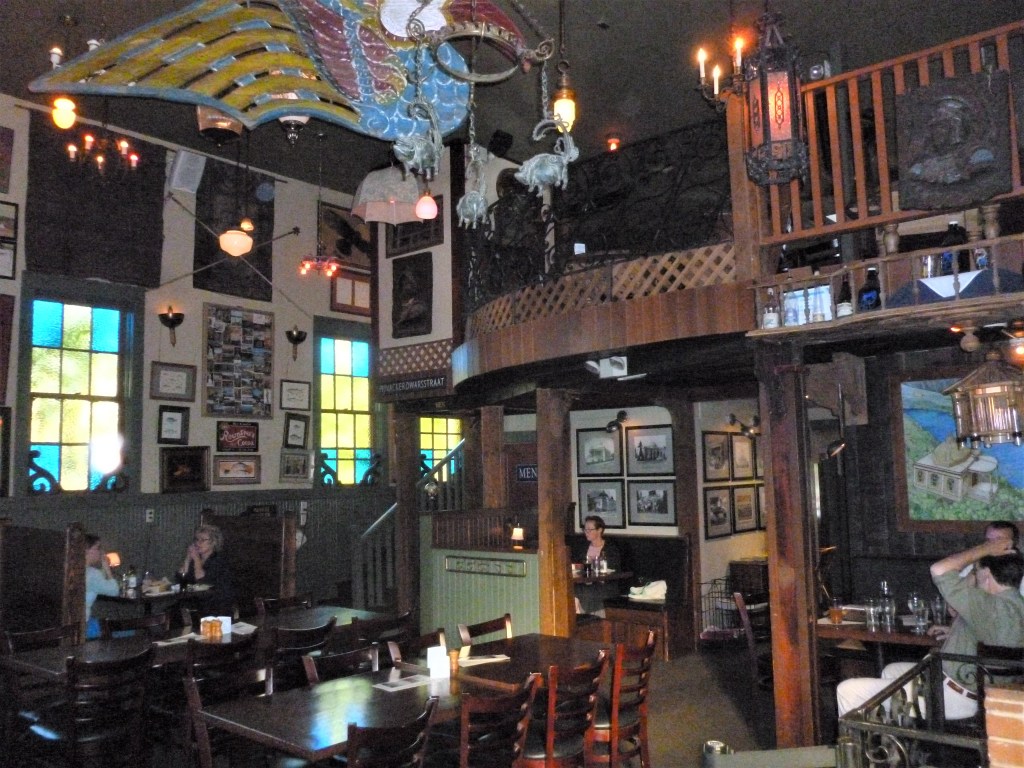
The pictures below illustrate my premise that while each bar has different and interesting external trappings, the overall culture of bars throughout the world – the abstract meld of all the elements ranging from furnishings to music to the unique blend of personalities of the staff and regulars – is shared in these establishments 

2018-09-09 18.16.07

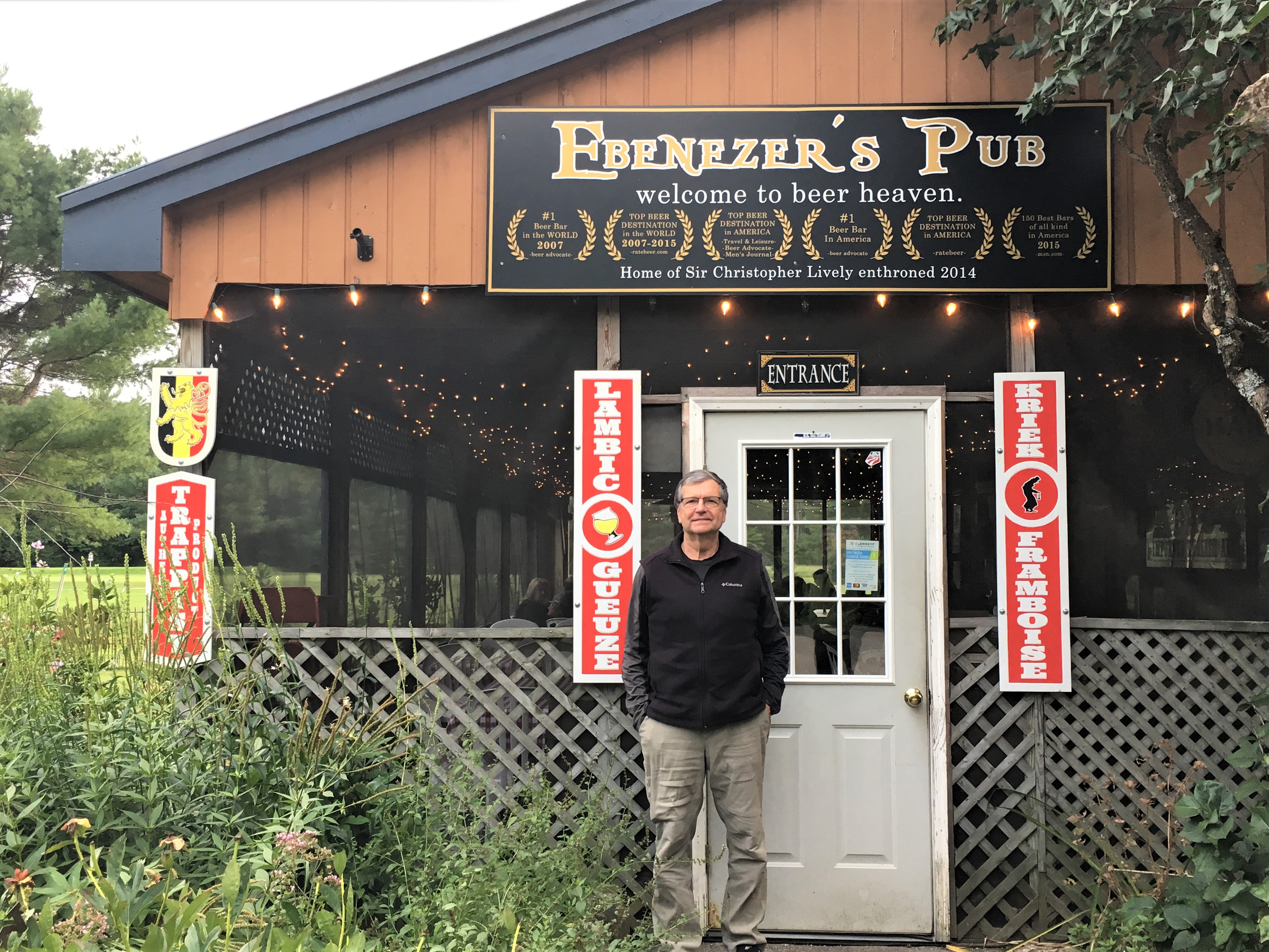
Ebenezer’s Pub in Lovell, Maine in 2018 where we entered Beer Heaven.

In the ten years I have been Beerchasing, I have been to almost 400 bars and breweries from my home in Portland, Oregon to watering holes throughout the state – the Eastern Oregon desert to the beautiful coast. 

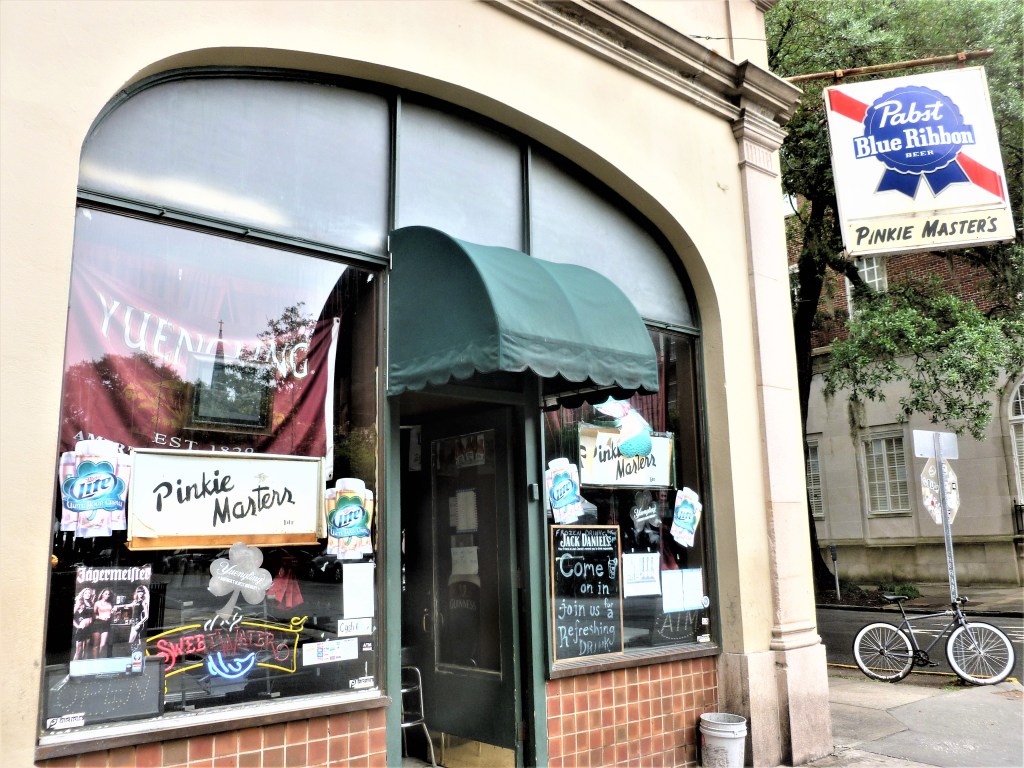
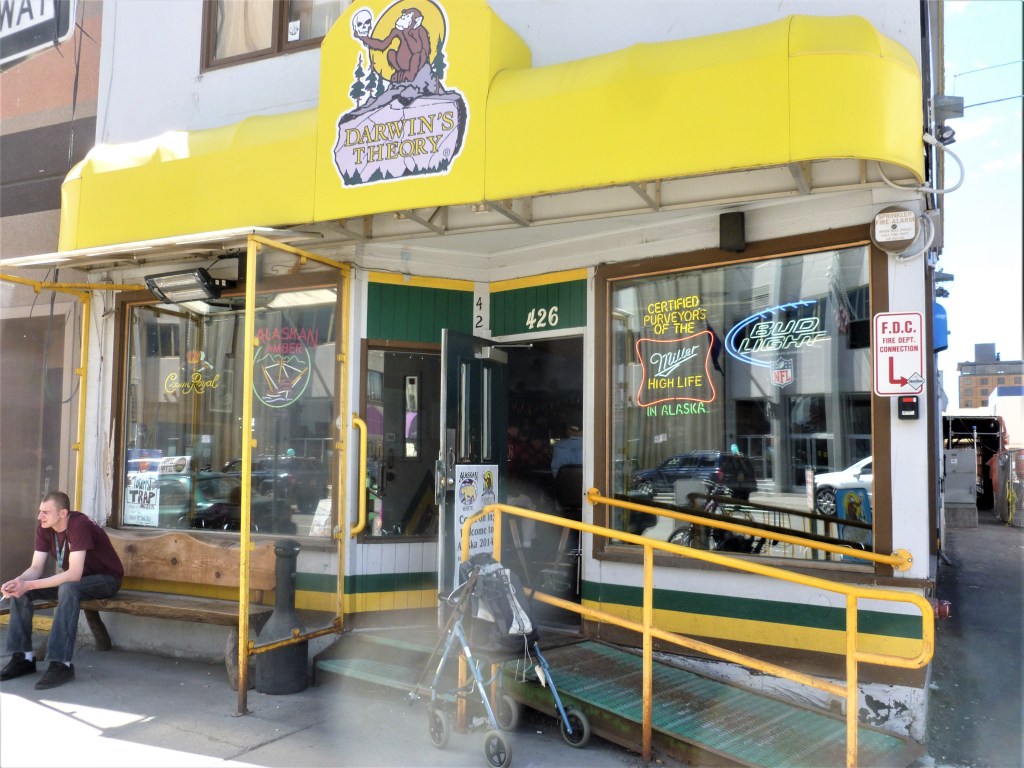
I visited bars like Darwin’s Theory in Anchorage, to those in the southeastern US from Charleston to Atlanta to Savannah, where at The Original Pinkie Masters bar shown in the picture below, the 3/4/13 edition of the Savannah Morning News reported:

“As the oldest running watering hole downtown and one made famous when President Jimmy Carter announced his candidacy while standing on the bar…..” 

I was welcomed in each and they all felt like home!

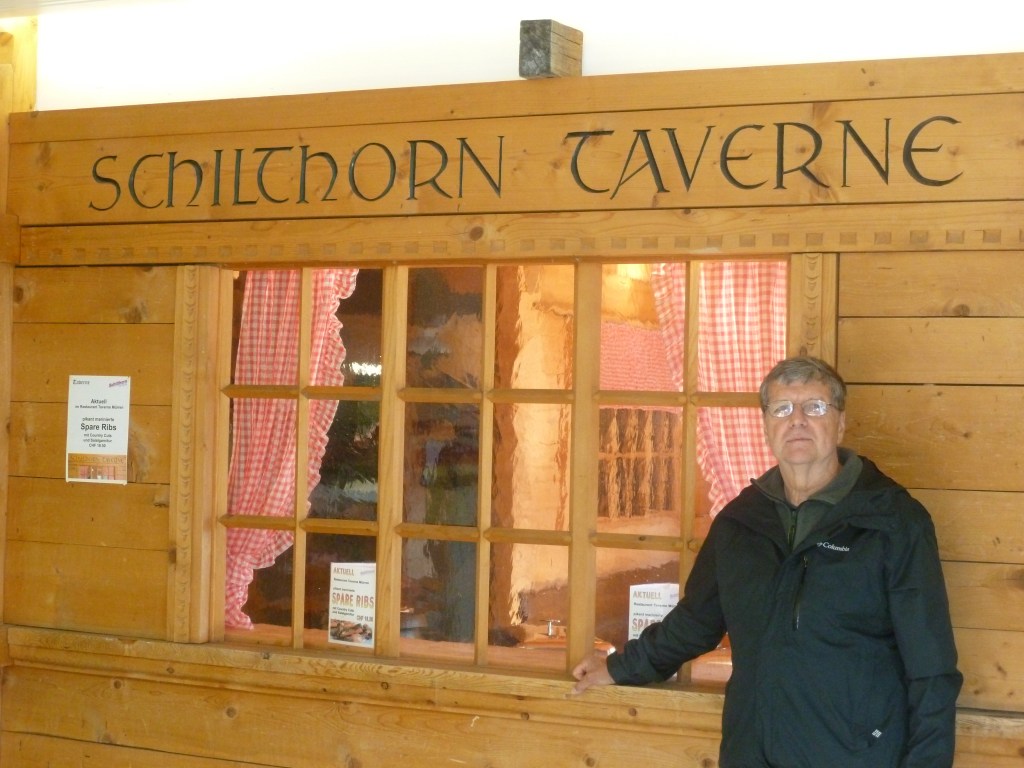
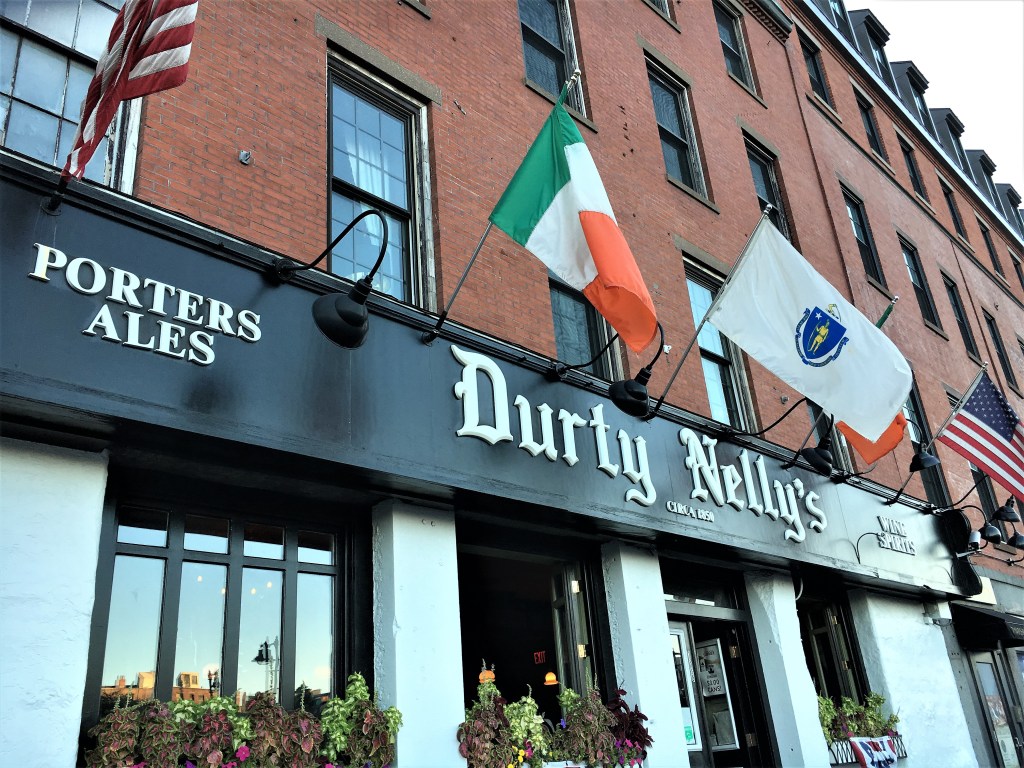
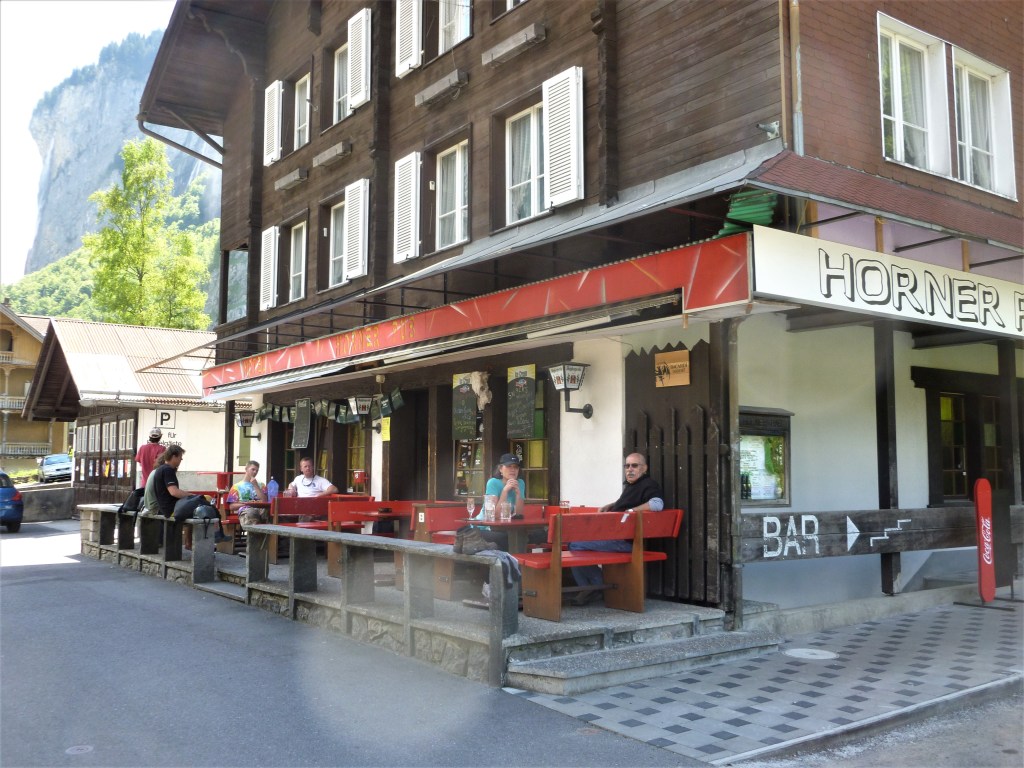
There is the dark ambiance of historic Durty Nelly’s in Boston, or the spacious charm of  the Horner Pub – surrounded by majestic peaks in Lauterbrunnen, Switzerland – where tourists like us rubbed shoulders with the amazing “cliff divers” or the farmers, foresters or innkeepers who live in the village of  2,300 at the foot of 9,744 Mt. Schilthorn, where there is also a Taverne right near the summit.

But I can also experience the vibe by just driving twenty-five minutes to downtown Portland – only about seven blocks from the high-rise office building where I worked for twenty-five years – to the Yamhill Pub – one step below a dive, but a grunge bar that at one time sold more PBR than any watering hole in Oregon.

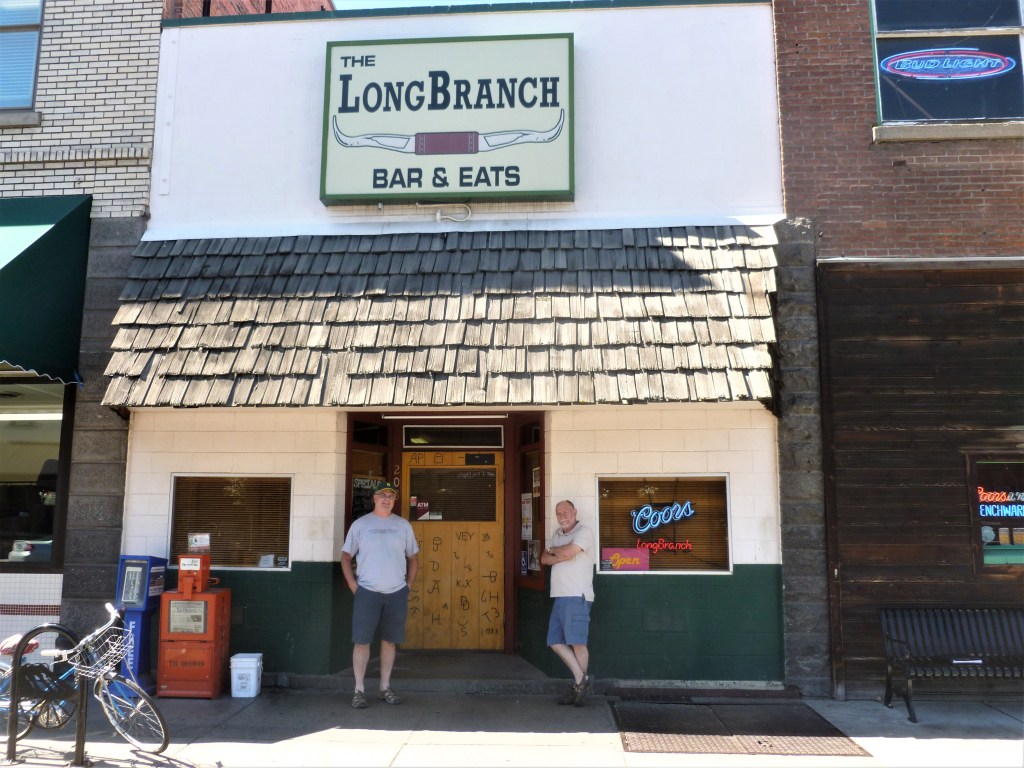
Staying in Oregon, I can drive across the beautiful Cascade Mountains through the Central Oregon desert and visit one of the cowboy bars in Eastern Oregon such as the Long Branch in LaGrande – “well known for its home style cooking and the most reasonably priced food and drinks in town.”

Cassie’s second question in the Bridgeliner article was:

Has the culture gone through any observable changes from your perspective? If so, what kind?

It goes without saying, we have to separate pre and post pandemic.  I’ll base this on the nine years I’ve been Beerchasing prior to the pandemic.  During that time, I’ve witnessed minimal change in what we are describing as culture. 

That said, if one goes back further, there were some monumental changes affecting the character, operation and economics of bars and taverns. 

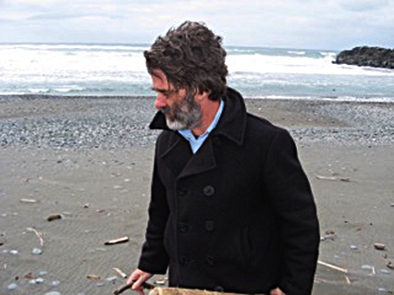
I’ll defer to my friend, author Matt Love, who for thirty years, studied and wrote about bars on the Oregon Coast. I originally met Matt through his blog – Let it Pour – (Thebeerchaser is modeled after it) where he wrote about his experiences and love for the dive bars up and down the coast.  

Matt is the owner of the Nestucca Spit Press – a small publishing house he formed in 2002, and you should check out its offerings.  In 2009, Love won the Oregon Literary Arts’ Stewart H. Holbrook Literary Legacy Award for his contributions to Oregon history and literature.

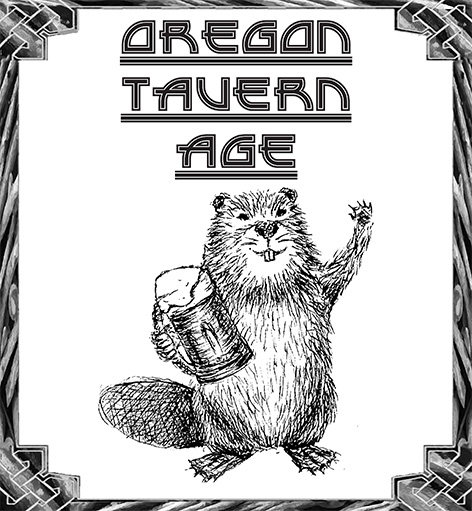
He conveys the contrast between contemporary bars and those in the ’60’s – 70’s in the Introduction of his marvelous book-within-a magazine entitled, “Oregon Tavern Age”:

“It was the halcyon days of Oregon tavern life; no liquor, no craft beers, no meth, no video poker or slots, smoke-filled, and the classic cheap Pacific Northwest lagers brewed in the Pacific Northwest by union men reigned supreme….Customers watched Perry Mason on low volume and read mildewed Louis L’Amour titles from the lending libraries tucked away in dark corners.”

In a three and one-half day tour of bars and breweries on the Central Oregon Coast in 2014, I found that many of the dives Matt reviewed still maintained the atmosphere and character which captivated both of us in these “institutions.” 

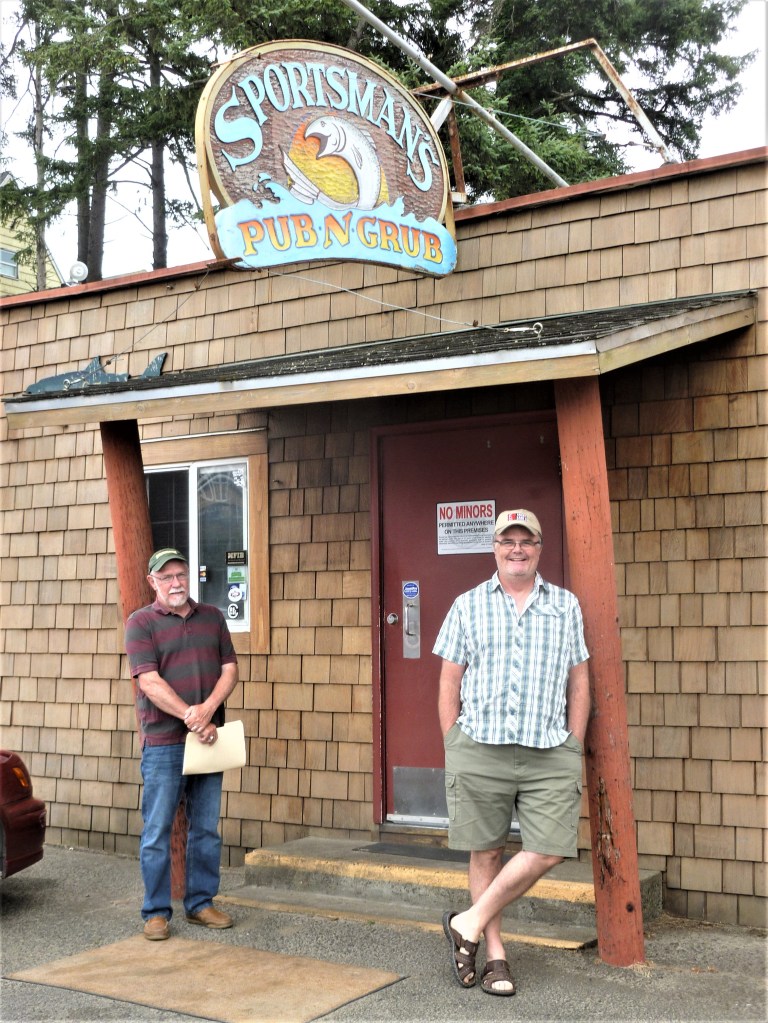
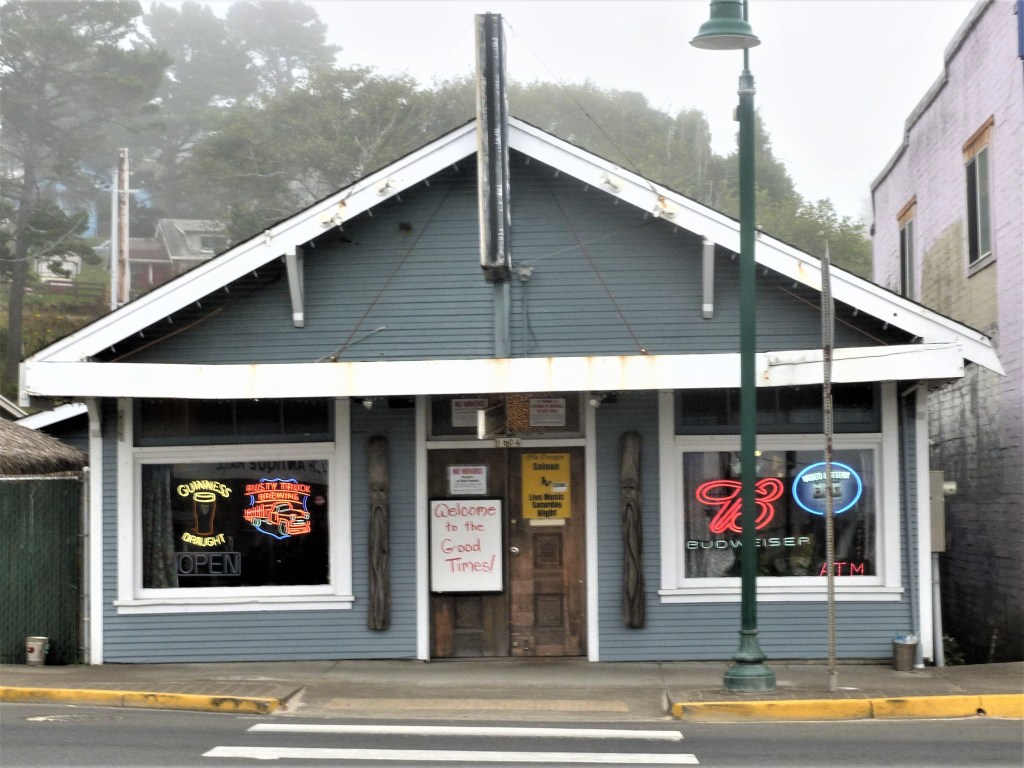
The pictures below show some of the favorites: The Sportsman Pub and Grub in Pacific City, where Matt was the “Writer in Residence,” the Old Oregon Saloon (“The Old O”) and the Cruise Inn – right in the heart of Lincoln City.

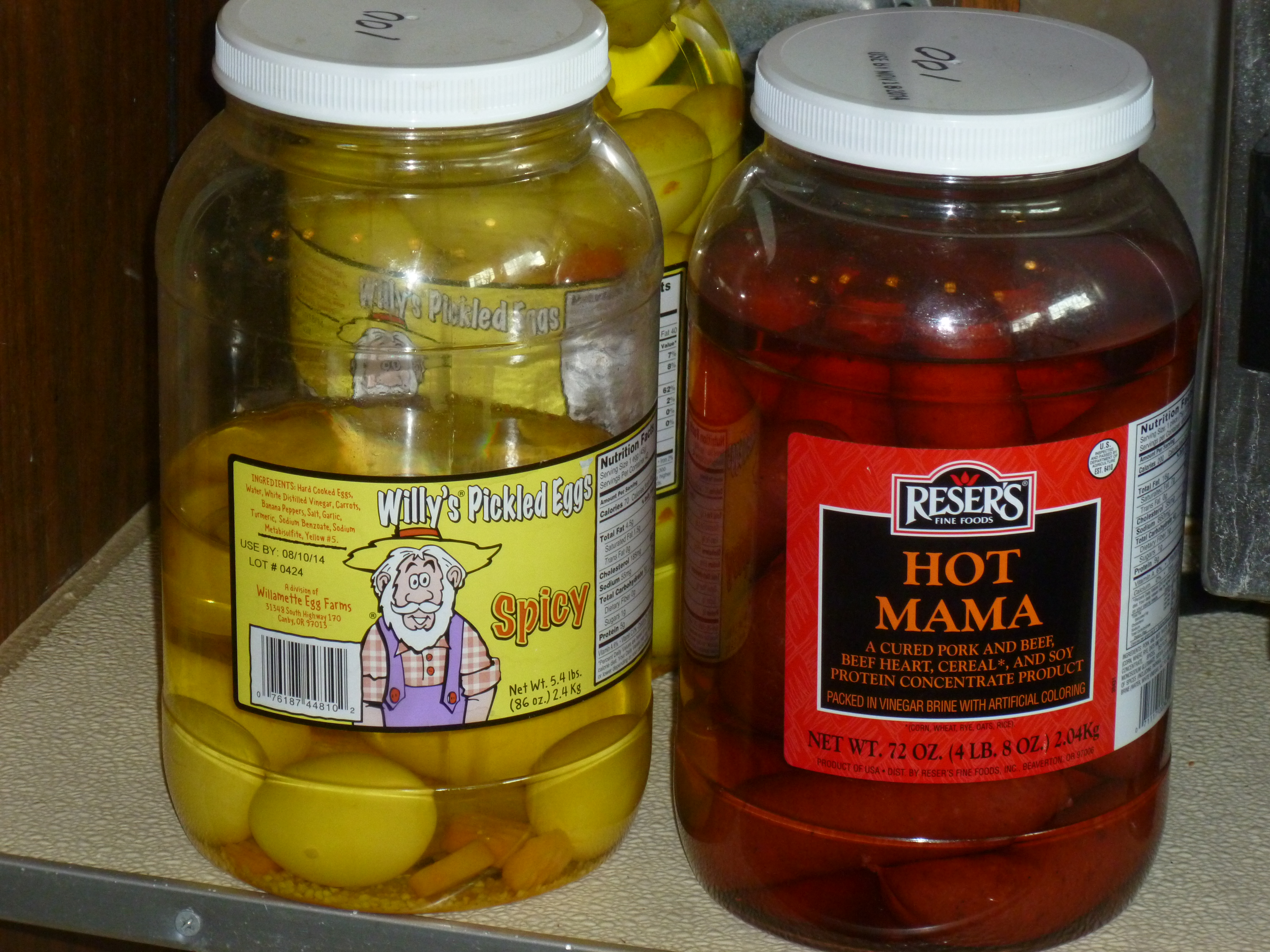
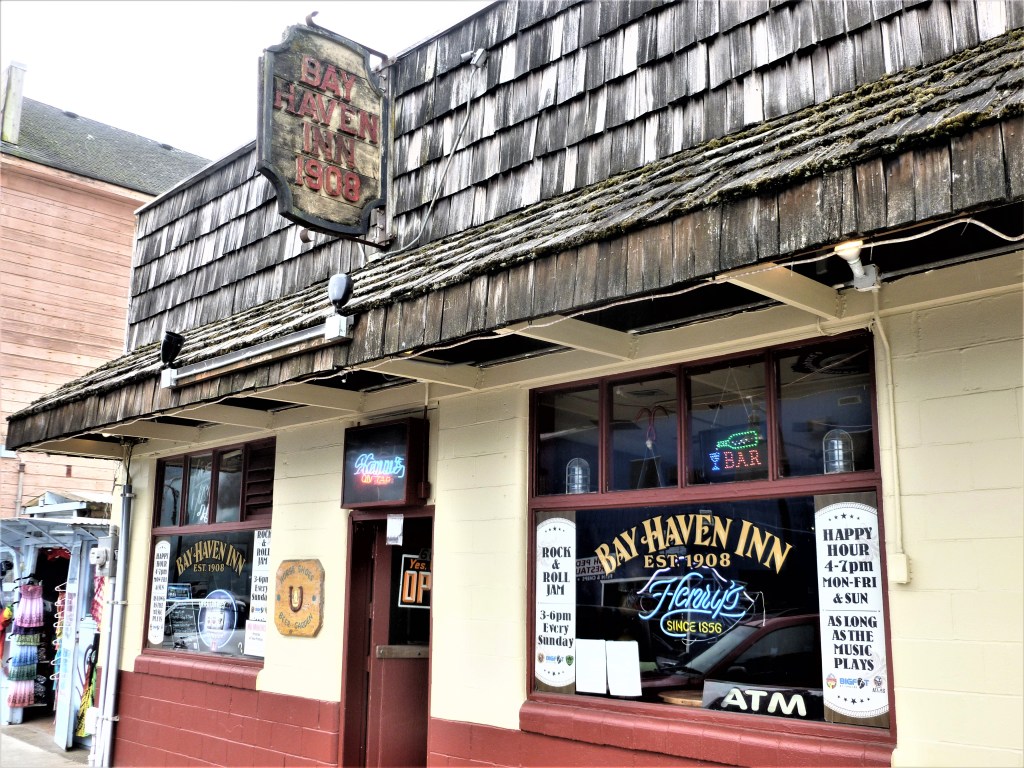
Don’t forget the Bay Haven Inn that goes back to 1908 along the docks in Newport, or the Mad Dog Country Tavern up the Bay about a mile, where you could get some hardboiled eggs or Hot Mama pickled sausages both of which had been “fermenting” in large jars probably since the second FDR Administration….P1020651

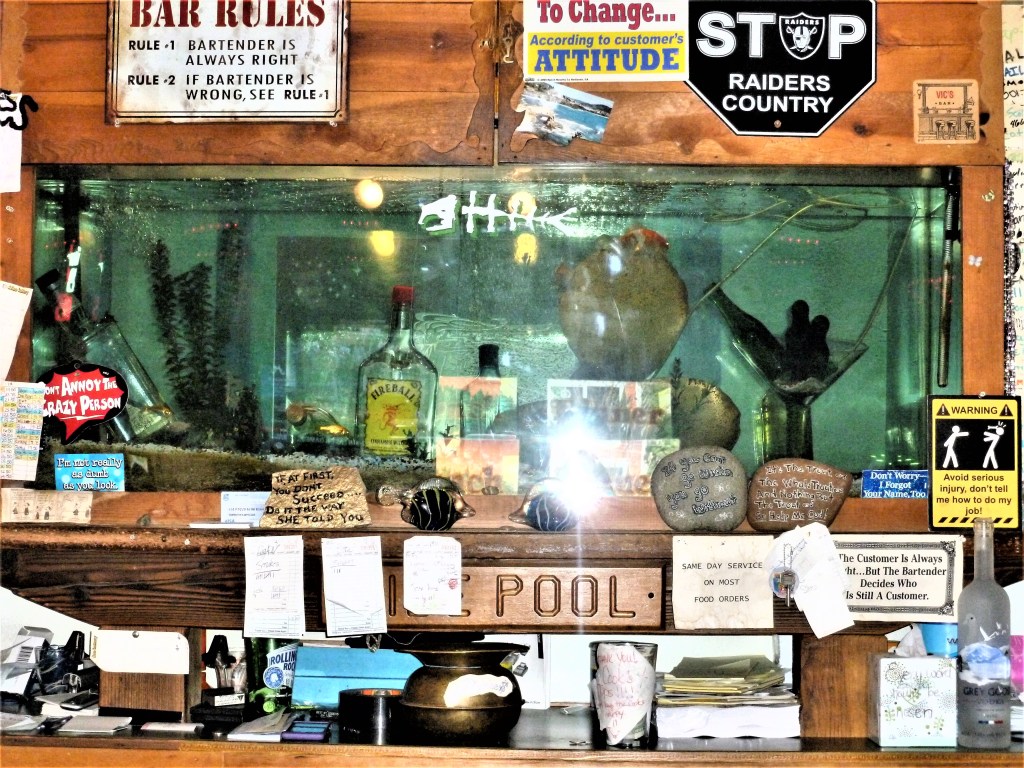
And the unforgettable Tide Pool Pub in Depoe Bay, where Vicki, the owner, claimed (with some credibility) she made the best pizza on the Oregon Coast.  She also told us about how her dad took her to one of the first “Take Your Kids to Work Days” when she was in grade school in Chicago and her dad worked in a slaughter house!
One final note on the Tide Pool which will give you an idea of why Matt Love is such a good writer, is his description of the bar’s Tank of Death – a fascinating and bizarre “aquarium” which captures the attention of anyone entering the bar:

“……..a salt-water glass coffin called the Tank of Death.  It is packed with all manner of marine creatures caught by local fishermen who bucket in their curious finds and dump them in.  Eels, crabs, sea bass, perch, Dick Cheney, octipi and urchins all end up in the mix……….

According to the bartender, aquatic creatures regularly stage a battle royal to the death and the tank serves as a Roman arena of savagery and merciless predation  – with bets slapped down and accelerated drinking when the water turns a creamy, cloudy red.”   

Matt alludes to two monumental shifts altering bar culture – the advent of video poker – in the late 80’s and the end of smoking inside Oregon bars in 1984.   Why? Because much of the dialogue and story-telling disappeared. 

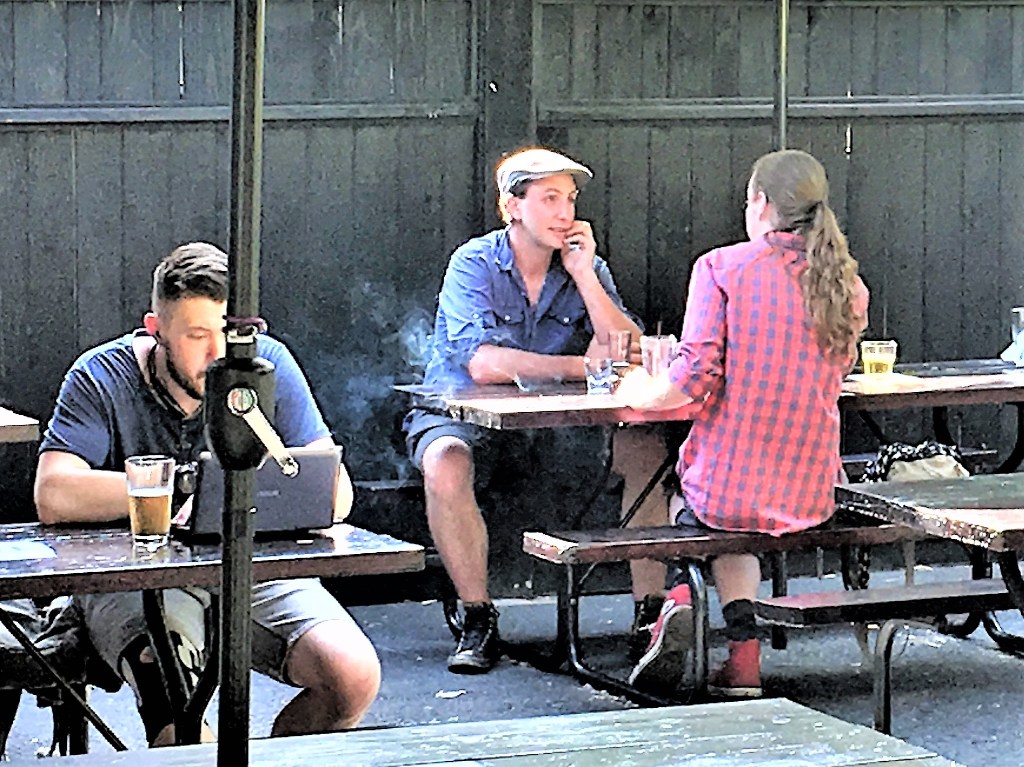
Instead of thick plumes of nicotine laden smoke from Camels, Winstons or Marlboros circling above the heads of those at the bar or at individual tables where they told tales, the smokers escaped frequently to the front or rear exits – maybe a small patio – where they puffed in solitude.

In fact, one wag stated that he was concerned about the end of smoking at Portland’s legendary Horse Brass Pub, not because of losing the clientele, but “we assumed its billowing, milkshake-thick clouds of cigarette smoke were load-bearing structural elements of the building without which the sprawling pub would collapse.” 

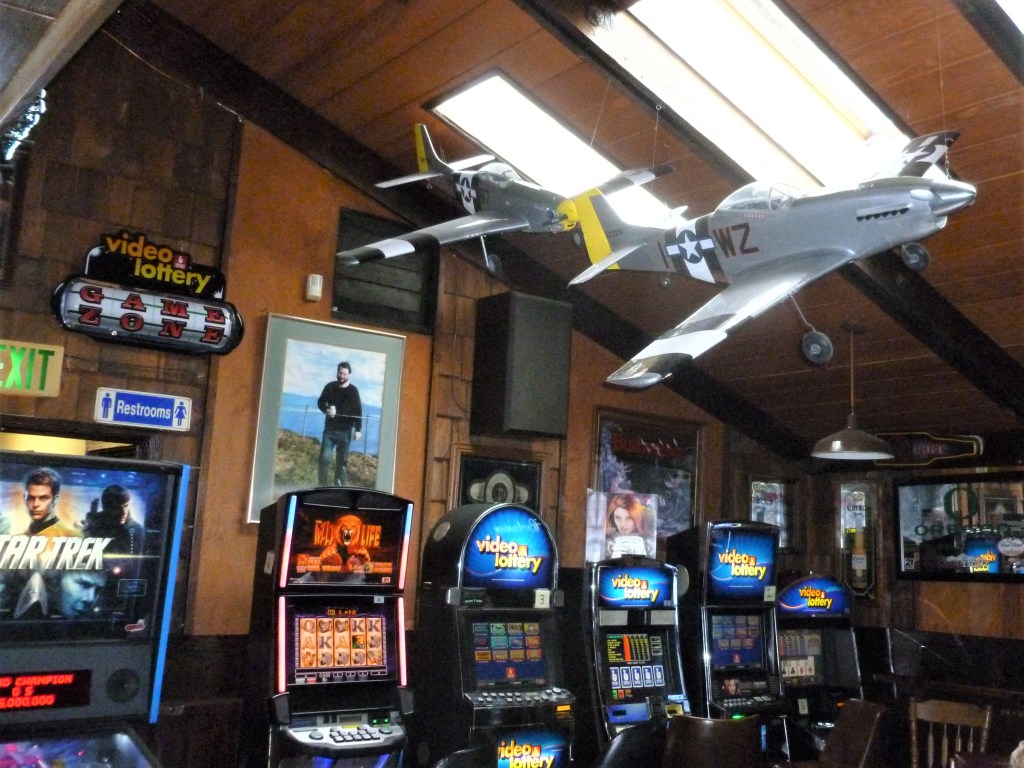
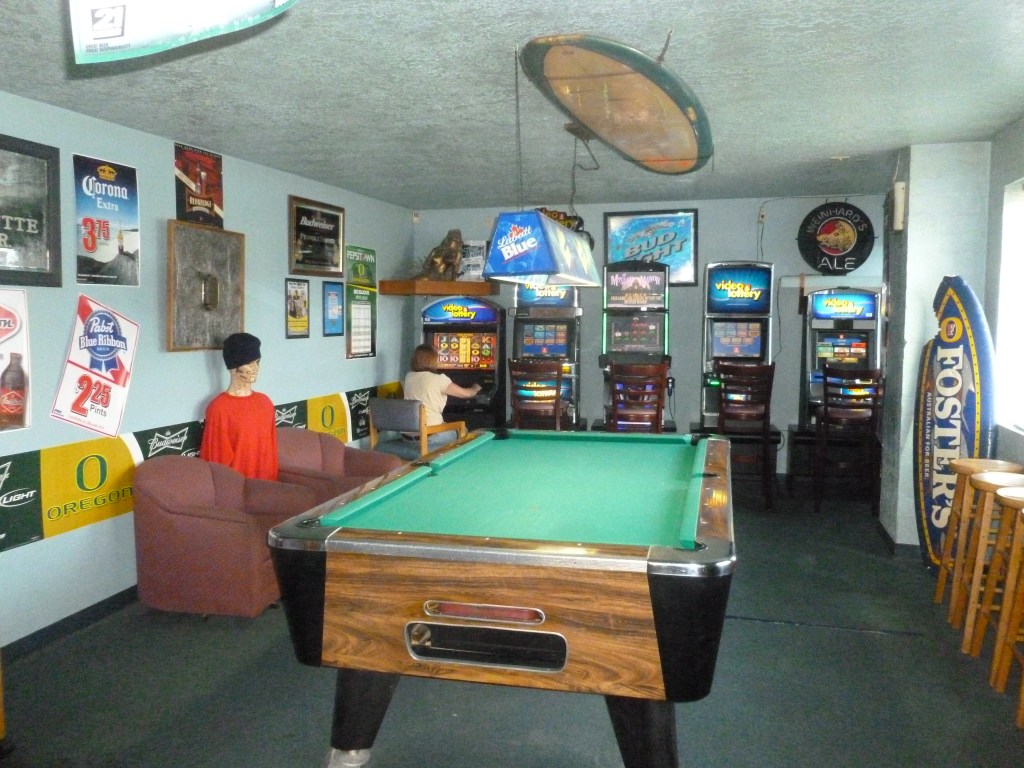
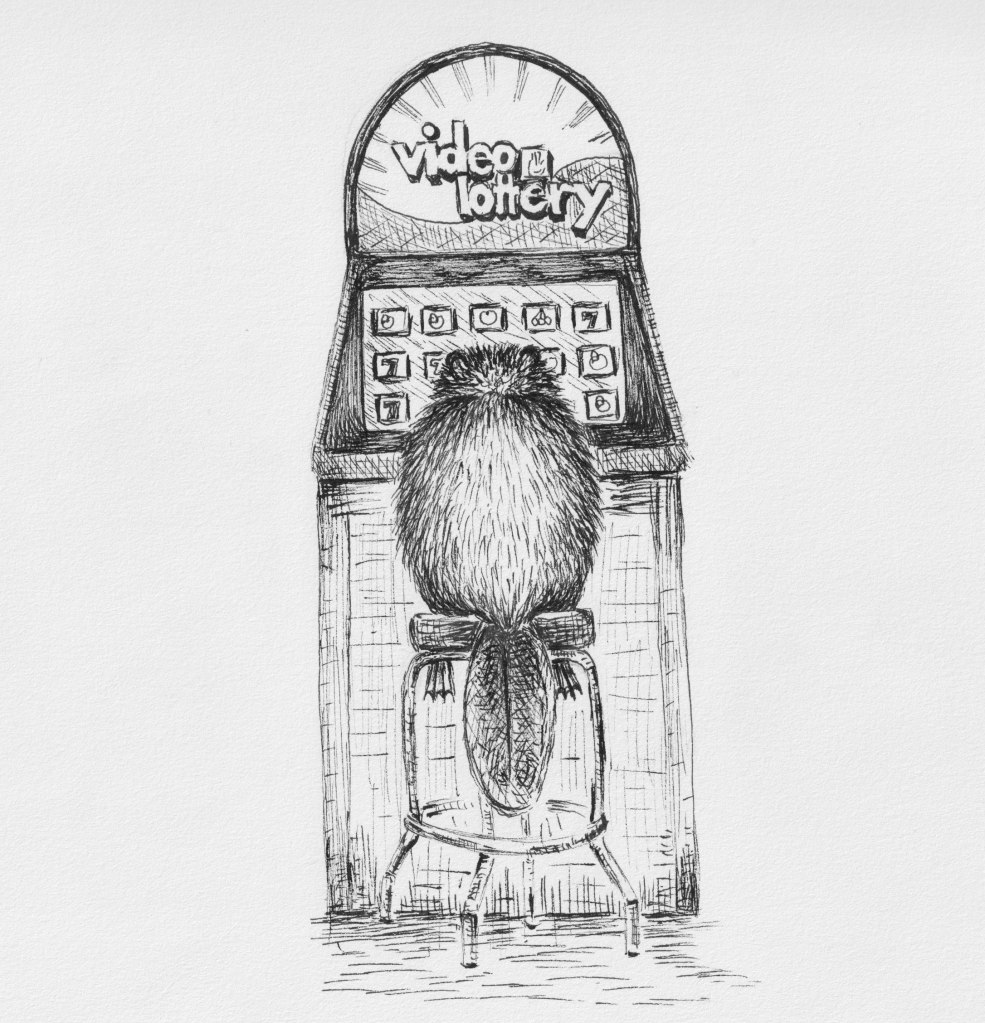
The ubiquitous video slots with their Siren Song began beckoning those who rationalize that they are helping to fund a playground or civic center with this “sin tax” on Oregon gamblers. (Twice, I have witnessed patrons frantically go through several hundred dollars while I was having a pint.)

While these two developments forever changed certain elements of bar culture not only in Oregon, but throughout the US and Europe, I am not as pessimistic as Matt Love appeared to be in the final entry to his blog in 2004.

Institutions adapt and while the advent of video poker altered the physical trappings and interpersonal interactions, watering holes acclimated and most survived – just as most will emerge from the pandemic as the familiar gathering place of regulars.

I’m looking forward to discussing this with Matt when we have a beer this summer!

Appendix by Matt Love from his blog – Let it Pour”

“I love these taverns, so much in fact, that six years ago I began writing about the ones on the Oregon Coast where I live.…(in his excellent blog Letitpour.net)  After all this exploration, doubtless I am an expert on Oregon taverns. Thus, it is with sadness that I declare the unique cultural institution of the independent Oregon tavern is dead.

The state of Oregon seriously wounded it with video poker, and more recently with the introduction of line games (slots), killed it altogether.….In 1991 when the Oregon Legislature directed the Oregon Lottery to allow video poker in taverns and bars…..it was a frenzy.
Then in 2005, line games were introduced into Oregon’s taverns and bars…..Sure, the pool and darts continue, but these taverns are not the same, and I know because I drank beer in them before they were enlisted by the state to raise revenue from the pockets of vulnerable, occasionally inebriated people.   What is especially sad is to have witnessed how video poker slowly transformed taverns from gritty bastions of independence into de-facto tax collectors for the state….Rest in peace Oregon tavern.”
A Petri Dish — Bar Culture Part I


(Welcome back to Thebeerchaser.  Since this is a long post, if you are seeing it through an e-mail, please visit the blog by clicking on the title above to see all of the photos and the narrative is not clipped or shortened.)

Books, articles and watering hole patrons often talk about “Bar Culture.”  But how does one define this abstract concept and how does one find it?  Recently, Bridgelinera Portland, Oregon online newsletter edited by Cassie Ruud (I’m proud to say – an Oregon State University grad) featured two interviews with yours truly – The Beerchaser.  
The link below will take you to the first interview – how the Beerchaser started and how it has changed during the pandemic.   https://bridgeliner.com/%f0%9f%8d%bb-portlander-don-williams-takes-us-beer-chasing/

And the following narrative is an expanded version of the second article entitled “The Foamy Culture.” The narrative below is my response to the first question Cassie asked with a lot of photos added from bars I’ve been to over the last ten years to illustrate the elements of bar culture.   

Most are from Portland watering holes and It saddens me to add that a number of bars are from some of my favorites which are no longer open. Future posts will address the other four questions on bar culture because it is a complex topic and needs a lot of photos to convey.

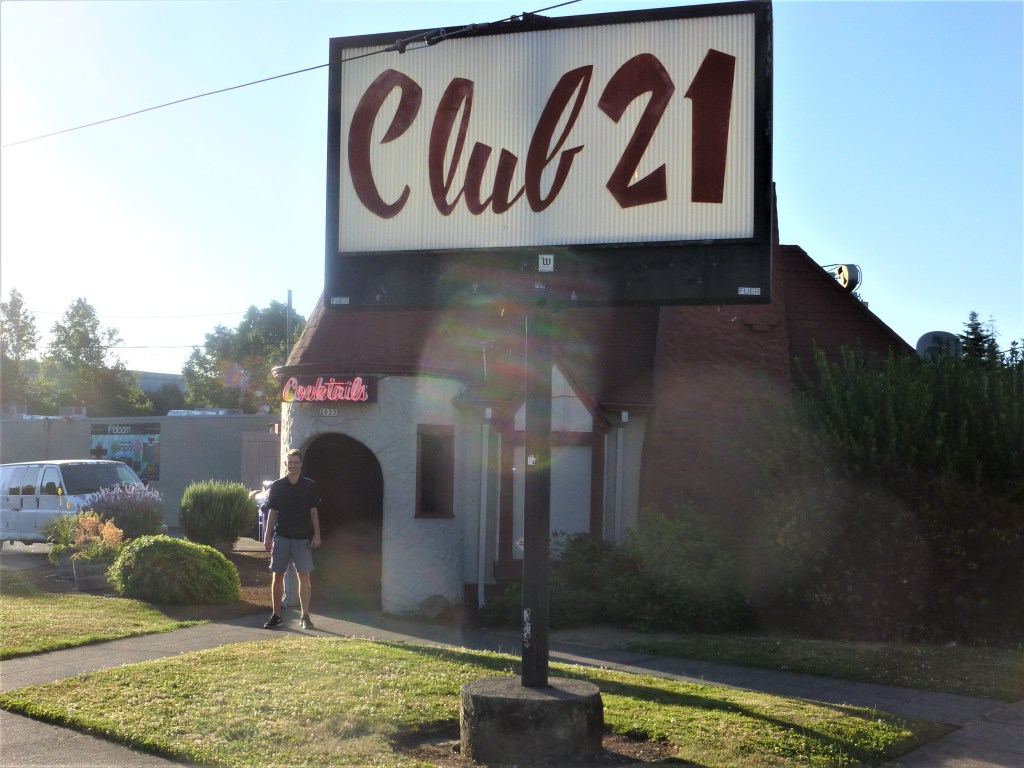
I’m saddened that the photos below are from a number including Club 21, Zarz, Crackerjacks, Mad Son’s, The Tanker all permanently closed – a loss to not only their patrons but Portland’s bar culture. And those are just ones represented in some of the photos in this blog post.  There are many more on the list.

Regardless of where you live, when it is again safe, get back out and support these small business people whose livelihoods have been decimated in the last eighteen months.  Try Kelly’s Olympian or……….

What are some key elements of pub and tavern culture (particularly in Portland) you’ve observed in your years of beerchasing?

That begs the question, “What is culture?” Let’s assume it’s a set of intangible aspects of social life – in this case in an individual bar or tavern – as contrasted to a brewpub or taproom – because there are some real differences.  One way I describe this is a watering hole’s “character.”  It’s really no different in Portland than elsewhere.

It can include more global items such as its location and the exterior, the regulars, the personality of the bartender and staff such as Phoebe, the charismatic bartender at the Brooklyn Park Pub – the first bar I hit in 2011.

Consider the style of the furniture (tables and/or booths) and how they’re set up. Take, for example, the unique Captains’ chairs at Claudia’s Sports Pub.

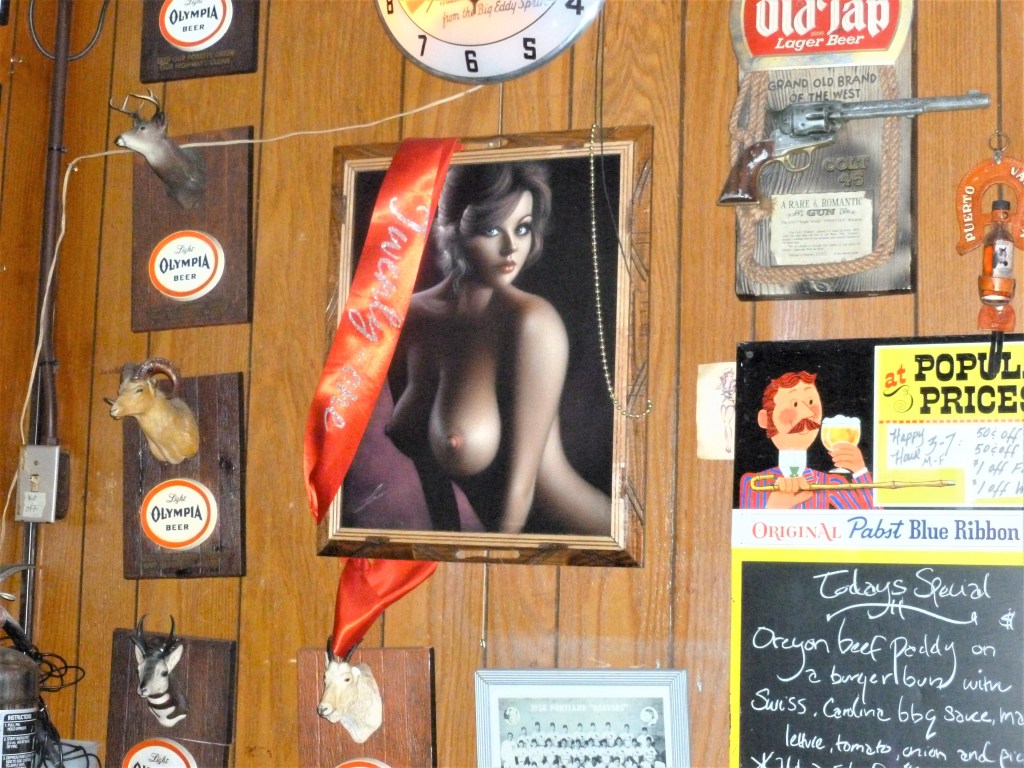
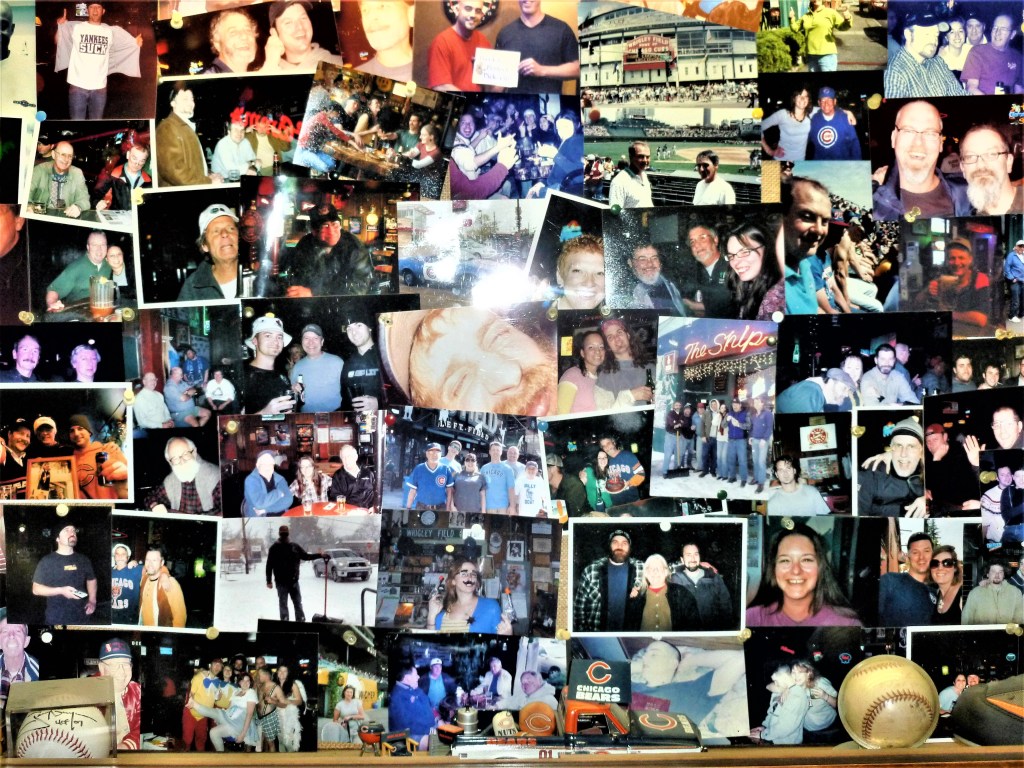
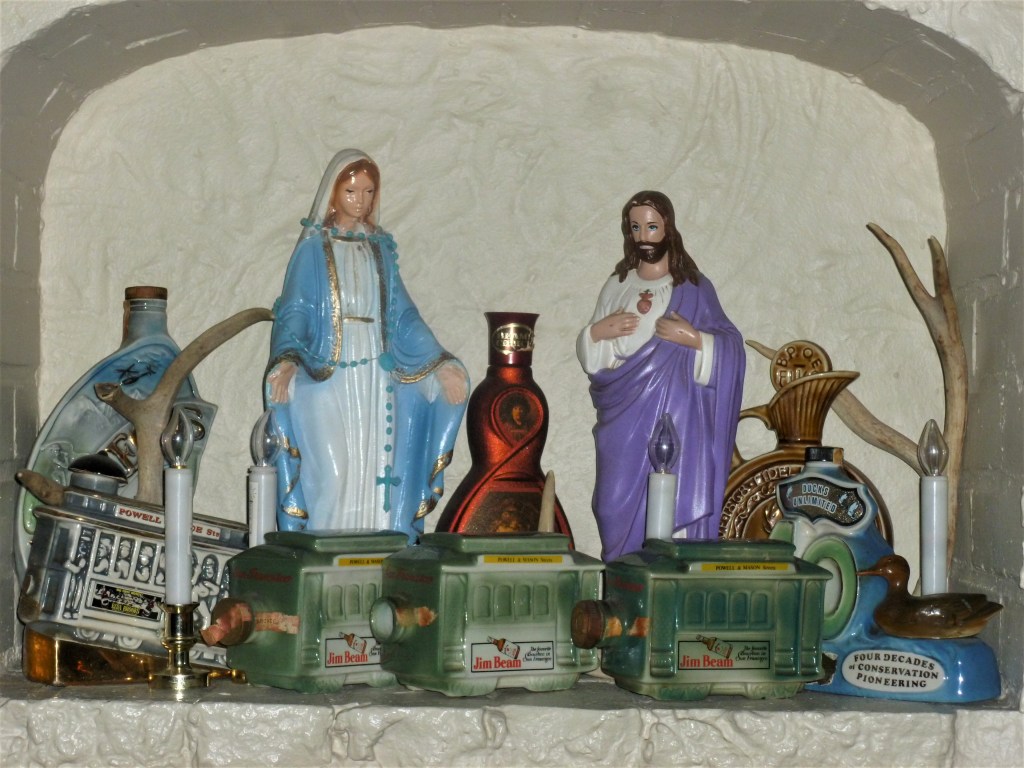
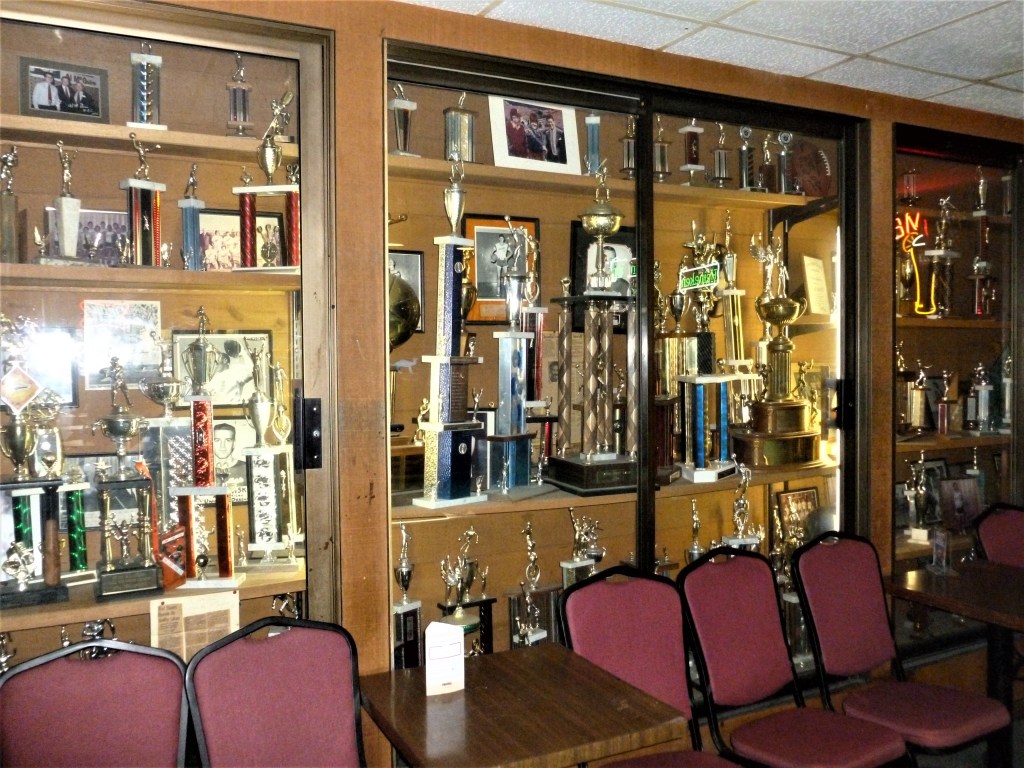
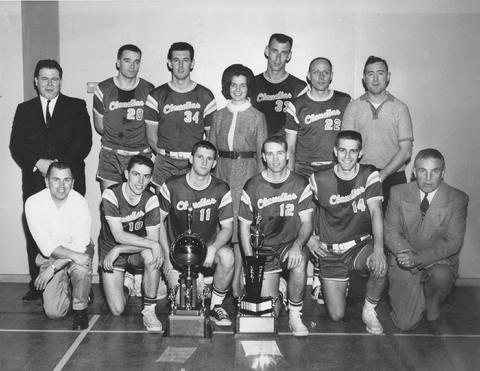
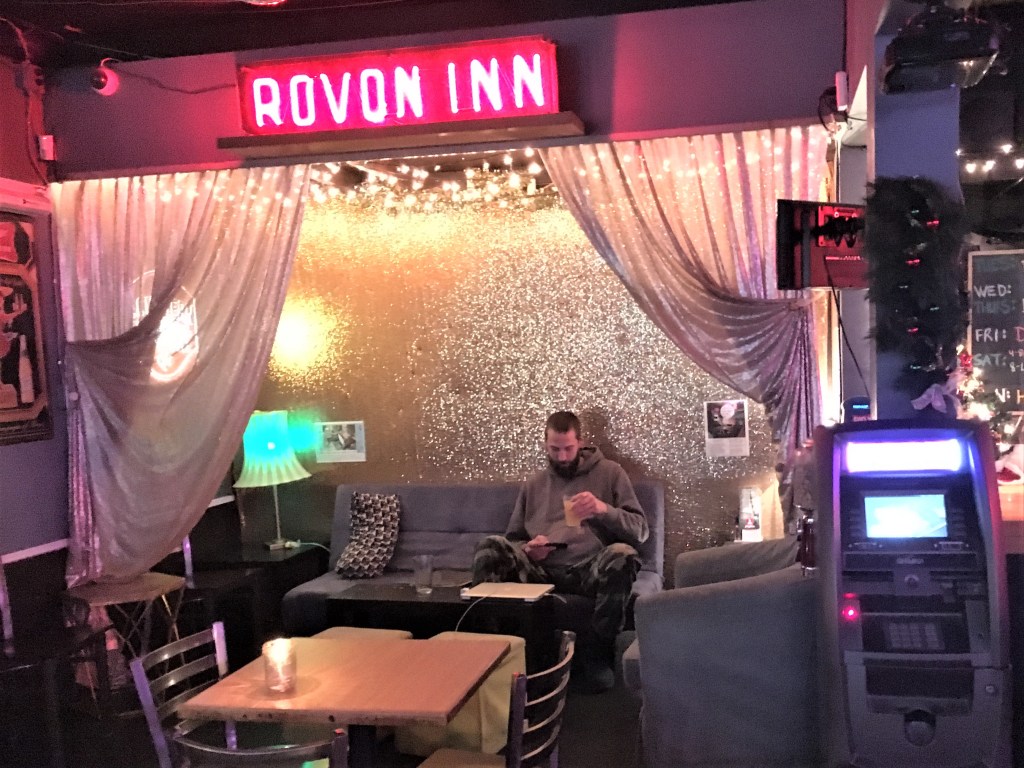
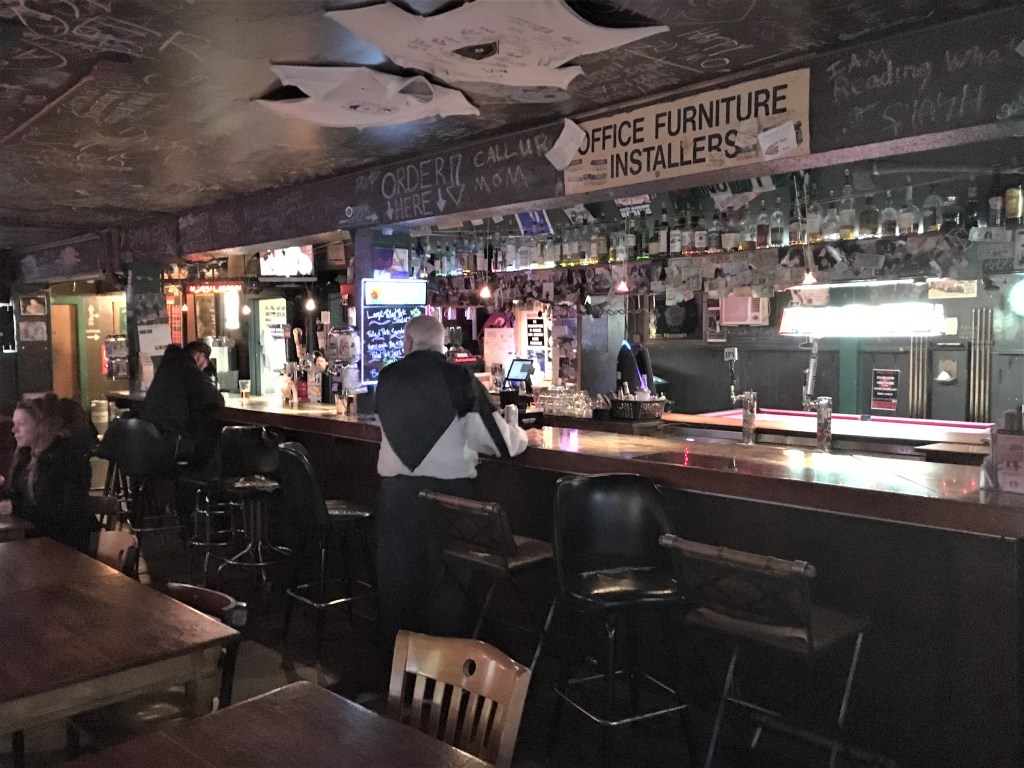
But it’s also a conglomeration of more mundane factors ranging from the lighting, the art (often nicotine-stained murals) or knickknacks such as old beer cans, bottles of MD 20-20, hats and mugs, and  team pictures and trophies from bar-sponsored teams,. 

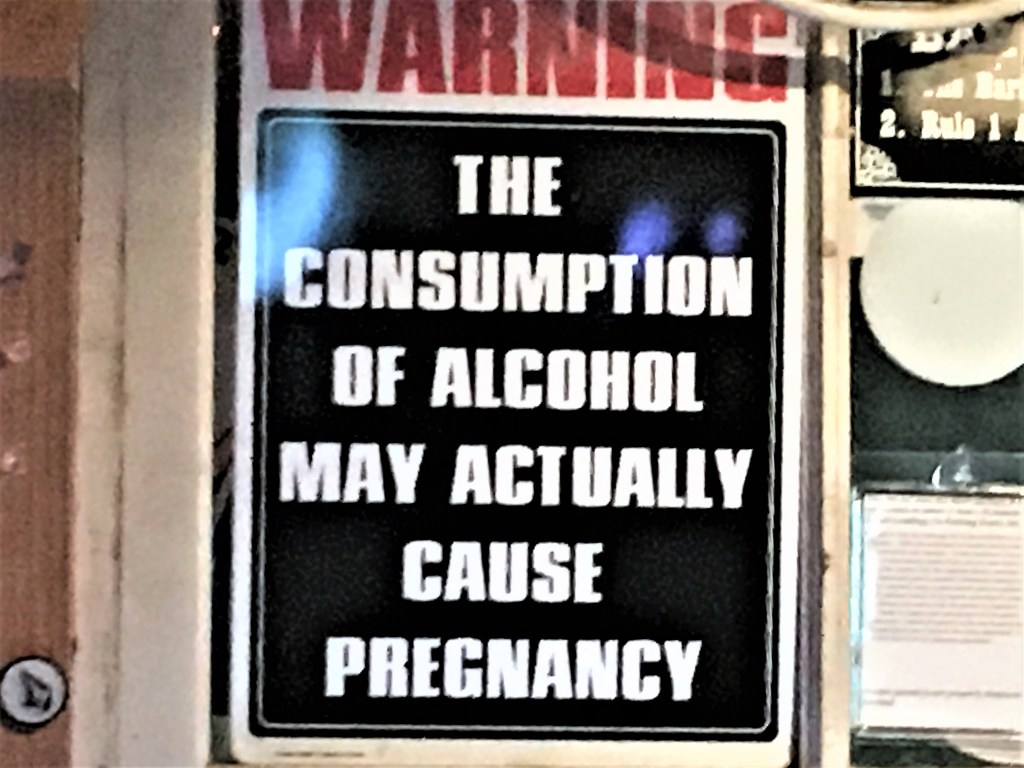
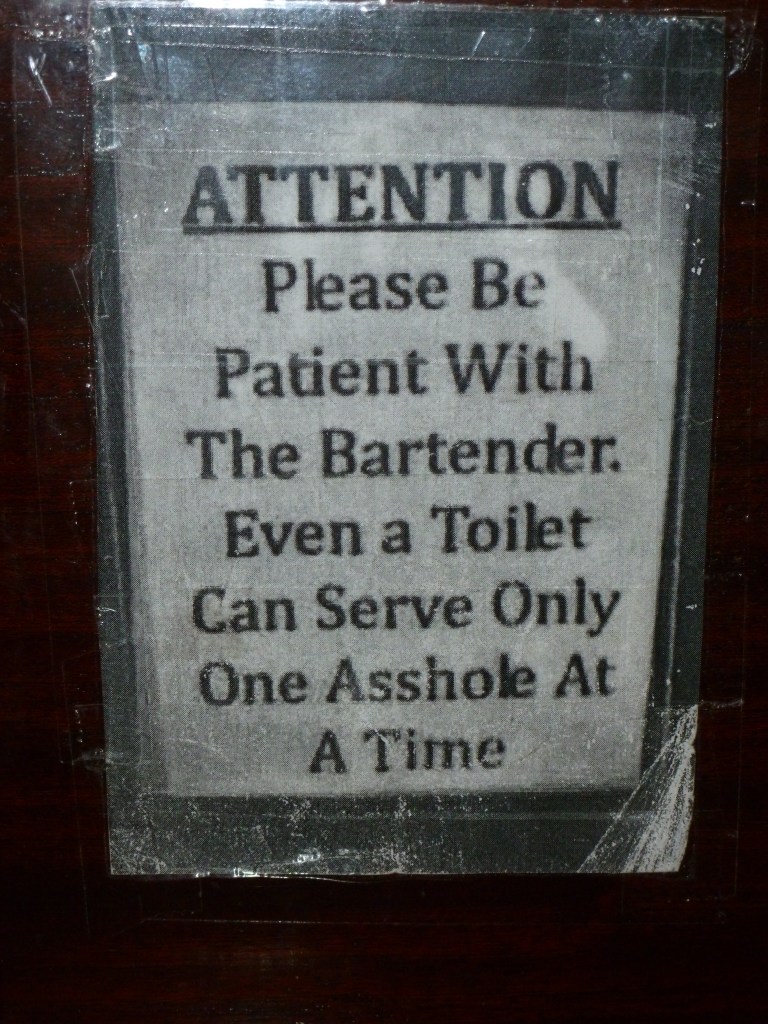
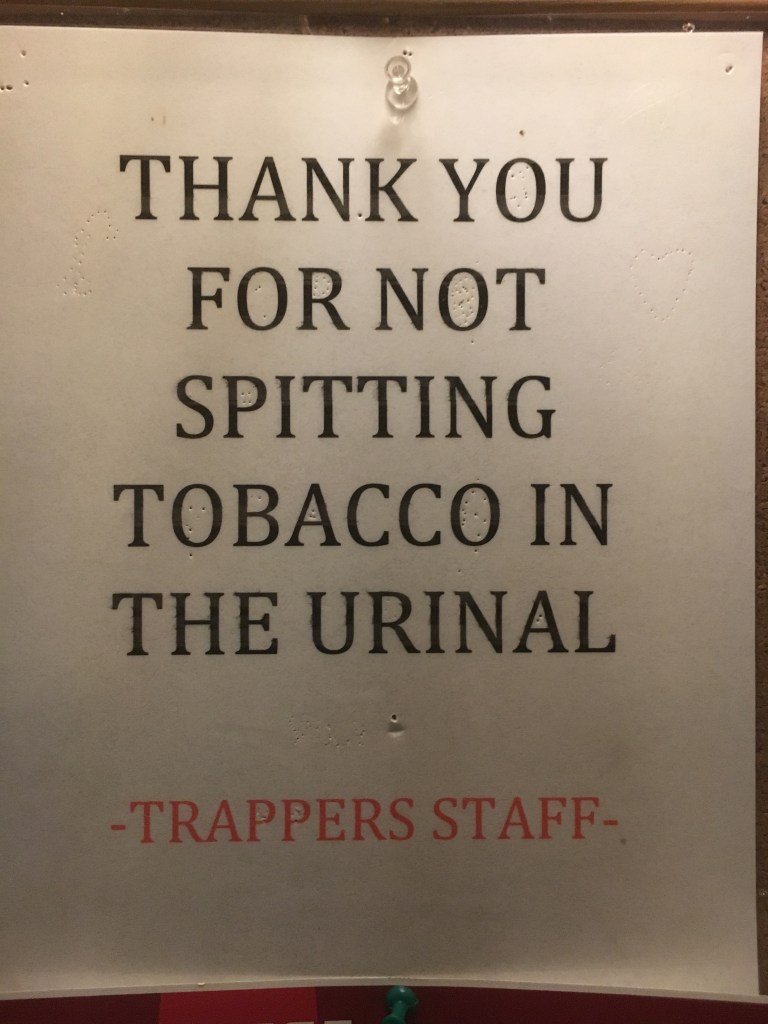
Don’t forget the signs/posters with trite sayings such as “The consumption of alcohol may actually cause pregnancy. ”

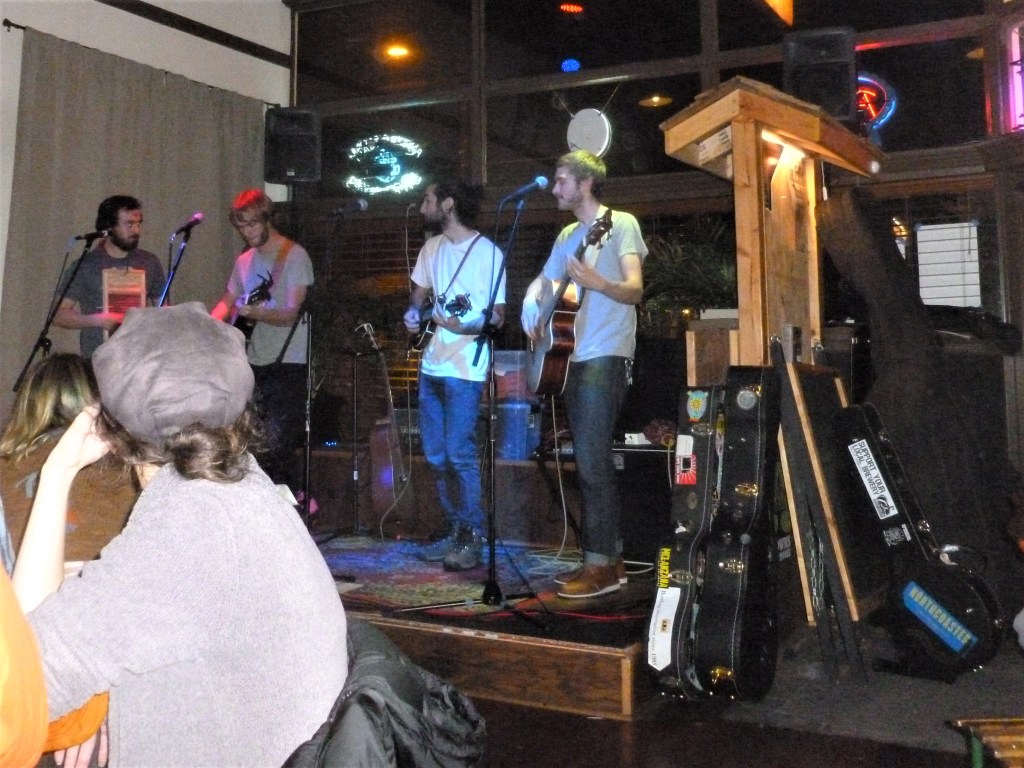
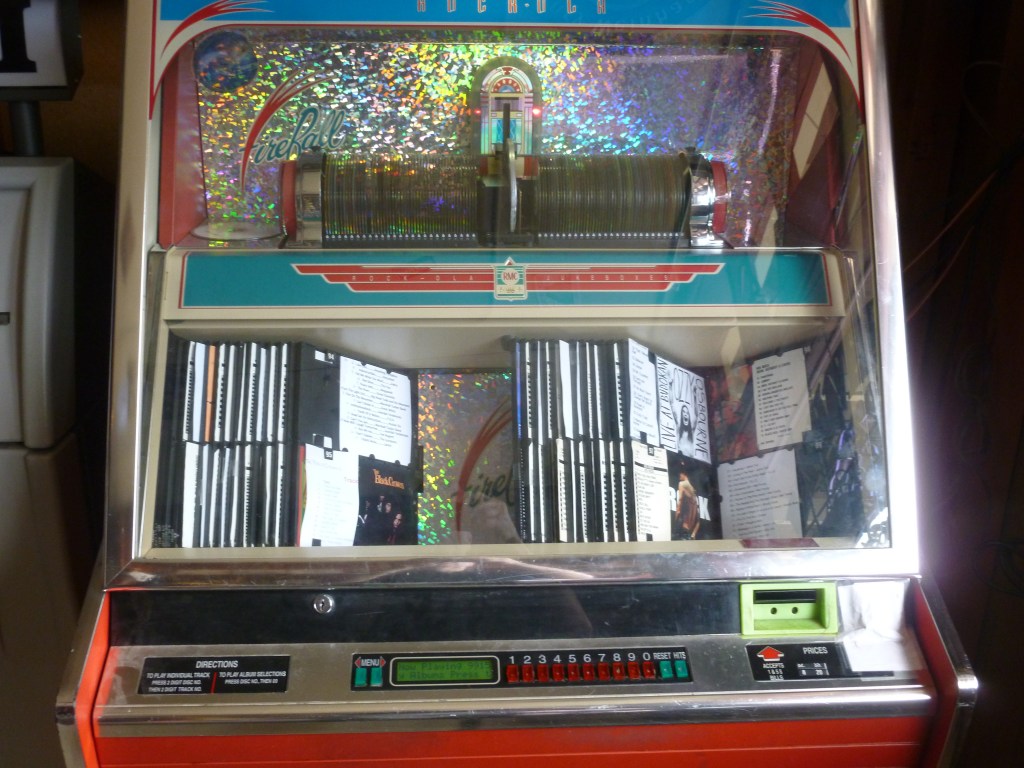
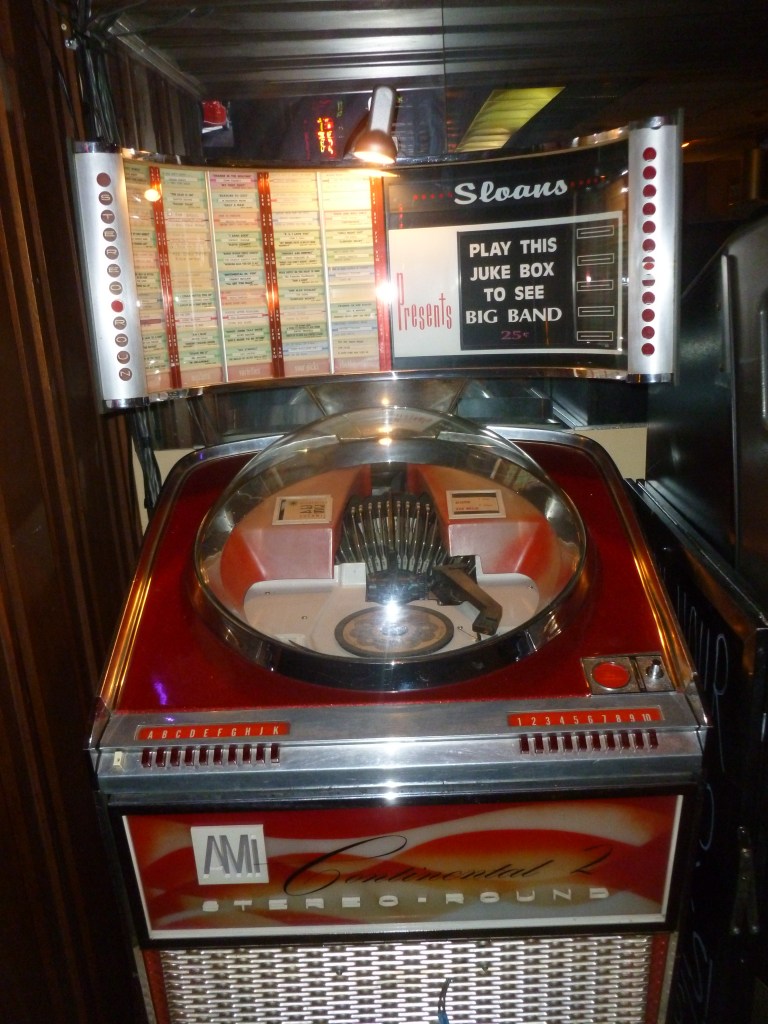
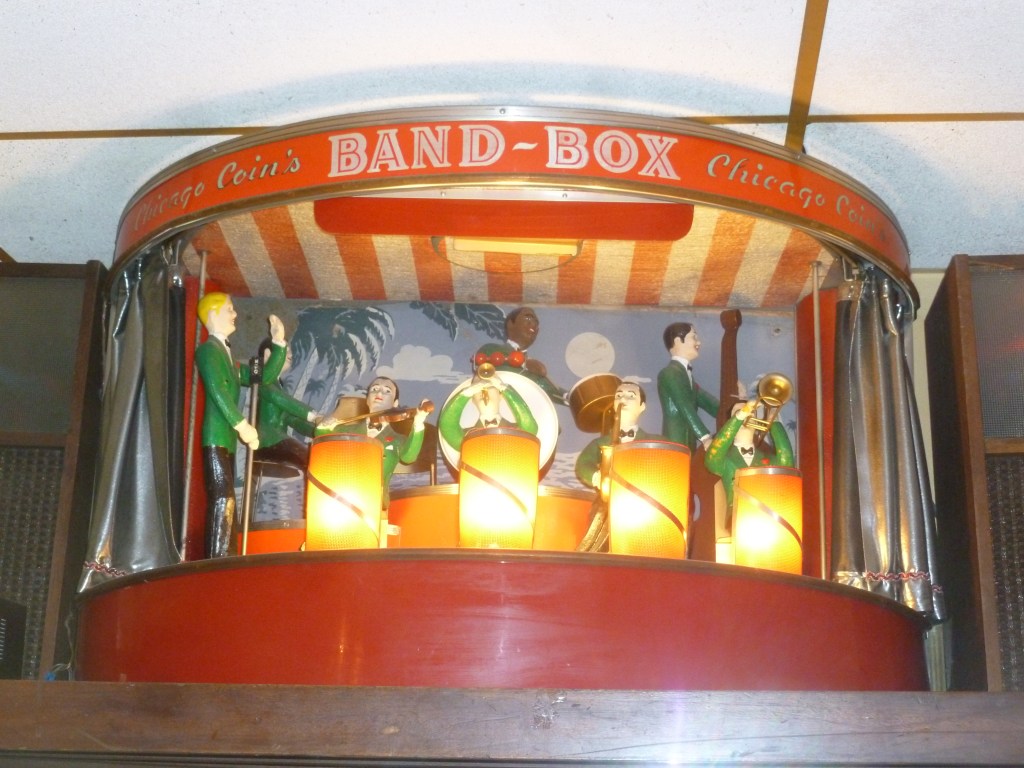
The music (jukebox or live-streamed or live music) is also a factor and the number and types of beer on tap and the prices.  

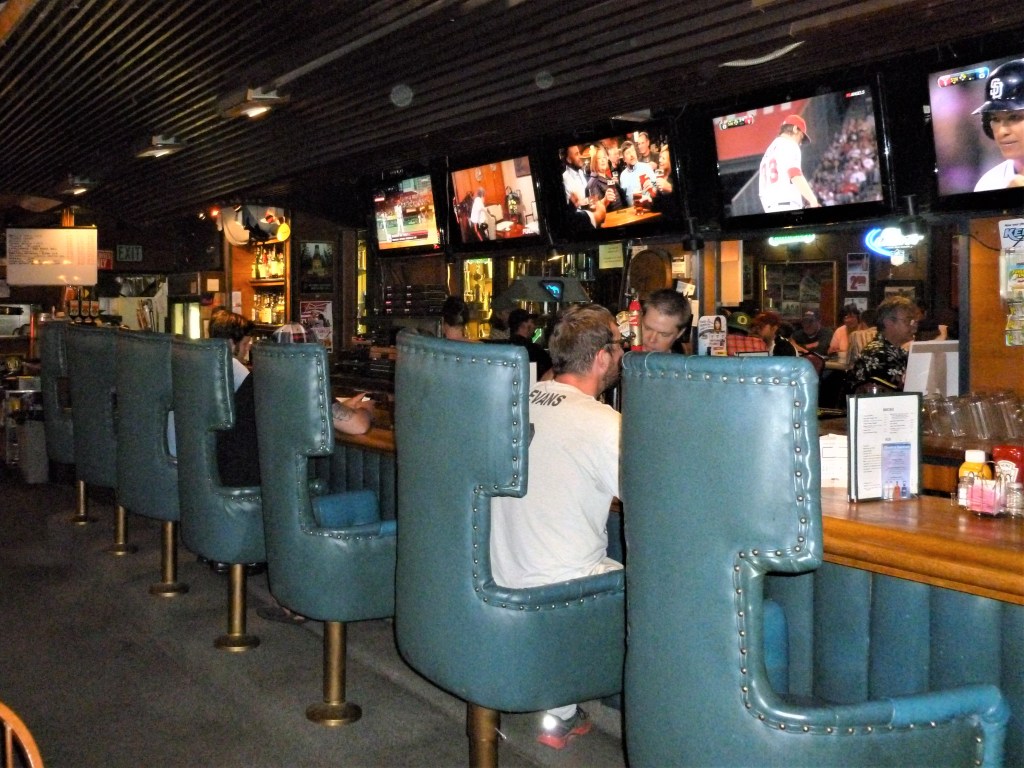
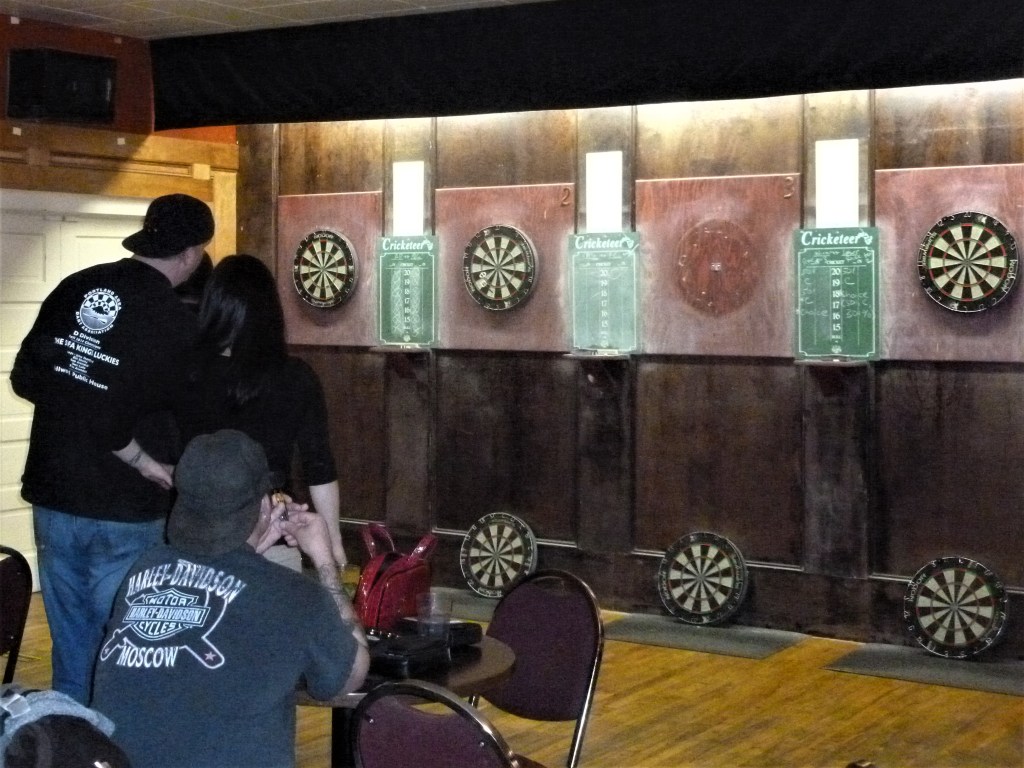
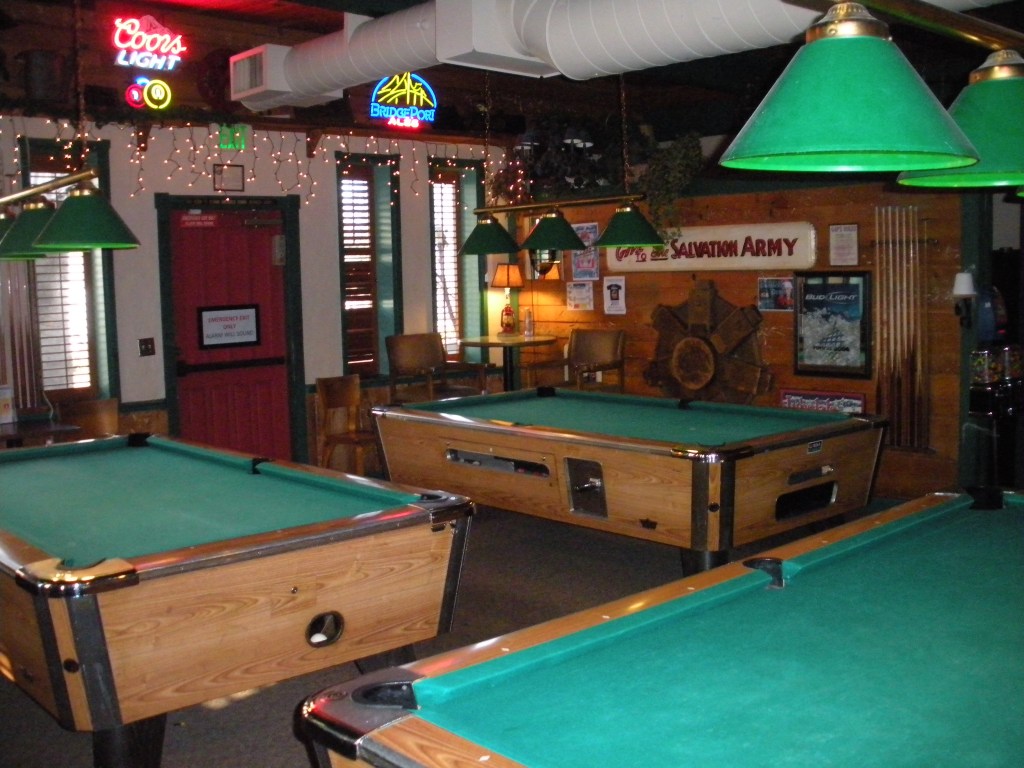
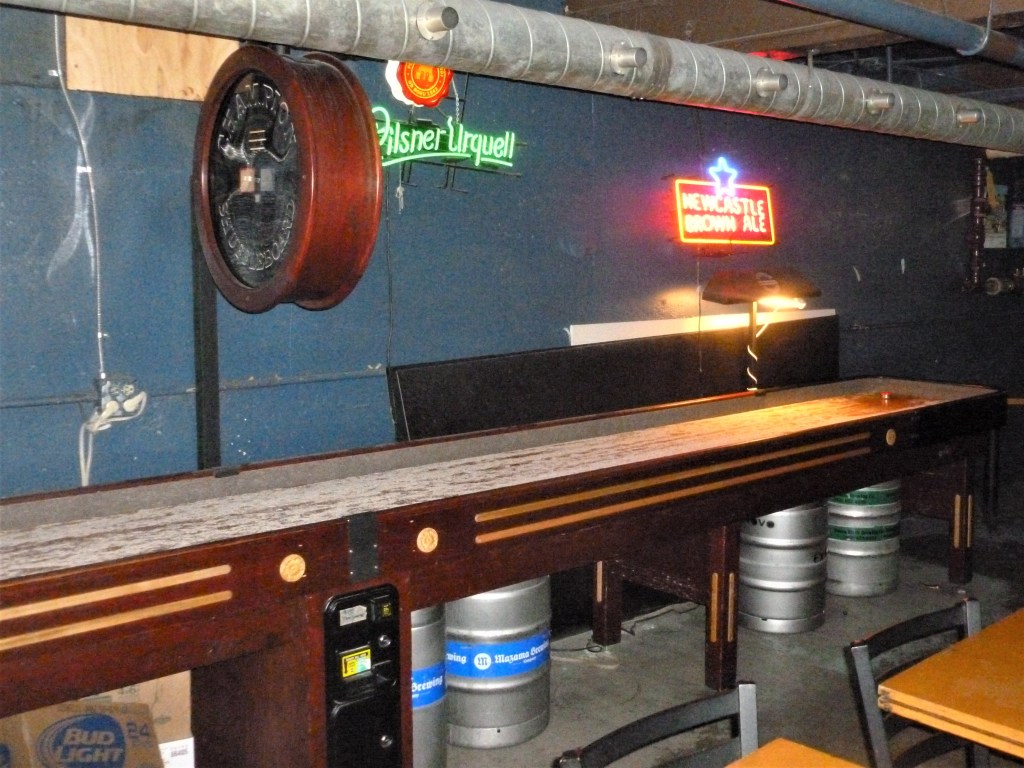
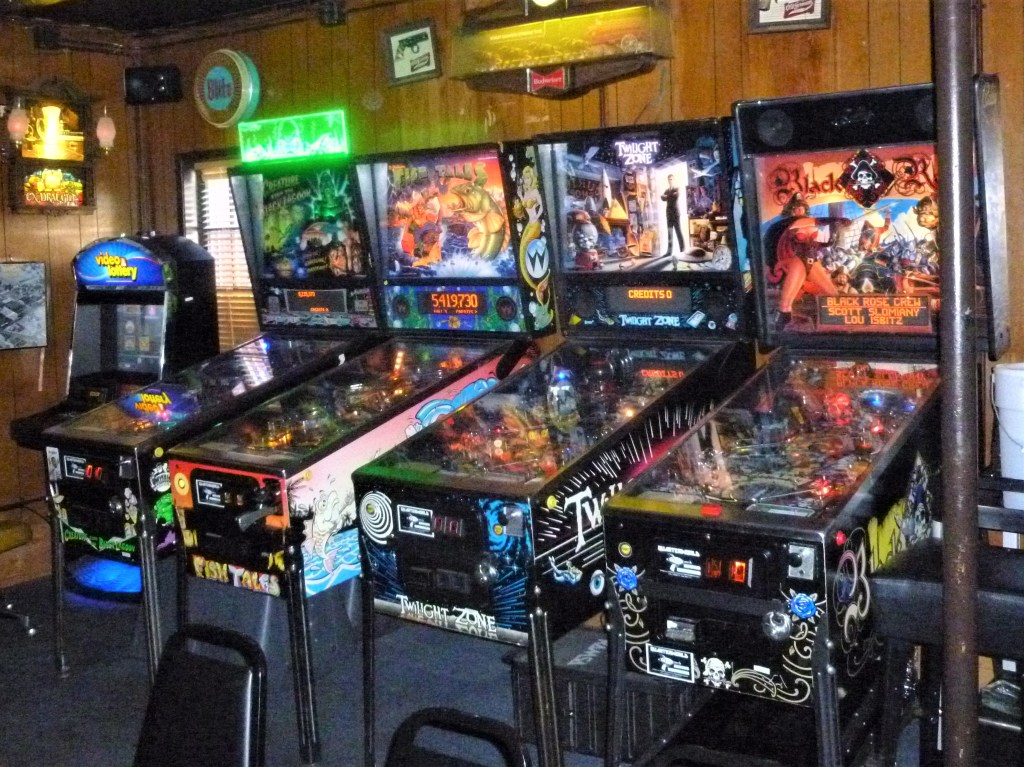
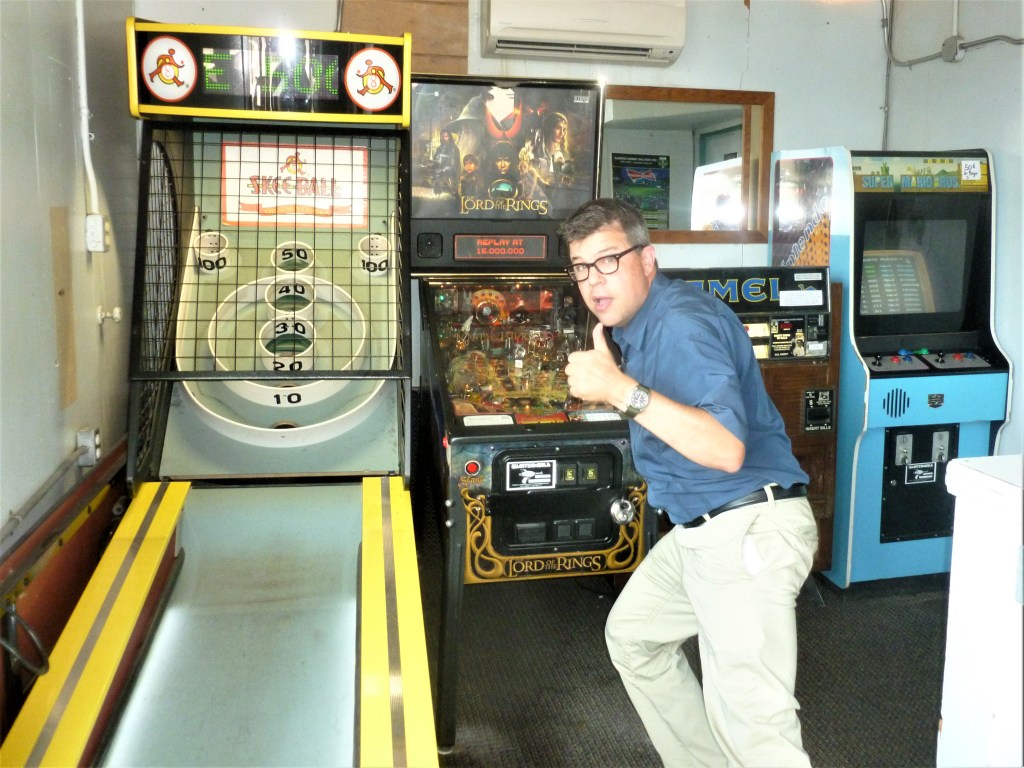
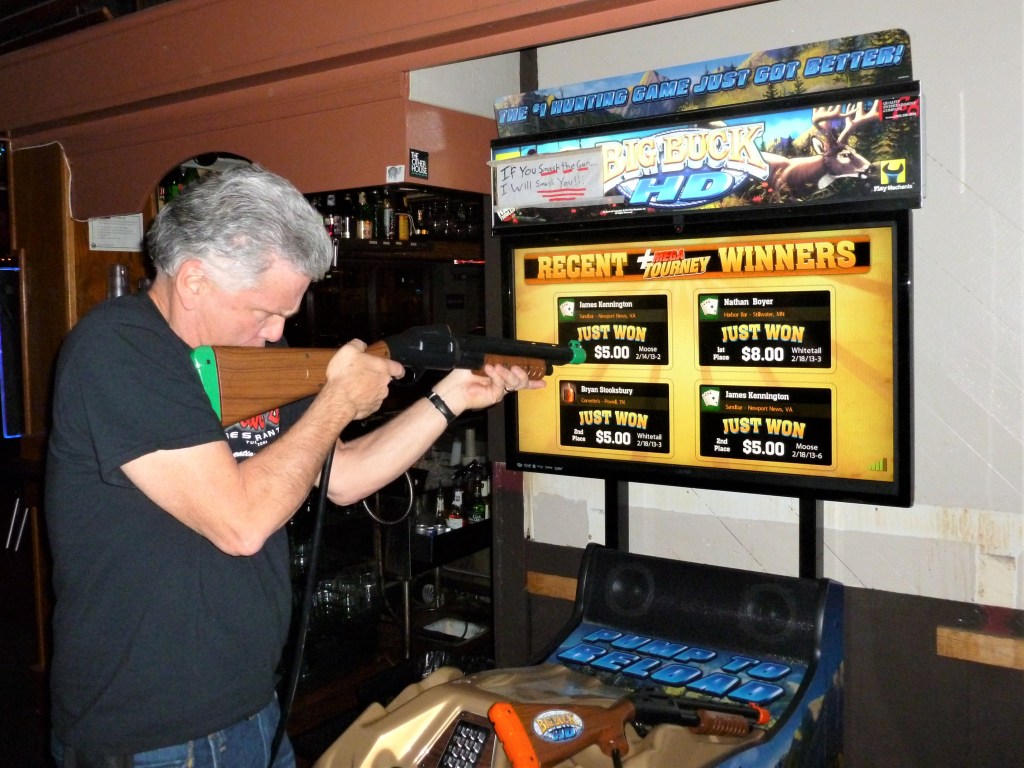
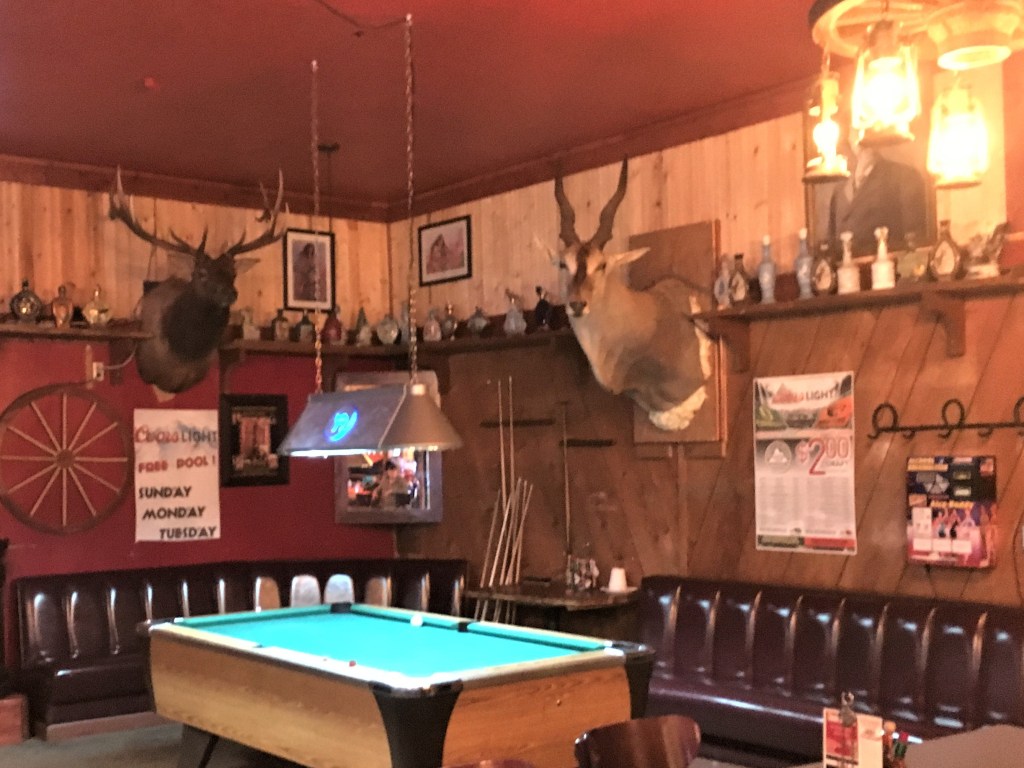
The atmosphere is influenced by whether there are games such as pool and shuffleboard or pinball and Skee-ball   Don’t forget a favorite – Big Buck Hunter.  Are there TV’s and if so, how many and how big?  Is video poker pervasive?  Is there a smoking patio? 

Do they have weekly events or gatherings and are these karaoke or Naughty Bingo Nights?

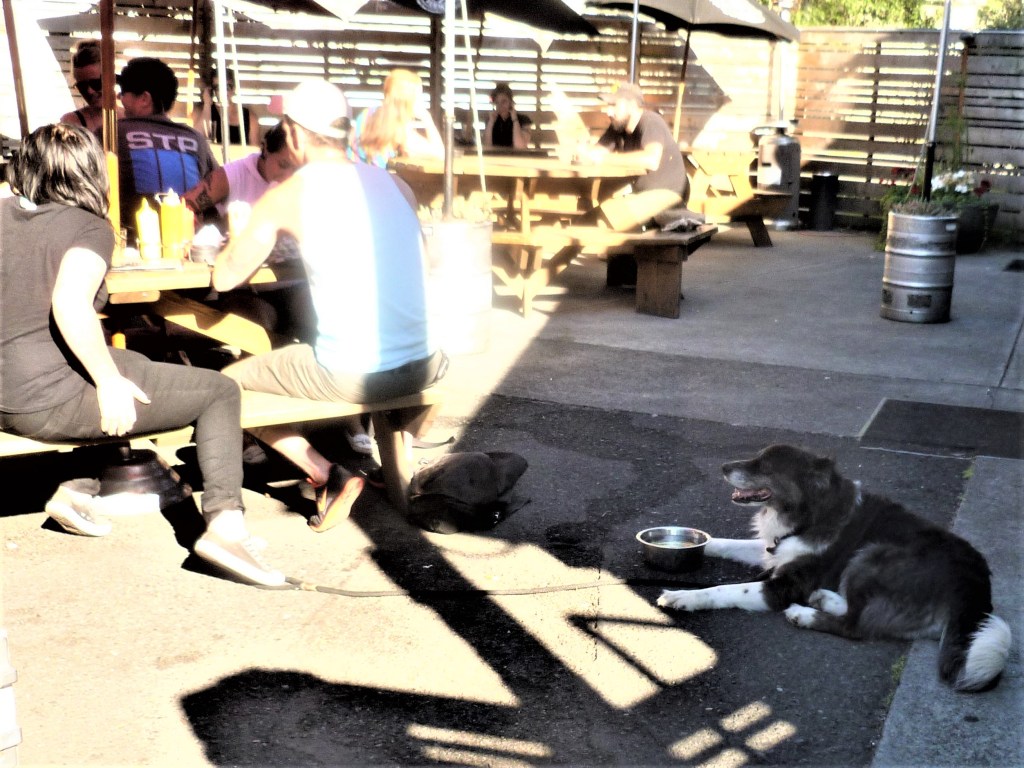
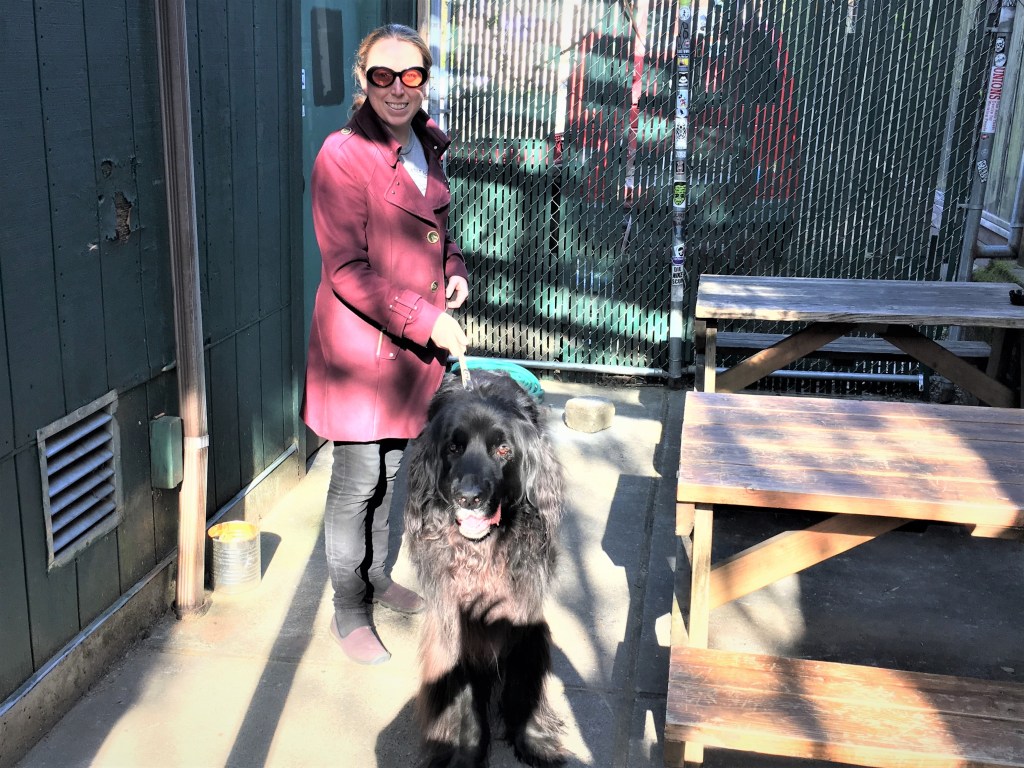
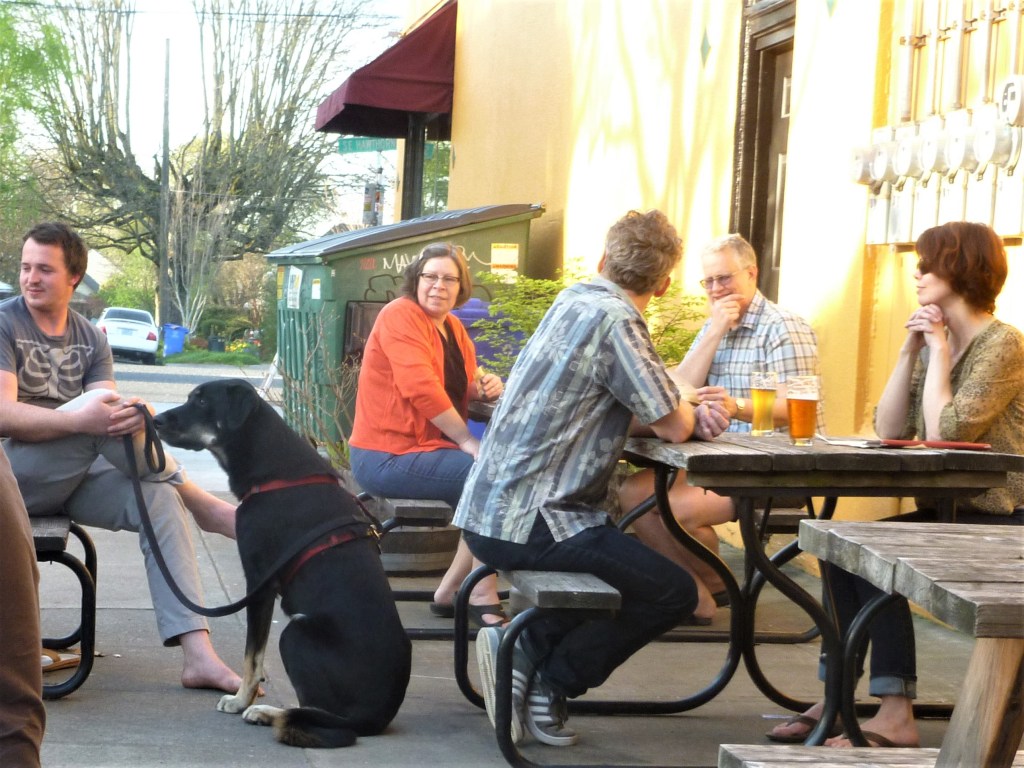
Are there animals present.  Not just service animals that are required under Oregon law, but are pets (and kids) welcome in the bar and on the patio.

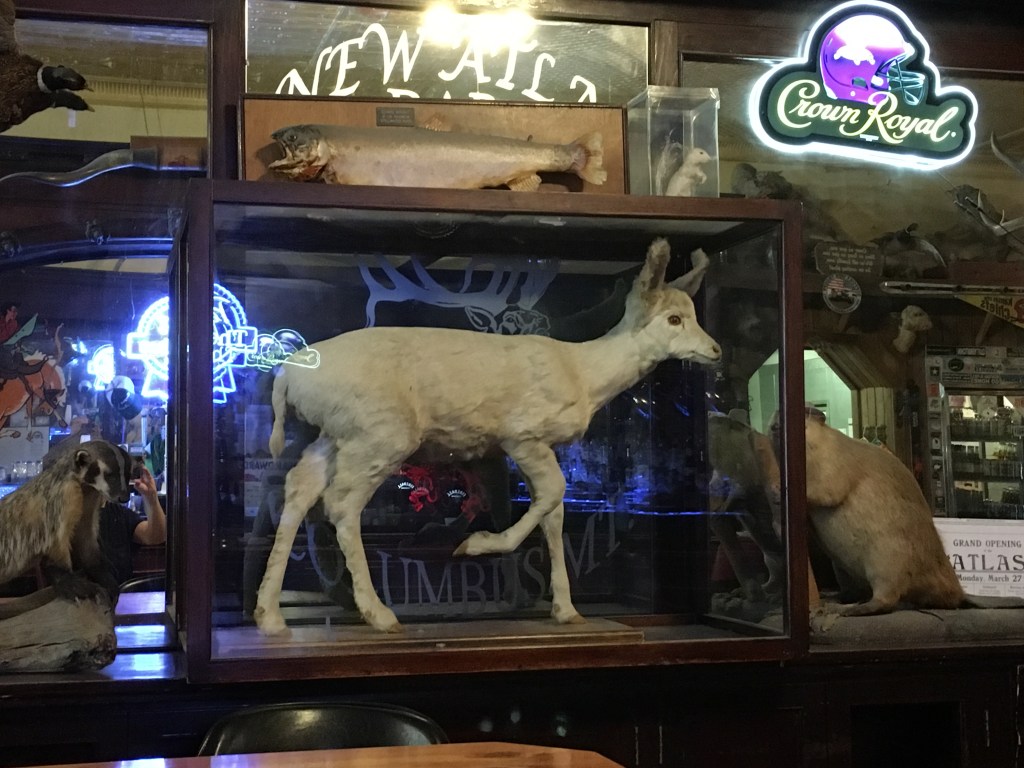
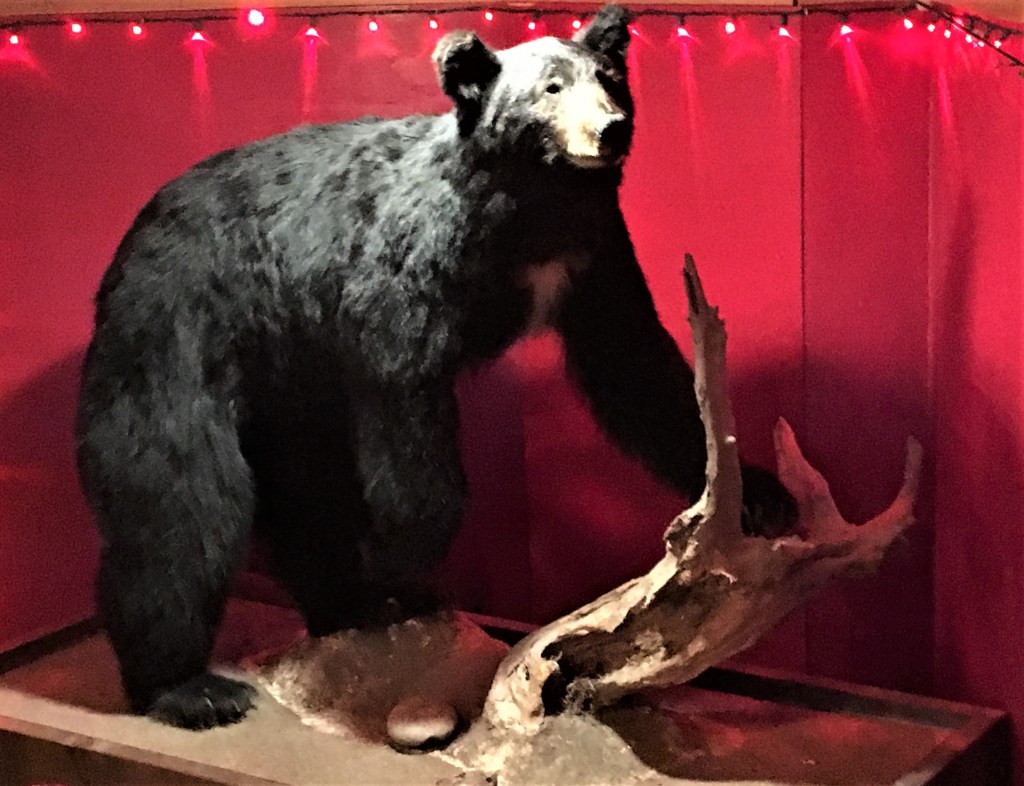
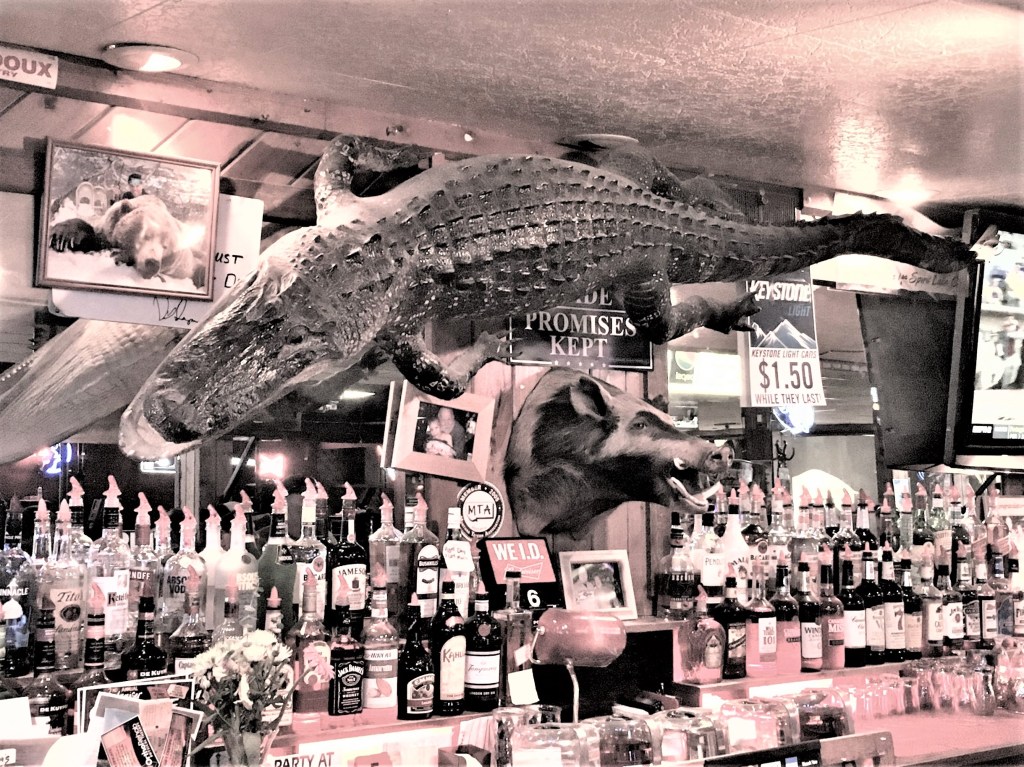
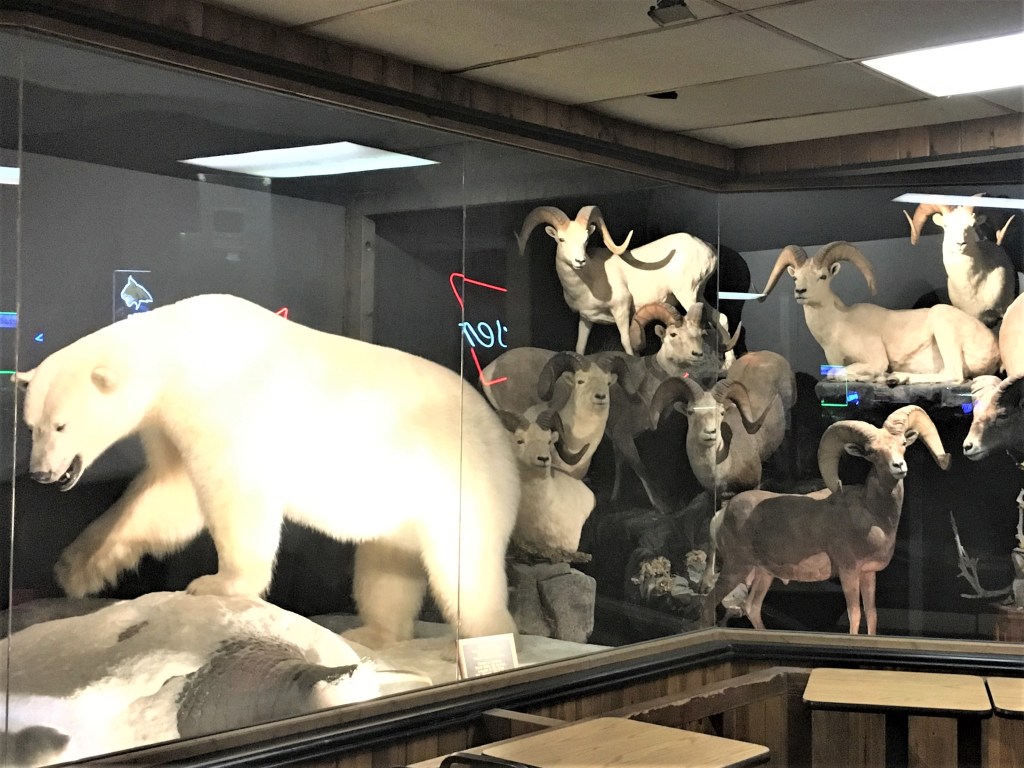
Are the critters alive or dead?! Consider the skilled work of taxidermists with their product hung on the walls with glassy stares?  And are these mounted trophies, deer and elk or more exotic critters such as the albino goat at the New Atlas Bar in Columbus, Montana or the ferocious stuffed alligator hanging over the bar at the Blue Moon Saloon near Kalispell.

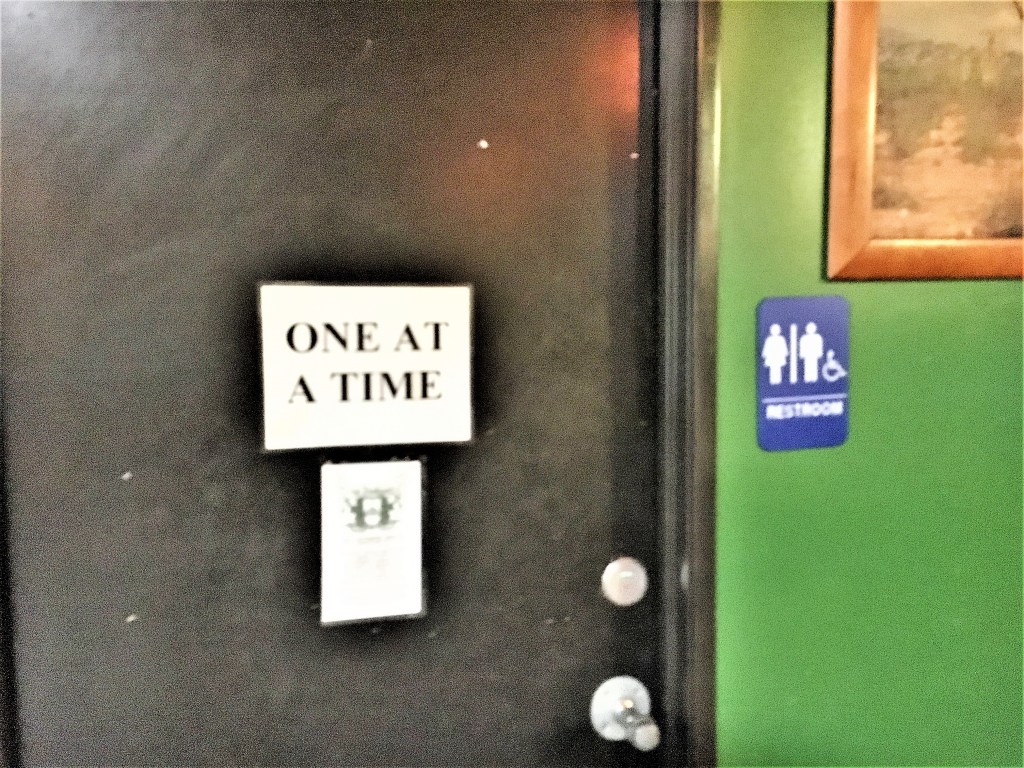
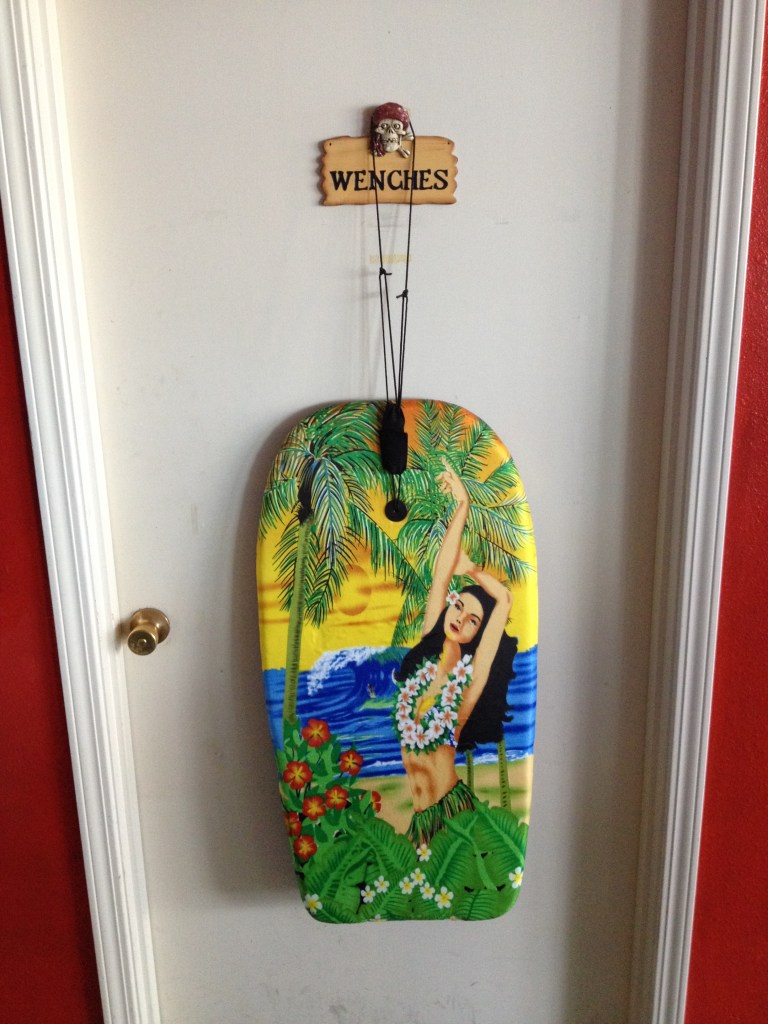
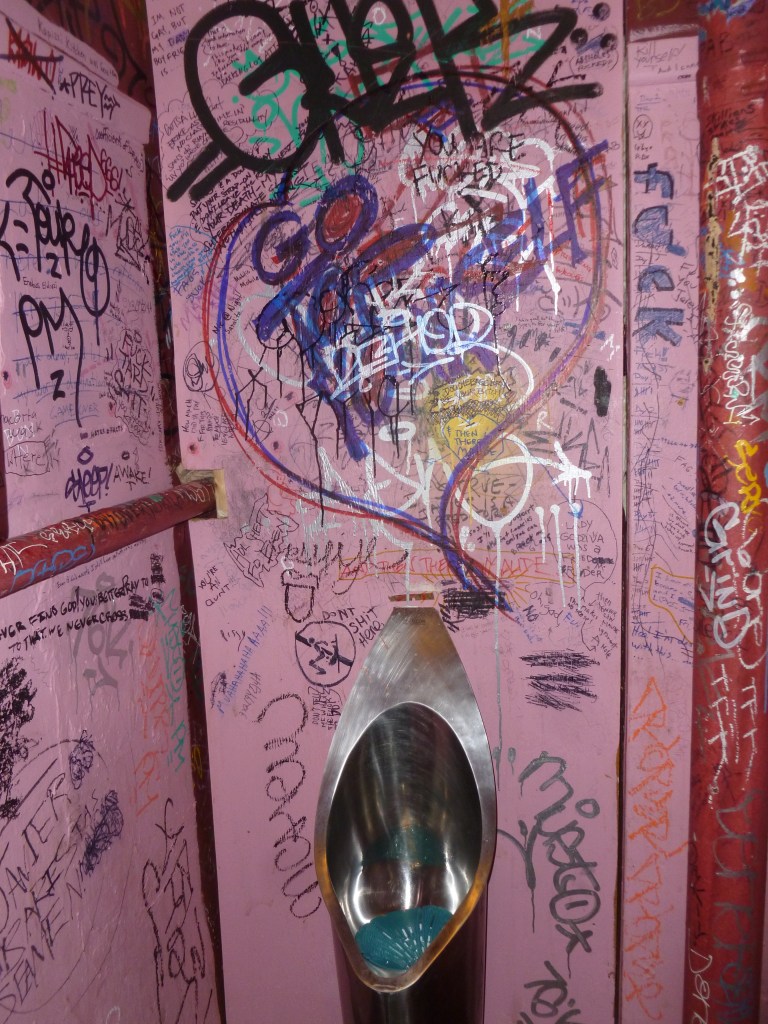
It’s important not to overlook the bathrooms or heads.  Are they unisex and are there locks on the door (or doors at all)? Do the sanitary conditions (for example vomit-stained toilet seats) motivate you to drink your beer slowly so you can wait until you get home?

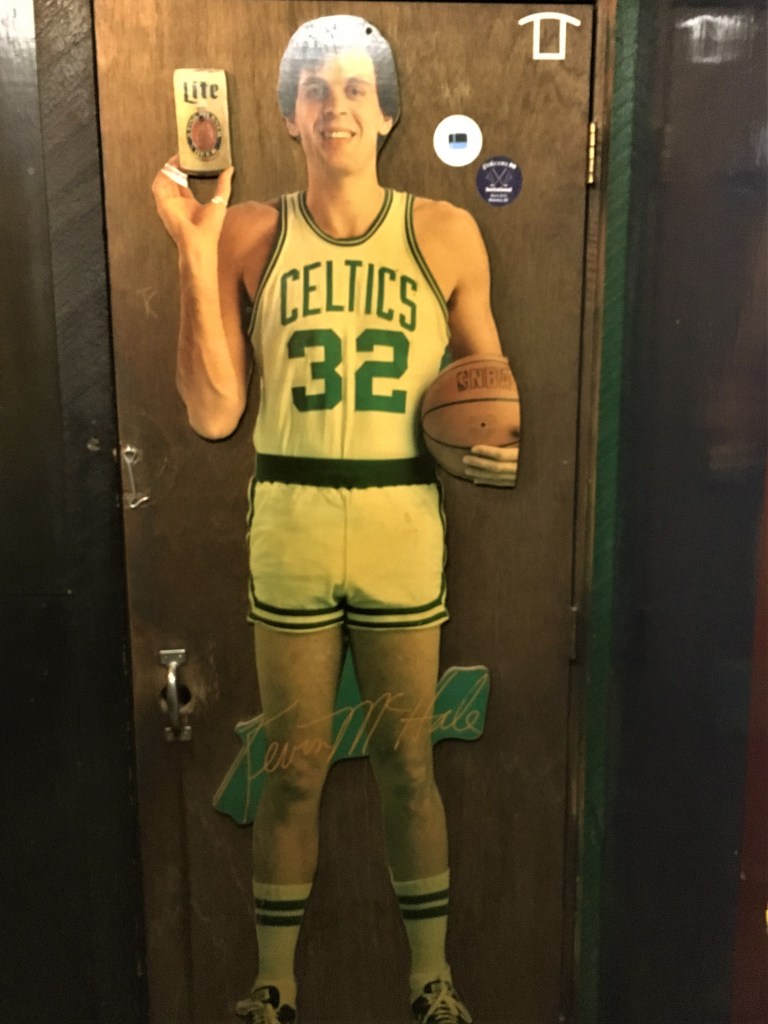
And where but in Whitefish, Montana, can you see a life-size image of former NBA star Kevin McHale say farewell as you exit the men’s head at the Bull Dog Saloon?

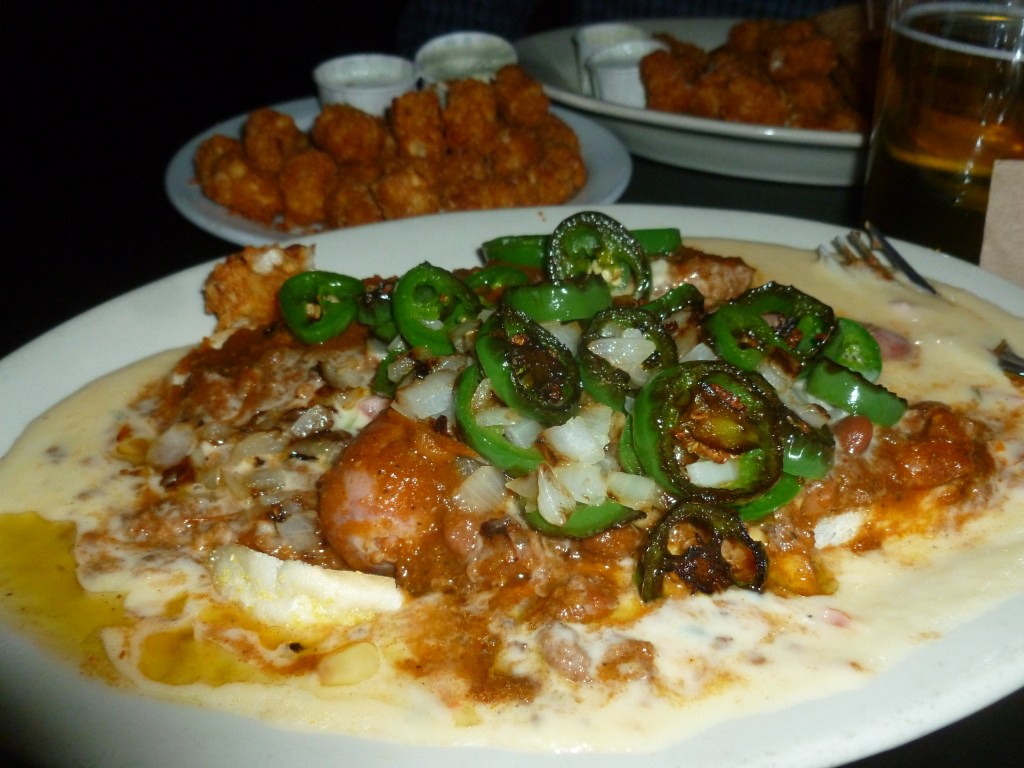
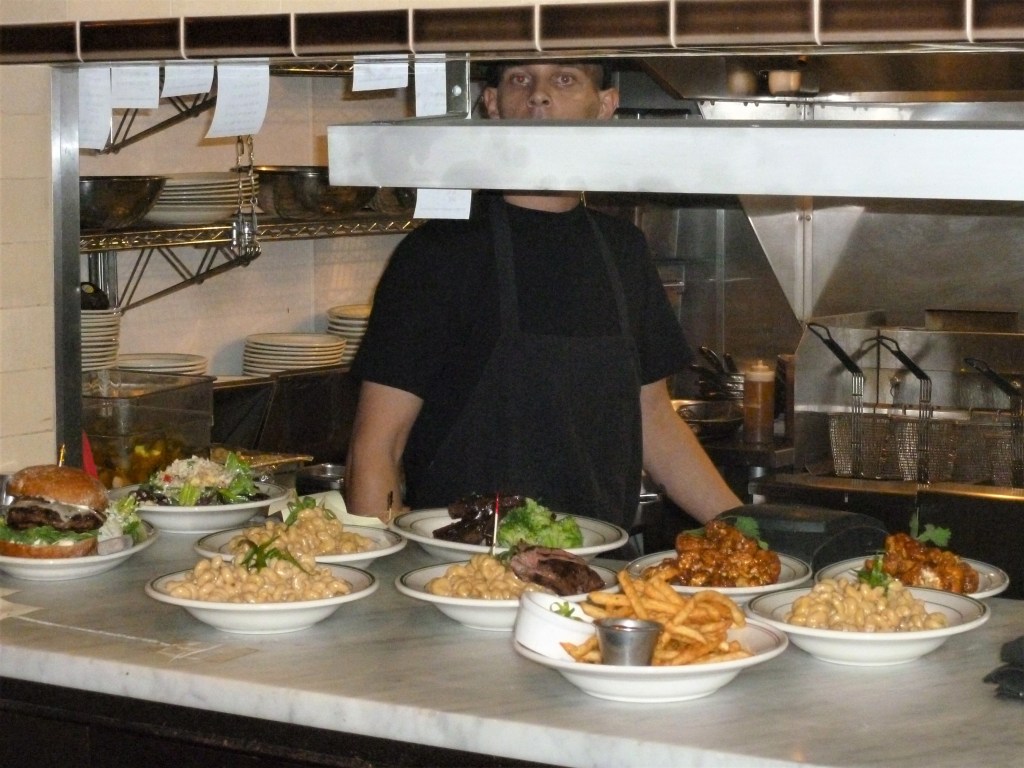
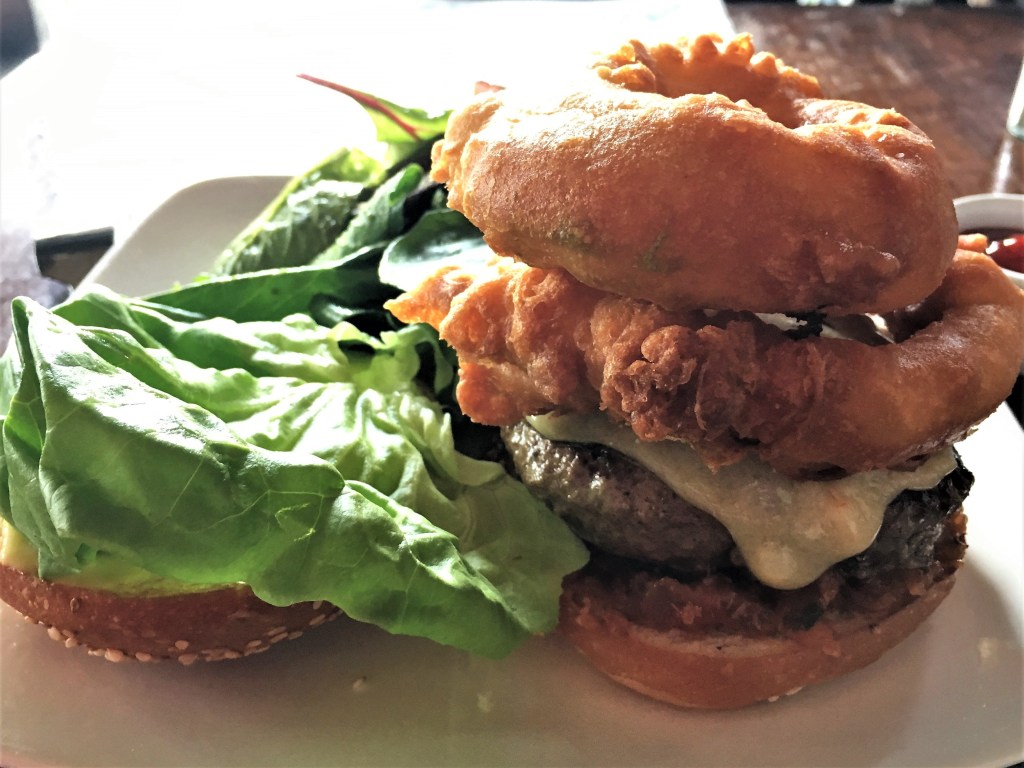
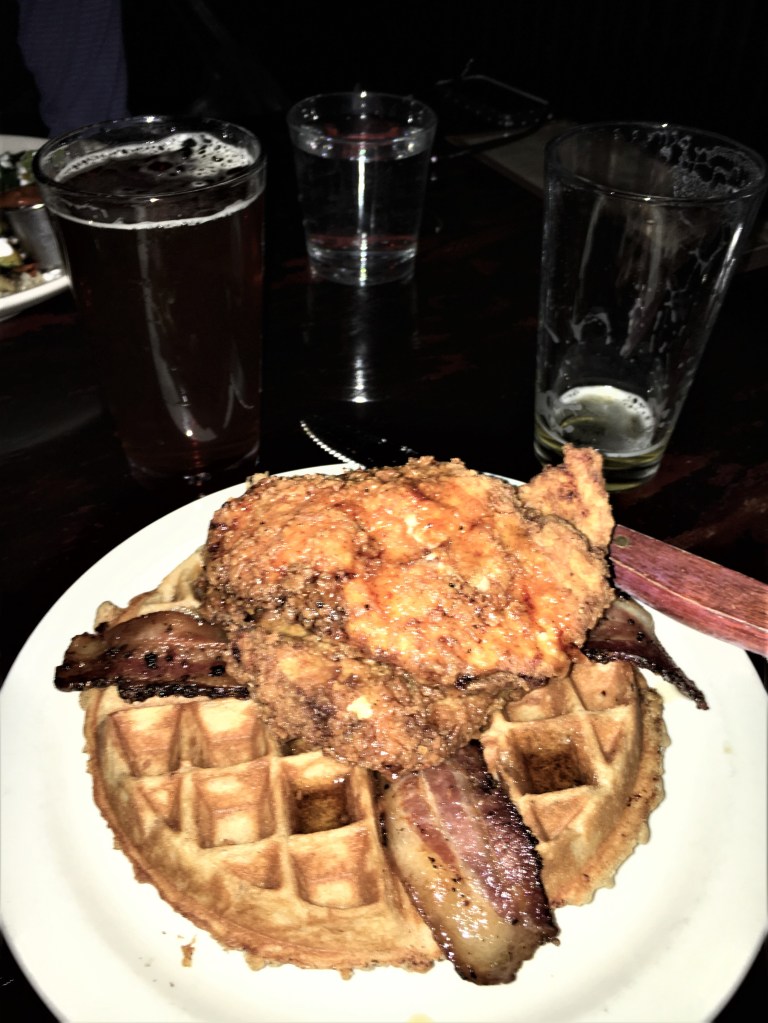
Is there food and what type (usually plentiful) and whether it’s cooked on site or prepackaged?    Some of the cooks at dives and neighborhood bars are really quite accomplished at their profession. 

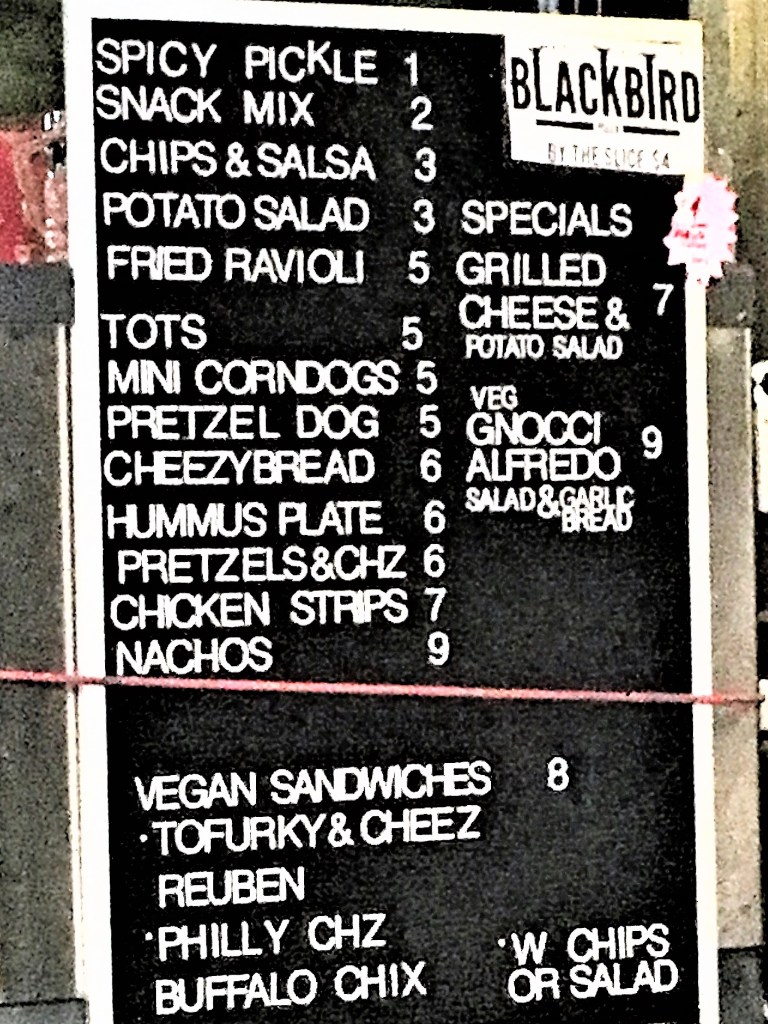
I guess, however, it does not take a trained chef to prepare the fried ravioli – available for $5 at The Standard or the Chicken Gizards (only $2.75 when they are the special-of-the-day) at the Yukon Tavern.  And oh the Burgers!!!

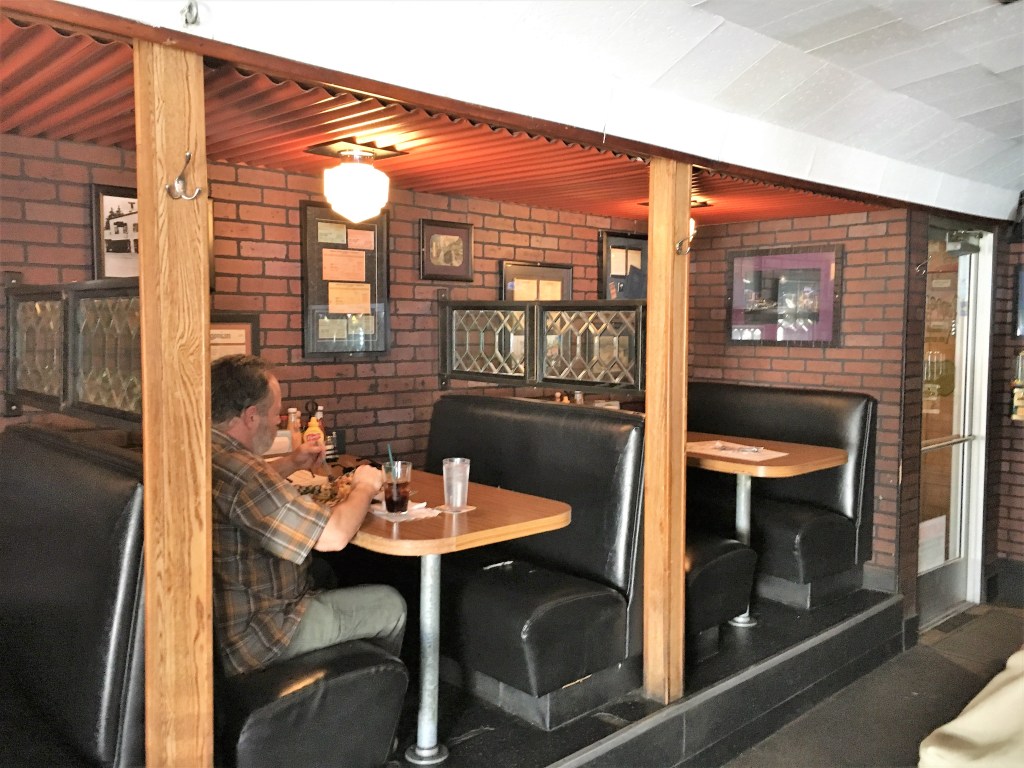
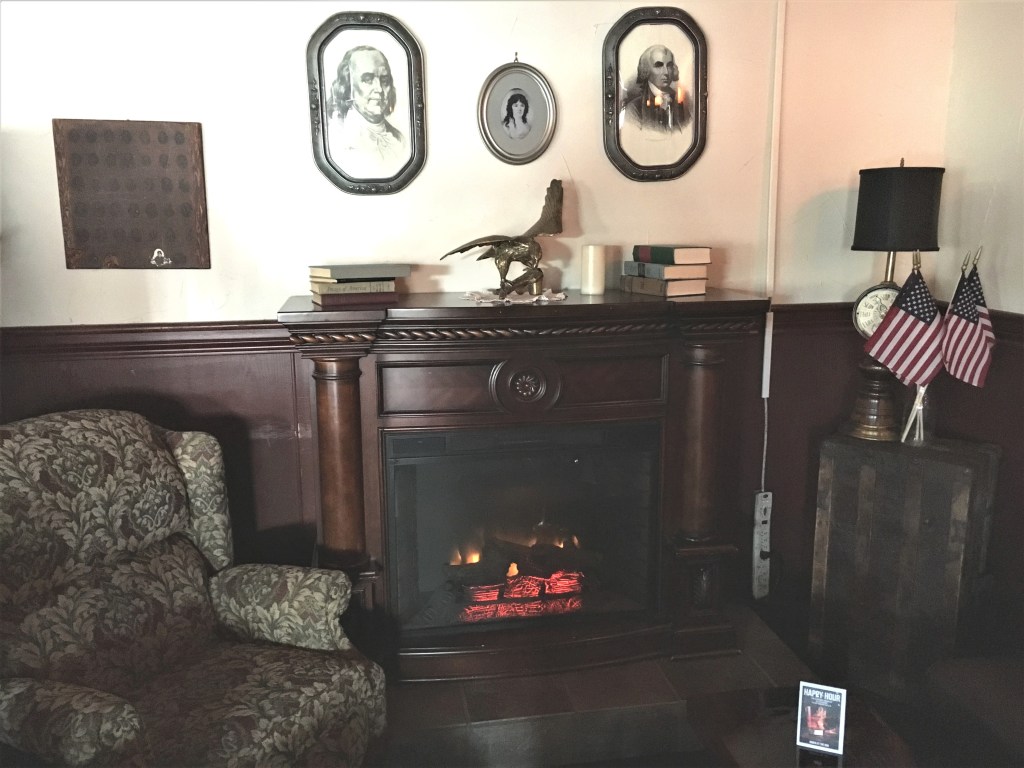
Are the trappings dive bar vinyl booths and card tables or more refined dark wood with fire places (often in dive bars too)  with volumes of books (real not decorative).

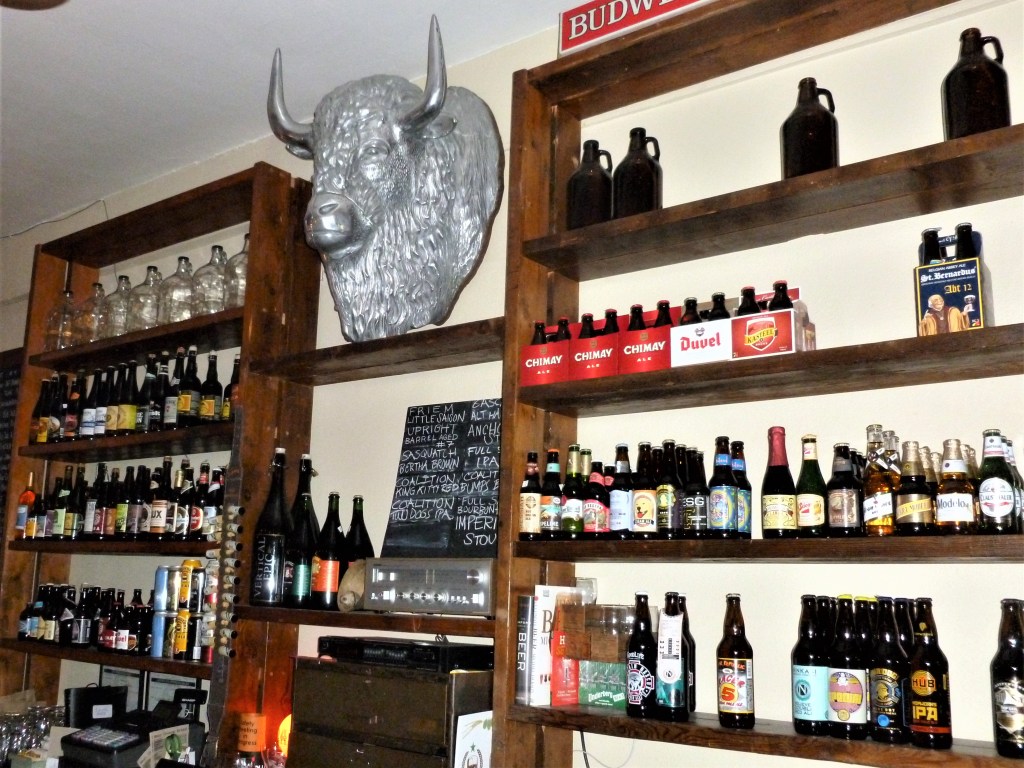
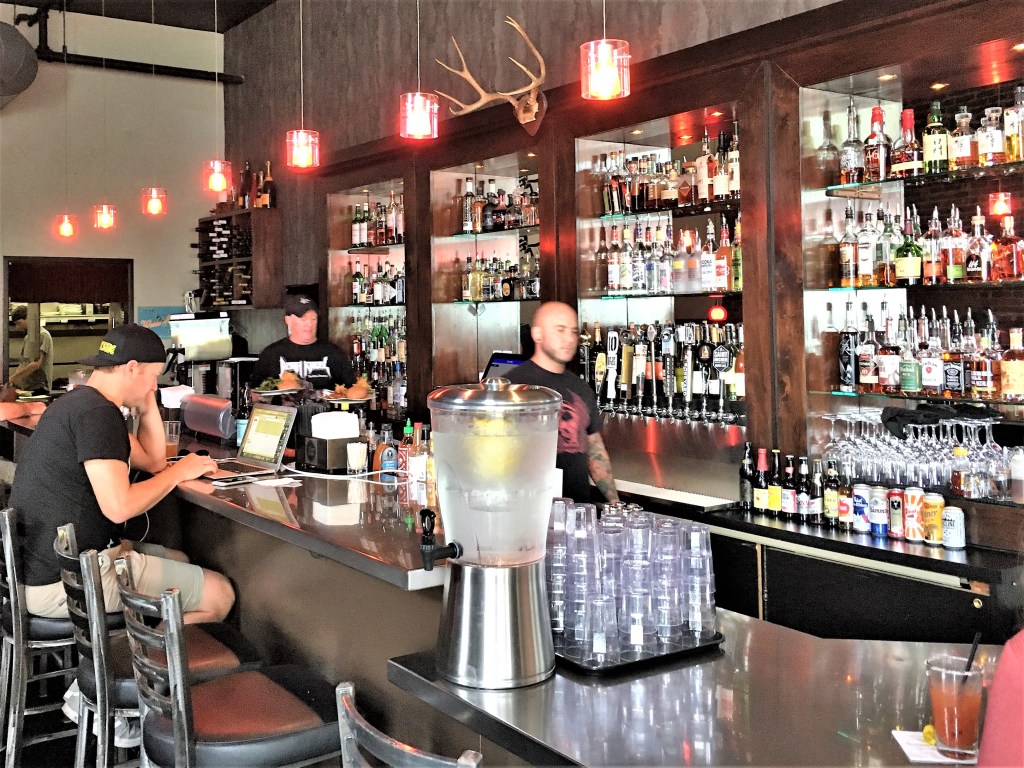
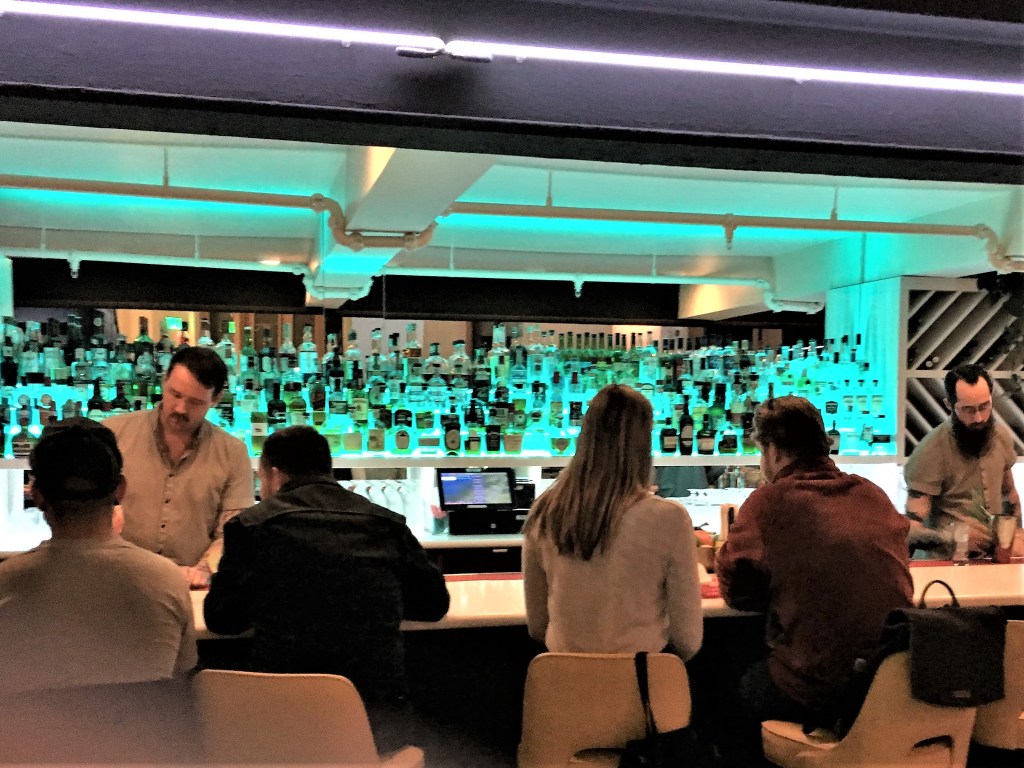
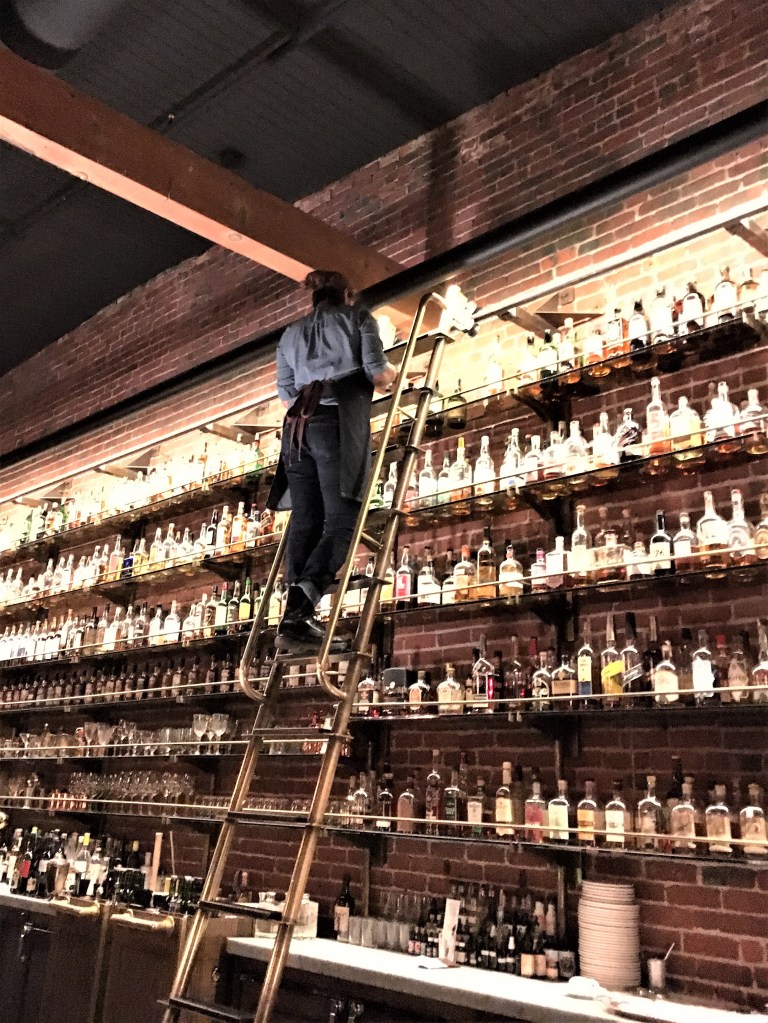
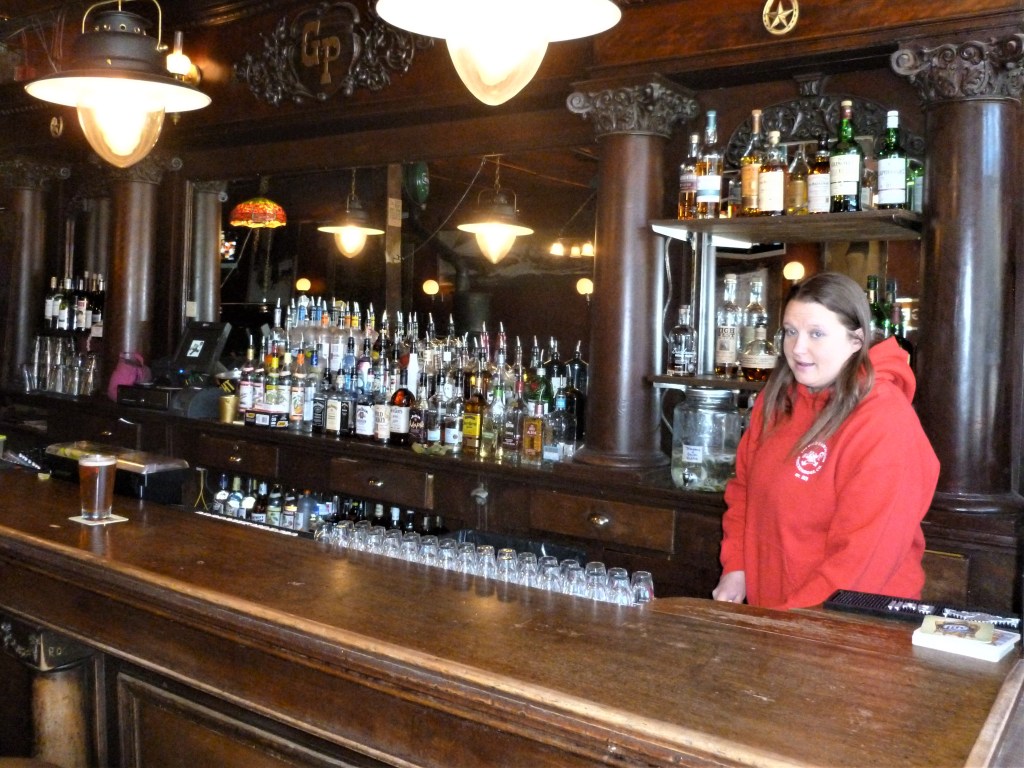
Two more factors that are important are the bar counter and back bar.  Is your beer served on a Formica stand or a dark, classy wood counter with an attractive backbar filled with a multitude of attractive liquor bottles or knickknacks which evoke stories? 

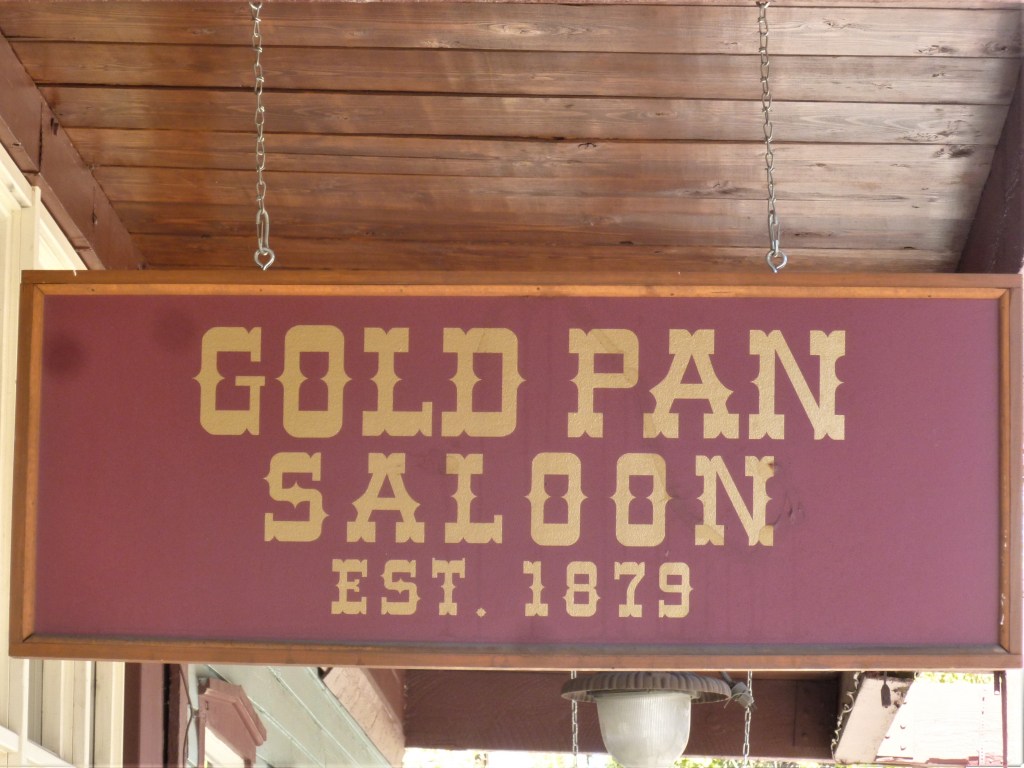
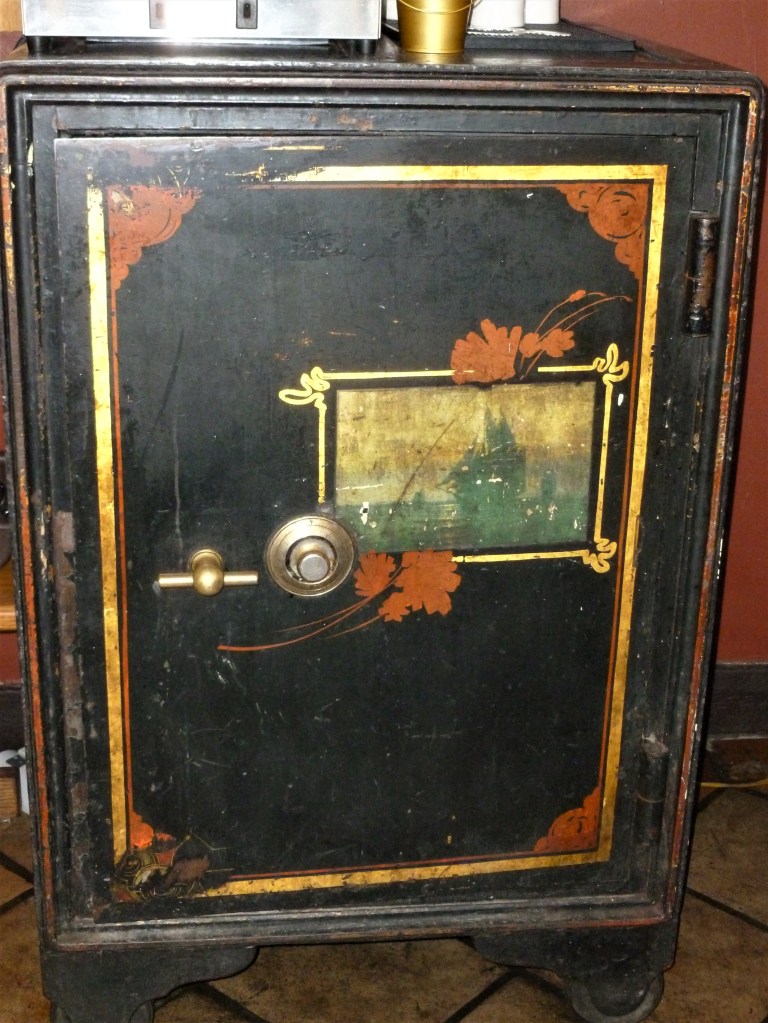
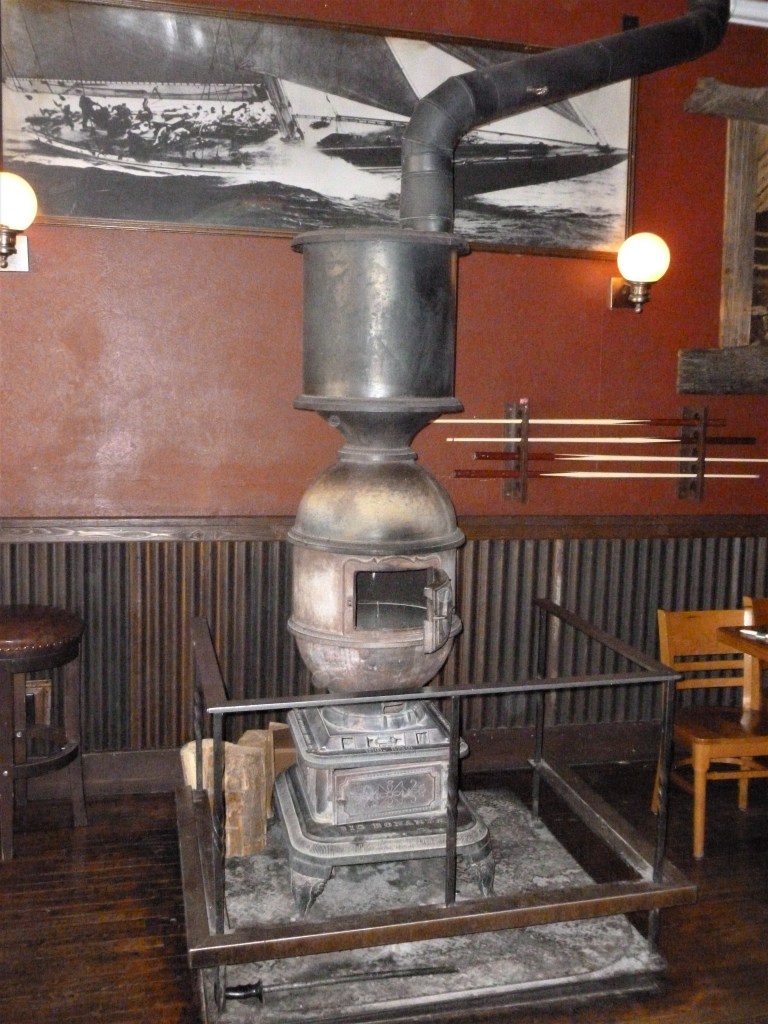
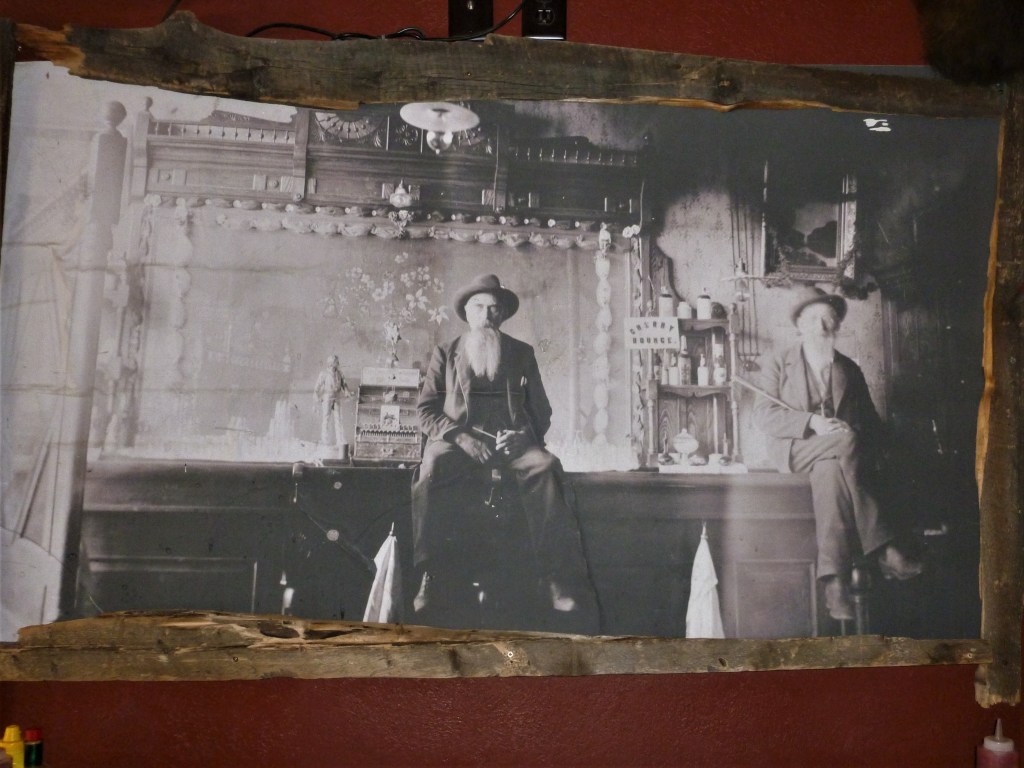
The Gold Pan Saloon , an historic dive bar we visited on a road trip to Colorado that dates back to 1879, had an impressive long, rich mahogany bar in Breckenridge.

In talking to the bartender, she told us that the bar and the beautiful backbar were shipped around Cape Horn to its’ destination in Colorado during gold mining days. I couldn’t verify the story, but it would not surprise me.

You throw all these elements – abstract, tangible and then add the people and the staff together and the result is a “Community” – and each bar or tavern is its own unique community or cultural institution.

Stay tuned to Thebeerchaser.com for future posts with the remaining four questions in the Bridgeliner interview about Bar culture.

Cheers